Premium Polycarbonate Graphic Overlays - Durable Interface Solutions for Industrial Applications

Get a Free Quote

Our representative will contact you soon.
Email
Mobile/WhatsApp
Name
Company Name
Message
0/1000

polycarbonate graphic overlays

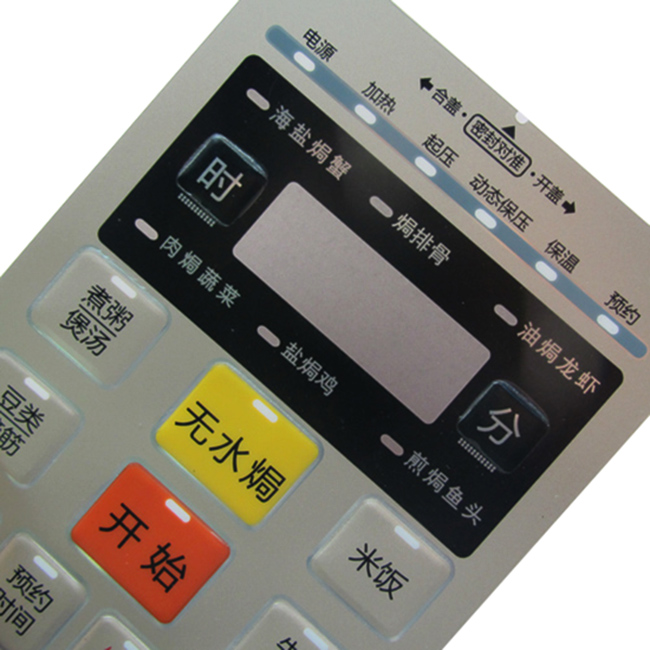
Polycarbonate graphic overlays represent cutting-edge interface solutions that combine aesthetic appeal with exceptional durability for electronic equipment and control panels. These specialized components serve as protective barriers while providing clear visual communication through printed graphics, text, and symbols. The primary function of polycarbonate graphic overlays involves shielding underlying circuitry and sensitive components from environmental hazards including moisture, dust, chemicals, and physical impact. Beyond protection, these overlays deliver intuitive user interfaces that enhance operational efficiency and reduce training requirements for equipment operators. The technological foundation of polycarbonate graphic overlays centers on advanced thermoplastic engineering that creates transparent, lightweight yet incredibly strong materials. Manufacturing processes utilize precision digital printing techniques that embed graphics directly into the polycarbonate substrate, ensuring graphics remain vibrant and legible throughout extended service periods. These overlays incorporate sophisticated adhesive systems that create permanent bonds with various substrate materials including metals, plastics, and composite surfaces. The dimensional stability of polycarbonate allows for precise cutouts, windows, and tactile features that accommodate switches, displays, and control elements. Applications for polycarbonate graphic overlays span numerous industries including medical equipment, industrial automation, aerospace systems, telecommunications infrastructure, and consumer electronics. In medical environments, these overlays provide sterile surfaces that withstand repeated cleaning with harsh disinfectants while maintaining graphic clarity essential for critical equipment operation. Industrial applications benefit from the chemical resistance and temperature stability that polycarbonate materials offer in demanding manufacturing environments. The versatility of polycarbonate graphic overlays makes them ideal for both indoor and outdoor applications where UV resistance and weather protection are paramount concerns for long-term reliability and performance.

New Product Releases

The advantages of polycarbonate graphic overlays deliver significant value to businesses seeking reliable interface solutions that reduce maintenance costs while improving user experience. Superior impact resistance stands as a primary benefit, with polycarbonate materials demonstrating exceptional ability to withstand mechanical stress, drops, and impacts that would damage traditional glass or acrylic alternatives. This durability translates directly into reduced replacement costs and minimized equipment downtime, particularly valuable in industrial settings where operational continuity is critical. Chemical resistance provides another substantial advantage, as polycarbonate graphic overlays maintain their integrity when exposed to oils, solvents, cleaning agents, and other harsh chemicals commonly encountered in manufacturing and laboratory environments. This chemical stability ensures that graphics remain clear and readable while protective properties continue functioning effectively over extended periods. Temperature stability offers significant operational benefits, with polycarbonate materials performing reliably across wide temperature ranges without becoming brittle in cold conditions or softening in elevated temperatures. This thermal stability makes polycarbonate graphic overlays suitable for applications ranging from outdoor equipment exposed to extreme weather to industrial processes involving elevated operating temperatures. The lightweight nature of polycarbonate materials provides practical advantages during installation and reduces overall system weight, particularly important for portable equipment and aerospace applications where weight considerations directly impact performance and fuel efficiency. Optical clarity represents another key advantage, as polycarbonate graphic overlays maintain excellent transparency that preserves display visibility while protecting underlying components from environmental damage. UV resistance ensures that graphics and substrate materials do not fade or degrade when exposed to sunlight or artificial UV sources, maintaining professional appearance and functionality throughout the product lifecycle. Manufacturing flexibility allows for customization of polycarbonate graphic overlays to meet specific application requirements, including custom shapes, sizes, graphic designs, and functional features such as tactile buttons or membrane switches. This customization capability enables businesses to create unique user interfaces that align with brand identity while optimizing operational efficiency. Cost-effectiveness emerges through the combination of durability, reduced maintenance requirements, and extended service life that polycarbonate graphic overlays provide compared to alternative materials and solutions.

Latest News

Silk Screen Printing Technology for Labels & Nameplates

28

Feb

Silk Screen Printing Technology for Labels & Nameplates

View More
Resin Domed Technology for Labels & Nameplates

04

Feb

Resin Domed Technology for Labels & Nameplates

View More
Embossing Process for Labels & Nameplates

04

Feb

Embossing Process for Labels & Nameplates

View More
Etch Process

06

Feb

Etch Process

View More

Get a Free Quote

Our representative will contact you soon.
Email
Mobile/WhatsApp
Name
Company Name
Message
0/1000

polycarbonate graphic overlays

Exceptional Durability and Longevity Performance

Exceptional Durability and Longevity Performance

The exceptional durability and longevity performance of polycarbonate graphic overlays stems from the inherent properties of polycarbonate thermoplastic materials that deliver superior mechanical strength and environmental resistance compared to traditional overlay materials. This durability advantage translates into significant cost savings and operational benefits for businesses across diverse industries. Polycarbonate materials exhibit outstanding impact resistance, with the ability to withstand forces that would shatter glass or crack acrylic alternatives, making them ideal for applications where equipment may experience rough handling or accidental impacts. The molecular structure of polycarbonate creates a tough, flexible material that absorbs energy from impacts rather than fracturing, ensuring continued protection and functionality even after experiencing mechanical stress. This impact resistance proves particularly valuable in industrial environments, medical equipment, and portable devices where durability directly impacts operational reliability and user safety. Temperature cycling resistance represents another critical aspect of the durability performance, as polycarbonate graphic overlays maintain their protective properties and graphic clarity across temperature ranges from -40°C to 120°C without experiencing thermal stress cracking or dimensional changes that could compromise fit or function. This temperature stability ensures reliable performance in applications ranging from outdoor equipment exposed to seasonal temperature variations to industrial processes involving elevated operating temperatures. Chemical resistance further enhances the durability profile, with polycarbonate materials demonstrating excellent resistance to oils, greases, mild acids, and cleaning solvents commonly encountered in industrial and medical applications. This chemical stability prevents degradation of both the substrate material and printed graphics, ensuring that polycarbonate graphic overlays maintain their protective properties and visual appeal throughout extended service periods. The combination of mechanical strength, temperature stability, and chemical resistance creates a durability profile that significantly exceeds that of alternative overlay materials, resulting in extended service life and reduced replacement frequency that delivers substantial long-term value for equipment manufacturers and end users.
Advanced Manufacturing and Customization Capabilities

Advanced Manufacturing and Customization Capabilities

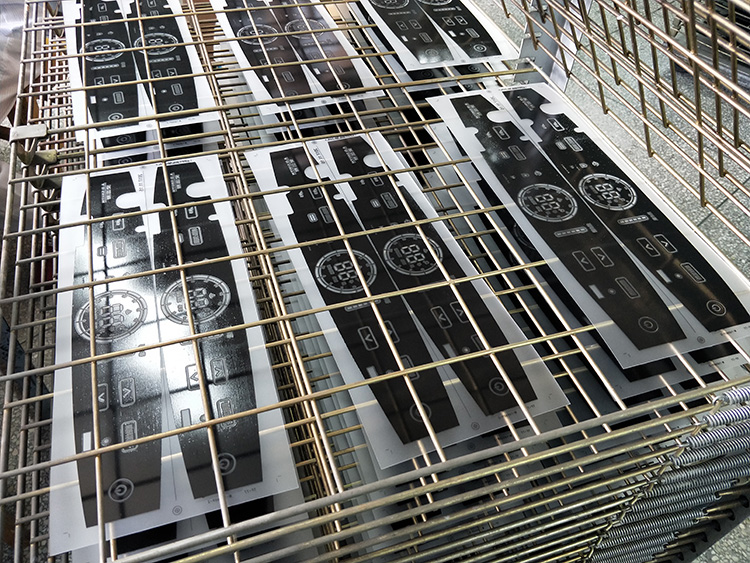
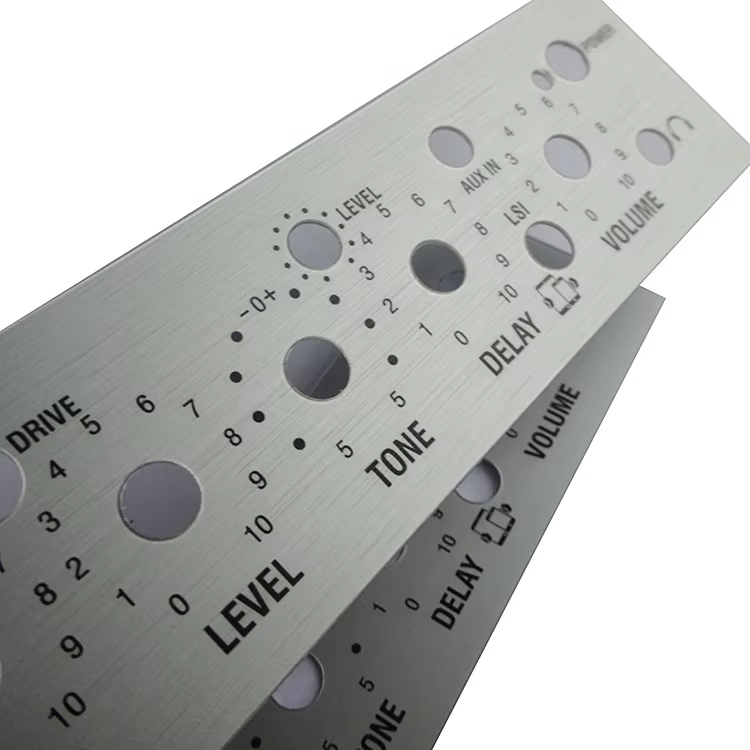
Advanced manufacturing and customization capabilities of polycarbonate graphic overlays enable the creation of highly specialized interface solutions that meet precise application requirements while maintaining cost-effectiveness and rapid production timelines. The manufacturing process begins with precision digital printing technology that embeds graphics, text, and symbols directly into the polycarbonate substrate using specialized inks that become an integral part of the material structure. This printing approach ensures that graphics cannot wear off, scratch away, or fade over time, as they are protected within the polycarbonate matrix rather than sitting on the surface where they could be damaged by abrasion or chemical exposure. The digital printing process supports full-color graphics with photographic quality resolution, enabling the incorporation of complex logos, detailed technical diagrams, and multi-color coding systems that enhance user interface functionality and brand recognition. Precision die-cutting and CNC machining capabilities allow for the creation of complex overlay shapes with tight tolerances, accommodating cutouts for displays, switches, connectors, and other interface elements with exact positioning and sizing. This manufacturing precision ensures proper fit and function when polycarbonate graphic overlays are integrated into existing equipment designs or new product development projects. Tactile feature integration represents another advanced manufacturing capability, with options for embossed buttons, raised areas, and textured surfaces that provide tactile feedback for operators working in low-light conditions or wearing protective gloves. These tactile features are formed directly in the polycarbonate material during manufacturing, creating durable interface elements that maintain their shape and function throughout the product lifecycle. Multi-layer construction capabilities enable the integration of additional functionality such as electromagnetic interference shielding, light-blocking layers, or decorative finishes that enhance both performance and aesthetic appeal. Custom adhesive selection and application ensure optimal bonding to various substrate materials including metals, plastics, and composite surfaces, with options for permanent bonding, removable installation, or specialized adhesives designed for specific environmental conditions. The combination of these advanced manufacturing capabilities enables the production of polycarbonate graphic overlays that precisely match customer specifications while maintaining the quality and performance standards required for critical applications.
Versatile Application Integration and Industry Solutions

Versatile Application Integration and Industry Solutions

Versatile application integration and industry solutions demonstrate the adaptability of polycarbonate graphic overlays across diverse sectors, from medical devices to aerospace systems, each benefiting from unique properties that address specific operational challenges and regulatory requirements. In medical equipment applications, polycarbonate graphic overlays provide essential contamination barriers while maintaining the clarity needed for critical information display and control access. The biocompatibility of polycarbonate materials meets medical device regulations, while the chemical resistance enables repeated sterilization with hospital-grade disinfectants without degrading graphics or substrate properties. Medical applications particularly benefit from the smooth, non-porous surface that prevents bacterial accumulation and facilitates thorough cleaning protocols essential for infection control. The optical clarity preserves visibility of underlying displays and indicators while protecting sensitive electronics from moisture and contaminants that could cause malfunction in critical care situations. Industrial automation represents another major application area where polycarbonate graphic overlays excel in harsh manufacturing environments characterized by exposure to oils, solvents, temperature extremes, and mechanical stress. The chemical resistance and temperature stability ensure continued functionality in applications such as CNC machine controls, process monitoring equipment, and safety systems where reliability directly impacts productivity and worker safety. The ability to incorporate tactile features enables operation with protective gloves while maintaining precise control feedback essential for industrial applications. Aerospace and defense applications leverage the lightweight properties and flame resistance of polycarbonate materials while meeting stringent environmental and performance specifications. The UV resistance ensures graphics remain legible during extended exposure to high-altitude sunlight, while the temperature stability maintains functionality across the extreme temperature ranges encountered in aerospace environments. Marine applications benefit from the corrosion resistance and moisture barrier properties that protect electronic interfaces from salt spray and high humidity conditions that would quickly degrade alternative materials. The versatility extends to consumer electronics, telecommunications equipment, and automotive applications where polycarbonate graphic overlays provide cost-effective protection and user interface enhancement. Customization capabilities enable integration with existing designs while meeting specific industry standards and regulatory requirements, making polycarbonate graphic overlays a preferred solution across multiple sectors seeking reliable, durable, and cost-effective interface protection.

Get a Free Quote

Our representative will contact you soon.
Email
Mobile/WhatsApp
Name
Company Name
Message
0/1000