 EN
EN

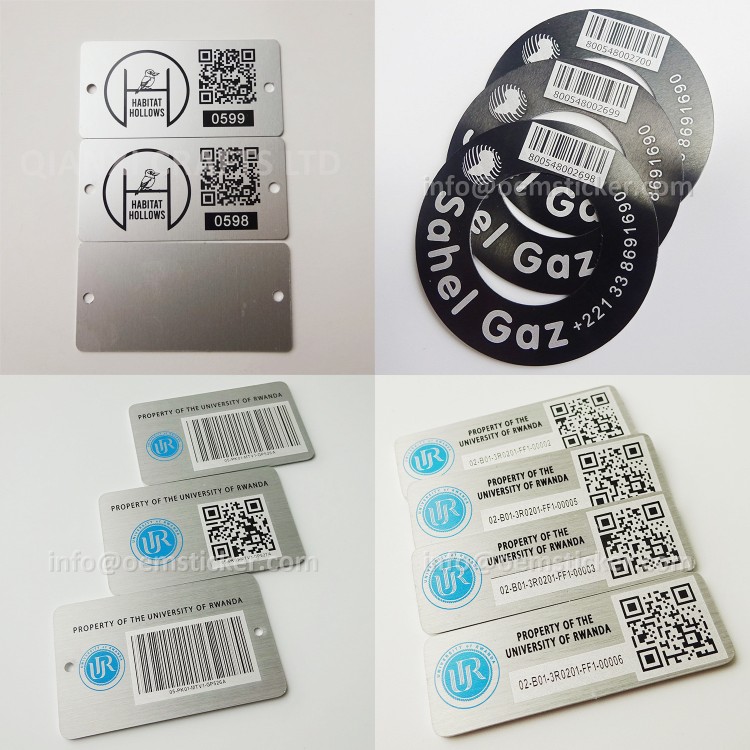
A metal nameplate is far more than a decorative item attached to a product or surface. In industrial and commercial settings, a metal nameplate serves as a permanent record of identity, compliance data, branding, and operational information. Whether it marks heavy machinery, laboratory equipment, electronic enclosures, or architectural features, the quality of a metal nameplate directly affects its reliability and longevity. Understanding what separates a quality metal nameplate from a substandard one helps buyers make smarter purchasing decisions.
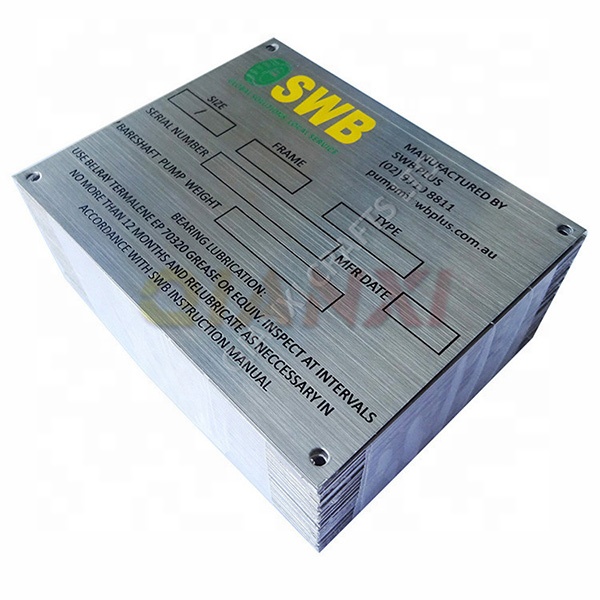
When evaluating a metal nameplate for purchase, decision-makers in procurement, engineering, and operations need clear criteria. A quality metal nameplate must withstand demanding environments, maintain legibility over time, carry accurate and durable markings, and reflect the professional standards of the organization it represents. This article breaks down the core qualities that justify investing in a well-made metal nameplate rather than settling for cheaper alternatives.
Material Quality and Durability Standards
Why Material Choice Defines a Metal Nameplate
The foundation of any quality metal nameplate begins with the base material. Stainless steel is widely regarded as the gold standard for a metal nameplate used in industrial applications. It resists corrosion, withstands temperature extremes, and holds markings reliably across decades of service. Aluminum is another common choice for a metal nameplate where weight is a consideration, offering good corrosion resistance and a clean surface for engraving or printing. Brass is preferred for a metal nameplate where a premium aesthetic is required, such as architectural plaques or executive office signage.
The thickness of a metal nameplate also plays a critical role in its physical durability. A metal nameplate with insufficient gauge will warp, crack, or bend under mechanical stress or temperature fluctuations. Quality manufacturers specify gauge thicknesses that match the intended application environment. A metal nameplate intended for outdoor or industrial use demands a heavier gauge than one used in a controlled office setting. Buyers should always confirm that the metal nameplate material and thickness align with the actual conditions the plate will face.
Surface Finish and Environmental Resistance
Surface treatment is another defining characteristic of a quality metal nameplate. Protective coatings, anodizing, or chemical finishing processes extend the life of a metal nameplate by shielding the base metal from moisture, chemicals, UV exposure, and physical abrasion. A metal nameplate without adequate surface protection may look acceptable at first but will degrade rapidly in harsh environments. Quality finishes on a metal nameplate also improve adhesion for subsequent marking processes, ensuring that printed or etched content remains sharp and clearly legible throughout the plate's service life.
Marking Precision and Long-Term Legibility
Engraving, Etching, and Embossing Quality
The marking method used on a metal nameplate is one of the most important quality indicators. Laser engraving produces clean, precise, and permanent marks on a metal nameplate without the use of inks or coatings that can fade. Chemical etching creates recessed detail that is highly resistant to wear, making it ideal for a metal nameplate that must carry regulatory or compliance information. Embossing adds three-dimensional texture to a metal nameplate, enhancing both visibility and tactile readability in environments where visual contrast may be limited.
A quality metal nameplate retains its marking clarity even after extended exposure to heat, cleaning agents, and mechanical contact. In regulated industries such as manufacturing, aerospace, or medical device production, a metal nameplate must remain legible for the entire operational life of the equipment it identifies. Poor-quality marking on a metal nameplate can become a compliance liability if identification data becomes unreadable during an inspection or audit. Precision marking is therefore not a cosmetic detail but a functional and legal requirement for a professional metal nameplate.
Customization Accuracy and Detail Reproduction
A quality metal nameplate must reproduce custom content accurately, including logos, serial numbers, barcodes, and regulatory symbols. The ability to faithfully reproduce fine detail is what distinguishes a professional metal nameplate supplier from a commodity vendor. When a metal nameplate carries a company logo, the sharpness and proportional accuracy of that reproduction reflect directly on the brand. Buyers should request samples or proofs before committing to a full production run of any custom metal nameplate to verify that the detail reproduction meets their standards.
Attachment Methods and Installation Reliability
Adhesive, Mechanical, and Weld-On Options
How a metal nameplate is attached to its host surface is just as important as the plate itself. A quality metal nameplate should offer reliable attachment options that suit the application environment. Pressure-sensitive adhesive backing is common for a metal nameplate applied to smooth, clean surfaces in controlled conditions. Mechanical fasteners such as rivets or screws provide a more permanent solution for a metal nameplate mounted on equipment that experiences vibration or thermal cycling. Weld-on tabs are used when a metal nameplate must remain permanently and tamper-evidently bonded to heavy industrial equipment.
Choosing the wrong attachment method for a metal nameplate can result in premature detachment, which creates safety hazards, identification gaps, and potential compliance failures. A trusted metal nameplate supplier will guide buyers through the correct attachment specifications based on surface material, operating temperature, and environmental exposure. This consultation service is itself a marker of quality in a metal nameplate provider.
Dimensional Consistency Across Production Runs
For organizations ordering a metal nameplate in volume, dimensional consistency is critical. Each metal nameplate must fit its designated mounting location precisely. Inconsistent sizing in a metal nameplate batch causes installation delays, rework costs, and aesthetic inconsistencies across a product line. Quality manufacturers maintain tight dimensional tolerances for every metal nameplate produced, ensuring that each plate in a large order is as precise as the first.
FAQ
What materials are most commonly used for a quality metal nameplate?
The most commonly used materials for a quality metal nameplate include stainless steel, aluminum, and brass. Stainless steel is preferred for industrial and outdoor applications due to its corrosion resistance and durability. Aluminum is chosen for lightweight applications, while brass suits premium decorative or architectural uses. The choice of material for a metal nameplate should always match the environmental and functional demands of the application.
How long should a quality metal nameplate last in an industrial environment?
A properly manufactured metal nameplate using stainless steel or aluminum with a quality surface finish and precision engraving can last twenty years or more in demanding industrial environments. The longevity of a metal nameplate depends on material selection, coating quality, and the marking method used. Laser-engraved or chemically etched content on a metal nameplate is significantly more durable than printed or ink-filled alternatives, especially in environments with chemical exposure or extreme temperatures.
What should buyers check before ordering a custom metal nameplate?
Before placing an order for a custom metal nameplate, buyers should verify the material specifications, gauge thickness, marking method, surface finish, and attachment options offered by the supplier. Requesting a sample or proof of the metal nameplate design is strongly recommended to confirm detail reproduction accuracy. Buyers should also confirm that the supplier can maintain consistent dimensional tolerances across the full production quantity and that the metal nameplate meets any applicable regulatory or industry standards required for the specific application.