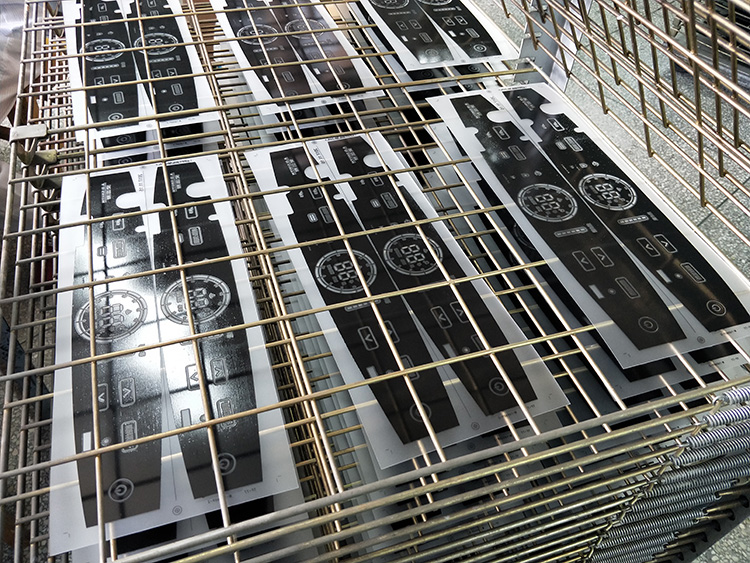
overlay graphic design
Overlay graphic design represents a sophisticated visual technique that layers multiple design elements to create depth, dimension, and visual interest in digital and print media. This design approach combines transparent or semi-transparent graphics with background images or solid colors, producing professional results that capture audience attention. Overlay graphic design serves as a fundamental tool in modern visual communication, allowing designers to enhance readability, emphasize key messages, and create cohesive brand identities.
The primary function of overlay graphic design is to improve visual hierarchy and information presentation. By strategically placing overlaid elements, designers guide viewers' eyes toward important content while maintaining aesthetic appeal. Overlay graphic design employs various technological features including layer masking, opacity adjustments, blend modes, and color grading tools available in professional design software. These technologies enable precise control over how elements interact and appear to viewers.
Applications of overlay graphic design extend across multiple industries and mediums. Social media graphics, website headers, marketing materials, and promotional videos all benefit from this technique. Overlay graphic design proves particularly valuable for creating attention-grabbing thumbnails, enhancing product photography, and designing compelling advertisements. The versatility of overlay graphic design makes it essential for photographers, marketing professionals, web designers, and content creators seeking to produce polished, professional-quality visuals that stand out in competitive digital environments.
 EN
EN