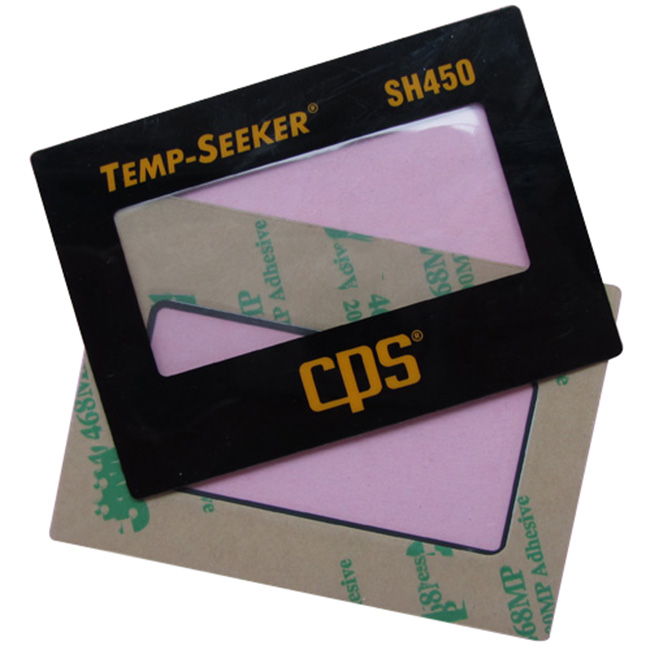
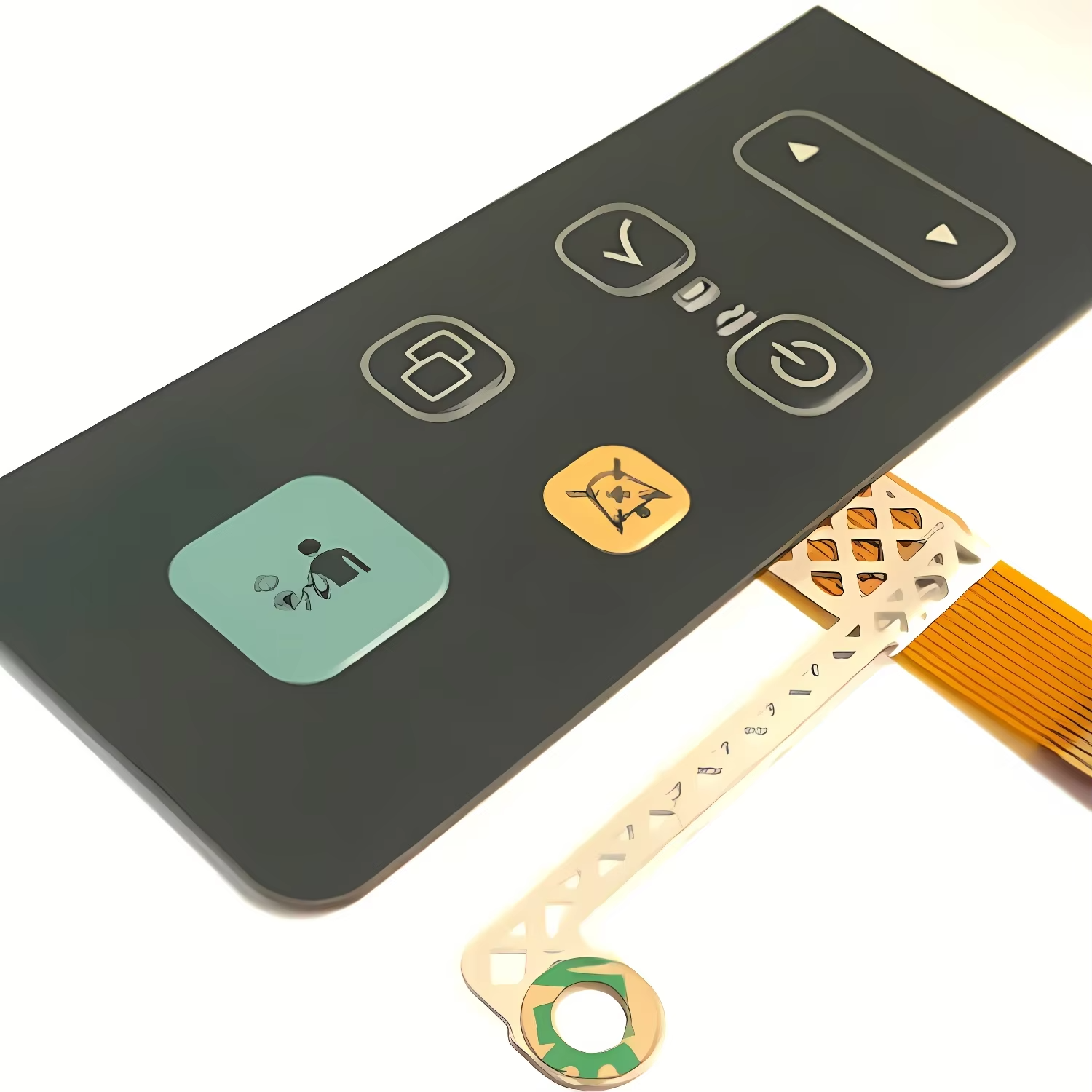
custom graphic overlay
A custom graphic overlay represents a versatile digital tool that enhances visual presentations by layering customized graphics onto existing content. This innovative solution allows businesses, designers, and content creators to transform static images and videos into dynamic, branded experiences. The custom graphic overlay functions as a bridge between raw visual content and professional-grade presentations.
Technologically, a custom graphic overlay operates through sophisticated layering algorithms that seamlessly blend graphics with background elements while maintaining image quality and clarity. Modern custom graphic overlay systems support multiple file formats, including PNG, SVG, and motion graphics, enabling flexibility across different platforms and devices. The technology incorporates advanced rendering engines that process graphics in real-time, delivering instant previews and adjustments without requiring extensive technical expertise.
Applications for custom graphic overlay span numerous industries and use cases. Marketing professionals leverage this technology to add logos, watermarks, and promotional elements to campaign materials. Video producers incorporate custom graphic overlay solutions to embed lower thirds, transitions, and animated text sequences into video content. E-commerce businesses utilize custom graphic overlay features to display pricing information, product labels, and special promotional badges on product photography.
Educational institutions and training centers employ custom graphic overlay tools to annotate instructional materials and enhance learning content. Live streaming professionals integrate custom graphic overlay capabilities to create engaging broadcasts with real-time graphics, scorecards, and viewer information. The adaptability of custom graphic overlay technology makes it suitable for social media content creation, broadcast television, digital advertising, and interactive web experiences. Understanding how a custom graphic overlay functions enables organizations to maximize their visual communication strategies effectively.
 EN
EN