 EN
EN

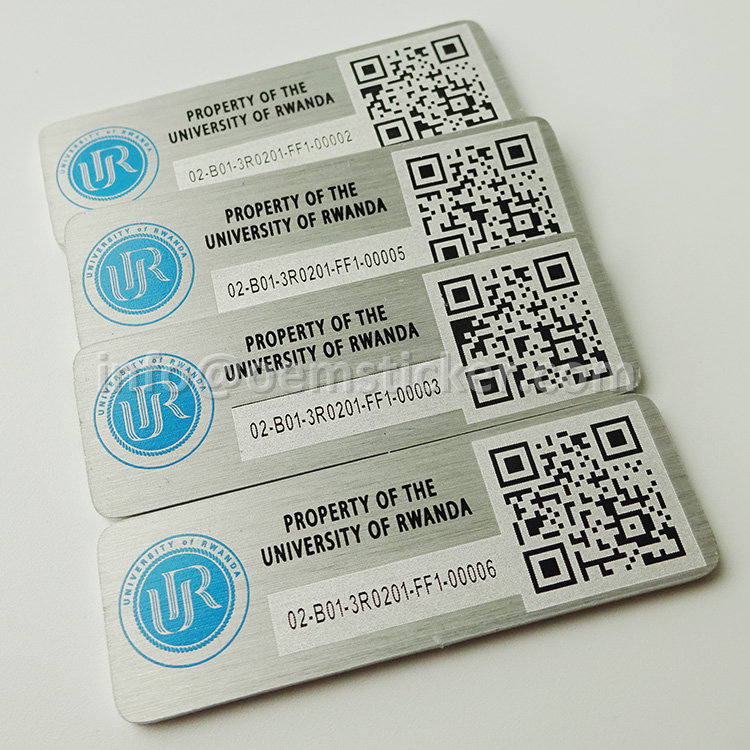
A metal nameplate is one of those industrial components that quietly does an enormous amount of work. Found on machinery, equipment panels, electrical enclosures, vehicles, and consumer products alike, a metal nameplate serves as a permanent, durable carrier of critical identification and instructional information. Whether it displays a serial number, a brand logo, a safety warning, or a regulatory compliance mark, this small piece of formed metal plays a foundational role in product traceability, operator safety, and brand communication across virtually every manufacturing sector.
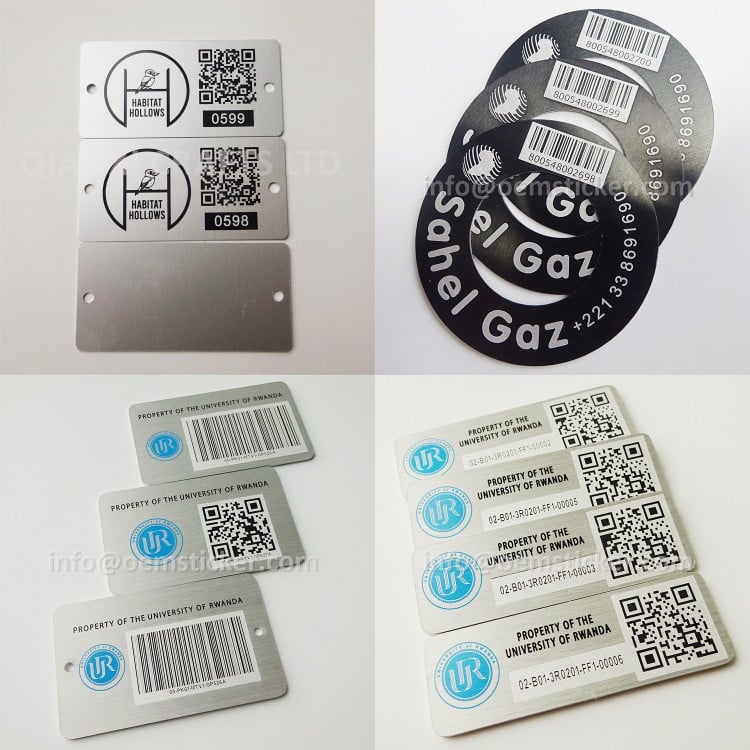
Understanding what a metal nameplate actually is and how it functions in real-world applications helps engineers, procurement managers, and product designers make better decisions about specification, material selection, and attachment methods. This article breaks down the definition, construction, working principles, and practical applications of the metal nameplate so you can evaluate it with confidence for your next project.
Defining the Metal Nameplate
Core Definition and Purpose
A metal nameplate is a flat or formed piece of metal — most commonly aluminium, stainless steel, brass, or zinc alloy — that has been processed to carry permanent text, symbols, graphics, or a combination of all three. Its primary function is identification: it tells the viewer what a product is, who made it, what its specifications are, and sometimes how to use or handle it safely. Unlike paper labels or plastic overlays, a metal nameplate is engineered to remain legible and intact across the full service life of the product it is attached to.
The term 'nameplate' can sometimes be used loosely to describe any identification label, but in industrial and manufacturing contexts it specifically refers to a metal substrate that has been fabricated and marked through a defined production process. This distinction matters because the material and process choices directly determine how well the metal nameplate performs under heat, chemical exposure, mechanical abrasion, and outdoor weathering.
From a regulatory standpoint, many industries require a metal nameplate to be permanently affixed to equipment as part of compliance with standards such as CE marking, UL listing, or ISO certification requirements. The durability of metal makes it the preferred substrate when the identification must survive for years or even decades without fading, peeling, or becoming unreadable.
Common Materials Used
Aluminium is by far the most widely used material for a metal nameplate because it offers an excellent balance of light weight, corrosion resistance, machinability, and cost. Anodized aluminium in particular provides a hard, porous surface layer that accepts dyes and inks deeply, resulting in markings that are highly resistant to abrasion and UV degradation. This makes anodized aluminium nameplates a standard choice for outdoor equipment, aerospace components, and consumer electronics.
Stainless steel is chosen when the metal nameplate must withstand more aggressive environments, including high-temperature applications, chemical processing facilities, marine installations, and food-grade equipment. Its inherent corrosion resistance and surface hardness make it suitable for situations where aluminium would corrode or deform. Brass is used less frequently today but remains popular for decorative or heritage applications where a premium aesthetic is required alongside reasonable durability.
Zinc alloy and other die-cast metals are sometimes used when the metal nameplate needs to be three-dimensional or embossed with significant depth, such as on automotive trim or high-end appliance branding. Each material brings its own set of mechanical properties, surface treatment options, and cost implications, so material selection is always driven by the specific performance requirements of the application.
How a Metal Nameplate Is Manufactured
Substrate Preparation and Forming
The manufacturing process for a metal nameplate begins with selecting and preparing the base metal sheet or coil. For aluminium nameplates, the sheet is typically anodized before or after forming, depending on the design requirements. Anodizing creates a controlled oxide layer on the aluminium surface that improves hardness, adhesion, and corrosion resistance. The thickness of this anodized layer is carefully controlled because it affects both the visual quality and the durability of the finished metal nameplate.
Forming operations may include blanking, which cuts the sheet to the required outer dimensions; punching, which creates mounting holes or cutouts; and bending or embossing, which adds three-dimensional features. CNC punching and laser cutting are both used in modern production, with laser cutting offering greater precision for complex shapes and fine detail. The choice between these methods depends on production volume, dimensional tolerances, and the complexity of the metal nameplate design.
For stainless steel nameplates, the forming process is broadly similar but requires tooling and equipment capable of handling a harder, less ductile material. Laser cutting is particularly well-suited to stainless steel because it produces clean edges without the burring that can occur with mechanical punching on harder alloys.
Marking and Printing Techniques
Once the substrate is formed, the metal nameplate receives its markings through one of several processes. Screen printing is a traditional and cost-effective method for applying inks to flat metal surfaces, suitable for moderate production volumes and designs with limited color complexity. The ink is forced through a mesh screen onto the metal surface and then cured, typically with UV light or heat, to achieve adhesion and durability.
Digital printing has become increasingly common for metal nameplate production because it allows full-color, photographic-quality graphics without the need for screen setup costs. This makes it economical for short runs and highly customized designs. However, the ink layer sits on top of the metal surface, so the abrasion resistance of digitally printed nameplates depends heavily on the quality of the topcoat applied over the printed image.
Laser engraving and laser etching are used when the metal nameplate must carry markings that are physically part of the metal surface rather than sitting on top of it. Laser engraving removes material to create recessed text or graphics, while laser etching modifies the surface reflectivity without significant material removal. Both methods produce markings that cannot be rubbed off, making them the preferred choice for serial numbers, compliance marks, and safety-critical information on a metal nameplate intended for harsh environments.
Surface Finishing and Protection
After marking, most metal nameplate products receive a surface finish or protective coating. Clear lacquer or polyester overlaminates are applied to protect printed surfaces from abrasion, chemicals, and moisture. For anodized aluminium nameplates, a sealing step closes the pores of the anodized layer after dyeing, locking in color and improving corrosion resistance without adding a visible coating layer.
Powder coating and liquid paint finishes are used when the metal nameplate requires a specific background color that cannot be achieved through anodizing alone. These coatings add a layer of protection while also providing the visual foundation for subsequent printing or engraving. The choice of finish has a direct impact on the long-term appearance and performance of the metal nameplate in its intended environment.
How a Metal Nameplate Works in Practice
Information Delivery and Traceability
The working function of a metal nameplate is fundamentally about reliable information delivery over time. When a technician inspects a piece of industrial equipment years after installation, the metal nameplate must still clearly display the model number, serial number, voltage rating, and manufacturer details. This information is essential for ordering replacement parts, scheduling maintenance, verifying compliance, and diagnosing faults. A metal nameplate that has faded, corroded, or detached fails this function entirely, which is why material and process selection are so critical.
In supply chain and quality management contexts, the metal nameplate is often the primary physical link between a product and its documentation. Barcode or QR code data encoded on a metal nameplate can be scanned to retrieve full product histories, calibration records, and warranty information from digital systems. This integration of physical identification with digital traceability is increasingly important in industries such as aerospace, medical devices, and industrial automation, where component-level traceability is a regulatory requirement.
The permanence of a metal nameplate is what makes it work in this role. Unlike a paper label that can be damaged by moisture or a plastic overlay that can peel under heat, a properly specified metal nameplate maintains its readability and adhesion across the full operational life of the equipment it identifies.
Attachment Methods and Mechanical Integration
A metal nameplate is attached to its host product through one of several methods, each suited to different application requirements. Pressure-sensitive adhesive backing is the most common attachment method for flat surfaces, offering clean installation without fasteners and sufficient holding strength for most indoor and light industrial applications. The adhesive system must be matched to the surface material and the expected temperature range to ensure long-term bond integrity.
Mechanical fastening using rivets, screws, or bolts is used when the metal nameplate must remain securely attached under vibration, thermal cycling, or physical impact. This is standard practice for heavy machinery, transportation equipment, and outdoor installations where adhesive alone may not provide sufficient reliability. Mounting holes are punched or drilled into the metal nameplate during fabrication to accommodate the chosen fastener type.
Welding and brazing are used in specialized applications where the metal nameplate must be permanently integrated into a metal structure, such as on pipelines, pressure vessels, or structural steel components. In these cases, the metal nameplate becomes part of the assembly itself rather than a surface-applied component, providing the highest possible level of attachment permanence.
Applications Across Industries
Industrial Equipment and Machinery
The metal nameplate is a standard component on virtually all categories of industrial equipment. Pumps, motors, compressors, conveyors, and machine tools all carry metal nameplates that display electrical ratings, mechanical specifications, safety warnings, and compliance certifications. These nameplates must withstand the operating environment of the equipment, which may include oil, coolant, cleaning chemicals, elevated temperatures, and continuous vibration.
In manufacturing facilities, the metal nameplate also plays a role in asset management. Fixed asset tags made from aluminium or stainless steel carry barcode or RFID data that links physical equipment to enterprise asset management systems. The durability of the metal nameplate ensures that asset identification remains intact even in demanding factory environments where paper or plastic tags would quickly deteriorate.
Electronics, Appliances, and Consumer Products
Consumer electronics and home appliances use the metal nameplate primarily for branding and regulatory compliance. The brushed aluminium badge on a premium appliance or the anodized logo plate on a laptop communicates quality and brand identity while also carrying the model and serial number required for warranty and service purposes. In this context, the aesthetic quality of the metal nameplate is as important as its functional durability.
Regulatory compliance labels on electrical appliances — displaying voltage ratings, frequency, power consumption, and certification marks — are frequently produced as metal nameplates because the permanence of the marking is required by product safety standards. A metal nameplate in this application must remain legible for the full service life of the appliance, which may be ten years or more in a domestic environment.
Automotive and transportation applications represent another major category, where the metal nameplate appears as VIN plates, engine specification tags, emission compliance labels, and interior trim badges. The combination of aesthetic quality and long-term durability that a metal nameplate provides makes it the preferred identification solution across all of these use cases.
FAQ
What materials are most commonly used to make a metal nameplate?
Aluminium and stainless steel are the two most widely used materials for a metal nameplate. Aluminium is preferred for its light weight, ease of fabrication, and excellent anodizing properties, while stainless steel is chosen for applications requiring higher corrosion resistance or elevated temperature performance. Brass and zinc alloy are used in specific decorative or die-cast applications.
How is information permanently marked on a metal nameplate?
Information is applied to a metal nameplate through several methods including screen printing, digital printing, laser engraving, laser etching, and chemical etching. Laser engraving and chemical etching produce markings that are physically part of the metal surface and cannot be rubbed off, making them the most durable options for safety-critical or compliance-related information.
How is a metal nameplate attached to equipment?
The three main attachment methods for a metal nameplate are pressure-sensitive adhesive, mechanical fasteners such as rivets or screws, and welding or brazing. Adhesive backing is suitable for most standard applications, while mechanical fastening is used where vibration or impact resistance is required. Welding is reserved for permanent integration into metal structures such as pipelines or pressure vessels.
How long does a metal nameplate typically last?
A properly specified metal nameplate can last for the full operational life of the equipment it is attached to, which in industrial applications may be twenty years or more. The actual service life depends on the material chosen, the marking method used, the surface protection applied, and the severity of the operating environment. Anodized aluminium and laser-engraved stainless steel nameplates consistently deliver the longest service life in demanding conditions.