 EN
EN

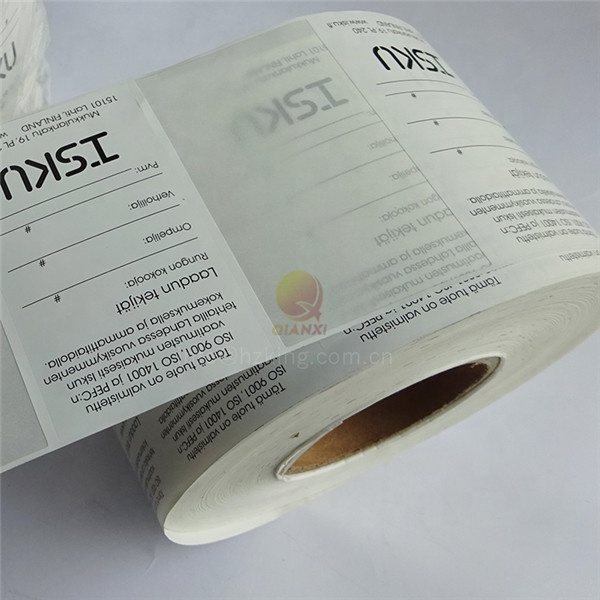
Metal asset tags are essential components in industrial environments, providing critical identification, traceability, and compliance documentation for equipment, machinery, and infrastructure. Organizations across manufacturing, utilities, healthcare, and heavy industries rely on metal asset tags to maintain regulatory compliance, support safety protocols, and enable efficient asset management. Understanding how metal asset tags meet safety standards is crucial for facility managers, compliance officers, and procurement professionals who must ensure their operations align with evolving industry regulations.
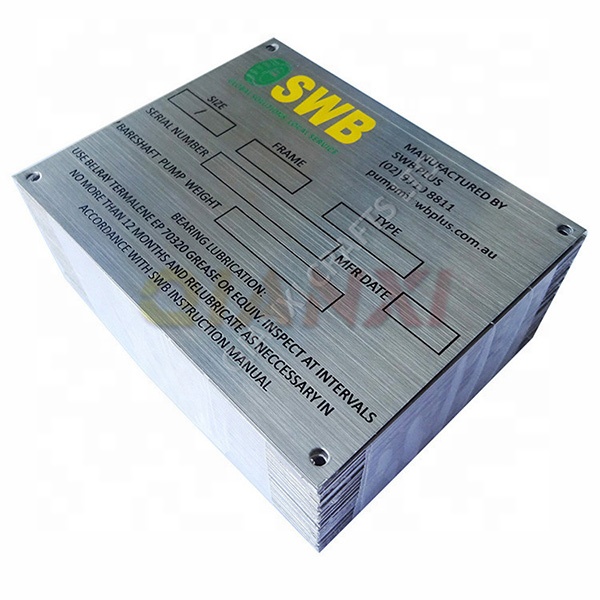
The compliance landscape for asset identification has become increasingly stringent, with regulatory bodies worldwide establishing specific requirements for how equipment must be labeled, tracked, and documented throughout its operational lifecycle. Metal asset tags satisfy these requirements because they provide permanent, tamper-resistant identification that withstands harsh industrial conditions while maintaining legibility and data integrity. This article explores the critical role metal asset tags play in meeting safety compliance standards and how they support organizational risk management across diverse industry sectors.
Regulatory Framework and Metal Asset Tags Compliance Requirements
Understanding Industry Safety Standards for Metal Asset Tags
Metal asset tags comply with multiple layers of regulatory frameworks depending on the industry and application. OSHA regulations in the United States require clear equipment identification for safety-critical systems, and metal asset tags fulfill this mandate by providing permanent, legible labeling that cannot be easily removed or obscured. Similarly, ISO standards, including ISO 1749 and ISO 16684, establish specifications for durable asset identification materials, and high-quality metal asset tags meet these international benchmarks. Pharmaceutical manufacturers, medical device producers, and food processing facilities rely on metal asset tags to satisfy FDA traceability requirements, while electrical equipment manufacturers must use metal asset tags to comply with NEC (National Electrical Code) labeling standards.
The chemical industry benefits from metal asset tags that meet ANSI Z535 standards for chemical identification and hazard communication. Utility companies deploying metal asset tags across power distribution networks align with NERC (North American Electric Reliability Corporation) standards, which mandate rigorous asset tracking and maintenance documentation. These regulatory frameworks collectively demonstrate that metal asset tags are not merely administrative tools but essential compliance instruments that protect worker safety, enable regulatory audits, and support legal defensibility during incidents or inspections.
Specific Compliance Mandates for Asset Identification
Metal asset tags must meet specific technical compliance mandates that distinguish them from generic labeling solutions. Permanence is a critical requirement; metal asset tags must resist fading, corrosion, and degradation under environmental stress including temperature extremes, humidity, chemical exposure, and UV radiation. Readability standards mandate that metal asset tags maintain legible information throughout the asset's lifecycle, supporting both human inspection and barcode or QR code scanning protocols. Traceability requirements demand that metal asset tags include unique identifiers linking to centralized databases, enabling auditors to reconstruct asset histories and verify maintenance compliance. Fire-rated environments, cold storage facilities, and outdoor industrial zones all impose distinct technical demands that properly manufactured metal asset tags are engineered to withstand.
Data accuracy standards require that information engraved on metal asset tags remains unchanged once applied, preventing transcription errors or unauthorized modifications. This immutability is particularly critical in aerospace manufacturing, where metal asset tags support FAA traceability requirements, and in pharmaceutical production, where metal asset tags documentation directly supports product recall protocols. Organizations implementing metal asset tags for compliance purposes must verify that their manufacturers meet ISO 9001 quality management standards and can provide certification demonstrating material composition, manufacturing processes, and durability testing results.
Technical Durability and Compliance Integrity of Metal Asset Tags
Material Science Behind Compliant Metal Asset Tags
The material composition of metal asset tags directly determines their ability to meet compliance requirements across diverse industrial environments. Stainless steel metal asset tags offer superior corrosion resistance, making them ideal for offshore installations, marine applications, and chemical processing facilities where saltwater exposure or corrosive atmospheres would degrade alternative materials. Aluminum metal asset tags provide lightweight durability for aerospace and transportation applications while maintaining legibility in high-temperature environments. Brass or nickel metal asset tags offer excellent chemical resistance for laboratory and medical equipment, supporting healthcare facility compliance requirements. The selection of appropriate material for specific metal asset tags applications is itself a compliance decision, as using substandard materials could render metal asset tags ineffective and expose organizations to regulatory penalties.
Engraving technology applied to metal asset tags ensures permanent marking that cannot be altered or removed without visible damage, meeting immutability standards required by regulatory auditors. Laser engraving, machine engraving, and chemical etching each produce different surface characteristics, and compliance-grade metal asset tags typically employ technologies that create deep, permanent marks resistant to mechanical abrasion. Surface treatments applied to metal asset tags, including powder coating or anodizing, must not compromise legibility or data integrity, requiring manufacturers to balance protective coatings with readability preservation. Organizations selecting metal asset tags should verify that their chosen products undergo accelerated life testing simulating decades of environmental exposure, demonstrating that engraved information remains legible beyond the expected asset lifespan.
Performance Testing and Compliance Certification
Metal asset tags meeting safety compliance standards must pass rigorous performance testing protocols before deployment. Salt spray testing, conducted per ASTM B117 standards, verifies that metal asset tags maintain material integrity and mark legibility after 1000+ hours of accelerated corrosion exposure. Temperature cycling tests confirm that metal asset tags function correctly across operating ranges from minus 40 degrees to plus 150 degrees Fahrenheit or beyond, depending on application requirements. UV exposure testing ensures that engraved information on metal asset tags remains legible after extended outdoor sun exposure, critical for mining, agriculture, and renewable energy applications. Adhesion strength testing verifies that metal asset tags remain firmly attached to equipment through vibration, thermal cycling, and mechanical shock, conditions common in manufacturing and transportation sectors.
Impact resistance testing ensures that metal asset tags can withstand mechanical damage without losing data integrity or becoming a safety hazard through sharp edges or delamination. Chemical immersion testing validates that metal asset tags exposed to solvents, oils, cleaning compounds, and process chemicals used in specific industries maintain functionality and legibility. Compliance documentation for metal asset tags should include third-party test reports verifying these performance standards, providing organizations with the evidence necessary to demonstrate due diligence during regulatory audits. Manufacturers of compliant metal asset tags typically maintain ISO 17025 accreditation for their testing facilities, ensuring that performance validation meets internationally recognized standards.
Implementation and Traceability Requirements
Asset Tracking Systems Using Metal Asset Tags
Metal asset tags function as foundational components within broader asset management and traceability systems required by modern safety compliance frameworks. When integrated with RFID technology or barcode systems, metal asset tags enable automated asset tracking that maintains audit trails documenting equipment location, maintenance history, and ownership throughout operational lifecycles. This digital integration supports regulatory requirements for predictive maintenance, equipment calibration verification, and safety-critical system oversight. Organizations implementing metal asset tags within comprehensive asset management systems achieve dual compliance benefits: the physical permanence of metal asset tags satisfies identification requirements, while associated digital records satisfy documentation and traceability mandates.
The combination of Metal Asset Tags with enterprise software systems creates accountability chains essential for high-risk industries. Hospitals using metal asset tags on life-support equipment can generate maintenance schedules automatically, reducing human error in critical device servicing. Manufacturing facilities deploying metal asset tags across assembly lines can track component traceability for product liability documentation and quality assurance verification. Utility companies managing metal asset tags on power infrastructure can coordinate emergency response protocols and coordinate preventive maintenance across geographic regions, directly supporting operational safety and regulatory compliance.
Regulatory Documentation and Metal Asset Tags Integration
Organizations must integrate metal asset tags into their regulatory documentation systems to fully satisfy compliance requirements. Each metal asset tag deployment should be recorded in facility databases, including installation dates, equipment location, responsible personnel, and maintenance schedules. This documentation demonstrates organizational intent to maintain compliance and provides evidence of systematic oversight during regulatory inspections. When auditors review metal asset tags on-site and cross-reference them against documented records, consistent information proves that organizations maintain active compliance management rather than merely labeling equipment in isolation.
Compliance documentation for metal asset tags should include manufacturer specifications, material certifications, performance test results, installation procedures, and maintenance protocols. When regulatory bodies conduct inspections, organizations can present this comprehensive documentation alongside the physical metal asset tags present on equipment, demonstrating a coordinated compliance approach. Some regulated industries require that metal asset tags remain in place for extended periods after equipment retirement, supporting historical record-keeping and liability protection. Organizations implementing metal asset tags systems must establish document retention schedules aligned with regulatory requirements, typically ranging from 5 to 30 years depending on industry-specific rules.
FAQ
Why are metal asset tags necessary for safety compliance?
Metal asset tags provide permanent, tamper-resistant equipment identification that regulatory agencies require for safety documentation, equipment traceability, and maintenance verification. Unlike temporary labels that degrade or fall off in harsh industrial environments, metal asset tags maintain legible information throughout equipment lifecycles, supporting both human inspections and automated tracking systems. Regulatory frameworks across manufacturing, healthcare, utilities, and other industries specifically mandate that critical equipment display durable identification, making metal asset tags essential compliance infrastructure rather than optional convenience items.
What performance standards must metal asset tags meet?
Metal asset tags must satisfy performance standards including ASTM B117 salt spray corrosion resistance, ISO traceability requirements, temperature cycling functionality across operational ranges, and UV exposure legibility preservation. Third-party testing organizations verify that metal asset tags remain physically intact and informationally legible after extended environmental exposure, and manufacturers should provide certification documents demonstrating compliance with these standards. Organizations should request performance test results and ISO certifications before purchasing metal asset tags to ensure they meet specific industry compliance requirements.
How do metal asset tags support audit compliance?
Metal asset tags create permanent identification that auditors can physically verify on-site and cross-reference against documented records, demonstrating organized asset management and regulatory compliance. When metal asset tags are integrated with digital asset tracking systems, organizations can generate comprehensive reports showing equipment location, maintenance history, and responsible personnel, providing auditors with evidence of systematic compliance oversight. The combination of physical metal asset tags and supporting documentation creates defensible compliance records that satisfy regulatory agencies and support organizational liability protection during incidents or investigations.