 EN
EN

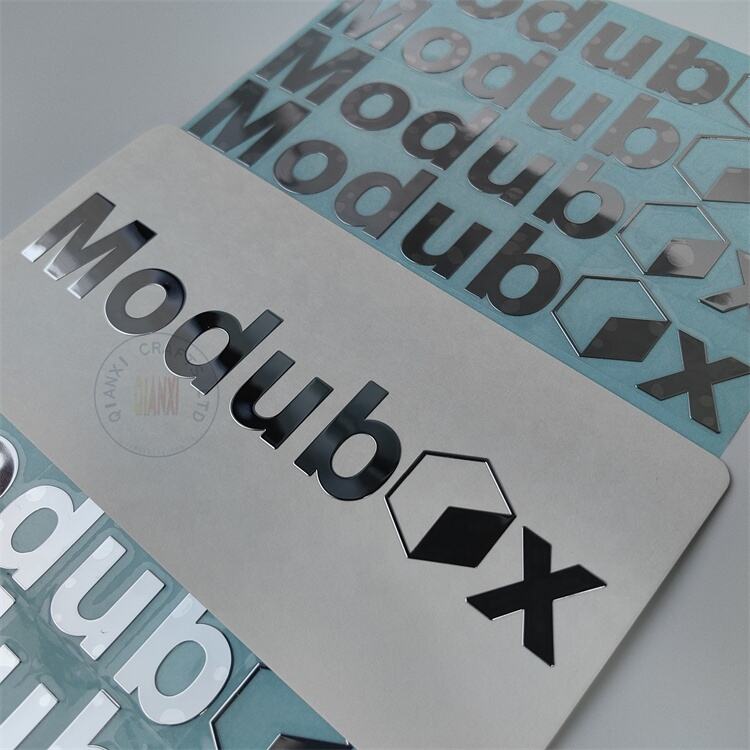
Metallic stickers are a popular choice across industries for product branding, asset identification, and decorative labeling. Their lustrous, reflective surfaces create a premium look that instantly elevates the perceived value of any product or surface they are applied to. However, many buyers and product managers eventually notice that these high-end labels can lose their brilliance over time — a problem that carries real consequences for brand perception and product durability.
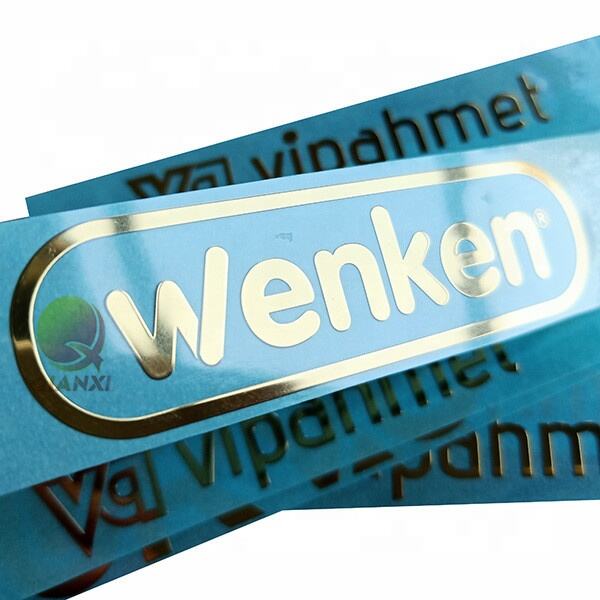
Understanding why metallic stickers fade is the first step toward preventing it. Fading is rarely the result of a single cause — it is usually the combined outcome of material choices, environmental exposure, application conditions, and post-application care. This article breaks down the root causes of fading in metallic stickers and provides actionable guidance to preserve their finish and lifespan for as long as possible.
The Science Behind Metallic Sticker Fading
What Makes Metallic Finishes Vulnerable
The reflective brilliance of metallic stickers comes from their layered construction. Most consist of a metallic film or electroformed metal layer — often aluminum, nickel, or chrome-effect polyester — combined with adhesive backing and a protective topcoat. The visual effect depends on how light interacts with these layers, which means any disruption to the surface or internal structure directly affects appearance.
Unlike plain printed labels, metallic stickers are sensitive to oxidation. When the metallic layer is exposed to air and moisture — even at trace levels — oxidation gradually dulls the reflective surface. This is especially true for labels that lack a sealed, robust topcoat or those produced using lower-grade metallic films that are thin and porous.
The adhesive layer also plays a role. If the adhesive is not chemically compatible with the metallic film, it can cause delamination or micro-bubbling over time, which scatters light and creates a hazy, faded appearance even before the surface is chemically degraded. Material quality at every layer matters significantly when durability is the goal.
UV Exposure and Photodegradation
Ultraviolet radiation is one of the most aggressive enemies of metallic stickers. Prolonged UV exposure breaks down the polymer binders in the topcoat and can bleach or discolor the pigments used in colored metallic variants. Even silver and gold-effect labels lose their sharpness under sustained sunlight because the clear overlaminate degrades and turns yellowed or milky.
For outdoor applications — such as equipment badges, vehicle decals, or exterior brand plates — UV-induced fading can begin within weeks if the sticker is not rated for outdoor use. Industrial environments that involve both UV exposure and chemical contact accelerate this degradation significantly. Choosing metallic stickers with UV-resistant coatings is therefore not optional for outdoor or mixed-environment use — it is a fundamental specification requirement.
Environmental and Chemical Causes of Fading
Humidity, Heat, and Thermal Cycling
Heat and humidity are persistent threats to metallic stickers in industrial and commercial settings. High humidity promotes oxidation of the metallic layer, particularly in labels applied to metal substrates where galvanic reactions can develop between dissimilar metals. Even in indoor environments, proximity to steam, water vapor, or temperature fluctuations creates conditions where the label begins to lose adhesion and optical clarity.
Thermal cycling — the repeated expansion and contraction of a surface due to temperature changes — puts mechanical stress on the sticker's layers. Over many cycles, this stress causes micro-cracking in the topcoat and can lift the edges of the label, allowing moisture and contaminants to penetrate beneath the surface. Once moisture gets under a metallic sticker, the metallic layer corrodes and fading becomes irreversible.
Products used in automotive, HVAC, industrial machinery, or outdoor signage environments are particularly prone to thermal cycling damage. For these use cases, metallic stickers must be specified with a flexible adhesive system and a topcoat capable of withstanding the relevant temperature range without cracking or delamination.
Chemical Contact and Cleaning Agents
In manufacturing, food processing, medical, and laboratory settings, metallic stickers are frequently exposed to solvents, cleaning agents, disinfectants, and industrial chemicals. Many standard label topcoats are not resistant to these substances, and a single cleaning cycle with a solvent-based cleaner can strip the protective layer and dull the metallic surface permanently.
Even mild chemicals, such as alcohol-based sanitizers commonly used in healthcare environments, can cause premature clouding of the overlaminate on standard metallic stickers. For applications requiring regular cleaning or chemical exposure, the label specification must explicitly include chemical-resistance testing or use materials such as electroformed nickel that provide inherent corrosion resistance rather than relying solely on topcoat protection.
Abrasion is a related concern. In handling-intensive environments, metallic stickers are rubbed, scratched, or pressed repeatedly. Without a hard topcoat, abrasion physically removes the reflective layer or creates surface scratches that diffuse light and eliminate the mirror-like finish. Specifying a hardcoat overlaminate rated for abrasion resistance is essential in these contexts.
Application Errors That Accelerate Fading
Poor Surface Preparation
Even the highest-quality metallic stickers will fail prematurely if the substrate surface is not properly prepared before application. Oil, dust, residual wax, or surface moisture are invisible to the naked eye but prevent the adhesive from bonding fully to the substrate. Partial adhesion creates voids beneath the label where moisture and air can accumulate, leading to early oxidation and lifting at the edges.
Before applying metallic stickers, surfaces should be cleaned with an appropriate solvent — typically isopropyl alcohol — and allowed to dry completely. On textured or porous surfaces, a primer may be required to ensure a continuous adhesive bond. Taking these steps adds only minutes to the application process but can extend the life of the label by years.
Temperature at the time of application also affects adhesion. Applying metallic stickers in cold conditions reduces the adhesive's ability to flow into surface irregularities, resulting in a weaker bond. Industry best practice recommends applying labels at temperatures above 15°C (59°F) and allowing an appropriate dwell time before exposing the sticker to stress or environmental conditions.
Incorrect Handling and Storage Before Application
Fading can begin before a sticker is ever applied if it is stored incorrectly. Metallic stickers stored in humid conditions, direct sunlight, or extreme temperatures can suffer adhesive degradation, delamination of the metallic film, or partial oxidation before they even reach the application surface. Many procurement teams underestimate the importance of storage conditions for label stock.
Labels should be stored flat, away from direct light, in temperature-controlled environments. Rolls of metallic stickers should not be stored upright, as the weight of the roll can compress and damage the delicate metallic layer in the sheets at the bottom. Shelf life guidance from the manufacturer should always be followed to ensure the adhesive and protective layers remain within their specified performance range.
How to Prevent Metallic Sticker Fading Effectively
Selecting the Right Material Specification
The most effective way to prevent fading in metallic stickers is to choose the right material for the intended environment from the outset. Not all metallic stickers are equal — a decorative label designed for indoor product packaging will fail quickly when used on outdoor industrial equipment. Matching the label specification to the application environment is a non-negotiable step in any serious procurement or design process.
Electroformed nickel labels represent one of the most durable options available for demanding environments. Their structure provides genuine metal thickness, inherent corrosion resistance, and a surface hardness that resists both chemical attack and physical abrasion far better than standard metallic polyester films. For applications where brand consistency and label longevity are critical, upgrading to electroformed metallic stickers eliminates many of the root causes of fading discussed above.
When evaluating metallic stickers, always request specifications that include UV resistance rating, operating temperature range, chemical resistance data, and adhesive type. These parameters allow a direct comparison between the label's rated performance and the demands of the specific application environment.
Topcoat and Overlaminate Strategies
For applications where a standard metallic film sticker must be used, the addition of a protective overlaminate is one of the most cost-effective ways to extend label life. A clear polyester or polycarbonate overlaminate seals the metallic layer from oxygen, moisture, UV radiation, and chemical contact. The right overlaminate can double or triple the functional lifespan of metallic stickers in moderate-exposure environments.
Some manufacturers offer metallic stickers with factory-applied UV-cured topcoats that provide a higher level of protection than field-applied overlaminates. These coatings are bonded at the molecular level to the label surface, creating a uniform barrier without the risk of air entrapment or edge lifting that can occur with post-applied laminates. When sourcing labels for critical applications, asking about factory topcoat options is always worthwhile.
Hardcoat overlaminates rated at 2H or higher pencil hardness offer additional protection against scratching and abrasion. For metallic stickers placed on frequently handled surfaces — such as product nameplates, control panels, or branded consumer goods — this level of surface protection preserves the optical performance of the metallic finish through extended use cycles.
Maintenance and Care Practices After Application
Post-application care has a significant impact on how long metallic stickers retain their finish. Cleaning with harsh chemicals, abrasive cloths, or high-pressure spray should be avoided. Gentle cleaning with a mild soap solution and a soft cloth is typically sufficient for most environments and will not damage a properly specified label.
In environments where chemical cleaning is unavoidable, sourcing metallic stickers that are specifically rated for chemical resistance removes the dependence on operator care. The label performs reliably regardless of cleaning practices, reducing the risk of premature fading due to maintenance procedures.
Periodic inspection of applied metallic stickers is also recommended for mission-critical applications. Checking for edge lifting, micro-cracking, or surface cloudiness at scheduled maintenance intervals allows early intervention — such as reapplication or protective sealing — before full label failure occurs. This proactive approach is especially relevant for industrial asset labels and compliance nameplates where readability must be maintained over long service periods.
FAQ
Why do metallic stickers lose their shine faster outdoors than indoors?
Outdoor environments expose metallic stickers to a combination of UV radiation, moisture, temperature cycling, and airborne contaminants that are largely absent in controlled indoor settings. UV radiation degrades the topcoat and bleaches the metallic layer, while moisture accelerates oxidation. The compounding effect of these factors outdoors makes fading significantly faster than in indoor environments where the sticker is protected from most of these stressors.
Can all types of metallic stickers be protected with an overlaminate?
Most metallic stickers can benefit from an overlaminate, but the compatibility between the overlaminate adhesive and the existing topcoat of the label must be verified first. Applying an overlaminate over a label that already has a low-surface-energy coating can result in poor adhesion and eventual delamination. For best results, consult with the label manufacturer about compatible overlaminate options, or choose labels that come with factory-applied protective coatings.
Are electroformed metallic stickers more resistant to fading than standard metallic film labels?
Yes, electroformed metallic stickers generally offer superior fade resistance because they are made from actual deposited metal — typically nickel — rather than a metallic-appearance film. The metal itself is inherently resistant to UV photodegradation and provides a harder, more chemically resistant surface. This makes electroformed labels a preferred choice for applications requiring long-term appearance retention in harsh or demanding environments.
How does improper storage affect metallic stickers before they are applied?
Improper storage — particularly exposure to high humidity, direct sunlight, or extreme temperatures — can degrade the adhesive, promote oxidation of the metallic layer, and cause delamination of the film structure before the label is ever used. Once these processes begin in storage, the applied label will fade or fail far sooner than its rated lifespan. Storing metallic stickers in cool, dry, dark conditions and using them within the manufacturer's recommended shelf life period is essential to ensuring full performance after application.
Table of Contents
- The Science Behind Metallic Sticker Fading
- Environmental and Chemical Causes of Fading
- Application Errors That Accelerate Fading
- How to Prevent Metallic Sticker Fading Effectively
-
FAQ
- Why do metallic stickers lose their shine faster outdoors than indoors?
- Can all types of metallic stickers be protected with an overlaminate?
- Are electroformed metallic stickers more resistant to fading than standard metallic film labels?
- How does improper storage affect metallic stickers before they are applied?