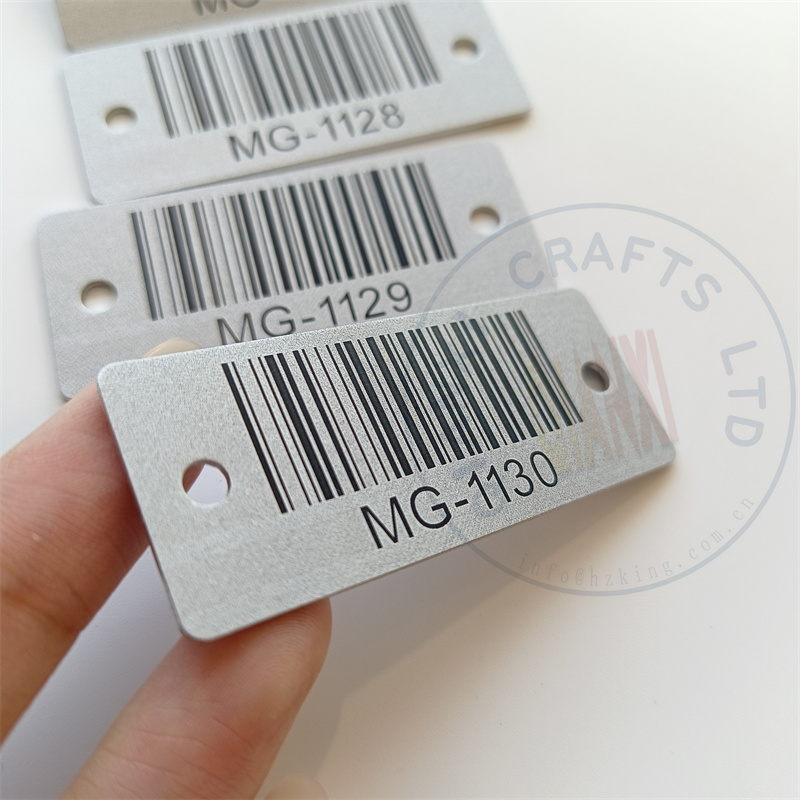
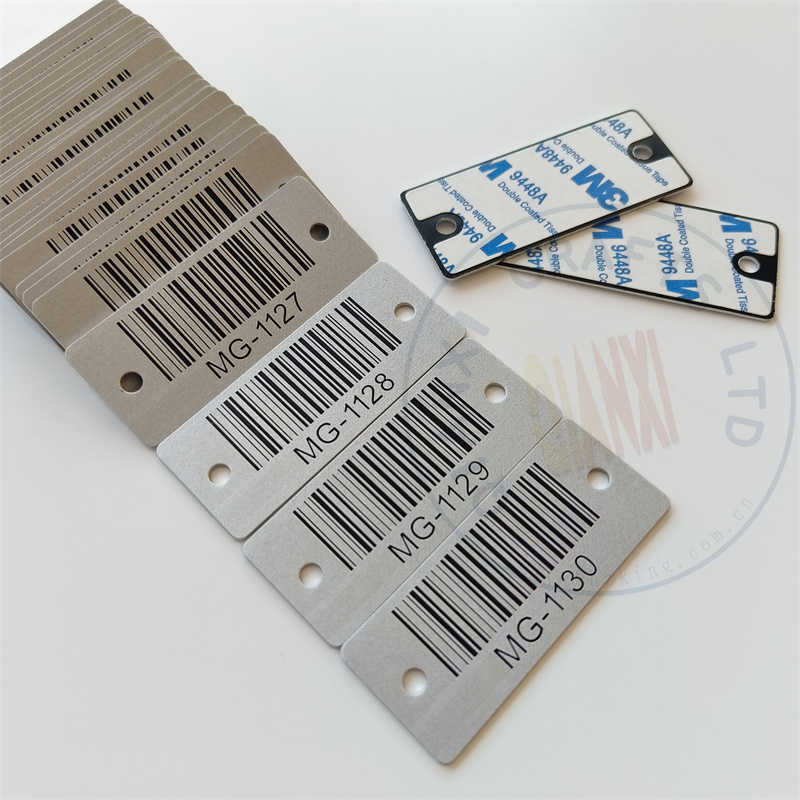
aluminium asset labels
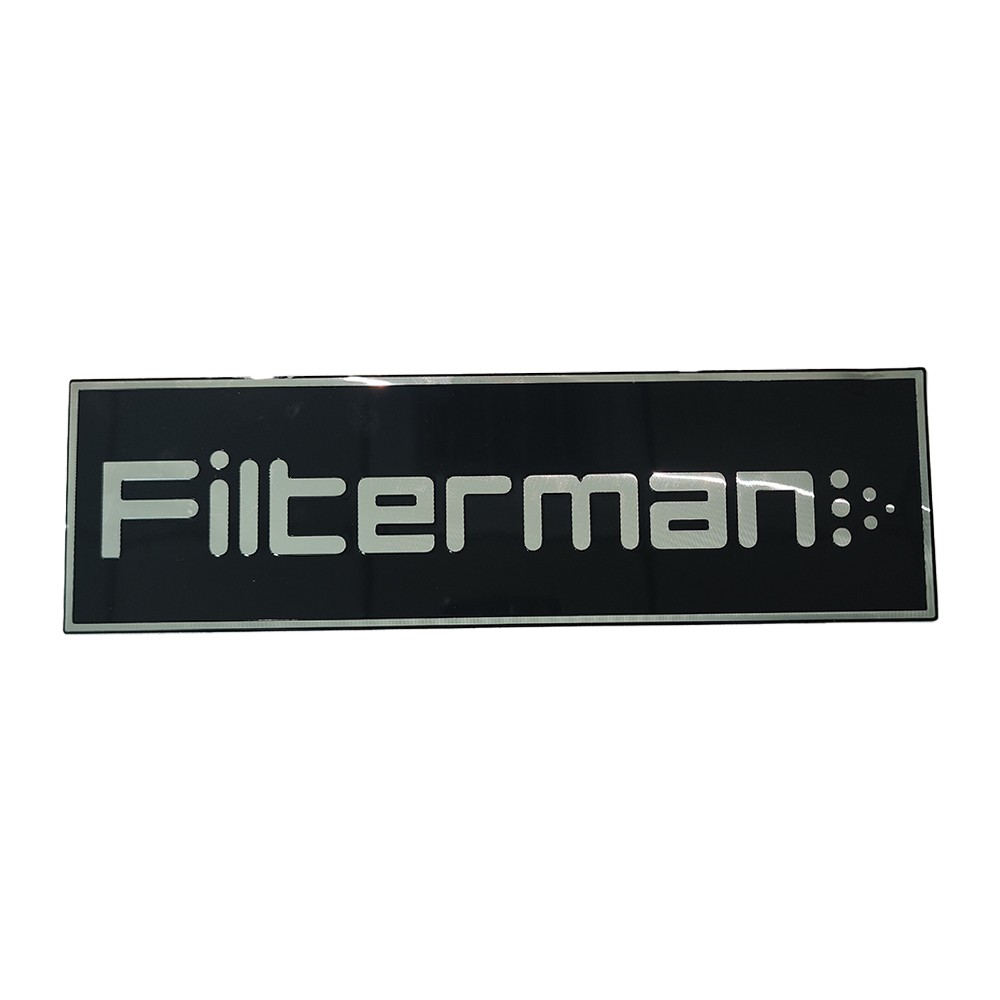
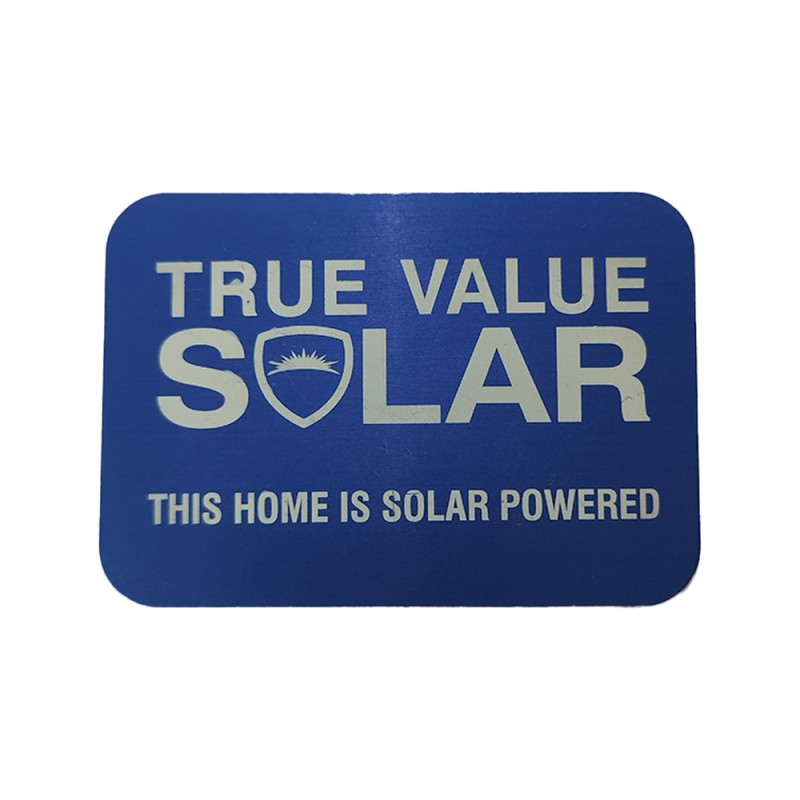
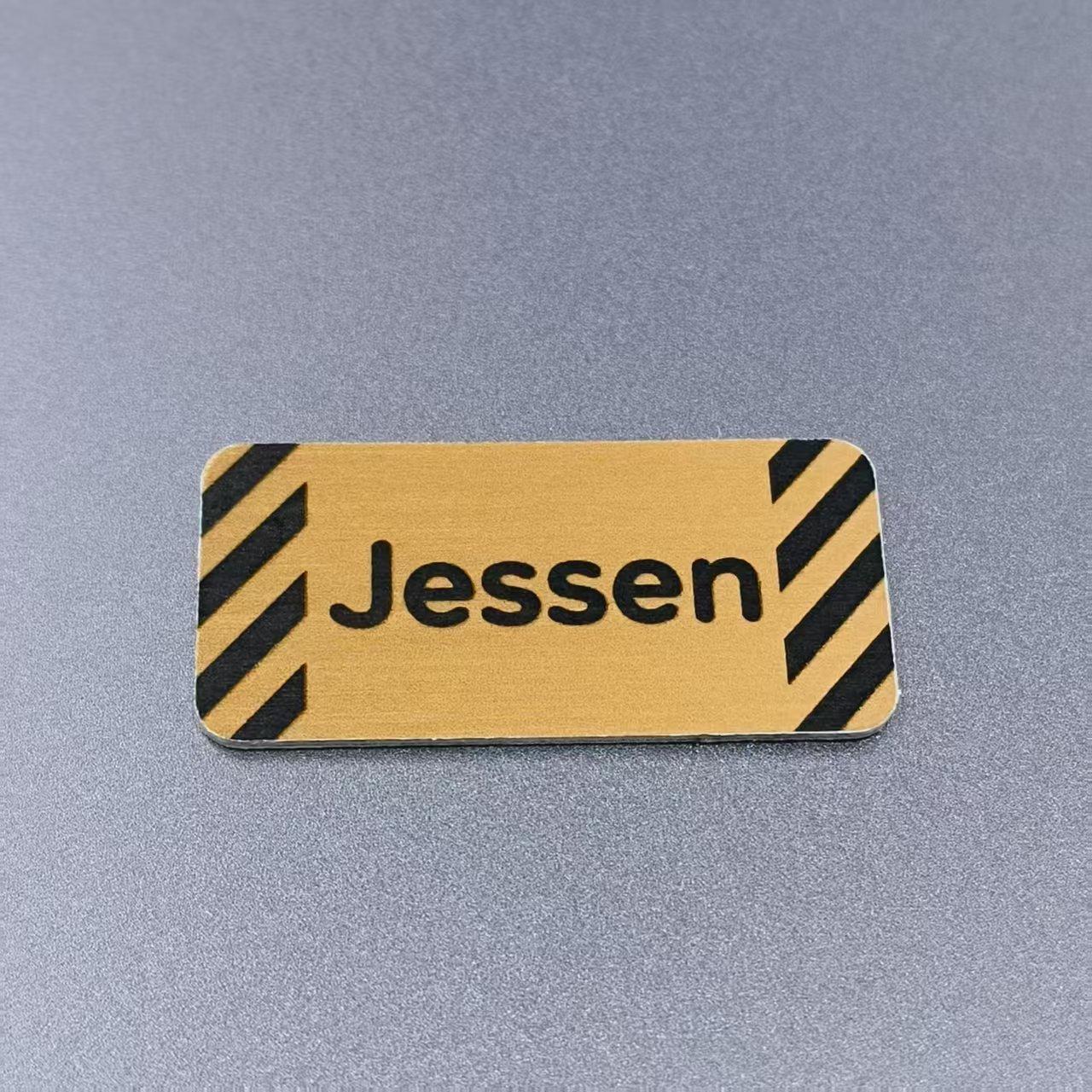
Aluminium asset labels represent a modern solution for tracking and identifying valuable equipment across industries. These durable identification tags combine robust construction with practical functionality, making them essential for asset management systems. Aluminium asset labels are manufactured from lightweight yet sturdy aluminium material, offering superior resistance to environmental stress, moisture, and temperature fluctuations.
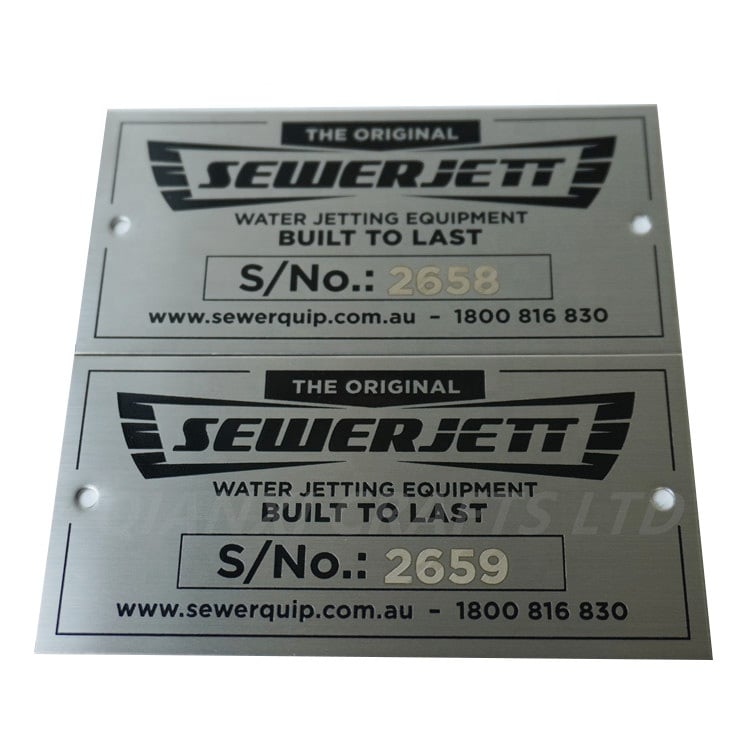
The primary function of aluminium asset labels involves creating permanent identification systems for tracking company equipment, machinery, and inventory items. By affixing aluminium asset labels to assets, organizations establish reliable reference points for monitoring location, maintenance history, and ownership status. These labels feature exceptional durability compared to paper or plastic alternatives, ensuring long-term visibility and readability.
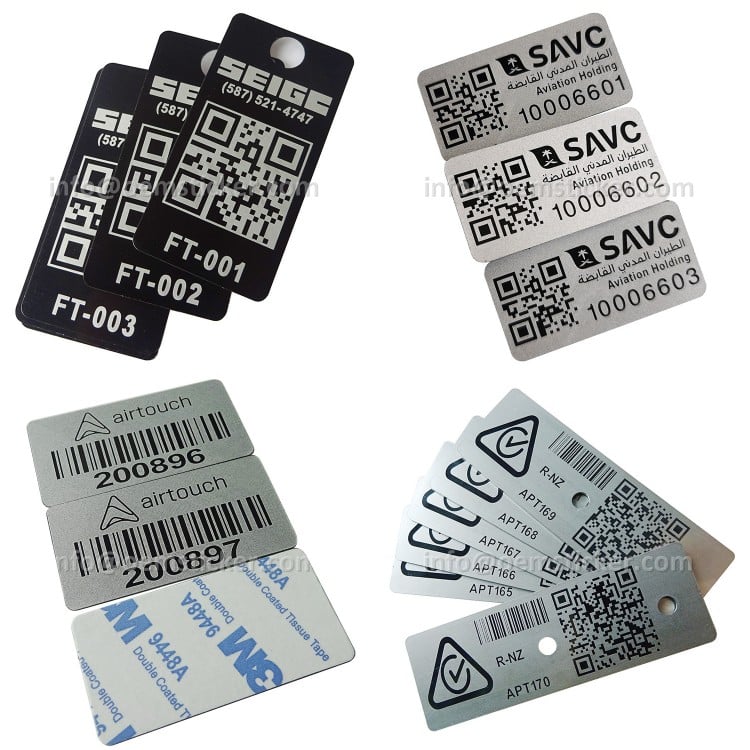
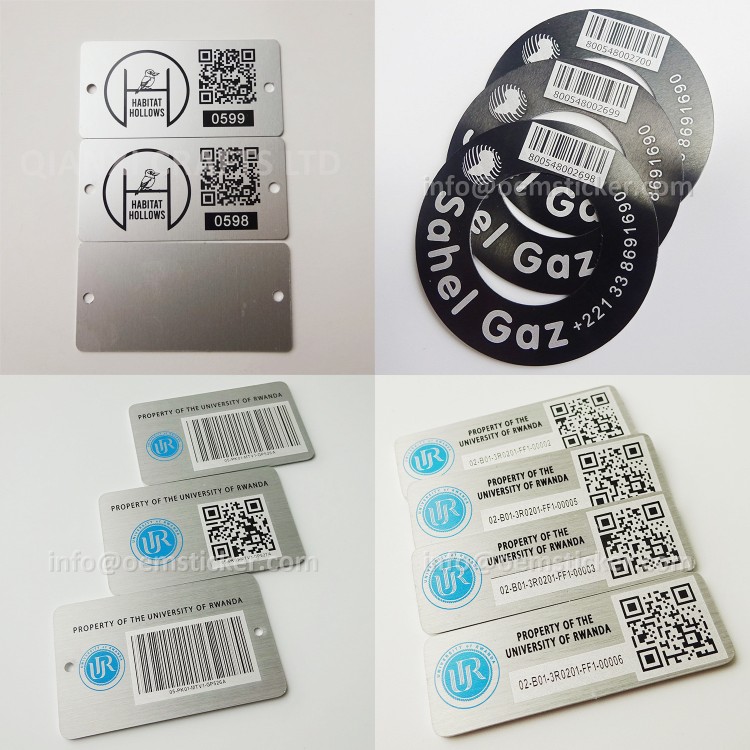
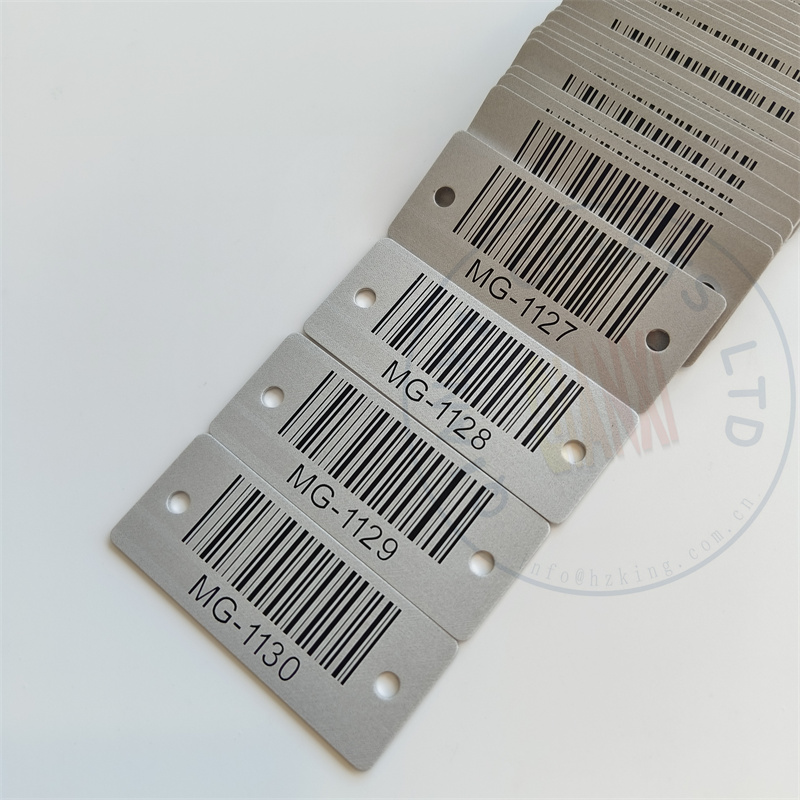
Technologically, aluminium asset labels incorporate various printing methods including laser engraving, anodizing, and high-quality printing processes. These techniques guarantee permanent marking that resists fading, scratching, and chemical exposure. The labels support both barcode and QR code applications, enabling seamless integration with digital asset tracking software and inventory management systems.
Applications for aluminium asset labels span numerous sectors including manufacturing, healthcare, telecommunications, aviation, and facility management. Organizations use these labels for tracking tools, computer equipment, laboratory instruments, vehicles, and infrastructure components. The versatility of aluminium asset labels makes them suitable for indoor and outdoor environments, from climate-controlled offices to harsh industrial settings. Their ability to withstand extreme conditions while maintaining readability makes them invaluable for comprehensive asset documentation and regulatory compliance requirements across diverse business operations.
 EN
EN