 EN
EN

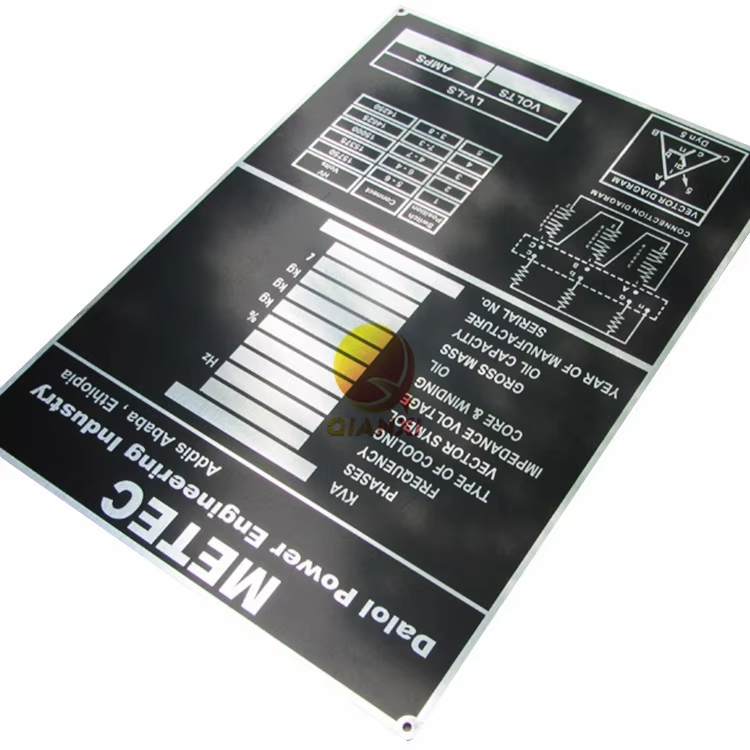
When selecting identification solutions for industrial equipment, machinery, and critical assets, the choice between photo-anodized and etched finishes significantly impacts longevity and performance. Both methods create durable Metal Asset Tags, but they achieve durability through different mechanisms and offer distinct advantages depending on your operational environment. Understanding the strengths and limitations of each approach helps ensure your Metal Asset Tags maintain legibility and structural integrity throughout their intended service life, which can span decades in demanding conditions.
The durability of Metal Asset Tags depends on substrate material, surface preparation, environmental exposure, and post-finish protection. Photo-anodized Metal Asset Tags create a hard oxide layer that resists oxidation, while etched Metal Asset Tags achieve permanence through material removal and surface alteration. Both technologies produce Metal Asset Tags suitable for extreme temperatures, chemical exposure, and UV radiation, yet they respond differently to physical abrasion, thermal cycling, and salt-spray environments common in aerospace, marine, and industrial manufacturing sectors.
Understanding Photo-Anodized Metal Asset Tags
How Anodization Creates Durable Metal Asset Tags
Photo-anodized Metal Asset Tags begin with an aluminum or compatible metal substrate that undergoes electrochemical anodization. This process creates a protective oxide layer bonded directly to the metal surface, transforming the substrate itself into part of the protective barrier. The resulting Metal Asset Tags feature a hard, porous anodic coating that resists corrosion, oxidation, and environmental degradation. Photo-anodization adds colored dyes and photosensitive compounds to create crisp, high-contrast images that remain visible even after years of exposure, making Metal Asset Tags readable under intense sunlight, through dust accumulation, and across wide viewing angles.
Performance Characteristics of Anodized Metal Asset Tags
Photo-anodized Metal Asset Tags excel in outdoor and coastal environments where salt spray, humidity, and thermal expansion create continuous stress on identification surfaces. The anodic coating thickness typically ranges from 0.5 to 2 mils, providing substantial protection while remaining cosmetically thin. Metal Asset Tags produced through photo-anodization maintain color vibrancy and contrast for 10 to 15 years in standard industrial conditions, with some formulations lasting 20 years or longer. The coating flexibility accommodates metal substrate expansion and contraction during thermal cycling, reducing the risk of peeling or delamination common in rigid coatings. Additionally, anodized Metal Asset Tags resist most oils, solvents, and mild cleaning agents, enabling regular maintenance without compromising label integrity or readability.
Understanding Etched Metal Asset Tags
How Etching Creates Permanent Metal Asset Tags
Etched Metal Asset Tags use chemical or electrolytic processes to remove material from the substrate surface, creating raised letters or graphics against recessed backgrounds. Unlike coatings that rest on the surface, etched Metal Asset Tags become one with the base material through permanent material removal. The chemical etch penetrates typically 0.003 to 0.010 inches into the substrate, ensuring that text and images remain present even if surface abrasion or weathering removes microscopic layers of metal over decades. Etched Metal Asset Tags filled with contrasting paint or anodized colors create enduring visibility, and the material removal itself provides structural redundancy—even if the color fill wears away, the etched profile remains discernible through tactile examination and shadow contrast.
Performance Characteristics of Etched Metal Asset Tags
Etched Metal Asset Tags demonstrate exceptional permanence in environments combining high abrasion, thermal cycling, and harsh chemical exposure. Because the image exists within the material rather than as a surface layer, abrasive cleaning, wire brushing, and high-pressure washing cannot remove the identification. Metal Asset Tags created through etching resist UV degradation inherently, as no dye or photosensitive layer exists to fade. The metal substrate itself provides thermal stability, allowing etched Metal Asset Tags to function reliably in cryogenic applications and extreme heat without dimensional changes or coating failure. Steel-based etched Metal Asset Tags withstand prolonged contact with aggressive industrial solvents, fuels, and corrosive compounds without feature degradation. The longevity of etched Metal Asset Tags often extends 20 to 30 years or more in indoor industrial settings, with outdoor durability matching or exceeding photo-anodized alternatives in salt-spray and high-UV environments.
Comparative Durability Analysis for Metal Asset Tags
Environmental Resistance and Metal Asset Tags Longevity
Photo-anodized Metal Asset Tags and etched Metal Asset Tags respond distinctly to environmental stressors common in industrial asset tracking. Metal Asset Tags using photo-anodization perform optimally in moderate outdoor and covered outdoor conditions where UV exposure and moisture occur but abrasive contact remains limited. High-quality anodized Metal Asset Tags in these environments maintain 90% legibility for 12 to 15 years. Conversely, etched Metal Asset Tags excel in heavy industrial settings where equipment receives regular washing, abrasive handling, or exposure to airborne particles. The permanent nature of etching means Metal Asset Tags in foundries, chemical plants, and heavy manufacturing maintain perfect legibility throughout their service life, regardless of cleaning intensity or atmospheric abrasion. For marine environments combining salt spray, thermal cycling, and moisture, etched stainless steel Metal Asset Tags typically outlast photo-anodized variants because the base metal itself resists corrosion, and the etched profile provides no surface for coating failure.
Cost and Maintenance Implications for Metal Asset Tags
Photo-anodized Metal Asset Tags generally offer lower initial acquisition costs than equivalent etched Metal Asset Tags, particularly for large-volume orders and simple two-color designs. The faster turnaround and simpler finishing process make anodized Metal Asset Tags economically attractive for organizations with moderate durability requirements. However, maintenance costs favor etched Metal Asset Tags over extended asset lifecycles. Because anodized Metal Asset Tags benefit from regular gentle cleaning and protection from harsh solvents, organizations must develop cleaning protocols and potentially apply protective coatings over time. Etched Metal Asset Tags require no maintenance intervention—they survive high-pressure cleaning, industrial solvents, and aggressive handling without deterioration. This maintenance-free profile makes etched Metal Asset Tags superior for long-term total cost of ownership in facilities where human oversight of asset identification remains inconsistent or where asset tags experience unavoidable harsh treatment. Organizations prioritizing lowest first cost favor photo-anodized Metal Asset Tags, while those emphasizing minimum lifecycle cost and reliability through self-sufficiency prefer etched variants.
FAQ
Which Metal Asset Tags last longer in salt-spray environments?
Etched stainless steel Metal Asset Tags typically outlast photo-anodized variants in salt-spray coastal environments because the base metal itself resists corrosion, and the etched profile eliminates surface coating failure risks. While high-quality anodized Metal Asset Tags can survive 12 to 15 years in such conditions, etched Metal Asset Tags regularly achieve 20+ years with identical legibility and zero maintenance, making them the superior choice for maritime, oil-and-gas, and waterfront industrial applications.
Can photo-anodized Metal Asset Tags withstand industrial cleaning?
Photo-anodized Metal Asset Tags resist most standard industrial cleaners and gentle pressure washing, but prolonged exposure to aggressive solvents, high-temperature steam cleaning, or abrasive media can gradually degrade the anodic coating and potentially compromise legibility. Etched Metal Asset Tags suffer no such limitation—they maintain perfect readability regardless of cleaning intensity, making them preferred for facilities where frequent, aggressive cleaning of equipment is standard practice.
What factors should determine whether to choose anodized or etched Metal Asset Tags?
Select photo-anodized Metal Asset Tags for cost-sensitive applications with moderate environmental stress and limited physical contact. Choose etched Metal Asset Tags when permanence, abrasion resistance, maintenance-free operation, or extreme chemical and thermal exposure represent organizational priorities. Organizations requiring 20+ year asset lifecycles with zero maintenance favor etched Metal Asset Tags, while those accepting scheduled replacement every 10 to 12 years may find Metal Asset Tags using photo-anodization more economical despite higher lifetime intervention costs.