 EN

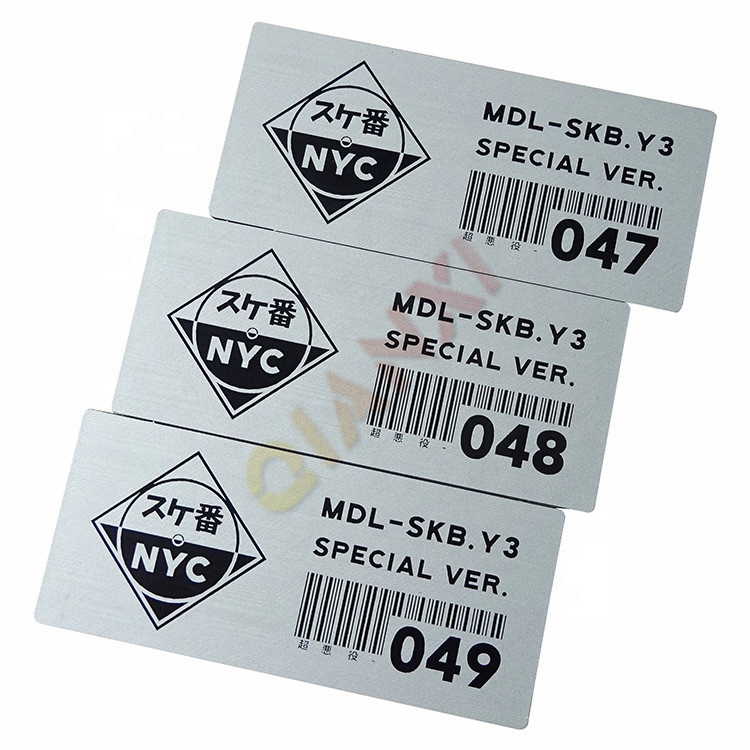
Metal asset tags serve as critical identification systems in industrial and commercial environments, ensuring equipment traceability and regulatory compliance across operations. Organizations depend on metal asset tags to track inventory, maintain safety records, and meet stringent industry regulations. Understanding how metal asset tags align with safety standards is essential for facility managers, compliance officers, and procurement professionals who need reliable identification solutions.
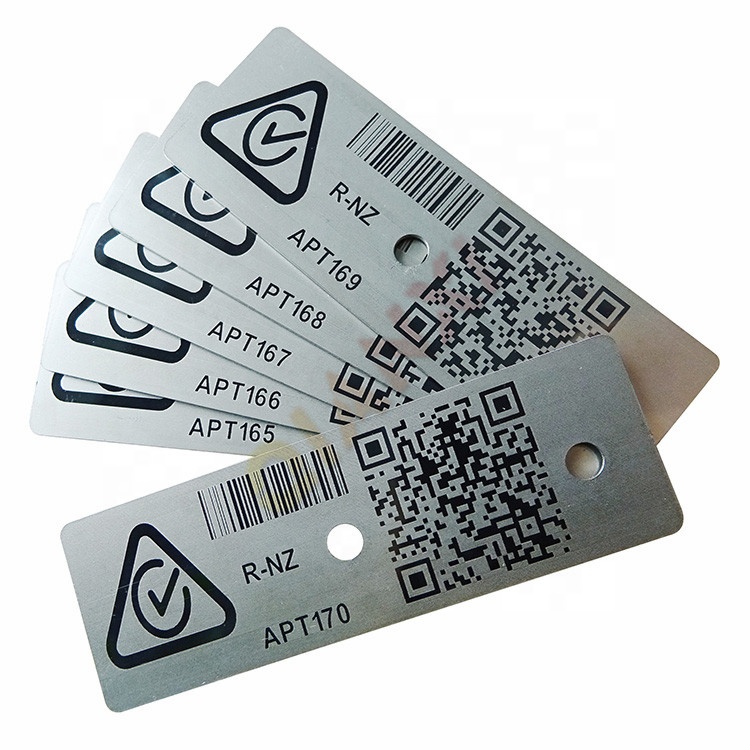
Compliance with safety standards goes beyond simply attaching labels to assets. Metal asset tags must meet specific material specifications, durability requirements, and legibility standards established by regulatory bodies and industry best practices. The permanence of metal asset tags ensures that critical identification information remains visible and accurate throughout an asset's entire lifecycle, protecting both workplace safety and organizational accountability.
Safety Standards Requirements for Metal Asset Tags
Regulatory Framework and Compliance Obligations
Metal asset tags must comply with various safety standards depending on industry sector and geographic location. ANSI, ISO, and OSHA standards establish specific requirements for equipment labeling, marking, and identification. Metal asset tags used in hazardous environments must withstand extreme temperatures, chemical exposure, and physical wear while maintaining label legibility. Organizations operating across multiple jurisdictions often need metal asset tags that satisfy the most stringent requirements to ensure universal compliance across all facilities.
The selection of metal asset tags directly impacts compliance audits and regulatory inspections. When metal asset tags meet established safety standards, they demonstrate organizational commitment to workplace safety and regulatory adherence. Regulatory agencies specifically examine whether equipment labels—particularly metal asset tags—remain readable and intact, as faded or damaged tags can result in compliance violations and safety risks.
Material Specifications and Durability Standards
Metal asset tags manufactured from aluminum, stainless steel, or anodized materials demonstrate superior durability compared to paper or plastic alternatives. These materials ensure that metal asset tags resist corrosion, fading, and physical damage in demanding industrial environments. The thickness and composition of metal asset tags directly influence their ability to withstand prolonged exposure to environmental stressors while maintaining permanent, legible identification information.
Standards governing metal asset tags specify minimum material grades and surface treatments required for different operational contexts. Metal asset tags intended for outdoor use require different material specifications than those for indoor facilities. Compliance-grade metal asset tags undergo rigorous testing to verify adhesion strength, UV resistance, and legibility retention, ensuring they meet or exceed industry benchmarks for durability and performance.
Design Elements and Compliance Alignment
Legibility and Information Density Requirements
Metal asset tags must include specific information elements to satisfy safety standards: asset identification numbers, equipment descriptions, maintenance schedules, and regulatory codes. The design of metal asset tags must prioritize legibility, ensuring that required information remains readable under typical workplace conditions and lighting. Font size, contrast ratios, and material finish all contribute to whether metal asset tags effectively communicate critical identification data.
Standards for metal asset tags establish minimum character heights and contrast requirements to ensure readability throughout the asset's operational lifespan. Organizations using metal asset tags must balance information density with practical readability constraints, recognizing that overcrowded labels reduce effectiveness. Compliance-focused metal asset tags prioritize essential identification information over comprehensive data, with secondary details available through integrated management systems.
Environmental Resistance and Application Context
Metal asset tags designed for chemical manufacturing, food processing, or pharmaceutical facilities must withstand specific environmental conditions while maintaining compliance integrity. Chemical resistance becomes critical for metal asset tags in facilities where cleaning agents, solvents, or corrosive materials contact surfaces regularly. Metal asset tags intended for temperature-controlled environments face different durability demands than those installed on outdoor equipment or in extreme-temperature industrial settings.
The selection of metal asset tags requires careful consideration of application environment and expected operational duration. Metal asset tags applied to refrigeration units need different material specifications than those used on machinery in high-temperature areas. Compliance standards recognize these environmental variations, establishing category-specific requirements for metal asset tags based on anticipated exposure conditions and replacement intervals.
Implementation and Compliance Verification
Installation Best Practices and Regulatory Audit Readiness
Proper installation of metal asset tags directly affects their compliance status and effectiveness in regulatory audits. Metal asset tags must be positioned to remain visible and readable without removing equipment covers or disrupting normal operations. Installation procedures for metal asset tags should address adhesion specifications, surface preparation protocols, and positioning standards to ensure consistent compliance across all organizational assets.
Organizations implementing metal asset tags should establish internal procedures that align installation practices with regulatory expectations. Metal asset tags installed following industry best practices demonstrate organizational diligence during compliance inspections and audits. Documentation of metal asset tags—including installation dates, material specifications, and environmental conditions—provides auditors with evidence of compliance-conscious asset management and systematic identification practices.
Maintenance Protocols and Compliance Continuity
Maintaining compliance requires periodic inspection of metal asset tags to verify information accuracy, adhesion integrity, and legibility preservation. Organizations should establish maintenance schedules for metal asset tags that account for environmental exposure, equipment usage intensity, and regulatory inspection cycles. Metal asset tags showing signs of wear, fading, or adhesion loss should be replaced promptly to prevent compliance gaps during audits or inspections.
Records management systems should track metal asset tag status, including installation dates, inspections, and replacements. This documentation demonstrates that organizations actively maintain compliance through systematic asset identification management. Metal asset tags integrated with asset tracking software provide real-time visibility into equipment status and identification integrity, supporting proactive compliance management rather than reactive responses to audit findings.
FAQ
What specific safety standards apply to metal asset tags in manufacturing facilities?
Manufacturing facilities must comply with ANSI Z535 standards for hazard identification and OSHA requirements for equipment labeling. Metal asset tags in manufacturing environments often need to meet ISO 1831 standards for product marking and machine identification. The specific standards applicable to metal asset tags depend on facility type, hazard classification, and regulatory jurisdiction. Organizations should consult with compliance specialists to identify all applicable standards for their specific metal asset tags and operational context.
How do metal asset tags compare to alternative labeling solutions for regulatory compliance?
Metal asset tags offer superior longevity, legibility retention, and compliance credibility compared to paper labels, plastic tags, or printed markings. While alternative labeling solutions may cost less initially, metal asset tags typically provide better total cost of ownership through reduced replacement frequency and enhanced audit performance. Regulatory inspectors often view metal asset tags as evidence of serious compliance commitment, whereas temporary labeling solutions may raise questions about asset management rigor and accountability.
Can metal asset tags be customized while maintaining compliance standards?
Yes, metal asset tags can be customized with organizational branding, specific identification formats, and industry-relevant information while still meeting safety standards. Customization of metal asset tags should prioritize compliance requirements first, ensuring that regulatory mandates take precedence over aesthetic preferences. Manufacturers specializing in metal asset tags can advise on customization options that enhance organizational identity while maintaining full regulatory compliance and industry standard adherence.