 EN

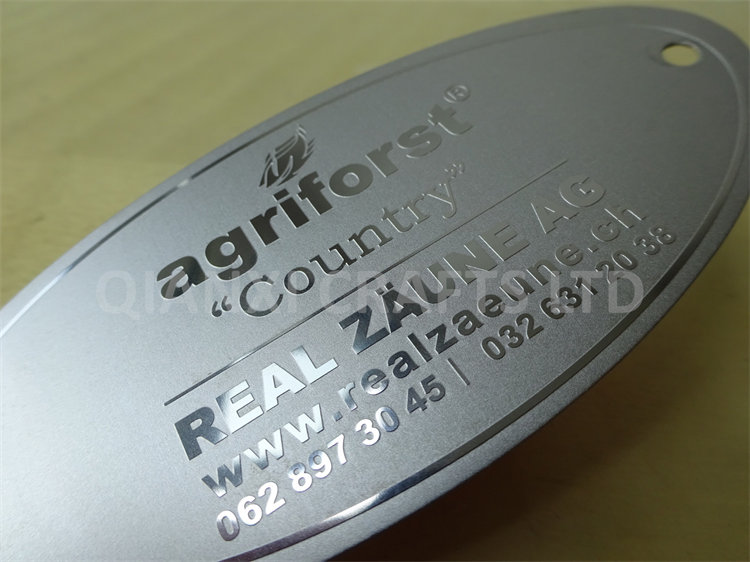
When selecting marking methods for industrial equipment, the choice between photo-anodized and etched finishes significantly impacts how long metal asset tags maintain their legibility and functionality. Metal asset tags serve as critical identification tools across manufacturing plants, utility installations, and maintenance operations, where environmental exposure and frequent handling create intense durability demands. Understanding the performance differences between these two finishing technologies helps facility managers, procurement specialists, and asset management teams make informed decisions that extend nameplate lifespan and reduce replacement costs.
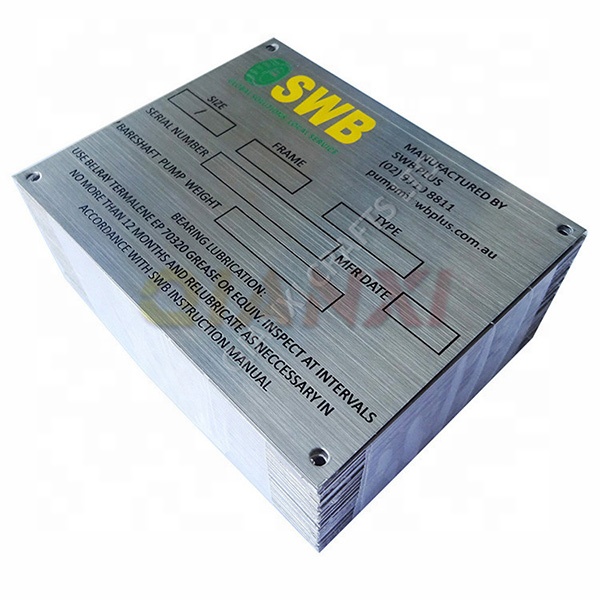
Metal asset tags produced through photo-anodizing and chemical etching both offer substantial longevity advantages over printed alternatives, yet their mechanisms of image formation create distinct durability profiles. Photo-anodized metal asset tags use electrical processes to form a colored anodic oxide layer that bonds chemically to the substrate, while etched metal asset tags remove surface material through controlled chemical or mechanical means to reveal contrasting subsurface finishes. Each approach presents unique strengths in different environmental and operational contexts, making this comparison essential for organizations seeking maximum nameplate performance.
Understanding Photo-Anodizing Technology in Metal Asset Tags
The Photo-Anodizing Process and Its Durability Foundation
Photo-anodized metal asset tags rely on a specialized electrochemical process that integrates image formation with the anodic oxide layer development. During photo-anodizing, electrical current flows through an electrolyte solution containing the metal substrate, creating an oxide layer that becomes an integral part of the metal surface rather than a coating applied on top. This fundamental integration means photo-anodized metal asset tags develop exceptional adhesion between the image and substrate, virtually eliminating the peeling or flaking failures common with painted or printed alternatives. The colored anodic layer that forms simultaneously with the image becomes extremely hard and chemically resistant, providing natural protection against abrasion, UV exposure, and corrosive atmospheric conditions.
Environmental Resistance of Photo-Anodized Finishes
Photo-anodized metal asset tags demonstrate outstanding performance in harsh industrial environments where temperature fluctuations, moisture exposure, and chemical contact occur regularly. The anodic oxide layer naturally resists corrosion by preventing direct contact between corrosive agents and the base metal, effectively creating a barrier that photo-anodized metal asset tags maintain even after years of continuous exposure. Ultraviolet radiation gradually fades the colored oxide layer, yet this discoloration does not compromise the legibility of photo-anodized metal asset tags because the image remains chemically bonded beneath the surface. In coastal environments, chemical processing facilities, and outdoor utility installations, photo-anodized metal asset tags consistently outlast printing-based alternatives by maintaining readable marks for fifteen to twenty years or longer, depending on environmental severity.
Etched Metal Asset Tags Performance and Longevity Characteristics
Chemical and Mechanical Etching Methods
Etched metal asset tags employ either chemical etching through controlled acid immersion or mechanical etching through controlled material removal to create permanent surface modifications. In chemical etching, metal asset tags undergo submersion in specially formulated etching solutions that selectively remove surface material according to masking patterns, creating recessed image areas that contrast sharply with surrounding raised surfaces. Mechanical etching methods use carbide or diamond tools to physically remove surface material, offering precise control over depth and creating exceptionally sharp, high-contrast marks on metal asset tags. Both approaches ensure that etched metal asset tags display their marking information through actual structural changes rather than applied coatings, inherently protecting the legibility of etched metal asset tags against most common failure modes.
Durability Advantage of Permanent Surface Modification
Because etching removes material rather than adding coatings, etched metal asset tags resist wear and abrasion through permanent structural modification rather than surface integrity maintenance. When etched metal asset tags experience scratching, rubbing, or impact during equipment handling and installation, the contrast patterns remain legible because the image definition comes from the depth variation itself rather than color or coating integrity. This fundamental characteristic makes etched metal asset tags particularly valuable in applications involving frequent contact with abrasive materials, direct tool contact, or environments where surface treatments typically fail rapidly. Etched metal asset tags maintain legibility indefinitely regardless of paint loss, corrosion buildup, or environmental weathering, making the lifespan of etched metal asset tags essentially equal to the lifespan of the base metal substrate itself, often exceeding thirty years in protected indoor environments and fifteen to twenty years even in moderate outdoor conditions.
Comparative Analysis and Selection Criteria for Metal Asset Tags
Performance Comparison Across Key Durability Factors
Photo-anodized metal asset tags excel in environments where color contrast aids rapid identification and where anodic protection against corrosion provides significant value, such as chemical processing plants, coastal installations, and outdoor utility systems where the colored anodic layer actively prevents substrate corrosion. Metal asset tags using etching technology demonstrate superior performance in applications involving high-contact scenarios, abrasive material handling, and environments where the mechanical integrity of the base metal receives primary protection through surface modification. When comparing costs, photo-anodized metal asset tags typically require less processing time than etched variants, potentially offering lower per-unit pricing while providing excellent longevity. Etched metal asset tags generally require longer production cycles but deliver superior performance in environments where metal asset tags experience direct physical contact, vibration, or mechanical stress that would degrade surface coatings more rapidly.
Selection Framework for Maximum Nameplate Lifespan
Organizations seeking optimal longevity from metal asset tags should evaluate their specific operational environment before selecting finishing methods for new asset identification projects. For outdoor installations, chemical storage facilities, and marine environments where metal asset tags face significant corrosion pressure, photo-anodized metal asset tags offer the combined benefits of active corrosion protection and excellent environmental resistance. In manufacturing settings involving material handling equipment, high-vibration machinery, and environments where metal asset tags face frequent abrasive contact, etched alternatives provide more durable performance because the image remains legible even as surface conditions deteriorate. Indoor equipment installations, control systems, and equipment typically used in climate-controlled facilities often benefit most from etched metal asset tags because the permanent nature of etching ensures legibility throughout the equipment lifecycle. Hybrid approaches combining etching for primary identification with photo-anodized backup identification can maximize the lifespan of critical metal asset tags while providing redundancy in applications where identification failure creates safety or regulatory compliance risks.
FAQ
Do photo-anodized metal asset tags last longer than etched alternatives in all environments?
Photo-anodized metal asset tags and etched metal asset tags each demonstrate superior longevity in different environmental contexts rather than one universal winner. Photo-anodized metal asset tags excel in corrosive outdoor environments where the anodic oxide actively protects the substrate, while etched metal asset tags maintain legibility longer in high-contact, abrasive settings because their permanent surface modification resists mechanical wear. The actual lifespan of metal asset tags depends more on specific environmental factors than the finishing method alone, making environment-specific selection essential.
Can metal asset tags combine both photo-anodizing and etching for improved durability?
Yes, combined metal asset tags using both photo-anodizing and etching technologies can provide complementary benefits for applications where maximum durability and redundancy matter most. Metal asset tags created with this hybrid approach feature etched primary identification protected by an anodized layer, ensuring that even if environmental conditions degrade the anodic protection, the underlying etched marks remain permanently legible. This dual-method approach increases metal asset tags production costs but delivers exceptional value in safety-critical applications or equipment requiring guaranteed identification throughout extended lifecycles.
How do environmental factors influence which metal asset tags finishing method lasts longer?
Environmental factors including temperature extremes, UV exposure, moisture presence, chemical contact, and physical abrasion directly determine whether photo-anodized or etched metal asset tags perform better in specific applications. Metal asset tags exposed to salt spray or industrial chemicals benefit from photo-anodized protection, while metal asset tags in high-contact manufacturing environments maintain superior legibility through etching. Indoor, climate-controlled installations allow both metal asset tags types to perform well, but etched variants provide insurance against unexpected environmental changes or equipment relocation scenarios where metal asset tags require extended warranties.