 EN

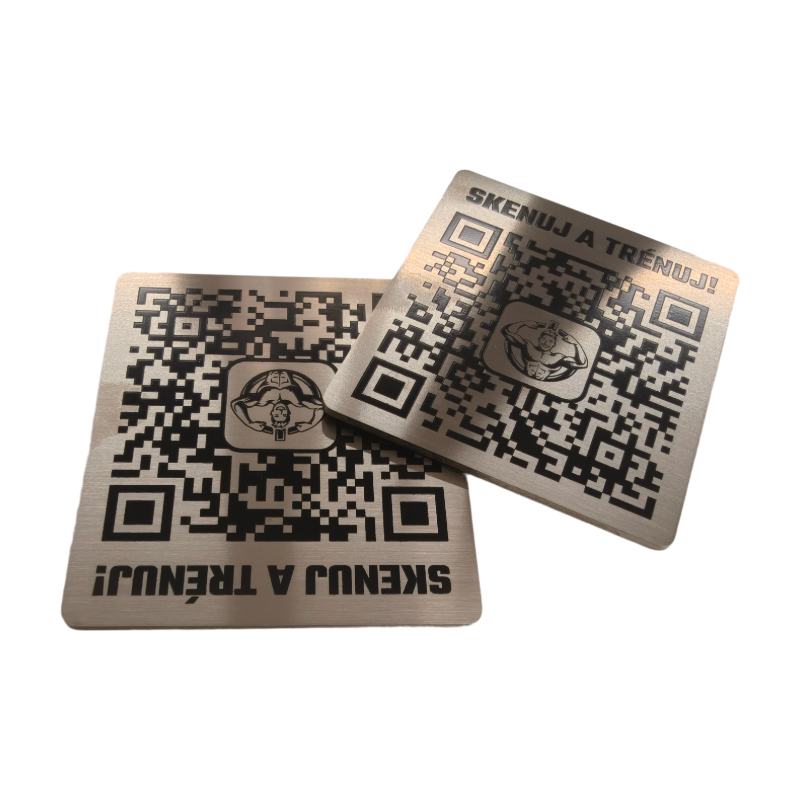
Metal asset tags serve as critical identification components in marine environments where durability and reliability cannot be compromised. When operating in harsh saltwater conditions, standard identification methods fail rapidly, making metal asset tags the only viable solution for long-term asset tracking. Stainless steel metal asset tags provide exceptional performance because they withstand extreme corrosion, maintain legibility through decades of exposure, and preserve critical information that operations depend upon. Understanding why metal asset tags specifically outperform alternative materials requires examining the unique demands of marine applications and the engineering advantages that stainless steel delivers.
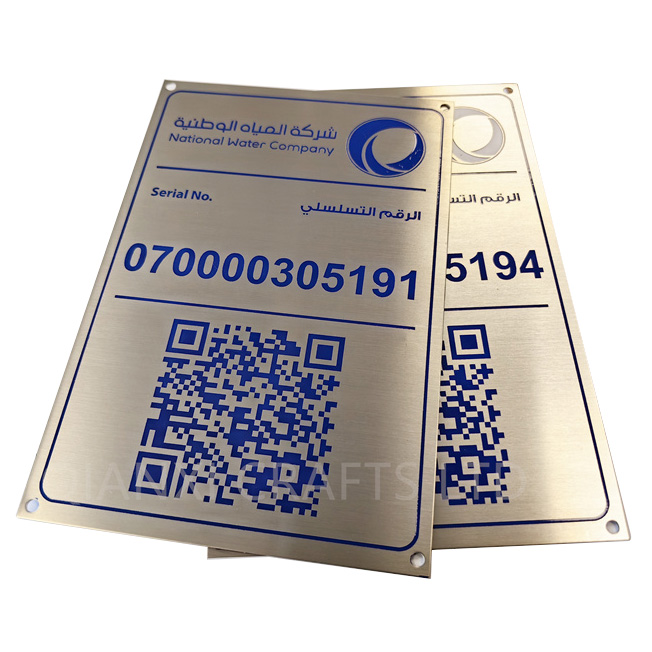
Marine operations face constant exposure to saltwater, humidity, UV radiation, temperature fluctuations, and aggressive chemical environments. In these conditions, metal asset tags must maintain structural integrity, resist rust formation, preserve engraved or printed information, and remain readable for equipment identification and inventory management. The superiority of metal asset tags over paper labels, plastic tags, or standard aluminum components stems directly from stainless steel's molecular structure and its proven performance across global maritime industries. This article explores the engineering principles, practical benefits, and strategic advantages that make metal asset tags the industry standard for marine asset identification.
Understanding Metal Asset Tags in Marine Environments
The Core Function of Metal Asset Tags
Metal asset tags function as permanent identification systems that track equipment, machinery, containers, and infrastructure throughout marine operations. Unlike temporary labels that degrade within months, metal asset tags maintain durability across years or decades of continuous saltwater exposure. Each metal asset tags installation represents an investment in long-term asset visibility, regulatory compliance, and operational efficiency. Marine facilities rely on metal asset tags to maintain comprehensive inventory systems, support maintenance scheduling, enable rapid equipment location, and satisfy maritime regulatory documentation requirements. The investment in quality metal asset tags pays dividends through reduced replacement costs, improved equipment tracking accuracy, and elimination of identification failures during critical operations.
Why Material Selection Matters for Maritime Use
Material selection directly determines whether metal asset tags survive marine conditions or fail prematurely. Standard steel rusts within weeks when exposed to saltwater environments, while aluminum develops white oxide coatings that compromise readability. Stainless steel metal asset tags contain chromium and molybdenum elements that form a passive oxide layer, preventing corrosion at the molecular level even when exposed to saltwater spray, submerged conditions, and high-humidity storage. This fundamental difference explains why marine operators worldwide specify metal asset tags manufactured from 304 or 316 stainless steel rather than accepting cheaper alternatives that fail within months. The corrosion resistance inherent to stainless steel metal asset tags translates directly into lower lifecycle costs, reduced asset identification failures, and improved operational safety across maritime infrastructure.
Engineering Advantages of Stainless Steel Metal Asset Tags
Corrosion Resistance and Longevity
Stainless steel metal asset tags deliver unmatched corrosion resistance because the material's passive oxide layer regenerates automatically when damaged or scratched. When standard steel experiences corrosion, the rust spreads progressively and irreversibly. Conversely, stainless steel metal asset tags heal themselves through constant oxygen interaction, maintaining surface protection indefinitely in marine environments. This self-healing capability means metal asset tags installed on offshore platforms, fishing vessels, naval equipment, and seaside industrial facilities remain corrosion-free for 15, 20, or even 30 years without replacement. The absence of rust formation preserves metal asset tags legibility, eliminates concerns about structural degradation, and removes the need for periodic maintenance or repainting. Engineers and maritime operations managers have validated stainless steel metal asset tags as the only material choice that justifies permanent installation without scheduled replacement intervals.
Information Preservation and Readability
Metal asset tags must preserve critical identification information through laser engraving, etching, or stamped processes that create permanent marks resistant to environmental degradation. When stainless steel metal asset tags are laser-engraved, the process creates microscopically precise marks that remain legible even after decades of saltwater exposure, UV radiation, and chemical attack. Engraved information on metal asset tags cannot fade, wash away, or degrade like printed text on paper or plastic labels. The surface contrast between the engraved area and the surrounding stainless steel creates permanent visual distinction that improves readability even when ocean spray, algae growth, or mineral deposits accumulate on the tag surface. This preservation of information makes metal asset tags ideal for equipment requiring long-term traceability, regulatory documentation, and maintenance history tracking throughout their operational lifetime in marine applications.
Strategic Benefits of Metal Asset Tags for Marine Operations
Regulatory Compliance and Documentation
Maritime regulatory frameworks, including International Maritime Organization (IMO) standards and national port authority requirements, mandate permanent equipment identification throughout operational lifespans. Metal asset tags satisfy these stringent requirements because stainless steel construction ensures information persistence beyond regulatory review periods. Compliance inspectors expect to verify metal asset tags that withstand salt-spray testing, humidity chambers, and accelerated corrosion protocols without information loss. Organizations that install stainless steel metal asset tags demonstrate commitment to regulatory adherence, reduce audit findings, and eliminate identification gaps during port inspections or vessel certifications. The permanence of metal asset tags creates legally defensible documentation trails that protect organizations from regulatory penalties and enable seamless equipment handoffs when vessels change operators or ownership during their service lives.
Inventory Management and Asset Tracking
Comprehensive asset management systems depend on reliable identification infrastructure that metal asset tags provide through permanent, readable information encoding. When marine operations deploy stainless steel metal asset tags on equipment, containers, and infrastructure components, they establish durable foundation for database-driven inventory systems, RFID integration, and predictive maintenance programs. Metal asset tags eliminate the perpetual problem of lost or illegible identification that creates inventory discrepancies, complicates equipment maintenance scheduling, and delays operational responses. By implementing metal asset tags as standardized identification components, maritime facilities reduce asset search times, improve maintenance accuracy, enable rapid equipment location during emergencies, and support sophisticated software platforms that track equipment condition, service history, and replacement planning. The reliability of metal asset tags transforms asset management from reactive firefighting into proactive strategic planning.
FAQ
What materials comprise stainless steel metal asset tags?
Marine-grade metal asset tags are manufactured from either 304 or 316 stainless steel grades. Type 316 stainless steel contains additional molybdenum content that enhances pitting resistance in extreme saltwater conditions. Both materials deliver excellent corrosion resistance, but 316 stainless steel metal asset tags provide marginally superior performance in aggressive marine environments where chemical pollution, acid rain, or industrial discharge compound the baseline saltwater exposure. Most marine operators choose 316 stainless steel metal asset tags for permanent offshore installations while accepting 304-grade metal asset tags for less severe freshwater or protected harbor applications.
How long do stainless steel metal asset tags remain legible in marine conditions?
Properly manufactured stainless steel metal asset tags with laser-engraved information remain legible for 20 to 30 years in typical marine environments without maintenance or cleaning. The engraving process creates permanent surface modification that does not fade, wear away, or degrade through saltwater exposure. Some marine operators report metal asset tags installed during vessel construction remaining legible and functionally intact throughout vessel lifespans exceeding 40 years. The key variables affecting metal asset tags longevity include the stainless steel grade selected, engraving depth and precision, and environmental severity at specific installation locations.
Can metal asset tags integrate with modern inventory management systems?
Yes, stainless steel metal asset tags can be manufactured with QR codes, barcodes, or RFID-compatible elements that enable integration with digital inventory platforms. When ordered with these advanced features, metal asset tags become active data capture points that feed real-time information into enterprise resource planning (ERP) systems, maintenance management software, and asset tracking databases. This integration capability makes metal asset tags valuable beyond simple visual identification, supporting predictive maintenance, regulatory compliance documentation, and sophisticated asset lifecycle management across complex marine operations.