 EN

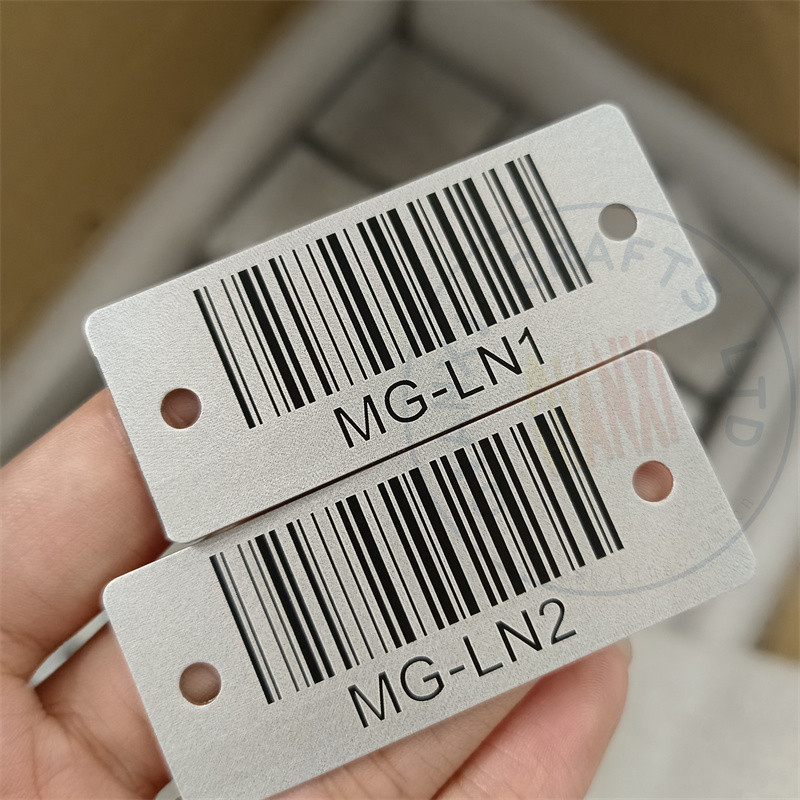
Proper installation of Metal Asset Tags is essential for ensuring long-term durability, readability, and compliance across industrial, commercial, and operational environments. Whether you are identifying equipment in a manufacturing facility, tracking inventory in a warehouse, or labeling fixed assets in an office setting, the quality of your mounting technique directly impacts how well these Metal Asset Tags perform over time. Metal Asset Tags serve as permanent identification solutions that withstand harsh conditions, environmental exposure, and frequent handling. Understanding the correct mounting methods for different surface types ensures that your Metal Asset Tags remain securely attached, legible, and functional throughout their lifespan.

The process of mounting Metal Asset Tags requires careful consideration of surface material, environmental conditions, adhesive chemistry, and mechanical fastening options. Each surface type, from painted metal to plastic, composite materials, and glass, demands a slightly different approach to ensure optimal adhesion and longevity. Metal Asset Tags that are improperly mounted face risks of peeling, corrosion, separation, or loss, which compromises asset tracking accuracy and regulatory compliance. This guide provides practical, actionable strategies for successfully mounting Metal Asset Tags on virtually any surface you encounter in industrial or commercial operations.
Understanding Surface Preparation for Metal Asset Tags
Cleaning and Degreasing Before Installation
Before you apply Metal Asset Tags to any surface, thorough cleaning is non-negotiable. Surface contaminants such as dust, grease, rust, paint residue, and moisture create invisible barriers between the tag and the substrate, dramatically reducing adhesion strength. For optimal results with Metal Asset Tags, use isopropyl alcohol or a commercial degreaser to wipe the target area with a lint-free cloth. Allow the surface to dry completely, ideally for at least five to ten minutes, before proceeding with Metal Asset Tags installation. This simple but critical step determines whether your Metal Asset Tags will remain firmly secured or begin to lift within weeks of installation.
Assessing Surface Material and Texture
Different surface materials require different mounting strategies for Metal Asset Tags. Smooth, non-porous surfaces like polished stainless steel or glass present adhesion challenges that differ significantly from rough, porous surfaces like powder-coated metal or textured plastic. Metal Asset Tags designed for smooth surfaces may require stronger industrial-grade adhesives, whereas rough surfaces allow for better mechanical grip. Inspect the target surface for irregularities, coating thickness, and any signs of contamination. Understanding your specific surface type before selecting mounting methods ensures that Metal Asset Tags perform reliably. Measure surface porosity and texture visually, then choose adhesive and fastening options accordingly to guarantee long-term security of your Metal Asset Tags.
Mounting Techniques for Metal Asset Tags on Metal Surfaces
Adhesive-Based Installation Methods
Adhesive mounting is the most common and cost-effective method for securing Metal Asset Tags to metal substrates. Industrial-grade epoxy, polyurethane, or acrylic adhesives provide superior bonding performance compared to standard pressure-sensitive tape. For Metal Asset Tags on painted or powder-coated metal, select adhesives specifically formulated for metal-to-metal bonding, as these cure to maximum strength within 24 hours. Apply a thin, even bead of adhesive to the back of your Metal Asset Tags, ensuring full coverage across the mounting surface without excessive pooling. Press firmly for at least 60 seconds, then allow full cure time before exposing the Metal Asset Tags to vibration, temperature fluctuations, or harsh environmental conditions. High-performance adhesives make Metal Asset Tags resistant to thermal cycling, humidity, and chemical exposure common in industrial settings.
Mechanical Fastening and Hybrid Approaches
For maximum durability in high-vibration or extremely harsh environments, mechanical fastening offers unmatched reliability for Metal Asset Tags. Small stainless steel rivets, self-tapping screws, or specially designed mounting brackets securely anchor Metal Asset Tags to metal surfaces through permanent attachment. This method proves especially valuable for Metal Asset Tags installed on heavy machinery, transportation equipment, or assets exposed to extreme temperature fluctuations where adhesive alone may fail. Hybrid mounting combines adhesive and mechanical fastening for redundant security, particularly when Metal Asset Tags must endure repeated handling, moisture, or chemical exposure. Drill or pre-punch mounting holes carefully to avoid damaging the Metal Asset Tags themselves, and use corrosion-resistant fasteners to prevent rust or galvanic reactions between the tag and the mounting hardware.
Mounting Metal Asset Tags on Non-Metal Surfaces
Installation on Plastic, Composite, and Synthetic Materials
Plastic and composite surfaces present unique challenges for mounting Metal Asset Tags because standard adhesives may degrade the substrate or fail due to material flexibility. Before applying Metal Asset Tags to plastic, test the adhesive compatibility on a hidden area to verify no melting, discoloration, or degradation occurs. Select adhesives formulated specifically for plastic substrates, such as flexible polyurethane or silicone-based bonding agents that accommodate thermal expansion. Metal Asset Tags mounted on flexible substrates should include reinforcement strips or backing plates to distribute stress evenly and prevent tag separation during material movement. For high-traffic areas where plastic surfaces experience frequent contact or cleaning, mechanical fastening with specially designed plastic anchors or adhesive-backed backing plates provides superior long-term performance for Metal Asset Tags.
Special Considerations for Glass and Ceramic Surfaces
Glass and ceramic surfaces require exceptionally clean preparation and specialized adhesives to ensure Metal Asset Tags remain securely mounted. These non-porous, smooth materials offer minimal mechanical grip, so adhesive chemistry becomes the sole determinant of mounting success. Clean glass surfaces with glass cleaner or acetone, then dry thoroughly to remove all moisture and film. Apply Metal Asset Tags using silicone-based or polyurethane adhesives that cure to create strong, flexible bonds resistant to temperature cycling and moisture. For additional security on vertical glass surfaces or where vibration may be present, combine adhesive mounting with transparent or matching backing plates that distribute load and prevent peeling. Metal Asset Tags on glass benefit from extended cure time, sometimes requiring 48 hours before full handling or exposure to harsh conditions.
Environmental Factors and Long-Term Durability of Metal Asset Tags
Temperature, Moisture, and Chemical Resistance
The environment where Metal Asset Tags operate directly influences adhesive selection and installation technique. In high-temperature environments, such as near machinery or in heated storage areas, standard adhesives may soften or fail, compromising Metal Asset Tags security. High-temperature epoxies and ceramic-based adhesives maintain bond strength even at elevated temperatures, ensuring Metal Asset Tags remain firmly attached. In moisture-rich environments like outdoor facilities, humidity chambers, or near washdown stations, moisture-resistant adhesives prevent water infiltration beneath the Metal Asset Tags that leads to corrosion and separation. Metal Asset Tags exposed to oils, solvents, or aggressive chemicals demand adhesives formulated to resist specific chemical exposure. Always verify adhesive compatibility with anticipated environmental conditions before committing Metal Asset Tags to permanent installation in mission-critical applications.
Vibration, Impact, and Mechanical Stress
Assets subjected to vibration, repetitive impact, or constant movement require robust mounting strategies for Metal Asset Tags. Flexible adhesives and mechanical fastening systems absorb shock and accommodate minor surface movement better than rigid adhesives that crack under stress. Metal Asset Tags on vehicles, rotating equipment, or portable machinery benefit from reinforced mounting plates and shock-absorbing backing materials that distribute mechanical load. Periodically inspect Metal Asset Tags in high-vibration environments to catch early signs of peeling, separation, or loosening before complete failure occurs. Metal Asset Tags that fail in these demanding applications compromise asset tracking accuracy and may result in lost inventory or regulatory non-compliance, making proper installation technique an investment in operational reliability rather than merely an aesthetic consideration.
FAQ
What is the best adhesive for mounting Metal Asset Tags outdoors?
For outdoor applications, industrial-grade epoxy or polyurethane adhesives rated for UV resistance provide optimal performance for Metal Asset Tags. These formulations cure to create waterproof, weather-resistant bonds that resist temperature cycling, humidity, and UV degradation over years of outdoor exposure. Always ensure the adhesive is specifically rated for outdoor use before applying Metal Asset Tags to exterior surfaces where sunlight, rain, and thermal stress are constant factors.
Can Metal Asset Tags be removed and remounted without damage?
Most Metal Asset Tags mounted with strong adhesives cannot be cleanly removed without damaging either the tag or the underlying surface. Mechanical fastening offers better reusability since screws or rivets can be carefully removed, though this method requires pre-drilled holes. If reusability is critical, discuss removable adhesive or magnetic mounting options when ordering Metal Asset Tags, as standard permanent adhesives are designed for single-application security rather than repeated repositioning.
How long does it take for Metal Asset Tags to achieve full adhesive cure?
Most industrial adhesives used for Metal Asset Tags reach initial set within one to two hours but require 24 hours for complete cure and maximum strength. During the initial cure period, avoid exposing freshly installed Metal Asset Tags to vibration, temperature changes, moisture, or handling that could disrupt the bonding process. For critical applications, wait a full 48 hours before subjecting Metal Asset Tags to harsh environmental conditions or mechanical stress to ensure the adhesive has fully polymerized and developed complete bonding strength.