 EN

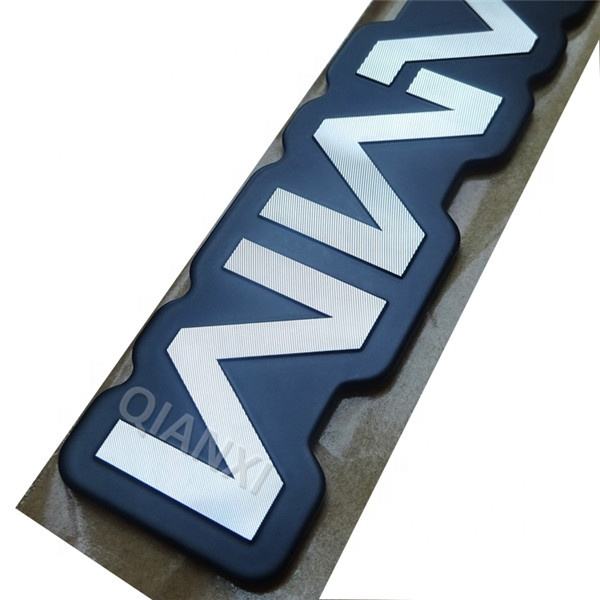
Industrial identification has transformed dramatically over the past decade, and metal asset tags have become central to this evolution. Organizations across manufacturing, aerospace, automotive, and logistics sectors now rely on sophisticated metal asset tags to track equipment, manage inventories, and ensure compliance with regulatory standards. The innovation in metal asset tags production reflects broader industry trends toward durability, precision, and enhanced visual appeal.

From three-dimensional embossing techniques to cutting-edge digital printing methods, the landscape of metal asset tags manufacturing has expanded considerably. These advancements enable organizations to create identification solutions that are not only functionally superior but also visually distinctive and highly customizable. Understanding the technological innovations driving metal asset tags production helps businesses make informed decisions about their identification and branding strategies.
3D Embossing Technology in Modern Metal Asset Tags
How 3D Embossing Enhances Metal Asset Tags Design
Three-dimensional embossing represents one of the most visually striking innovations in metal asset tags manufacturing. This process creates raised or recessed designs on the surface of metal asset tags, giving them significant tactile and visual depth. The metal asset tags produced through embossing techniques offer superior aesthetic appeal compared to flat-printed alternatives, making them ideal for premium branding applications and high-visibility industrial environments.
The precision achievable with modern embossing equipment allows metal asset tags to display intricate logos, serial numbers, and technical specifications with remarkable clarity. Metal asset tags created using 3D embossing maintain their visual integrity even after exposure to harsh environmental conditions, making them particularly valuable in aerospace, marine, and heavy manufacturing sectors. The raised features on metal asset tags also provide enhanced tactile feedback, enabling identification even in low-light or hazardous conditions.
Durability and Longevity of Embossed Metal Asset Tags
Embossed metal asset tags demonstrate exceptional resistance to wear, corrosion, and environmental degradation. Unlike printed surfaces that can fade or deteriorate, the dimensional nature of metal asset tags created through embossing ensures that critical identification information remains legible throughout the asset's operational lifespan. This longevity makes metal asset tags an economical choice for organizations investing in long-term asset tracking and identification solutions.
The material selection for metal asset tags, combined with embossing technology, creates products that withstand extreme temperatures, chemical exposure, and mechanical stress. Metal asset tags manufactured with stainless steel or aluminum substrates provide additional corrosion resistance, ensuring that identification remains clear and functional across decades of use. This durability characteristic makes metal asset tags particularly suitable for critical infrastructure, aerospace components, and specialized medical equipment.
Digital Printing Innovations in Metal Asset Tags Production
Advanced Digital Printing Techniques for Metal Asset Tags
Digital printing technology has revolutionized the production capabilities of metal asset tags, enabling rapid customization, precise color reproduction, and complex graphical elements. Modern UV and inkjet printing systems applied to metal asset tags allow manufacturers to produce full-color designs, photographic quality images, and multi-layered visual information on metal surfaces. Metal asset tags created through digital printing methods offer unprecedented flexibility for rapid prototyping, small batch production, and highly personalized identification solutions.
The advantages of digital printing for metal asset tags include reduced setup times, lower minimum order quantities, and the ability to incorporate variable data such as unique serial numbers or barcodes. Metal asset tags produced using digital technology can display gradients, shadows, and detailed illustrations that traditional embossing cannot achieve. This technological advancement enables organizations to create metal asset tags that serve dual purposes: functional identification and sophisticated brand representation.
Color Fidelity and Aesthetic Versatility in Digital Metal Asset Tags
Digital printing delivers exceptional color accuracy and visual richness to metal asset tags, allowing for brand-consistent designs and enhanced visual communication. Metal asset tags manufactured through UV printing technology feature superior adhesion to metal substrates and enhanced resistance to fading and environmental exposure. The vibrancy achievable with metal asset tags through modern digital printing processes makes these products ideal for consumer-facing applications, retail environments, and premium product identification.
The compatibility of digital printing with various metal substrates—including aluminum, stainless steel, and specialty alloys—expands the application range for metal asset tags significantly. Organizations can now select metal asset tags that combine material properties suited to their specific environmental requirements with custom visual designs that reinforce brand identity. This integration of functionality and aesthetics represents a major shift in how metal asset tags are perceived and deployed across industrial sectors.
Hybrid Approaches and Custom Integration for Metal Asset Tags
Combining Embossing and Digital Printing in Metal Asset Tags
Contemporary metal asset tags manufacturing increasingly employs hybrid techniques that leverage both embossing and digital printing capabilities. Metal asset tags produced through combined embossing and printing offer the dimensional authenticity of raised features alongside the color richness and design complexity of digital imagery. This hybrid approach enables organizations to create metal asset tags that are simultaneously durable, visually sophisticated, and highly customizable for specific industrial applications.
The layered approach to metal asset tags production allows manufacturers to embed security features, holographic elements, and multi-stage printing directly into the embossed structure. Metal asset tags created through these advanced hybrid methods serve industries where authentication, counterfeiting prevention, and premium presentation are critical success factors. The investment in hybrid metal asset tags technology reflects market demand for identification solutions that deliver both technical performance and visual distinction.
Custom Integration and Application-Specific Metal Asset Tags Solutions
Modern metal asset tags manufacturing prioritizes customization and application-specific design optimization. Organizations can now specify metal asset tags with exact material compositions, adhesive systems, dimensional tolerances, and finish specifications aligned with their unique operational requirements. Metal asset tags that incorporate adhesive backing, mounting hardware, or integrated barcoding demonstrate how contemporary manufacturing addresses the complete lifecycle of asset identification.
The ability to design and produce custom metal asset tags enables organizations to solve specific identification challenges within their operations. Metal asset tags might be engineered for extreme temperature applications, chemical resistance requirements, or integration with automated tracking systems. This level of customization transforms metal asset tags from generic identification products into strategic tools that enhance operational efficiency, regulatory compliance, and brand consistency across organizational assets.
FAQ
What makes metal asset tags more durable than alternative identification methods?
Metal asset tags offer superior durability because they combine inherent material properties of metals like aluminum and stainless steel with permanent marking technologies. Unlike paper, plastic, or painted labels, metal asset tags resist fading, corrosion, temperature fluctuations, and chemical exposure. The embossed or printed identification on metal asset tags remains legible for decades, making them cost-effective for long-term asset tracking applications in demanding industrial environments.
How does digital printing enhance the functionality of metal asset tags?
Digital printing enables metal asset tags to incorporate complex visual information, variable data, QR codes, and full-color designs that improve readability and information density. Metal asset tags produced through digital printing can display barcodes, serial numbers, and detailed graphics simultaneously, streamlining asset identification and inventory management processes. This technology allows organizations to create metal asset tags that serve multiple communication purposes on a single identification surface.
Can metal asset tags be customized for specific industrial applications?
Yes, metal asset tags are highly customizable for specific applications. Manufacturers can select appropriate metals, finishes, adhesive systems, and printing methods based on environmental requirements, temperature ranges, chemical exposure, and aesthetic specifications. Metal asset tags can be engineered for aerospace compliance, medical device requirements, hazardous environment certifications, or specialized material specifications, making them suitable for virtually any industrial identification need.