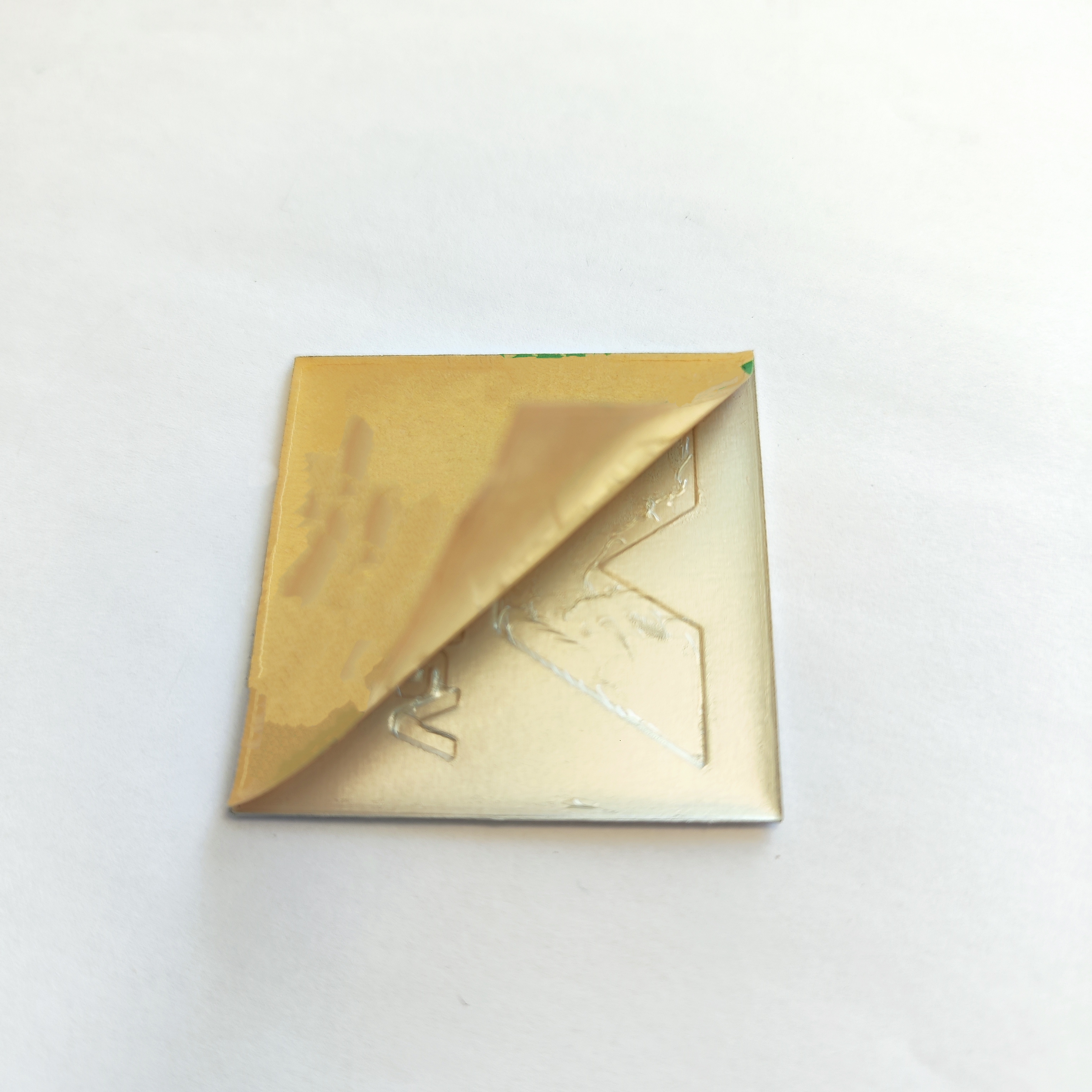
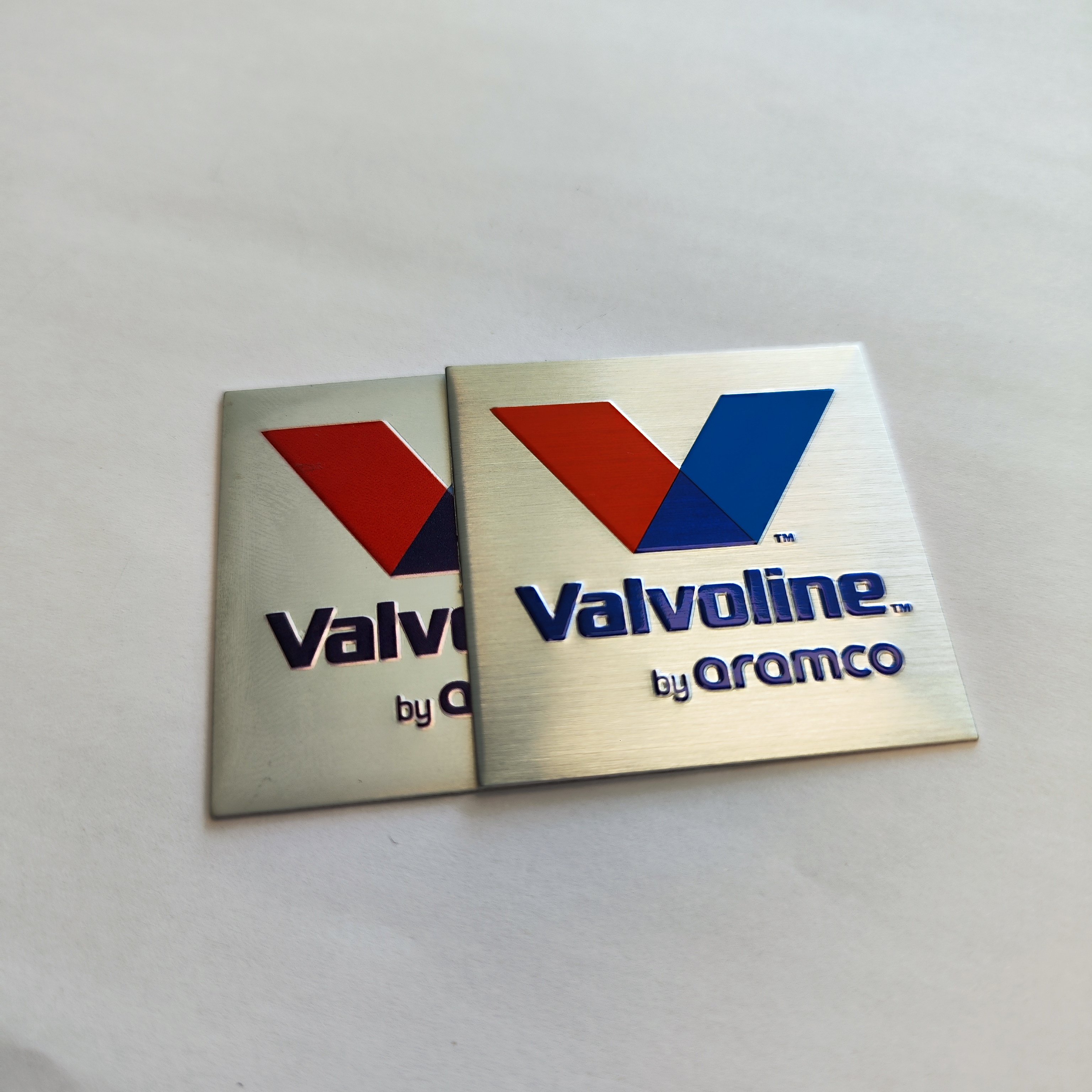
metal equipment tags
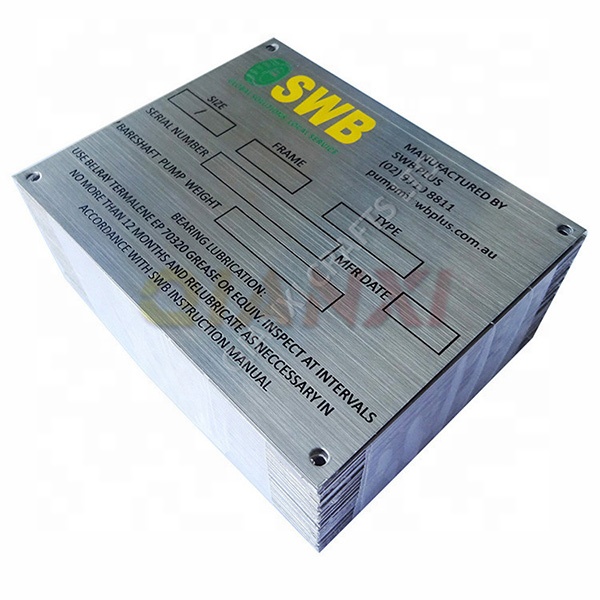
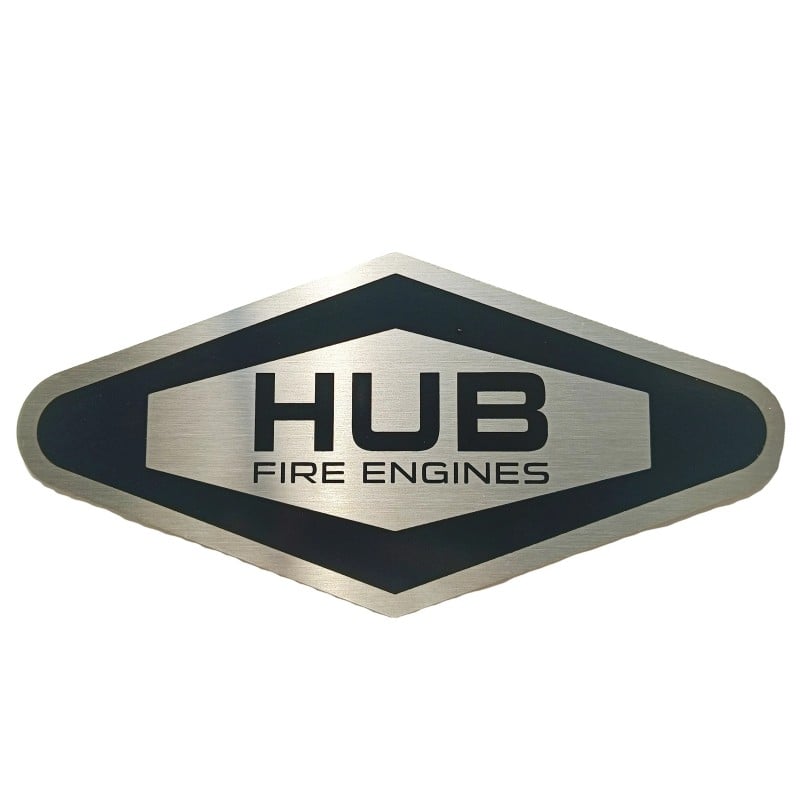
Metal equipment tags are specialized identification solutions designed to label, organize, and track equipment across industrial, commercial, and operational environments. These durable metal equipment tags serve as permanent identification markers that withstand harsh conditions, temperature fluctuations, moisture, and chemical exposure. Metal equipment tags combine functionality with longevity, making them essential tools for asset management and equipment tracking systems.
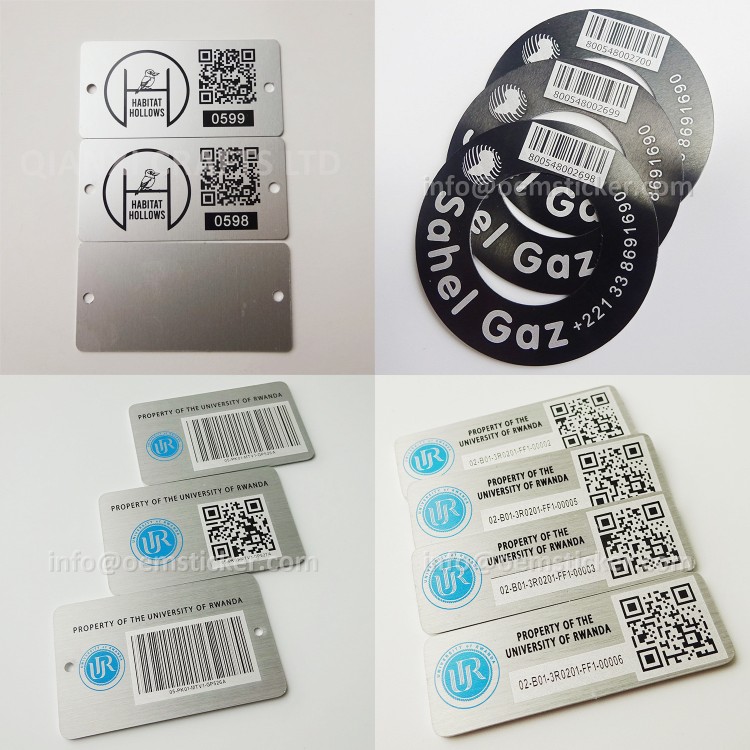
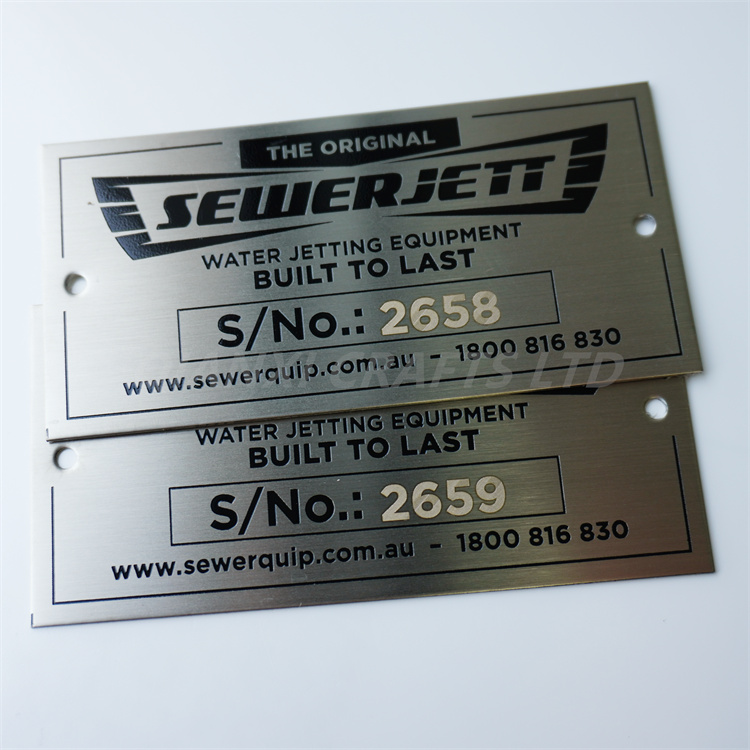
The primary function of metal equipment tags is to provide clear, legible identification for machinery, tools, and industrial assets. Whether stamped with sequential numbers, QR codes, barcodes, or custom graphics, metal equipment tags enable quick identification and inventory management. These tags facilitate efficient tracking throughout an asset's lifecycle, from acquisition through disposal.
Technologically, metal equipment tags leverage advanced materials including anodized aluminum, stainless steel, and brass, ensuring resistance to corrosion and degradation. Laser engraving and embossing technologies create permanent markings that remain readable for decades. Metal equipment tags can integrate security features, holographic elements, and color-coding systems for enhanced identification.
Applications for metal equipment tags span numerous industries. Manufacturing facilities use them for machinery identification. Hospitals implement metal equipment tags for medical equipment tracking. Utilities employ them for infrastructure asset management. Construction companies track tool inventories with metal equipment tags. Data centers use specialized metal equipment tags for server and network equipment identification. Telecommunications companies rely on metal equipment tags for network component tracking. These versatile solutions adapt to virtually any equipment identification requirement, making metal equipment tags indispensable for organized, efficient operations.
 EN
EN