 EN
EN

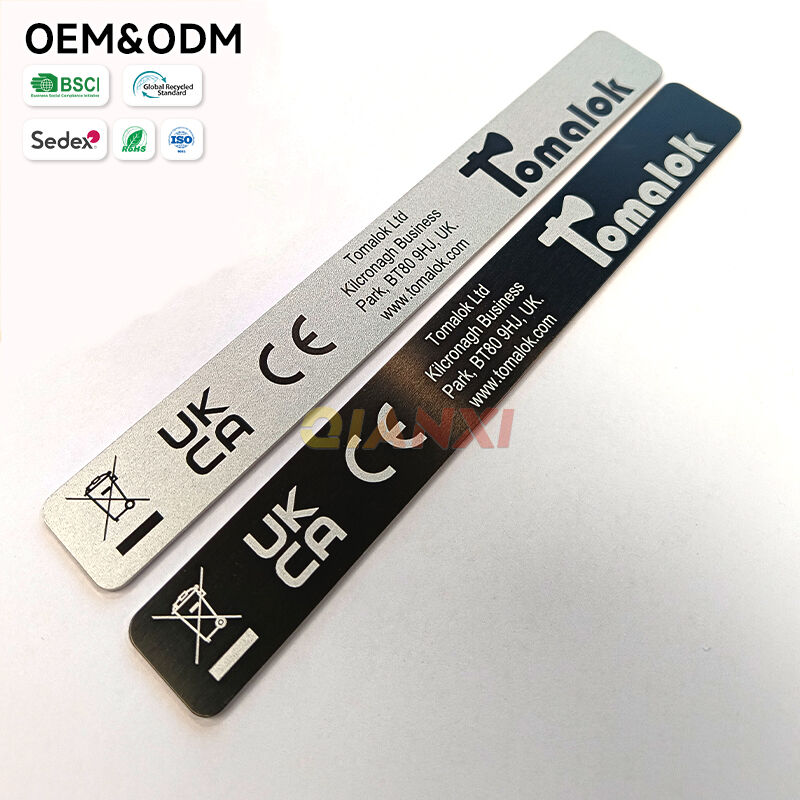
At vælge den rigtige limløsning til udendørsprojekter kræver en omhyggelig vurdering af miljøforholdene, kravene til holdbarhed og specifikke anvendelsesforhold. Spørgsmålet om, hvornår man skal bruge harpiksetiketter til udendørsprojekter, afhænger af forståelsen af deres unikke beskyttende egenskaber, vejrmodstandsdygtighed og egnethed til forskellige udsættelsesscenarier. Disse specialiserede mærkningsløsninger giver tydelige fordele i udfordrende udendørsomgivelser, hvor almindelige etiketter ikke leverer den ønskede ydelse.
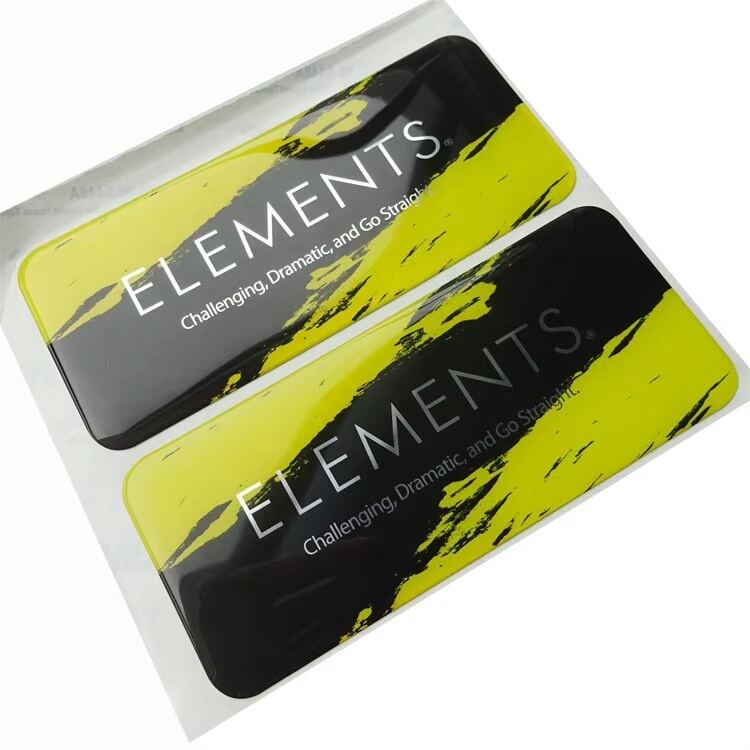
Tidspunktet for implementering af harpiksetiketter afhænger af projektfasen, varigheden af udsættelse for miljøpåvirkninger og de forventede ydelseskrav. At forstå disse faktorer sikrer optimal tidspunkt for anvendelse og maksimerer de beskyttende fordele, som harpiksetiketter tilbyder i udendørsforhold. Denne beslutningsramme hjælper med at fastslå de præcise forhold, under hvilke harpiksetiket-teknologi leverer bedre resultater end alternative mærkningsløsninger.
Miljøforhold, der kræver beskyttelse med harskiveetiketter
Ekstreme temperatursvingninger
Harskiveetiketter udmærker sig i udendørsprojekter, hvor temperatursvingningerne er alvorlige og hyppige. Når dit projekt omfatter udstyr eller skilte, der udsættes for hurtige opvarmnings- og afkølingscyklusser, sikrer den beskyttende harskivedom den termiske stabilitet, der forhindrer limfejl og grafisk nedbrydning. Konstruktionen af harskiveetiketten bevares intakt over temperaturintervaller, hvor almindelige vinyl- eller papiretiketter ville blive kompromitteret.
Industrielt udendørsudstyr, der udsættes for direkte sollys i sommermånederne og under-frysepunkts-temperaturer om vinteren, kræver den dimensionelle stabilitet, som harskiveetiketter tilbyder. Harskivedomen af polyurethan udvider og trækker sig jævnt, hvilket forhindrer revner og løsning, som opstår hos stive limmaterialer under termisk spænding.
Bygningsudstyr, udendørs maskineri og faste installationer drager fordel af beskyttelse med harsklistre når de opererer i klimaer med betydelige sæsonbetingede temperatursvingninger. Tidspunktet for påføring af harsklistre skal være afstemt med installationsfasen for at sikre maksimal beskyttelsesvirkning gennem udstyrets udendørs levetid.
Høj luftfugtighed og fugtudsættelse
Kystinstallationer, marine miljøer og regioner med høj luftfugtighed skaber forhold, hvor fugttrængning ødelægger konventionelle mærkningsmaterialer. En harsklistre udgør en vandtæt barriere, der forhindrer fugttrængning og opretholder grafisk tydlighed under vedvarende fugtige forhold. Den forseglede kantkonstruktion eliminerer veje for vandtrængning, som kan underminere klæbeforbindelserne.
Udendørsprojekter i tropiske klimaer eller områder med hyppig nedbør kræver fugtbestandighed, som harpiksetiketter leverer. Tidspunktet bliver afgørende, når udstyr eller skilte skal opretholde læselighed og klæbefasthed gennem længere regnsæsoner eller i miljøer med konstant fugtbelastning.
Svømmebadsområder, vandbehandlingsanlæg og komponenter til bevandringssystemer udgør ideelle anvendelsesområder, hvor beskyttelsen fra harpiksetiketter forhindrer klæbefailur og grafisk blekning, som opstår ved ubeskyttede etiketter i fugtrige miljøer.
Eksponering for kemikalier og forureninger
Udendørs installationer i byområder udsættes for udstødning fra motorkøretøjer, industrielle forureningsstoffer og luftbårne kemikalier, der gradvist nedbryder almindelige klæbematerialer. Barrieren fra harpiksetiketter modstår kemisk angreb og forhindrer trængning af forureninger, der forårsager misfarvning og materialeafbrydning i udsatte etiketter.
Produktionsfaciliteter med udstyr udendørs kræver beskyttelse med harskumetiketter, når kemiske dampe, rengøringsopløsninger eller industrielle processer skaber en fjendtlig miljø for almindelige etiketmateriale. Tidspunktet for implementering bør tage højde for koncentrationen og hyppigheden af kemisk udsættelse i det specifikke installationsmiljø.
Landbrugsudstyr, der opererer i miljøer med pesticidanvendelse, gødningseksponering eller kontakt med rengøringskemikalier, drager fordel af den kemiske modstandsdygtighed, som harpiksklistermærke teknologien tilbyder mod aggressive stoffer, der hurtigt nedbryder uskyttede klæbematerialer.
Projektets varighed og ydelsesforventninger
Krav til langvarig installation
Permanent udendørsinstallationer med en forventet levetid på mere end fem år kræver den udvidede holdbarhed, som harpiksetiketter giver. Når projektspecifikationerne kræver vedligeholdelsesfri ydelse over længere perioder, skal valget af harpiksetiketter foretages i den indledende designfase for at sikre kompatibilitet med de langsigtede ydelsesmål.
Infrastrukturprojekter, permanente skiltinstallationer og investeringsudstyr med afskrivningsplaner, der strækker sig over årtier, drager fordel af beskyttelsen fra harpiksetiketter, som opretholder udseende og funktionalitet gennem hele aktiverne produktive levetid. Den oprindelige investering i harpiksetiket-teknologi eliminerer gentagne udskiftningomkostninger forbundet med almindelige mærkningsmaterialer.
Installationer af nyttighedsudstyr, telekommunikationsudstyr og transportinfrastruktur udgør anvendelsesområder, hvor holdbarheden af harsmærker begrundar valget af tidspunktet baseret på levetidsomkostningsanalyse og krav til ydeevne over længerevarende brugsperioder.
Anvendelser med høj synlighed og kritisk information
Sikkerhedsetiketter, mærkning for overholdelse af regler og kritisk driftsinformation kræver den klarhed, som harsmærker sikrer i udendørs miljøer. Når etikettens læselighed direkte påvirker sikkerheden eller overholdelsen af regler, bør tidspunktet for implementering af harsmærker falde sammen med udstyrets installation for at sikre vedvarende synlighed af informationen.
Mærkninger for nødudstyr, advarsler om farer og instruktionsetiketter i udendørs lokationer skal opretholde læselighed uanset miljømæssige forhold. Beskyttelsen med harskiveetiketter forhindrer udblekning, revner og løsning af etiketter, hvilket ellers kan kompromittere kommunikationen af kritisk information, når almindelige etiketter forringes.
Kvalitetskontrolapplikationer, hvor sporbarehedsoplysninger skal forblive læselige gennem hele produktets levetid, kræver holdbarhed af harskiveetiketter for at sikre dataintegriteten i udendørs lagrings- og driftsmiljøer.
Æstetiske og brandimage-overvejelser
Virksomhedens branding, arkitektoniske skilte og dekorative applikationer i udendørs miljøer kræver den visuelle bevarelse, som harskiveetiketter tilbyder. Når visuel tiltal og konsekvent brandimage er projektets prioriteringer, bør valget af harskiveetiketter tidsmæssigt afstemmes med installationsfasen for at sikre optimale æstetiske resultater fra projektafslutningen.
Detailhandelsudendisplay, installations inden for hospilitetssektoren og kommerciel skiltning drager fordel af farvebevarelsen og overfladebeskyttelsen, som forhindrer blekning og vejrpåvirkning, der kompromitterer brandbilledet med konventionelle etiketmateriale.
Arkitektoniske elementer, dekorative installationer og kunstneriske anvendelser kræver den UV-stabilitet og overfladebeskyttelse, som harpiks-etiketter tilbyder, for at bevare designmæssige intentioner i hele perioder med længerevarende udendørs udsættelse.
Anvendelsesscenarier og branchekontekst
Industriel udstyr og maskineri
Tungt udstyr, der opererer inden for bygge-, minedrifts- og industrielle miljøer, udsættes for ekstreme forhold, der hurtigt ødelægger konventionelle etiketter. Tidspunktet for anvendelse af harpiks-etiketter bør falde sammen med udstyrets forberedelsesfaser for at sikre beskyttende fordele fra den første dag med udendørs drift. Disse hårde miljøer omfatter støv, påvirkning fra smutholdigt materiale, kemisk eksponering samt ekstreme vejrforhold.
Landbrugsudstyr står over for unikke udfordringer fra jordkontakt, kemisk behandling og sæsonbetinget vejrudsættelse, hvilket kræver den omfattende beskyttelse, som harskumstikker giver. Den landbrugsmæssige kalender påvirker tidsplanlægningsovervejelserne, og anvendelsen af harskumstikker bør ideelt foretages i vedligeholdelsesperioder før intensiv sæsonbrug begynder.
Maritimt og offshore-udstyr kræver beskyttelse med harskumstikker mod saltstøv, UV-stråling og konstant fugtighed, hvilket skaber en af de mest udfordrende miljøer for klæbematerialer. Tidspunktet bliver kritisk, når udstyret skal bevare identifikations- og driftsmærkninger gennem længerevarende udrustningsperioder uden adgang til vedligeholdelse.
Transport- og flådeanvendelser
Kommunale køretøjsflåder, der opererer i forskellige geografiske regioner, udsættes for varierende miljøforhold, der påvirker mærkningens holdbarhed. Tidspunktet for implementering af harsmærker bør tage højde for rutekarakteristika, sæsonvariationer og vedligeholdelsesplanlægning for at optimere beskyttelsesfordele i forskellige driftsscenarioer.
Luftfartsgrundstøtteudstyr, lufthavnsinstallationer og flykomponenter kræver mærkningsløsninger, der kan klare eksponering for jetbrændstof, afisningskemikalier og ekstreme temperatursvingninger. Tidspunktet for anvendelse af harsmærker er afstemt med vedligeholdelsescykler og regulerede inspektionsplaner.
Jernbaneanvendelser, fragtcontainere og intermodale transportudstyr udsættes for eksponering i flere klimazoner og håndteringsmiljøer, hvilket kræver den alsidige beskyttelse, som harsmærker tilbyder under forskellige driftsforhold.
Arkitektoniske og byggemæssige anvendelser
Byggesystemer, HVAC-udstyr og arkitektoniske elementer kræver permanent identifikation, der bibeholder læselighed gennem hele bygningens levetid.
Yderligere bygningselementer, facadeelementer og udendørsinstallationer kræver den UV-stabilitet og vejrmodstand, som harpiksetiketter tilbyder, for at forhindre forringelse af udseendet, hvilket påvirker bygningens æstetik og vedligeholdelseskrav.
Infrastrukturprojekter, herunder broer, forsyningssystemer og offentlige arbejdsinstallationer, drager fordel af harpiksetiketternes holdbarhed, hvilket reducerer behovet for vedligeholdelsesindsatser og sikrer kontinuerlig synlighed af identifikationen gennem hele aktiverne levetid.
Tidspunkt for beslutningstagning og implementeringsstrategi
Overvejelser i projekteringsfasen
Den optimale tidspunkt for valg af harsklistre falder sammen med den tidlige projekteringsfase, hvor miljøforhold, krav til ydeevne og budgetmæssige overvejelser kan vurderes omfattende. Denne planlægningsfase gør det muligt at udvikle korrekte specifikationer og sikrer, at egenskaberne for harsklistre er i overensstemmelse med projektmålene og de operative krav.
Miljøvurderingen i forbindelse med projekteringen identificerer udsættelsesforhold, der begrundar valget af harsklistre frem for standardetiketteringsmuligheder. Denne vurdering skal omfatte klimadata, potentiel kemisk påvirkning, mekaniske spændingsfaktorer samt æstetiske krav, der påvirker tidspunktet og omfanget af implementeringen af harsklistre.
Omkostnings-nytteanalyse i planlægningsfasen demonstrerer de økonomiske fordele ved harspænds-etiketters holdbarhed sammenlignet med de gentagne udskiftningomkostninger for konventionelle etiketter. Denne analyse understøtter tidsbestemmelse af beslutninger baseret på optimering af livscyklusomkostninger og krav til ydeevne og pålidelighed.
Installation og implementeringstidspunkt
Krav til overfladeberedelse påvirker tidspunktet for anvendelse af harspænds-etiketter for at sikre optimal klæbning og ydeevne. Installationsplanen skal tage højde for korrekt rengøring, overfladebehandling og miljømæssige forhold, der maksimerer bindingseffekten og langtidsholdbarheden.
Vejrforholdene under installationen påvirker ydeevnen af harspænds-etiketter og bør derfor indgå i overvejelserne ved planlægning af applikationsaktiviteter. Temperatur, luftfugtighed og nedbør under installationen kan påvirke klæbemiddlets udrådning og den langvarige bindingsstyrke.
Adgangen til udstyret under installationsfasen afgør den praktiske tidsplan for påføring af harsklistreklister. Komplekse installationer kan kræve koordination med andre bygge- eller vedligeholdelsesaktiviteter for at sikre korrekt påføring uden forstyrrelse fra samtidige arbejdsaktiviteter.
Vedligeholdelse og livscyklusadministration
Planlægningen af forebyggende vedligeholdelse bør tage hensyn til inspektionskravene for harsklistreklister for at identificere potentielle problemer, inden de påvirker ydeevnen. Tidspunktet for disse inspektioner er afstemt med udstyrets vedligeholdelsescykler og vurderinger af miljøpåvirkning.
Tidspunktet for udskiftning af harsklistreklister afhænger af udsættelsesforholdene og indikatorer på ydeevnesvægt frem for vilkårlige tidsintervaller. Kriterierne for visuel inspektion hjælper med at fastslå, hvornår udskiftning bliver nødvendig ud fra den faktiske stand og ikke ud fra teoretiske estimater af levetiden.
Dokumentationssystemer og sporingssystemer understøtter optimal timing for vedligeholdelse og udskiftning af harpikssticker baseret på faktiske ydelsesdata og historik over miljøpåvirkning.
Ofte stillede spørgsmål
Hvor længe skal du vente, før du påfører harpikssticker efter udstyrsinstallation?
Lad nyligt installeret udstyr gennemgå den indledende sætning og udgassningsproces, inden du påfører harpikssticker. Vent generelt 24–48 timer efter installation for at sikre overfladestabilitet og korrekt miljøtilvænning. Denne tidsplan forhindrer klæbeproblemer, der kan opstå, når underlagene stadig frigiver fremstillingsrester eller tilpasser sig miljøforholdene.
Kan harpikssticker påføres i vintermånederne ved udendørs projekter?
Anvendelse af harsklistermærker om vinteren kræver overfladetemperaturer over 50 °F (10 °C) for optimal klæbevirkning. Installation i koldt vejr kan kræve midlertidig opvarmning eller planlægning af applikationen i varmere perioder. Selv om harskmaterialet yder godt i kolde forhold, når det først er korrekt påført, kræves der en tilstrækkelig temperatur til aktivering af klæbemidlet ved den indledende fastgørelse.
Hvornår bør du udskifte eksisterende mærkater med harsklistermærker på udstyr til brug udendørs?
Udskift konventionelle mærkater med harsklistermærker, når de eksisterende mærkater viser tegn på blekning, løsning eller forringelse, eller når udstyret vil blive udsat for øget miljøpåvirkning. Den optimale tidspunkt for udskiftning falder sammen med planlagte vedligeholdelsesperioder, hvor udstyret er tilgængeligt og overfladeforberedelse kan udføres korrekt. Overvej at udskifte mærkaterne, inden de bliver helt ulæselige, for at sikre driftssikkerhed og overholdelse af kravene.
Hvornår kræves overfladeforberedelse før påføring af harsklistermærker?
Udfør fuldstændig overfladeforberedning umiddelbart før påsætning af harsplasteretiketter for at forhindre forurening, der kompromitterer klæbningen. Rengør overfladerne med passende opløsningsmidler, lad dem tørre fuldstændigt, og påsæt etiketterne inden for 30 minutter efter forberedningen, hvis muligt. Forlængede ventetider mellem forberedning og påsætning kan give anledning til akkumulering af forureninger, hvilket reducerer tilspændingsstyrken og den langsigtede ydeevne.
Indholdsfortegnelse
- Miljøforhold, der kræver beskyttelse med harskiveetiketter
- Projektets varighed og ydelsesforventninger
- Anvendelsesscenarier og branchekontekst
- Tidspunkt for beslutningstagning og implementeringsstrategi
-
Ofte stillede spørgsmål
- Hvor længe skal du vente, før du påfører harpikssticker efter udstyrsinstallation?
- Kan harpikssticker påføres i vintermånederne ved udendørs projekter?
- Hvornår bør du udskifte eksisterende mærkater med harsklistermærker på udstyr til brug udendørs?
- Hvornår kræves overfladeforberedelse før påføring af harsklistermærker?