 EN
EN

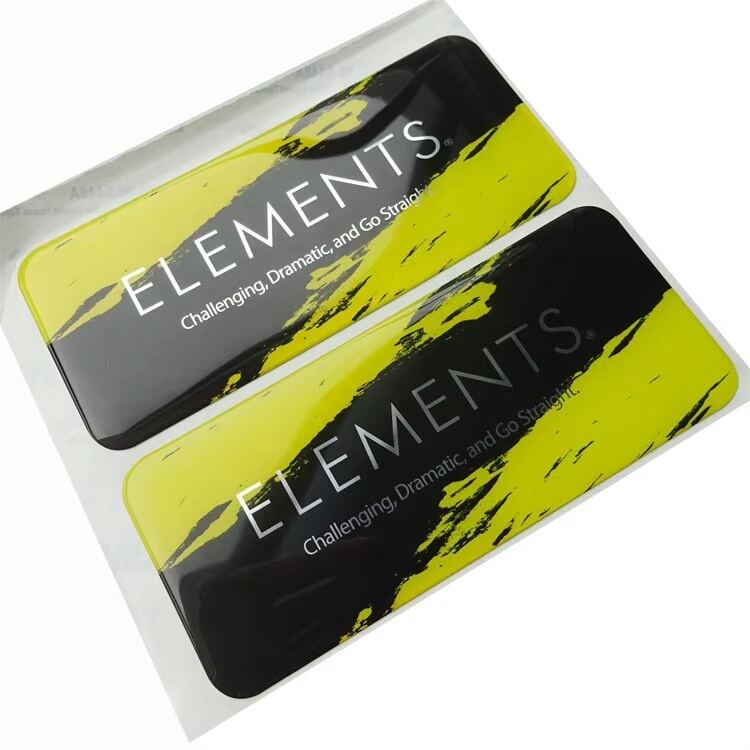
When examining the durability differences between adhesive labels, the superior longevity of resin stickers becomes immediately apparent through their advanced material composition and protective characteristics. Understanding why a resin sticker outlasts conventional alternatives requires examining the fundamental structural differences that provide enhanced resistance to environmental factors, physical wear, and chemical degradation. These performance advantages stem from the polyurethane or epoxy resin dome that creates a protective barrier over the printed surface, fundamentally changing how the label interacts with its surrounding environment.
The extended lifespan of resin stickers represents a significant advancement in labeling technology, particularly valuable for industrial applications, outdoor equipment marking, and high-traffic environments where label integrity directly impacts operational efficiency. Regular paper or vinyl stickers typically deteriorate within months when exposed to harsh conditions, while properly manufactured resin stickers maintain their appearance and adhesion for years under similar circumstances. This durability difference translates into reduced replacement costs, improved brand consistency, and enhanced reliability for critical identification applications across various industries.
Material Composition Advantages
Protective Resin Dome Structure
The primary reason resin stickers demonstrate superior longevity lies in their multi-layered construction featuring a clear polyurethane or epoxy resin dome that encapsulates the printed design. This dome creates a sealed environment around the ink and substrate, preventing direct contact with moisture, chemicals, and abrasive forces that typically cause regular stickers to fade, peel, or deteriorate. The resin material itself exhibits excellent chemical resistance properties, maintaining clarity and protective function even when exposed to solvents, oils, and cleaning agents that would immediately damage conventional labels.
Unlike regular stickers that rely solely on surface coatings for protection, each resin sticker incorporates a three-dimensional barrier that distributes mechanical stress across a broader surface area. This structural advantage prevents localized wear patterns that commonly develop on flat labels, particularly around edges where peeling typically initiates. The dome configuration also creates a smooth, continuous surface that resists dirt accumulation and simplifies cleaning procedures without compromising label integrity.
Advanced Adhesive Systems
Manufacturers typically pair resin sticker construction with high-performance adhesive formulations designed to complement the enhanced durability of the protective dome. These specialized adhesives maintain their bonding strength across wider temperature ranges and resist the chemical migration that can weaken conventional sticker adhesion over time. The combination of superior substrate materials and advanced bonding agents creates a synergistic effect that significantly extends overall label lifespan compared to standard paper or vinyl alternatives.
The adhesive selection process for resin stickers considers the long-term interaction between the bonding agent and both the substrate material and the intended application surface. This careful matching ensures that the adhesive performance remains consistent throughout the extended service life enabled by the resin dome protection, preventing premature failure at the bond interface that could compromise the entire label system.
Environmental Resistance Factors
UV Protection and Color Stability
Ultraviolet radiation represents one of the most destructive environmental factors affecting label longevity, causing rapid fading and material degradation in regular stickers exposed to sunlight. The resin dome in each resin sticker functions as an effective UV filter, absorbing or reflecting harmful wavelengths before they can reach the printed design underneath. This protection mechanism maintains color vibrancy and prevents the photodegradation processes that cause regular labels to become illegible within months of outdoor exposure.
The UV resistance of resin stickers extends beyond simple color preservation to include protection of the substrate material itself. Regular paper-based stickers become brittle and prone to cracking when exposed to UV radiation, while the resin dome maintains flexibility and impact resistance throughout extended exposure periods. This comprehensive protection ensures that both the aesthetic and functional properties of the label remain intact across years of service in challenging outdoor environments.
Moisture and Chemical Barrier Properties
Water penetration represents a critical failure mode for conventional stickers, leading to ink bleeding, adhesive failure, and substrate deterioration that rapidly compromises label functionality. The sealed construction of resin stickers creates an impermeable barrier that prevents moisture ingress regardless of exposure duration or humidity levels. This waterproof characteristic proves particularly valuable in marine applications, food service environments, and industrial settings where regular cleaning procedures would quickly destroy standard labels.
Chemical resistance extends the protective advantages of resin stickers beyond simple moisture protection to include resistance against oils, solvents, and cleaning agents commonly encountered in industrial environments. Regular stickers typically show immediate degradation when exposed to petroleum products or industrial cleaners, while resin sticker construction maintains integrity and appearance even after repeated chemical exposure. This resistance characteristic enables reliable labeling in harsh industrial applications where conventional alternatives fail rapidly.
Mechanical Durability Characteristics
Scratch and Abrasion Resistance
The superior scratch resistance of resin stickers stems from the inherent hardness and smooth surface characteristics of the protective dome material. While regular stickers rely on thin surface coatings that wear away quickly under mechanical stress, the substantial thickness of the resin dome distributes impact forces and resists penetration from sharp objects or abrasive contact. This mechanical protection ensures that printed information remains clearly visible even after years of handling or exposure to potentially damaging contact.
Comparative testing demonstrates that resin stickers maintain surface integrity under abrasion conditions that completely destroy regular paper or vinyl labels within minutes. The self-healing properties of some polyurethane resin formulations enable minor surface scratches to disappear over time, further extending the effective service life of each resin sticker beyond what static mechanical testing might predict.
Impact and Flexural Strength
The three-dimensional structure of resin stickers provides enhanced impact resistance compared to the flat profile of regular stickers, which concentrate stress at the point of impact and often result in immediate cracking or delamination. The dome configuration distributes impact energy across the entire label surface and into the surrounding substrate, significantly reducing the likelihood of catastrophic failure from drops, impacts, or vibration exposure common in industrial applications.
Flexural testing reveals that resin stickers maintain adhesion and appearance integrity through thousands of bend cycles that would cause regular stickers to crack, peel, or lose adhesion. This flexibility advantage proves crucial for applications involving curved surfaces, thermal expansion, or mechanical movement where label conformability and durability must coexist throughout extended service periods.
Manufacturing Quality and Consistency
Production Process Control
The manufacturing process for resin stickers incorporates multiple quality control steps that ensure consistent dome thickness, cure properties, and adhesive performance across production runs. This process control level exceeds what typically applies to regular sticker production, where cost pressures often compromise material quality and manufacturing consistency. The investment in specialized equipment and materials for resin sticker production reflects the performance expectations and extended service requirements that justify their premium cost structure.
Quality assurance testing for resin stickers typically includes accelerated aging protocols, adhesion strength verification, and environmental resistance validation that regular sticker manufacturers rarely perform. These comprehensive testing procedures ensure that each production batch meets the durability specifications that differentiate resin stickers from conventional alternatives, providing users with reliable performance predictions for their specific application requirements.
Material Traceability and Standards
Professional resin sticker manufacturers maintain detailed material traceability records that document the source, composition, and performance characteristics of each component used in production. This documentation level enables consistent quality reproduction and supports warranty claims that often accompany resin sticker applications, contrasting with the limited material documentation typically available for regular sticker products where cost considerations limit quality assurance investments.
Industry standards development for resin stickers reflects their adoption in critical applications where failure consequences justify enhanced material specifications and testing requirements. These standards provide objective criteria for evaluating durability claims and ensure that performance expectations align with actual service conditions across diverse application environments.
FAQ
How much longer do resin stickers last compared to regular ones?
Resin stickers typically last 5-10 times longer than regular paper or vinyl stickers under similar conditions. While regular stickers may deteriorate within 6-12 months when exposed to outdoor conditions, properly manufactured resin stickers often maintain functionality and appearance for 5-10 years or more, depending on environmental exposure and application requirements.
Are resin stickers worth the higher cost for indoor applications?
For indoor applications with minimal environmental stress, the cost premium of resin stickers may not be justified unless the application involves frequent handling, cleaning, or exposure to chemicals. However, in high-traffic areas, industrial environments, or applications requiring long-term identification reliability, the extended lifespan and reduced replacement frequency often provide positive return on investment through lower maintenance costs.
Can resin stickers be removed without damaging the surface?
Resin stickers can be removed from most surfaces using appropriate techniques, though their strong adhesive systems may require heat application or specialized removal solvents. The removal process typically requires more effort than regular stickers due to the superior bonding strength, but proper technique prevents surface damage while ensuring complete adhesive removal.
Do all resin stickers provide the same level of durability?
Durability varies significantly among resin sticker products depending on the quality of materials, manufacturing processes, and specific resin formulations used. Premium manufacturers offer superior longevity through advanced polyurethane or epoxy systems, while lower-cost alternatives may provide only modest improvements over regular stickers. Evaluating manufacturer specifications and testing certifications helps ensure selection of products that meet specific durability requirements.