 EN
EN

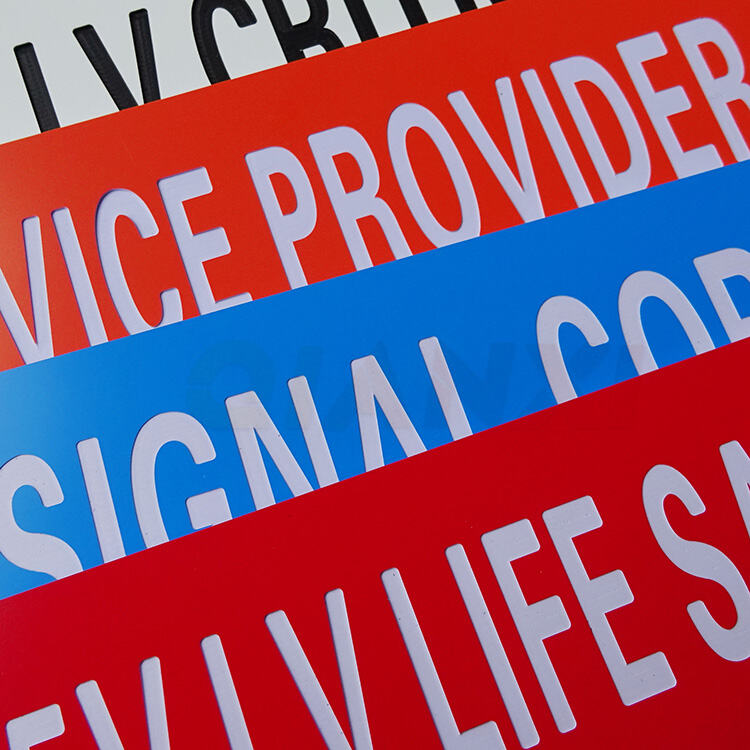
In 2026, industrial facilities and equipment manufacturers are increasingly focused on durability and longevity when selecting identification solutions. Traffolyte nameplate materials have become a cornerstone of industrial labeling due to their exceptional resistance to harsh environmental conditions and their ability to maintain legibility over extended periods. Understanding the expected lifespan of these materials is crucial for maintenance planning, budgeting, and ensuring compliance with safety regulations.
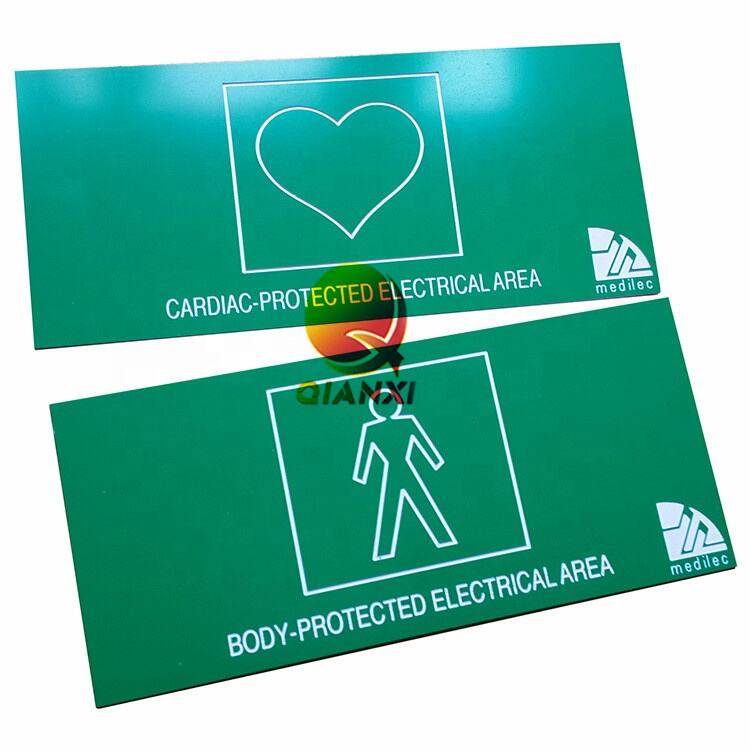
The longevity of traffolyte nameplate materials depends on multiple factors including environmental exposure, application method, substrate quality, and maintenance practices. Current technological advances in 2026 have further enhanced the durability characteristics of these laminated plastic materials, making them suitable for applications ranging from electrical control panels to marine environments. Modern traffolyte nameplate systems can reliably perform for decades when properly specified and installed.
Material Composition and Durability Factors
Advanced Laminate Technology in 2026
Modern traffolyte nameplate materials utilize sophisticated multi-layer laminate construction that significantly extends their operational lifespan. The core substrate typically consists of high-grade phenolic resin or acrylic materials that provide exceptional dimensional stability and resistance to thermal cycling. The surface layers incorporate UV-stabilized compounds that prevent color fading and maintain engraving contrast even after prolonged exposure to sunlight and artificial lighting.
In 2026, manufacturers have refined the chemical formulations to enhance resistance to industrial chemicals, oils, and cleaning solvents. These improvements mean that a properly manufactured traffolyte nameplate can maintain its structural integrity and readability for 15 to 25 years in typical industrial environments. The adhesive systems have also evolved, with pressure-sensitive adhesives now offering superior bonding strength and resistance to temperature fluctuations.
Environmental Resistance Characteristics
The exceptional durability of traffolyte nameplate materials stems from their inherent resistance to environmental degradation factors. These materials demonstrate remarkable stability when exposed to temperature ranges from -40°C to +120°C, making them suitable for applications in extreme climates and high-temperature industrial processes. The laminate structure prevents moisture ingress, eliminating the risk of delamination or adhesive failure due to humidity exposure.
Chemical resistance testing conducted in 2026 shows that traffolyte nameplate materials maintain their properties when exposed to most industrial cleaning agents, petroleum products, and mild acids. This chemical stability directly translates to extended service life in demanding applications such as chemical processing facilities, automotive manufacturing plants, and marine installations where exposure to corrosive substances is common.
Application Environment Impact on Longevity
Indoor Industrial Applications
In controlled indoor environments, traffolyte nameplate materials typically achieve their maximum expected lifespan. Manufacturing facilities, control rooms, and electrical panels provide relatively stable conditions that allow these materials to perform for 20 to 30 years without significant degradation. The absence of direct UV exposure and reduced temperature cycling in indoor applications minimizes the primary stress factors that could limit material longevity.
Indoor applications benefit from consistent ambient conditions and protection from weather-related stress factors. However, exposure to industrial processes such as welding operations, chemical vapors, or high-frequency vibration can impact the adhesive bond and material integrity. Regular inspection protocols in 2026 recommend annual visual assessments to identify any signs of edge lifting or surface degradation that might indicate the need for replacement.
Outdoor and Marine Environments
Outdoor applications present more challenging conditions for traffolyte nameplate materials, with UV radiation being the primary limiting factor for long-term performance. Despite advanced UV stabilization in 2026 formulations, continuous exposure to sunlight will gradually affect the surface properties over time. In typical outdoor industrial applications, these materials maintain acceptable performance for 12 to 18 years before showing signs of surface chalking or color shift.
Marine environments pose additional challenges due to salt spray exposure and constant moisture. However, the inherent chemical resistance of traffolyte nameplate materials makes them well-suited for these applications. Coastal industrial facilities and offshore platforms can expect 10 to 15 years of reliable service from properly installed traffolyte nameplates, provided appropriate surface preparation and adhesive selection protocols are followed.
Maintenance Practices and Longevity Enhancement
Preventive Maintenance Strategies
Implementing systematic maintenance practices significantly extends the operational life of traffolyte nameplate installations. Regular cleaning with approved solvents removes accumulated contaminants that could degrade the surface or compromise adhesive bonds. In 2026, maintenance protocols emphasize the use of mild detergent solutions and soft cleaning tools to preserve the engraved surface detail and prevent scratching.
Edge inspection and re-sealing procedures help prevent moisture ingress and adhesive failure. Facilities that implement quarterly inspection schedules typically see 20-30% longer service life from their traffolyte nameplate installations. Early detection of edge lifting or surface cracking allows for proactive replacement before complete failure, maintaining safety compliance and operational efficiency.
Installation Quality Impact
The installation process significantly influences the ultimate longevity of traffolyte nameplate materials. Proper surface preparation, including degreasing and surface roughening, creates optimal conditions for adhesive bonding. Temperature and humidity control during installation ensures proper adhesive cure and maximum bond strength development.
Professional installation techniques in 2026 include the use of application tools that eliminate air bubbles and ensure complete contact between the adhesive and substrate. These practices contribute to longer service life by preventing stress concentrations that could lead to premature failure. Quality installation can extend the effective lifespan of traffolyte nameplate materials by 25-40% compared to improper installation methods.
Economic Considerations and Replacement Planning
Life Cycle Cost Analysis
When evaluating the economic value of traffolyte nameplate materials in 2026, the total cost of ownership includes initial material costs, installation labor, and long-term maintenance requirements. The extended service life of these materials often provides superior economic value compared to alternative labeling solutions that require more frequent replacement.
Facilities planning major equipment overhauls or renovations can optimize their traffolyte nameplate replacement schedules to coincide with these activities. This approach minimizes labor costs and ensures that new nameplates are installed on clean, properly prepared surfaces. The 15-25 year typical service life aligns well with major maintenance cycles in most industrial facilities.
Performance Monitoring and Replacement Indicators
Modern facilities implement condition monitoring systems that track the performance of traffolyte nameplate installations over time. Visual inspection criteria include edge condition, surface integrity, and engraving legibility. Digital documentation systems in 2026 enable facilities to maintain detailed records of nameplate installation dates and condition assessments.
Replacement indicators typically include visible surface degradation, loss of adhesive bond, or changes in engraving contrast that affect readability. Proactive replacement before complete failure ensures continued compliance with safety regulations and maintains the professional appearance of equipment and facilities. Planning replacement activities during scheduled maintenance windows minimizes operational disruption.
FAQ
What is the typical lifespan of traffolyte nameplate materials in standard industrial environments?
In typical indoor industrial environments with controlled temperature and humidity, traffolyte nameplate materials can last 20 to 30 years. Outdoor applications typically see 12 to 18 years of service life, while harsh marine environments may reduce this to 10 to 15 years. These timeframes assume proper installation and basic maintenance practices.
How do 2026 traffolyte nameplate formulations differ from earlier versions in terms of durability?
The 2026 formulations incorporate enhanced UV stabilizers, improved chemical resistance compounds, and advanced adhesive systems that extend service life by approximately 25-30% compared to materials produced five years earlier. These improvements specifically address common failure modes such as UV degradation and adhesive bond failure in challenging environments.
What maintenance practices can extend the life of traffolyte nameplate installations?
Regular cleaning with mild detergent solutions, quarterly edge inspections, and prompt repair of any lifting or damage can extend service life by 20-30%. Avoiding harsh chemicals and abrasive cleaning methods is crucial. Professional re-application of edge sealants every 5-7 years in outdoor applications also helps maintain adhesive integrity.
When should traffolyte nameplates be replaced even if they appear functional?
Replacement should be considered when engraving contrast decreases to the point where text becomes difficult to read under normal lighting conditions, when edges show signs of lifting or moisture intrusion, or when surface chalking becomes apparent. Even if functional, nameplates approaching 15-20 years of service in critical applications should be evaluated for proactive replacement during scheduled maintenance windows.
Table of Contents
- Material Composition and Durability Factors
- Application Environment Impact on Longevity
- Maintenance Practices and Longevity Enhancement
- Economic Considerations and Replacement Planning
-
FAQ
- What is the typical lifespan of traffolyte nameplate materials in standard industrial environments?
- How do 2026 traffolyte nameplate formulations differ from earlier versions in terms of durability?
- What maintenance practices can extend the life of traffolyte nameplate installations?
- When should traffolyte nameplates be replaced even if they appear functional?