 EN
EN

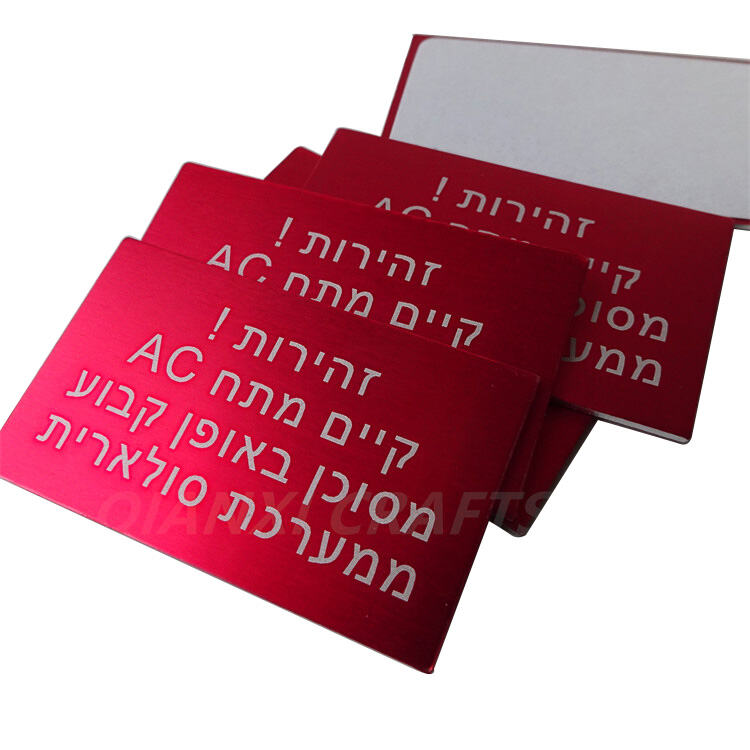
As businesses and consumers increasingly prioritize durable, professional-grade labeling solutions, the resin sticker market has evolved dramatically to meet sophisticated demands for longevity, aesthetic appeal, and functional performance. Understanding what constitutes quality in resin sticker manufacturing helps buyers make informed decisions that deliver long-term value rather than short-term cost savings that often result in premature failure, poor adhesion, or aesthetic degradation.
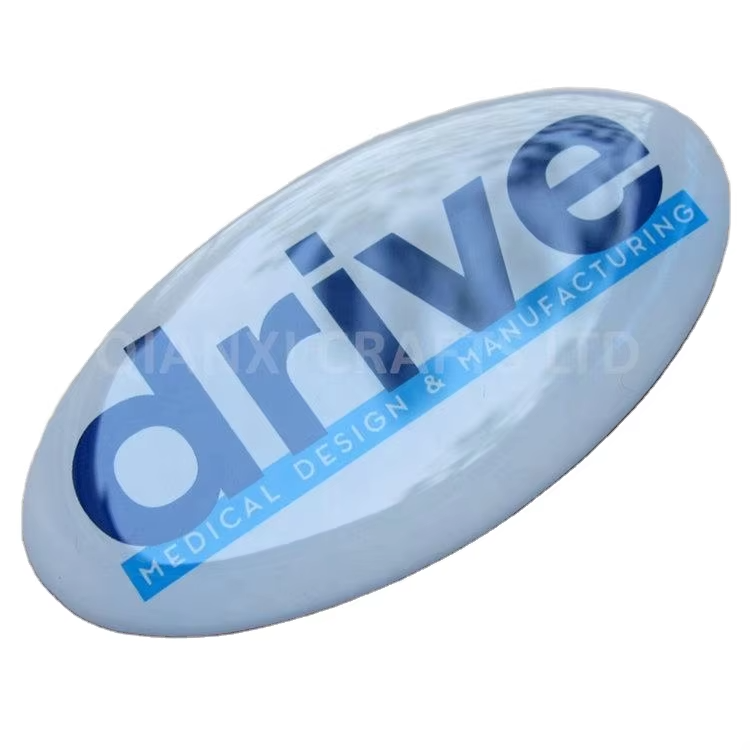
The investment worthiness of premium resin sticker solutions becomes evident when examining the total cost of ownership, performance reliability under demanding conditions, and the professional image they convey across industrial, commercial, and consumer applications. Quality resin stickers deliver measurable returns through extended service life, consistent performance, and reduced replacement frequency that ultimately justifies their initial cost premium.
Material Innovation Driving Resin Sticker Value
Advanced Resin Formulations
Modern quality resin sticker production utilizes sophisticated polymer chemistry that creates superior dimensional stability, chemical resistance, and optical clarity compared to conventional labeling materials. These advanced formulations incorporate UV-resistant compounds that prevent yellowing and brittleness even after years of exposure to harsh environmental conditions.
The molecular structure of premium resin materials provides exceptional flexibility while maintaining structural integrity, allowing the resin sticker to conform to curved surfaces without cracking or delaminating. This molecular engineering represents a significant advancement over earlier resin technologies that often became rigid and prone to failure under thermal cycling.
Leading manufacturers now employ multi-layer resin systems that combine different polymer properties within a single sticker construction, optimizing surface hardness, adhesive compatibility, and environmental resistance simultaneously. This layered approach ensures that each component of the resin sticker performs its intended function without compromising overall system performance.
Enhanced Durability Characteristics
Quality resin stickers demonstrate superior resistance to abrasion, chemical exposure, and thermal stress that extends their functional lifespan far beyond conventional label materials. The three-dimensional cross-linked polymer structure inherent in quality resin formulations creates a robust barrier against degradation mechanisms that typically affect other labeling technologies.
Temperature cycling tests reveal that premium resin sticker materials maintain their physical properties across temperature ranges from -40°C to +150°C, making them suitable for applications in automotive, aerospace, and industrial equipment where thermal stress is common. This temperature stability ensures consistent performance regardless of seasonal variations or operational heating.
The chemical inertness of quality resin materials provides excellent resistance to acids, bases, solvents, and cleaning chemicals commonly encountered in industrial and commercial environments. This chemical resistance prevents the degradation, swelling, or dissolution that often compromises the integrity and appearance of inferior labeling materials.
Manufacturing Precision and Quality Control
Production Process Excellence
Quality resin sticker manufacturing requires precise control of mixing ratios, curing temperatures, and processing parameters to achieve consistent material properties throughout each production batch. Advanced manufacturing facilities utilize automated dispensing systems and real-time monitoring to eliminate the variability that can compromise product performance and reliability.
The curing process for premium resin sticker production involves carefully controlled thermal profiles that ensure complete polymer cross-linking while preventing internal stress development that could lead to premature failure. This precision curing creates uniform material properties and eliminates weak points that might compromise long-term performance.
Quality manufacturers implement multi-stage inspection processes that verify dimensional accuracy, surface finish quality, and adhesive performance before products reach customers. These quality control measures ensure that each resin sticker meets specified performance criteria and maintains consistency across large production volumes.
Adhesive System Integration
The adhesive system used in quality resin stickers must be specifically formulated to bond effectively with both the resin material and the intended substrate while maintaining long-term stability under environmental stress. Premium adhesive formulations provide immediate tack for easy application while developing full bond strength over time to create permanent attachment.
Advanced adhesive chemistries incorporated in quality resin sticker systems resist plasticizer migration, oxidation, and thermal degradation that can cause bond failure in demanding applications. These specialized adhesives maintain their performance characteristics even when exposed to oils, fuels, cleaning solvents, and other chemicals commonly found in industrial environments.
The compatibility between resin materials and adhesive systems requires careful engineering to prevent delamination, bubble formation, or adhesive bleed-through that can compromise both appearance and performance. Quality manufacturers conduct extensive compatibility testing to ensure optimal adhesion and long-term stability of the complete resin sticker system.
Performance Benefits Justifying Investment
Extended Service Life
Quality resin stickers typically provide service life measured in decades rather than years, making them cost-effective solutions for permanent labeling applications where replacement would be difficult or expensive. The extended durability eliminates the recurring costs associated with label replacement and the associated labor and downtime expenses.
Accelerated aging tests demonstrate that premium resin sticker materials retain their physical properties, color stability, and adhesion strength after equivalent exposure periods that would cause significant degradation in conventional labeling materials. This longevity makes quality resin stickers particularly valuable for equipment nameplate, safety labeling, and asset identification applications.
The maintenance-free nature of quality resin stickers reduces total cost of ownership by eliminating the need for periodic inspection, touch-up, or replacement that other labeling technologies often require. This reliability is especially valuable in applications where access is difficult or where label failure could create safety or compliance issues.
Professional Appearance Retention
Quality resin stickers maintain their original appearance throughout their service life, preserving the professional image and brand presentation that many applications require. The optical clarity and color stability of premium resin materials ensure that graphics, text, and logos remain crisp and vibrant even after years of exposure to UV radiation and environmental stress.
The smooth, glossy surface finish characteristic of quality resin stickers resists dirt accumulation and facilitates easy cleaning, helping maintain a professional appearance with minimal maintenance. This surface quality also provides excellent print definition and color saturation for high-resolution graphics and fine text elements.
The dimensional stability of quality resin materials prevents the shrinkage, curling, or distortion that can develop in inferior materials over time, ensuring that the resin sticker maintains its intended appearance and readability throughout its service life. This stability is particularly important for precision applications where dimensional accuracy affects function or compliance.
Application-Specific Value Propositions
Industrial Equipment Applications
In industrial settings, quality resin stickers provide reliable identification and safety labeling that must withstand harsh conditions including chemical exposure, temperature extremes, and mechanical stress. The superior durability of premium resin materials ensures that critical safety information and equipment identification remain legible and intact throughout the equipment's operational life.
The chemical resistance of quality resin stickers makes them ideal for applications in chemical processing, pharmaceutical manufacturing, and other industries where labels may be exposed to aggressive cleaning agents or process chemicals. This resistance prevents label degradation that could compromise safety compliance or equipment traceability.
Quality resin stickers provide excellent performance in high-vibration environments where other labeling materials might loosen or fail due to fatigue. The flexible yet durable nature of premium resin materials allows them to absorb mechanical stress without compromising adhesion or developing cracks that could lead to label failure.
Consumer Product Enhancement
For consumer products, quality resin stickers add perceived value through their premium appearance and tactile properties that convey quality and attention to detail. The three-dimensional effect and optical clarity of resin materials create an upscale appearance that enhances brand positioning and product differentiation in competitive markets.
The durability of quality resin stickers ensures that product branding and information remain intact throughout the product's useful life, maintaining brand visibility and customer satisfaction. This longevity is particularly important for products that may be subjected to frequent handling, cleaning, or environmental exposure during normal use.
Quality resin stickers can incorporate security features such as tamper-evident properties or unique visual effects that help prevent counterfeiting while adding aesthetic appeal. These security capabilities provide additional value for high-value products or applications where authenticity verification is important.
Economic Analysis and Return on Investment
Total Cost Comparison
While quality resin stickers may have higher initial costs compared to basic labeling alternatives, their extended service life and superior performance characteristics typically result in lower total cost of ownership over the product lifecycle. The reduced frequency of replacement and associated labor costs often justify the premium price within the first few years of service.
The reliability of quality resin stickers eliminates the hidden costs associated with label failure, including emergency replacement, production downtime, and potential safety or compliance issues. These avoided costs can represent significant value, particularly in critical applications where label failure could have serious consequences.
Quality resin stickers often enable design consolidation by replacing multiple conventional labels with a single durable solution, reducing inventory complexity and installation labor while improving overall system reliability. This simplification can provide substantial cost savings in applications with high label counts or complex labeling requirements.
Performance Risk Mitigation
The predictable performance characteristics of quality resin stickers reduce the risk of unexpected failures that could impact operations, safety, or compliance. This reliability allows for more accurate maintenance planning and eliminates the uncertainty associated with inferior labeling materials that may fail unpredictably.
Quality resin stickers provide consistent performance across varying environmental conditions, eliminating the need for application-specific material selection or seasonal replacement cycles that may be required with less robust labeling solutions. This consistency simplifies procurement and inventory management while ensuring reliable performance.
The established track record of quality resin sticker materials in demanding applications provides confidence in their long-term performance, reducing the risk of premature replacement or performance degradation that could impact business operations or customer satisfaction.
FAQ
How long do quality resin stickers typically last in outdoor applications?
Quality resin stickers designed for outdoor use typically provide 10-20 years of service life while maintaining their appearance and adhesion properties. The exact lifespan depends on specific environmental conditions such as UV exposure intensity, temperature cycling, and chemical exposure, but premium materials with proper UV stabilization consistently outperform conventional labeling materials by significant margins.
What makes resin stickers more expensive than other labeling options?
The higher cost of quality resin stickers reflects the advanced materials, precision manufacturing processes, and extensive quality control required to achieve their superior performance characteristics. The specialized polymer chemistry, controlled curing processes, and compatibility testing add cost compared to simpler labeling technologies, but these investments deliver substantially longer service life and better performance reliability.
Can resin stickers be customized for specific industrial applications?
Yes, quality resin stickers can be extensively customized for specific applications including specialized adhesive systems, custom colors and graphics, unique shapes and sizes, and enhanced performance characteristics for particular environmental conditions. Many manufacturers offer engineering support to develop custom solutions that meet specific performance requirements while maintaining cost-effectiveness.
Are quality resin stickers environmentally sustainable?
Quality resin stickers contribute to environmental sustainability through their extended service life, which reduces material consumption and waste generation compared to frequently replaced labeling alternatives. Additionally, many manufacturers now offer bio-based resin formulations and recyclable materials that further improve environmental performance while maintaining the durability and performance advantages of traditional resin systems.