 EN
EN

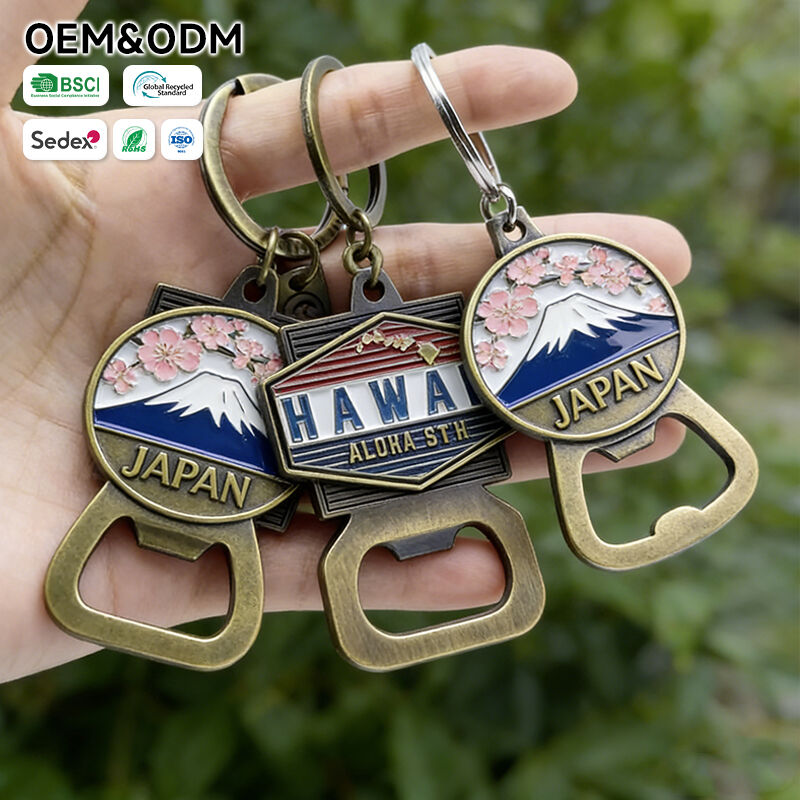
Metallic stickers represent a sophisticated category of adhesive labels that combine the visual appeal of metal finishes with the practical convenience of traditional sticker applications. These specialized products utilize advanced manufacturing processes to create adhesive-backed labels that mimic or actually incorporate metallic elements, delivering premium aesthetics for branding, identification, and decorative purposes across numerous industries.
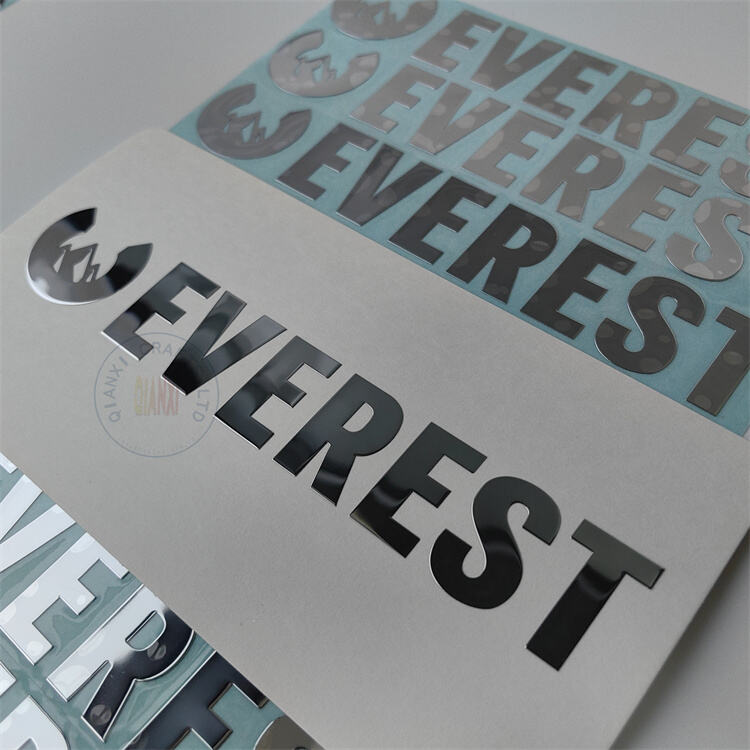
Understanding how metallic stickers function requires examining both their construction methodology and their practical implementation across different applications. Unlike conventional printed labels, metallic stickers employ specialized production techniques such as electroplating, vapor deposition, or metallic foil integration to achieve their distinctive lustrous appearance while maintaining the flexibility and adhesive properties essential for effective application on diverse surfaces.
Understanding Metallic Sticker Construction and Materials
Base Material Composition
The foundation of metallic stickers begins with carefully selected substrate materials that must balance durability, flexibility, and adhesive compatibility. Common base materials include polyester films, vinyl substrates, and specialized polymer compositions designed to support metallic layer adhesion. These substrates provide the structural integrity necessary for the sticker to maintain its form during application and throughout its service life.
The substrate selection directly impacts the final performance characteristics of metallic stickers, influencing factors such as conformability to curved surfaces, resistance to environmental conditions, and long-term dimensional stability. High-quality metallic stickers typically utilize substrates with controlled thickness tolerances and consistent surface energy properties to ensure reliable metallic layer bonding.
Advanced substrate formulations may incorporate UV-resistant additives, temperature-stable polymers, or specialized surface treatments that enhance the bond between the base material and subsequent metallic layers. This foundational engineering ensures that metallic stickers maintain their appearance and performance across diverse operating environments.
Metallic Layer Application Methods
The creation of metallic finishes on stickers involves several distinct manufacturing approaches, each offering unique advantages for specific applications. Electroplating processes deposit thin metallic layers through electrochemical reactions, creating authentic metal surfaces with excellent durability and corrosion resistance. This method produces metallic stickers with genuine metal content, delivering superior longevity and premium appearance.
Vacuum metallization represents another sophisticated approach where metallic materials are vaporized in a controlled chamber and deposited onto the substrate surface. This technique enables precise thickness control and can accommodate various metals including aluminum, copper, and specialized alloys. The resulting metallic stickers exhibit exceptional uniformity and can achieve mirror-like finishes that rival traditional metal components.
Alternative methods include metallic foil lamination and specialized printing techniques using metallic inks. These approaches offer cost-effective solutions for applications where authentic metal content is less critical than visual appearance, while still delivering the distinctive lustrous finish associated with high-quality metallic stickers.
Adhesive Systems and Bonding Mechanisms
Pressure-Sensitive Adhesive Technology
The functionality of metallic stickers depends critically on sophisticated pressure-sensitive adhesive systems designed to provide immediate bonding upon application while maintaining long-term adhesion strength. These adhesives must accommodate the unique surface characteristics of metallic layers while delivering reliable performance across diverse substrate materials and environmental conditions.
Modern metallic stickers employ acrylic-based adhesive formulations that offer excellent aging resistance, temperature stability, and chemical compatibility with metallic coatings. These adhesives cure through solvent evaporation or crosslinking reactions, developing their full bond strength over time while providing immediate tack for positioning and initial adhesion.
The adhesive layer thickness and composition are carefully engineered to balance initial removability for positioning adjustments with ultimate bond strength for permanent applications. Specialized metallic stickers may incorporate structured adhesives with controlled flow properties that accommodate surface irregularities while maintaining consistent bond line thickness.
Surface Interaction and Bonding Chemistry
The bonding mechanism of metallic stickers involves complex molecular interactions between the adhesive system and target surfaces. Van der Waals forces provide the primary attraction between adhesive molecules and surface atoms, while mechanical interlocking occurs as the adhesive flows into microscopic surface irregularities during application pressure.
Surface energy matching plays a crucial role in achieving optimal adhesion, with the adhesive formulation designed to wet effectively on both high-energy surfaces like metals and lower-energy materials such as plastics. The metallic layer on the sticker face does not typically interfere with back-side adhesion, allowing metallic stickers to bond effectively to diverse target materials.
Environmental factors including temperature, humidity, and chemical exposure can influence the bonding process and long-term adhesive performance. High-performance metallic stickers incorporate adhesive systems with engineered resistance to these factors, ensuring consistent bonding behavior across anticipated service conditions.
Manufacturing Processes and Quality Control
Production Workflow and Equipment
The manufacturing of metallic stickers requires specialized equipment and controlled processes to achieve consistent quality and performance. Production typically begins with substrate preparation, where base materials undergo surface treatment to optimize adhesion and remove contaminants that could compromise metallic layer bonding or final appearance quality.
Metallic layer application occurs in controlled environments using precision equipment designed for the specific metallization technique employed. Electroplating systems require careful parameter control including current density, bath chemistry, and processing time to achieve uniform thickness and appearance across the substrate surface.
Quality control procedures throughout manufacturing include thickness measurement, adhesion testing, and appearance evaluation to ensure that metallic stickers meet specified performance requirements. Advanced manufacturers employ statistical process control methods to monitor production variables and maintain consistent output quality.
Precision Die-Cutting and Finishing Operations
The final shaping of metallic stickers involves precision die-cutting operations that must accommodate the unique properties of metallized substrates. Sharp cutting tools and controlled cutting speeds prevent edge deformation and maintain clean cut lines that preserve the professional appearance essential for high-quality metallic stickers.
Edge sealing treatments may be applied to prevent moisture ingress or delamination at cut edges, particularly important for metallic stickers intended for outdoor applications or harsh environments. These treatments help maintain the integrity of the metallic layer and prevent premature failure modes.
Packaging and handling procedures for finished metallic stickers require special consideration to prevent surface damage during storage and distribution. Protective liners and controlled stacking methods preserve the pristine appearance that customers expect from premium metallic sticker products.
Application Methods and Installation Techniques
Surface Preparation Requirements
Successful application of metallic stickers begins with proper surface preparation to ensure optimal adhesion and long-term performance. Target surfaces must be thoroughly cleaned to remove oils, dust, moisture, and other contaminants that could interfere with adhesive bonding. Appropriate cleaning solvents and techniques vary depending on the substrate material and contamination type.
Surface roughness evaluation helps determine whether additional preparation steps are necessary for optimal metallic sticker performance. Smooth surfaces typically provide excellent bonding, while textured surfaces may require adhesive systems with enhanced conformability to achieve reliable contact across the interface.
Temperature and humidity conditions during application significantly impact adhesive activation and initial bonding. Metallic stickers should be applied within recommended environmental ranges to ensure proper adhesive flow and molecular interaction with the target surface.
Installation Procedures and Best Practices
The application process for metallic stickers requires systematic approaches to achieve professional results and avoid common installation problems. Initial positioning should be performed carefully, as the strong adhesive systems used in quality metallic stickers may not allow repositioning once contact is established.
Application pressure distribution ensures complete contact between the adhesive and target surface, eliminating air bubbles and achieving uniform bond line thickness. Specialized application tools may be beneficial for large metallic stickers or applications where precise positioning is critical.
Post-application procedures may include edge sealing or protective coating application for metallic stickers in demanding environments. These additional steps help maximize service life and maintain appearance quality throughout the intended application period.
Performance Characteristics and Durability Factors
Environmental Resistance Properties
The environmental performance of metallic stickers depends on the integration of substrate materials, metallic layers, and adhesive systems to resist degradation from various exposure conditions. UV resistance prevents fading and chalking of the metallic finish, while moisture resistance protects against delamination and corrosion of metal-containing layers.
Temperature cycling resistance ensures that metallic stickers maintain their appearance and adhesion through repeated heating and cooling cycles without cracking, curling, or loss of bond strength. This characteristic is particularly important for automotive and outdoor applications where significant temperature variations occur.
Chemical resistance properties enable metallic stickers to maintain their performance when exposed to cleaning agents, fuels, oils, and other chemicals commonly encountered in industrial and commercial applications. The metallic layer composition and any protective topcoats influence the overall chemical compatibility of the finished product.
Mechanical Properties and Service Life
The mechanical properties of metallic stickers include tensile strength, elongation characteristics, and tear resistance that determine their ability to conform to complex surfaces and resist damage during service. These properties result from the combined characteristics of all layer components and their interfacial bonding.
Abrasion resistance of the metallic layer affects appearance retention throughout the service life, with harder metallic coatings generally providing superior resistance to wear from handling and environmental exposure. Some metallic stickers incorporate protective overcoats to enhance durability without compromising appearance quality.
Service life predictions for metallic stickers consider all relevant degradation mechanisms and environmental factors anticipated during use. Accelerated testing methods help manufacturers provide realistic performance expectations and warranty coverage for different application scenarios.
FAQ
What makes metallic stickers different from regular printed stickers?
Metallic stickers differ from regular printed stickers through their use of actual metallic layers or advanced metallization processes rather than conventional printing inks. This creates authentic metallic finishes with superior reflectivity, durability, and premium appearance compared to printed metallic colors. The manufacturing processes for metallic stickers are more complex and require specialized equipment, resulting in products with enhanced environmental resistance and longer service life than typical printed labels.
How long do metallic stickers typically last in outdoor environments?
The outdoor lifespan of metallic stickers depends on the specific metallization method, substrate materials, and environmental conditions, but quality products typically provide 5-10 years of acceptable appearance and performance. Factors such as UV exposure intensity, temperature extremes, moisture levels, and pollution can affect longevity. Metallic stickers with electroplated or vapor-deposited metal layers generally offer superior durability compared to foil-based alternatives, with some premium products designed for extended outdoor service exceeding 10 years under normal conditions.
Can metallic stickers be removed without damaging the surface underneath?
Most metallic stickers can be removed from properly prepared surfaces without permanent damage, though the ease of removal depends on the adhesive system, application duration, and surface type. Heat application during removal helps soften the adhesive for easier separation, while adhesive residue can typically be cleaned using appropriate solvents. However, metallic stickers are generally designed for permanent applications, and removal may require more effort than standard temporary labels. Testing removal procedures on inconspicuous areas is recommended before full-scale removal attempts.
Are metallic stickers suitable for curved or irregular surfaces?
Metallic stickers can be successfully applied to curved and irregular surfaces, though the degree of conformability depends on the substrate flexibility and metallic layer characteristics. Thin, flexible substrates with vapor-deposited metal layers typically offer the best conformability, while thicker electroplated products may be limited to moderate curves. The adhesive system also plays a crucial role, with specialized formulations designed to flow and bond effectively on complex geometries. For severe curves or compound surfaces, custom metallic sticker designs may be necessary to ensure proper adhesion and appearance.