 EN
EN

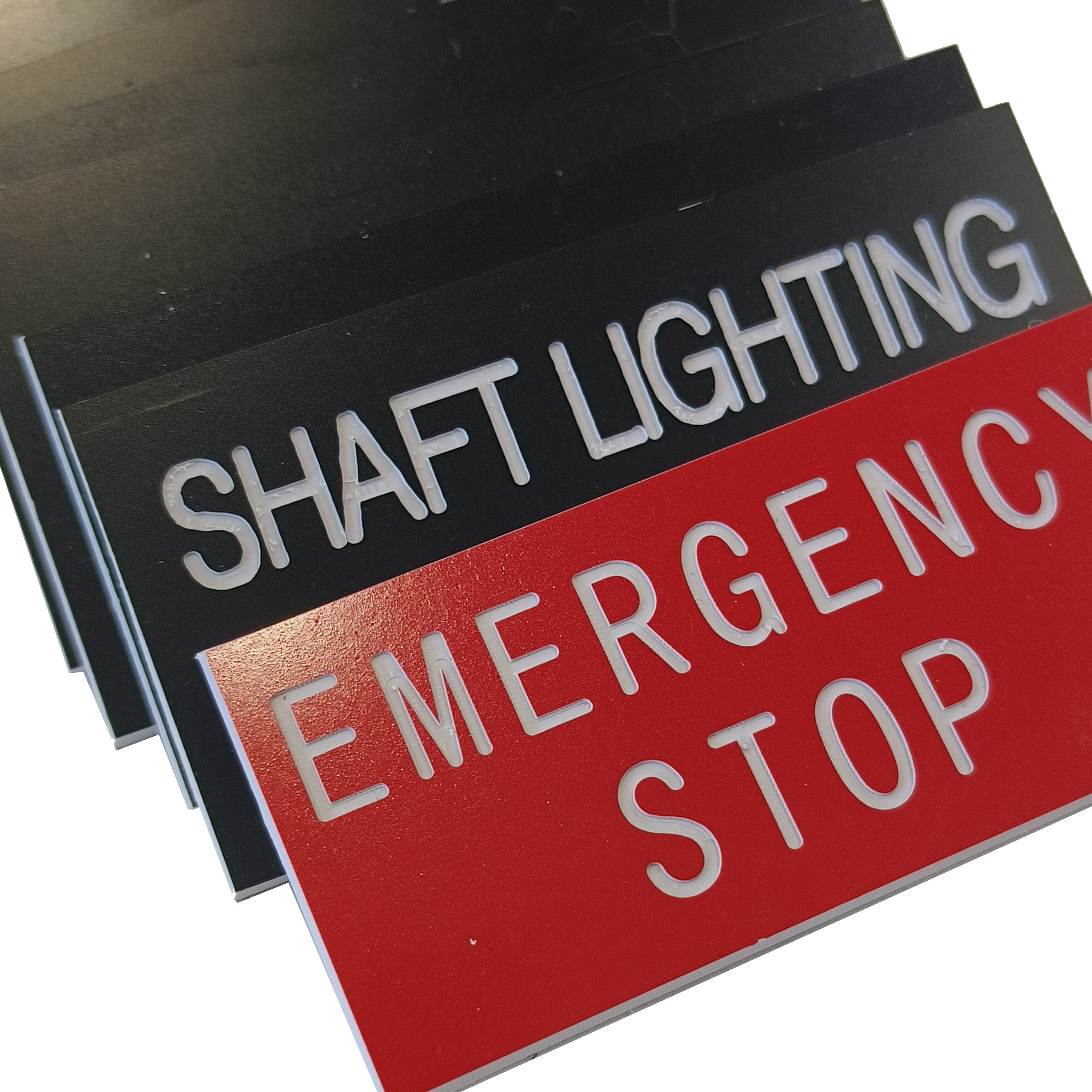
Industrial labeling demands materials that can withstand harsh operating conditions while maintaining clear visibility and durability over extended periods. When facility managers and equipment manufacturers evaluate labeling solutions, the choice of material becomes critical to ensuring long-term performance and operational efficiency. The traffolyte nameplate has emerged as a superior solution for industrial applications, offering unique properties that address the most challenging labeling requirements across manufacturing, utility, and heavy industrial environments.
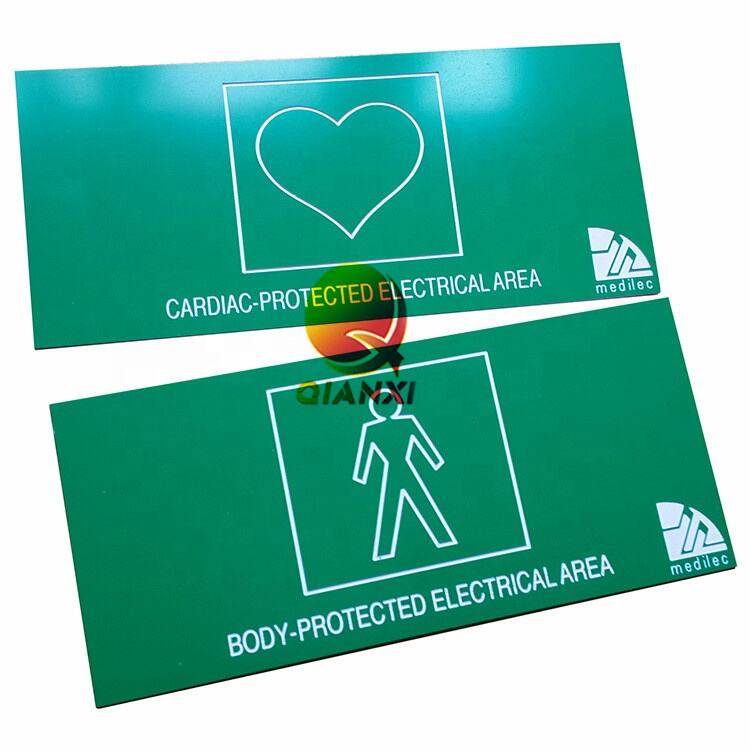
The decision to select a traffolyte nameplate over alternative labeling materials stems from several compelling advantages that directly impact operational costs, safety compliance, and maintenance efficiency. This two-layer engraving material provides unmatched durability characteristics while offering design flexibility that meets diverse industrial identification needs. Understanding why this material has become the preferred choice for critical labeling applications helps facility managers make informed decisions that support long-term operational objectives and regulatory compliance requirements.
Superior Durability Performance
Exceptional Environmental Resistance
The traffolyte nameplate demonstrates remarkable resistance to environmental factors that typically degrade conventional labeling materials. This engraving plastic maintains its structural integrity when exposed to temperature extremes ranging from -40°F to 180°F, making it suitable for both outdoor installations and high-temperature industrial processes. The material's resistance to UV radiation prevents fading and brittleness that commonly affects standard plastic labels after extended sun exposure.
Chemical resistance represents another critical advantage of the traffolyte nameplate in industrial environments. The material withstands exposure to oils, solvents, acids, and alkaline solutions without degradation or color bleeding. This chemical stability ensures that safety labels, equipment identification tags, and operational instructions remain legible even in chemical processing facilities or maintenance areas where exposure to harsh substances is routine.
Weather resistance capabilities extend the service life of outdoor installations significantly compared to paper-based or single-layer plastic alternatives. Rain, snow, humidity, and salt air exposure do not compromise the traffolyte nameplate's performance, making it ideal for marine applications, outdoor utility equipment, and exposed industrial machinery that requires permanent identification.
Long-Term Mechanical Durability
Impact resistance and scratch resistance properties ensure that the traffolyte nameplate maintains readability despite physical abuse common in industrial settings. The material's composition allows it to absorb impact energy without cracking or chipping, while the engraved surface resists wear from repeated cleaning or accidental contact with tools and equipment.
Dimensional stability prevents warping, curling, or shrinkage that can compromise adhesive bonds or create safety hazards. This stability becomes particularly important for large format nameplates or labels installed in areas subject to thermal cycling. The traffolyte nameplate maintains its flat profile and secure attachment throughout temperature variations that would cause other materials to fail.
Abrasion resistance protects engraved text and graphics from wear caused by cleaning procedures, environmental exposure, or incidental contact. Unlike printed labels that can fade or wear away, the engraved contrast in a traffolyte nameplate actually becomes more pronounced over time as surface oxidation enhances visibility without compromising durability.
Cost-Effectiveness and Value Proposition
Reduced Replacement and Maintenance Costs
The extended service life of a traffolyte nameplate significantly reduces the total cost of ownership compared to alternative labeling solutions. While initial material costs may exceed basic plastic or paper labels, the elimination of frequent replacement cycles creates substantial savings in both material and labor costs over the equipment's operational lifetime.
Maintenance requirements remain minimal throughout the traffolyte nameplate's service life, reducing ongoing operational expenses. The material's resistance to environmental degradation eliminates the need for protective coatings, covers, or frequent cleaning cycles that other labeling materials require to maintain legibility and appearance.
Labor cost savings become significant when considering the time and effort required to remove failed labels and install replacements. The traffolyte nameplate's permanent engraving process creates identification that lasts for decades without requiring updates or refreshing, eliminating recurring maintenance tasks that consume valuable technician time.
Compliance and Safety Value
Regulatory compliance benefits justify the selection of a traffolyte nameplate for safety-critical applications where label failure could result in compliance violations or safety incidents. The material's proven durability record supports audit requirements and demonstrates due diligence in equipment identification and safety marking programs.
Insurance and liability considerations favor durable labeling solutions that maintain critical safety information throughout the equipment's service life. The traffolyte nameplate's resistance to degradation ensures that warning labels, operational instructions, and identification markings remain visible and legible when needed for emergency response or maintenance procedures.
Documentation and traceability benefits arise from the permanent nature of engraved identification. Unlike printed labels that can fade or become illegible, the traffolyte nameplate maintains clear identification that supports asset management, maintenance scheduling, and regulatory reporting requirements throughout the equipment's operational period.
Design Flexibility and Application Versatility
Customization and Engraving Capabilities
The two-layer construction of a traffolyte nameplate enables high-contrast engraving that creates permanent, highly visible text and graphics. Color combinations including black on white, white on black, and various color options provide flexibility to match corporate branding requirements or industry standard color coding systems while maintaining excellent readability under diverse lighting conditions.
Size flexibility accommodates everything from small component identification tags to large format equipment nameplates without compromising material properties or engraving quality. The traffolyte nameplate can be manufactured in custom shapes and sizes to fit specific mounting requirements or design constraints while maintaining consistent performance characteristics.
Font selection and graphic capabilities support complex identification schemes including serial numbers, barcodes, logos, and detailed instructions. The precision engraving process ensures consistent character depth and clarity that remains readable throughout the nameplate's service life, supporting both human readability and automated scanning systems.
Installation and Mounting Options
Adhesive backing options provide secure mounting to various substrate materials including metals, plastics, and composite surfaces. The traffolyte nameplate's compatibility with industrial-grade adhesives ensures reliable bonding that withstands environmental exposure and mechanical stress without requiring additional mechanical fastening systems.
Mechanical mounting capabilities accommodate applications requiring removable or ultra-permanent installation methods. Drilling and fastening options allow secure attachment to equipment where adhesive mounting may not be suitable due to surface conditions, temperature extremes, or regulatory requirements for removable identification.
Surface preparation requirements remain minimal compared to other permanent marking methods, reducing installation time and complexity. The traffolyte nameplate adheres effectively to properly cleaned surfaces without requiring primers, surface treatments, or complex preparation procedures that add cost and complexity to installation processes.
Safety and Regulatory Compliance Advantages
Critical Safety Information Preservation
Safety label applications benefit significantly from the permanent nature of traffolyte nameplate construction, ensuring that critical warning information remains visible throughout the equipment's operational life. Emergency shutdown procedures, hazard warnings, and operational safety instructions engraved into the traffolyte nameplate maintain clarity even under conditions that would degrade printed or painted markings.
Visibility under adverse conditions represents a crucial safety advantage, as the high contrast engraving remains readable in low light conditions, dusty environments, and when viewed from various angles. This consistent visibility supports emergency response procedures and routine safety inspections where clear identification of equipment and hazards is essential.
Tamper resistance characteristics prevent unauthorized modification or removal of safety labels, supporting compliance with safety regulations that require permanent marking of hazardous equipment. The traffolyte nameplate's durability makes it difficult to alter or remove without obvious evidence of tampering, maintaining the integrity of safety marking systems.
Industry Standards and Regulatory Compliance
Compliance with industry standards including OSHA, ANSI, and international safety marking requirements becomes more reliable when using traffolyte nameplate materials that maintain their properties throughout extended service periods. The material's proven performance record supports regulatory compliance documentation and audit requirements.
Quality certifications and material traceability documentation support applications in regulated industries where labeling materials must meet specific performance standards. The traffolyte nameplate's consistent manufacturing process and quality control procedures provide the documentation necessary for critical applications in aerospace, nuclear, and medical device manufacturing.
Fire resistance and low toxicity characteristics meet building code and safety requirements for indoor installations where materials must not contribute to fire hazards or toxic gas generation. These properties make the traffolyte nameplate suitable for use in occupied buildings, clean rooms, and other controlled environments with strict material specifications.
FAQ
How long does a traffolyte nameplate typically last in outdoor industrial applications?
A traffolyte nameplate typically maintains its performance and readability for 15-20 years or more in outdoor industrial environments when properly installed. The material's UV resistance prevents degradation from sun exposure, while its chemical and weather resistance ensure that rain, snow, temperature extremes, and atmospheric pollutants do not compromise its integrity. Many installations have documented service lives exceeding 25 years without requiring replacement or maintenance.
Can traffolyte nameplate materials be recycled or disposed of safely?
Yes, traffolyte nameplate materials can be disposed of safely through standard industrial waste streams and many grades are recyclable through plastic recycling programs. The material contains no heavy metals or toxic substances that require special handling during disposal. When replacement becomes necessary due to equipment changes rather than material failure, the old nameplates can typically be processed through standard recycling channels, supporting environmental sustainability goals.
What mounting methods work best for traffolyte nameplate installation in high-vibration environments?
For high-vibration applications, mechanical mounting using stainless steel screws or rivets through pre-drilled holes provides the most secure attachment method for a traffolyte nameplate. While industrial adhesives can handle moderate vibration levels, mechanical fastening prevents gradual adhesive failure under constant vibration stress. Combining mechanical fastening with adhesive backing creates redundant attachment that ensures long-term security even under severe vibration conditions.
How does the cost of traffolyte nameplate compare to metal alternatives for permanent identification?
While a traffolyte nameplate may have higher initial material costs than basic aluminum or stainless steel options, the elimination of secondary processes like anodizing, printing, or protective coating application often results in lower total manufacturing costs. Additionally, the lighter weight reduces shipping costs, and the easier machining and engraving processes can provide faster turnaround times, making the overall cost competitive with metal alternatives while offering superior environmental resistance in many applications.
Table of Contents
- Superior Durability Performance
- Cost-Effectiveness and Value Proposition
- Design Flexibility and Application Versatility
- Safety and Regulatory Compliance Advantages
-
FAQ
- How long does a traffolyte nameplate typically last in outdoor industrial applications?
- Can traffolyte nameplate materials be recycled or disposed of safely?
- What mounting methods work best for traffolyte nameplate installation in high-vibration environments?
- How does the cost of traffolyte nameplate compare to metal alternatives for permanent identification?