 EN
EN

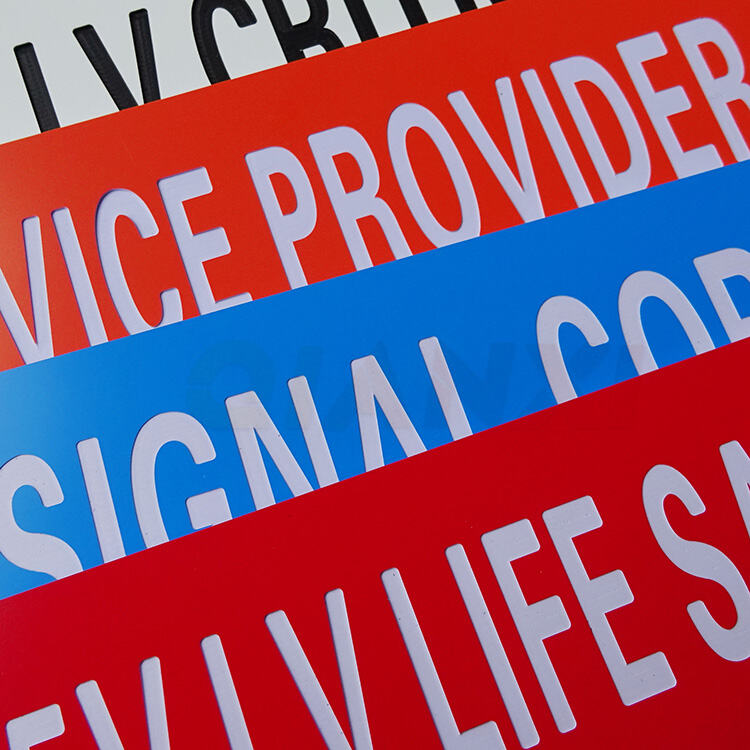
Durability is the defining characteristic that sets traffolyte nameplate solutions apart from conventional marking alternatives in industrial applications. The exceptional longevity of these specialized identification plates stems from their unique two-layer construction and advanced material properties, which have made them the preferred choice for critical labeling applications across manufacturing, electrical, and industrial sectors for decades.
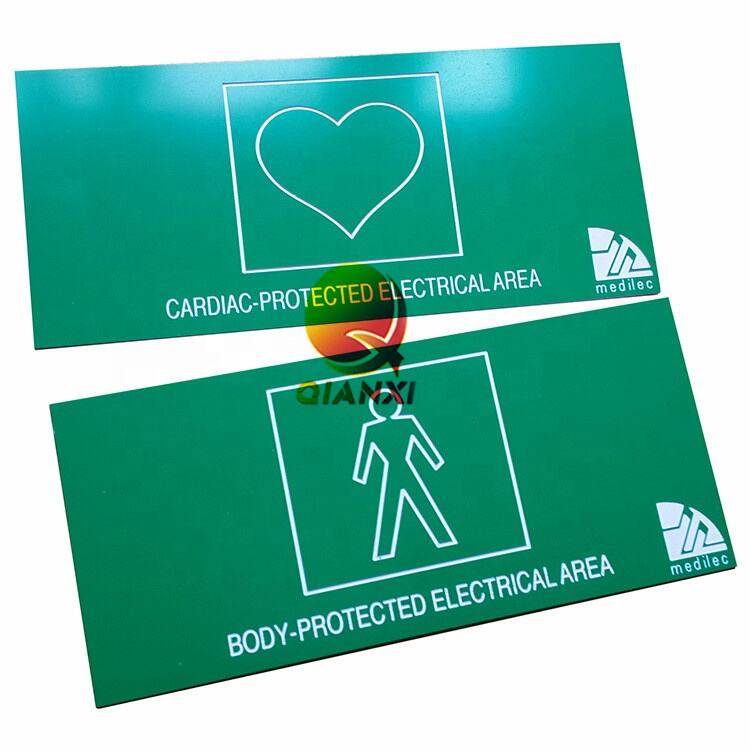
Understanding why traffolyte nameplate products outlast other marking solutions requires examining their fundamental design principles, material science, and manufacturing processes. Unlike surface-printed labels or basic plastic plates that rely on external coatings or adhesive graphics, the traffolyte nameplate achieves its remarkable durability through engraved marking that removes the top layer to reveal contrasting colors beneath, creating permanent identification that cannot fade, peel, or wear away through normal use.
Material Composition and Construction Excellence
Dual-Layer Engineering Foundation
The superior longevity of any traffolyte nameplate begins with its specialized two-layer construction that fundamentally differs from single-layer alternatives. The base layer provides structural integrity and color contrast, while the top layer serves as both protection and the surface that accepts engraving. This engineering approach ensures that the identification marking becomes an integral part of the plate structure rather than a surface application that can separate or deteriorate over time.
Manufacturing processes for traffolyte nameplate products involve laminating these layers under controlled temperature and pressure conditions, creating molecular bonds that exceed the strength of typical adhesive attachments. The resulting composite material exhibits uniform thickness and consistent color distribution throughout, eliminating the weak points and variations that often cause premature failure in other nameplate technologies.
Advanced Polymer Chemistry
The polymer chemistry underlying traffolyte nameplate durability represents decades of material science advancement specifically focused on industrial marking applications. These specialized plastics incorporate stabilizers that resist ultraviolet degradation, chemical additives that prevent oxidation, and molecular structures that maintain flexibility without becoming brittle under temperature cycling. The chemical formulation resists common industrial solvents, cleaning agents, and environmental contaminants that rapidly degrade conventional marking materials.
Quality traffolyte nameplate materials undergo extensive testing for chemical resistance, ensuring compatibility with the harsh cleaning protocols and chemical exposures typical in industrial environments. This chemical stability extends the useful life of the identification system while maintaining legibility and professional appearance throughout the operational lifecycle of the equipment or system being marked.
Engraving Process Advantages
Permanent Marking Technology
The engraving process used to create markings on traffolyte nameplate surfaces represents a fundamental advantage over surface-applied identification methods. Computer-controlled engraving removes precise amounts of the top layer material to expose the contrasting base layer, creating text and graphics that become permanent features of the plate structure. This subtractive marking process eliminates the adhesion failures, coating wear, and print degradation that affect surface-applied alternatives.
Professional engraving equipment achieves consistent depth control across the entire traffolyte nameplate surface, ensuring uniform appearance and preventing the uneven wear patterns that can occur with variable-depth marking. The precision of modern engraving systems allows for fine detail reproduction while maintaining the structural integrity of the remaining material, optimizing both durability and readability.
Dimensional Stability Through Processing
The engraving process contributes to traffolyte nameplate longevity by creating stress-relieved marking areas that resist cracking and deformation under thermal cycling. Unlike processes that add material to the surface, engraving removes stressed material and creates smooth-walled cavities that distribute mechanical forces evenly. This design approach prevents the concentration of stresses that often initiate failure in other marking technologies.
Temperature variations during engraving help condition the traffolyte nameplate material, promoting molecular relaxation and eliminating internal stresses that could cause dimensional instability over time. The resulting plates maintain their original size and shape throughout extended service periods, ensuring proper fit and function in precision applications where dimensional accuracy is critical.
Environmental Resistance Characteristics
Weather and UV Protection
Outdoor applications place extreme demands on identification systems, making weather resistance a crucial factor in traffolyte nameplate longevity. The polymer formulations used in quality plates incorporate UV stabilizers that prevent the photochemical degradation responsible for fading and embrittlement in conventional plastics. These protective additives maintain their effectiveness throughout the service life of the plate, providing consistent protection against solar radiation damage.
Moisture resistance in traffolyte nameplate construction prevents the swelling, warping, and delamination that affects many alternative materials in humid or wet conditions. The low water absorption characteristics of the base polymers eliminate the dimensional changes and structural weakening that occur when materials absorb environmental moisture. This stability ensures consistent mounting and appearance regardless of weather conditions.
Chemical and Industrial Environment Durability
Industrial environments subject identification systems to chemical exposures that rapidly degrade unsuitable materials, making chemical resistance essential for long-term traffolyte nameplate performance. The polymer chemistry resists acids, bases, solvents, and cleaning agents commonly encountered in manufacturing and processing operations. This chemical stability prevents the surface degradation, color changes, and structural weakening that compromise other marking technologies.
Temperature cycling resistance enables traffolyte nameplate applications in environments with significant thermal variations without experiencing the expansion, contraction, and fatigue failures common in less stable materials. The thermal expansion coefficient closely matches typical mounting substrates, minimizing differential movement that can cause mounting failures or plate distortion over time.
Comparative Longevity Analysis
Surface-Applied Alternatives Limitations
Surface-printed labels and decals rely on adhesive bonds and surface coatings that inherently limit their operational lifespan compared to traffolyte nameplate solutions. Adhesive degradation occurs through UV exposure, temperature cycling, chemical attack, and mechanical stress, leading to edge lifting, bubble formation, and complete detachment. Surface coatings experience wear, scratching, and chemical attack that progressively reduces legibility until replacement becomes necessary.
The interface between surface-applied graphics and their substrates creates vulnerability points where environmental factors can penetrate and accelerate failure. Moisture infiltration behind surface graphics causes adhesive failure and substrate corrosion, while thermal cycling creates differential expansion that stresses the adhesive bond. These failure modes do not apply to traffolyte nameplate construction, where the marking is integral to the plate structure.
Mechanical Marking Method Comparison
Stamped, etched, and laser-marked alternatives often exhibit shorter service lives than traffolyte nameplate solutions due to material limitations and process-induced stress concentrations. Metal nameplates suffer from corrosion, fatigue cracking, and deformation under repeated loading, while basic plastic alternatives lack the chemical resistance and structural stability of engineered traffolyte nameplate materials.
Laser marking on unsuitable materials creates heat-affected zones that can become brittle and prone to cracking, while chemical etching processes may leave residues that accelerate degradation. The mechanical engraving process used for traffolyte nameplate fabrication avoids these thermal and chemical complications while creating clean, stable marking geometry that maintains its integrity throughout extended service periods.
Quality Manufacturing Impact on Longevity
Production Standards and Material Control
The longevity advantage of premium traffolyte nameplate products depends significantly on manufacturing quality control and material specification adherence. Consistent layer thickness, proper lamination parameters, and material composition verification ensure that each plate meets the performance standards required for extended service life. Variations in these parameters can compromise durability and create premature failure modes that negate the inherent advantages of the traffolyte nameplate design.
Quality control testing throughout the manufacturing process identifies potential durability issues before products reach end-users, ensuring that each traffolyte nameplate meets specified performance criteria for chemical resistance, dimensional stability, and marking permanence. This comprehensive approach to quality assurance provides confidence in long-term performance and reduces the total cost of ownership through extended replacement intervals.
Customization Without Compromise
Advanced manufacturing capabilities enable traffolyte nameplate customization for specific applications without sacrificing the durability characteristics that provide longevity advantages. Custom sizes, colors, and marking configurations can be produced while maintaining the material properties and construction quality that ensure extended service life. This flexibility allows optimization for specific environmental conditions and performance requirements.
The ability to specify traffolyte nameplate characteristics for particular applications ensures optimal performance in diverse operational environments. Custom material selection, thickness optimization, and marking design can address specific durability challenges while maintaining the fundamental advantages that make these plates superior to conventional alternatives.
FAQ
How long can a quality traffolyte nameplate be expected to last in typical industrial environments?
Quality traffolyte nameplate products typically provide 15-25 years of service life in standard industrial environments, with some applications exceeding 30 years without requiring replacement. The actual lifespan depends on specific environmental conditions, chemical exposures, and mechanical stress levels, but the engraved marking remains legible throughout the operational life of most industrial equipment.
What specific environmental conditions can reduce traffolyte nameplate longevity?
Extreme chemical exposures beyond the material specification, continuous high temperatures above rated limits, and severe mechanical abuse can reduce traffolyte nameplate service life. However, the material chemistry and construction methods provide significant safety margins that maintain performance well beyond the conditions encountered in typical industrial applications.
Can traffolyte nameplate marking fade or wear away over time like printed labels?
The engraved marking on a traffolyte nameplate cannot fade or wear away because the identification is created by removing material rather than applying surface coatings or prints. The contrasting color revealed by engraving is integral to the base material and maintains its appearance throughout the service life of the plate, providing permanent identification that does not require periodic renewal.
How does the cost of traffolyte nameplate solutions compare to alternatives when considering total lifecycle expenses?
While traffolyte nameplate products may have higher initial costs than basic alternatives, their extended service life typically provides significant cost savings over the equipment lifecycle. The elimination of periodic replacement, reduced maintenance requirements, and consistent performance throughout extended service periods often result in 50-70% lower total cost of ownership compared to frequently replaced marking systems.
Table of Contents
- Material Composition and Construction Excellence
- Engraving Process Advantages
- Environmental Resistance Characteristics
- Comparative Longevity Analysis
- Quality Manufacturing Impact on Longevity
-
FAQ
- How long can a quality traffolyte nameplate be expected to last in typical industrial environments?
- What specific environmental conditions can reduce traffolyte nameplate longevity?
- Can traffolyte nameplate marking fade or wear away over time like printed labels?
- How does the cost of traffolyte nameplate solutions compare to alternatives when considering total lifecycle expenses?