 EN
EN

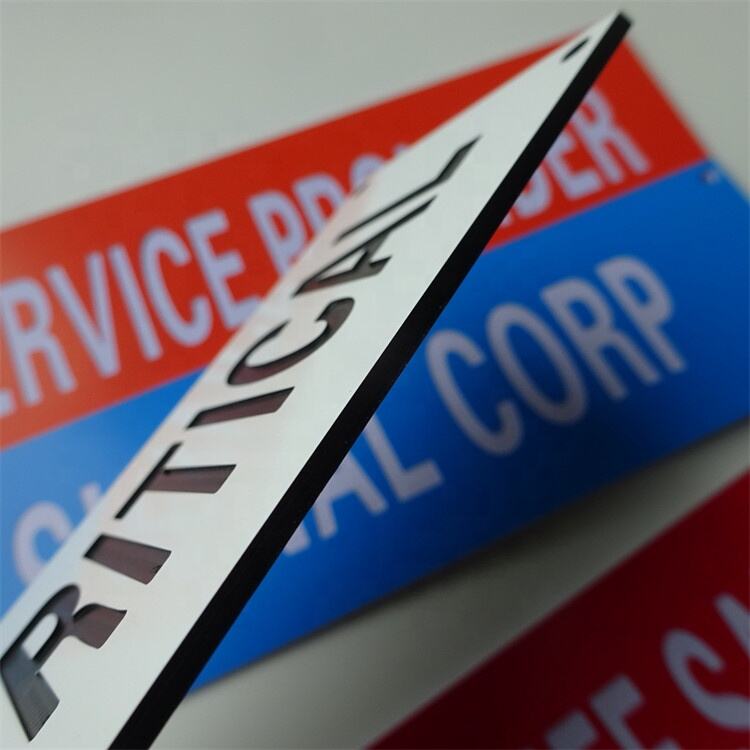
Selecting the appropriate traffolyte nameplate for your specific application requires careful consideration of multiple factors that directly impact performance, durability, and cost-effectiveness. The decision-making process involves evaluating your operational environment, aesthetic requirements, mounting preferences, and long-term maintenance expectations to ensure the chosen traffolyte nameplate delivers optimal value throughout its service life.
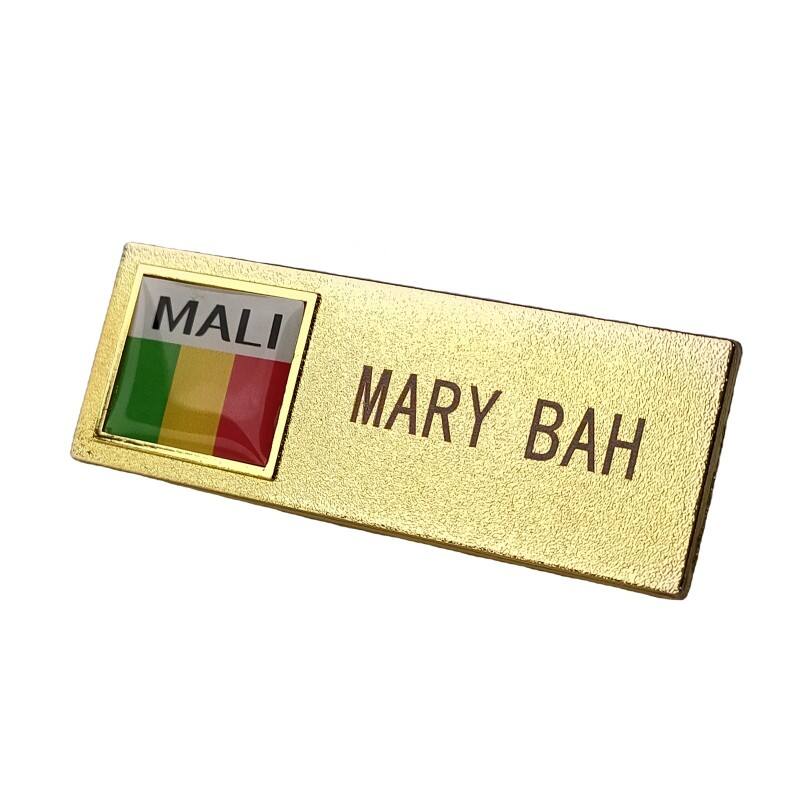
Understanding the critical selection criteria empowers you to make informed decisions that align with your operational needs while maximizing return on investment. Each traffolyte nameplate specification contributes to the overall functionality and appearance, making systematic evaluation essential for achieving desired outcomes in industrial, commercial, or specialized applications.
Understanding Traffolyte Nameplate Material Properties
Core Material Composition and Structure
The foundation of any quality traffolyte nameplate lies in its multi-layered laminated construction, which typically consists of a phenolic resin base with contrasting colored surface layers. This unique composition provides exceptional durability and engraving clarity, making each traffolyte nameplate resistant to wear, chemicals, and environmental degradation. The laminated structure ensures that engraved text and graphics remain clearly visible even after extensive use in demanding industrial environments.
Material density and thickness variations significantly influence the performance characteristics of your traffolyte nameplate selection. Standard thicknesses range from 1.6mm to 3.2mm, with each option offering different benefits for specific applications. Thicker materials provide enhanced durability and a more substantial appearance, while thinner options offer greater flexibility for curved surface mounting and weight-sensitive applications.
Color Combinations and Visual Impact
Color selection for your traffolyte nameplate directly affects readability, brand consistency, and compliance with industry standards or safety regulations. The most common combinations include black text on white backgrounds, white text on black backgrounds, and various colored options that align with corporate branding requirements. Each color combination offers distinct advantages depending on viewing conditions, ambient lighting, and aesthetic preferences.
Contrast ratios between engraved and surface colors determine the legibility of your traffolyte nameplate under different lighting conditions. High-contrast combinations ensure maximum readability in both bright and low-light environments, while specialized color schemes may be required for specific industry applications or compliance with regulatory standards. Consider your typical viewing environment when evaluating color options for optimal visual performance.
Environmental and Operational Requirements Assessment
Chemical Resistance and Exposure Conditions
The chemical resistance properties of your selected traffolyte nameplate must align with the specific substances and cleaning agents encountered in your operational environment. Different formulations offer varying levels of resistance to acids, alkalis, solvents, and industrial cleaning chemicals. Proper material selection ensures your traffolyte nameplate maintains its appearance and functionality throughout its intended service life.
Temperature extremes and thermal cycling patterns in your application environment significantly impact material selection criteria for traffolyte nameplate installations. Standard formulations typically withstand temperatures from -40°C to +120°C, while specialized compositions may be required for extreme temperature applications. Consider both steady-state operating temperatures and potential temperature fluctuations when evaluating material specifications.
Mechanical Stress and Wear Considerations
Physical wear patterns and mechanical stress levels in your application environment determine the appropriate thickness and mounting method for your traffolyte nameplate installation. High-traffic areas or applications involving frequent handling require thicker materials and robust mounting solutions to maintain appearance and readability over time. Evaluate the anticipated wear patterns to select appropriate material specifications and protective measures.
Vibration resistance and impact tolerance requirements influence both material selection and mounting system design for your traffolyte nameplate application. Industrial environments with significant vibration or potential impact exposure require careful consideration of material properties and mounting techniques to prevent premature failure or damage. Assess your specific environmental conditions to ensure adequate protection and longevity.
Design Specifications and Customization Options
Text and Graphics Requirements
The complexity and density of information displayed on your traffolyte nameplate directly influence size requirements, font selection, and layout optimization. Text legibility depends on character height, spacing, and contrast ratios relative to viewing distance and lighting conditions. Establish minimum text sizes based on typical viewing distances to ensure consistent readability across all operational scenarios.
Graphic elements, logos, and symbols incorporated into your traffolyte nameplate design require careful consideration of engraving capabilities and visual hierarchy. Complex graphics may require simplified versions optimized for engraving processes, while maintaining brand recognition and functional clarity. Balance aesthetic requirements with practical manufacturing constraints to achieve optimal results.
Size and Shape Optimization
Dimensional constraints and mounting space limitations directly impact the size and shape options for your traffolyte nameplate selection. Standard rectangular formats offer cost advantages and simplified mounting, while custom shapes may be necessary for specific aesthetic or functional requirements. Consider both current mounting constraints and potential future modifications when finalizing dimensional specifications.
Proportion relationships between text, graphics, and available space ensure balanced visual presentation and optimal information density on your traffolyte nameplate. Adequate white space around text elements improves readability, while efficient space utilization maximizes information capacity within size constraints. Apply established design principles to achieve professional appearance and functional effectiveness.
Mounting Methods and Installation Considerations
Adhesive Mounting Solutions
Adhesive backing systems offer convenient installation methods for many traffolyte nameplate applications, providing permanent attachment without mechanical fasteners. Different adhesive formulations offer varying levels of initial tack, ultimate bond strength, and environmental resistance. Select adhesive systems based on substrate materials, environmental conditions, and removal requirements for optimal performance.
Surface preparation requirements for adhesive-mounted traffolyte nameplate installations significantly impact bond reliability and longevity. Clean, dry surfaces free from oils, dust, and other contaminants ensure maximum adhesive performance. Consider substrate porosity, texture, and chemical compatibility when evaluating adhesive mounting options for your specific application.
Mechanical Fastening Options
Screw mounting and mechanical fastening systems provide removable installation options and enhanced security for traffolyte nameplate applications requiring periodic access or replacement. Standard hole patterns and fastener types ensure compatibility with existing mounting hardware and simplify installation procedures. Evaluate fastener materials and finishes to prevent galvanic corrosion and ensure long-term reliability.
Specialized mounting hardware, including standoffs, brackets, and clips, enable traffolyte nameplate installation in challenging locations or unique configurations. These systems accommodate irregular surfaces, provide dimensional offset, or allow for thermal expansion in demanding applications. Consider mounting system complexity and maintenance requirements when evaluating mechanical fastening options.
Quality Standards and Specification Verification
Performance Testing and Certification
Industry-specific performance standards and certification requirements may apply to your traffolyte nameplate selection, particularly in regulated industries or safety-critical applications. Common standards address durability, chemical resistance, fire performance, and environmental compliance. Verify applicable standards and certification requirements early in the selection process to ensure compliance and avoid costly modifications.
Quality assurance protocols and testing procedures validate the performance characteristics of your chosen traffolyte nameplate specifications before installation. Accelerated aging tests, chemical resistance evaluations, and dimensional stability assessments provide confidence in long-term performance. Request relevant test data and certifications from suppliers to support your selection decision.
Supplier Evaluation and Support Services
Technical support capabilities and customization services offered by traffolyte nameplate suppliers significantly impact project success and long-term satisfaction. Experienced suppliers provide design assistance, material recommendations, and troubleshooting support throughout the selection and implementation process. Evaluate supplier expertise and service capabilities alongside product specifications when making supplier selections.
Quality control processes and manufacturing capabilities of your chosen traffolyte nameplate supplier directly affect product consistency, delivery reliability, and overall project success. Established suppliers with proven track records offer greater confidence in meeting specifications and delivery commitments. Research supplier qualifications, certifications, and customer feedback to support informed selection decisions.
FAQ
What thickness should I choose for my traffolyte nameplate?
Thickness selection depends on your application requirements and environmental conditions. For indoor applications with minimal wear, 1.6mm thickness provides adequate durability at lower cost. Industrial environments or high-wear applications typically require 2.4mm or 3.2mm thickness for enhanced durability and professional appearance. Consider the mounting method and substrate when evaluating thickness options.
How do I determine the best color combination for my traffolyte nameplate?
Color selection should prioritize readability under your typical viewing conditions while meeting any regulatory or branding requirements. Black text on white background offers maximum contrast for most applications, while white text on black background provides a premium appearance. Consider ambient lighting, viewing distance, and industry standards when selecting color combinations for optimal performance.
Can traffolyte nameplates withstand outdoor weather conditions?
Quality traffolyte nameplates are designed to withstand outdoor exposure including UV radiation, temperature cycling, and moisture. The laminated construction and phenolic resin base provide excellent weather resistance for most climatic conditions. However, extreme environments may require specific material formulations or protective measures to ensure optimal longevity and appearance retention.
What information should I provide when ordering custom traffolyte nameplates?
Complete specifications should include dimensions, thickness, color combination, text content, font preferences, graphic elements, mounting method, and quantity requirements. Provide information about the intended application environment, including temperature ranges, chemical exposure, and wear expectations. Clear specifications ensure accurate manufacturing and optimal performance for your specific needs.