 EN
EN

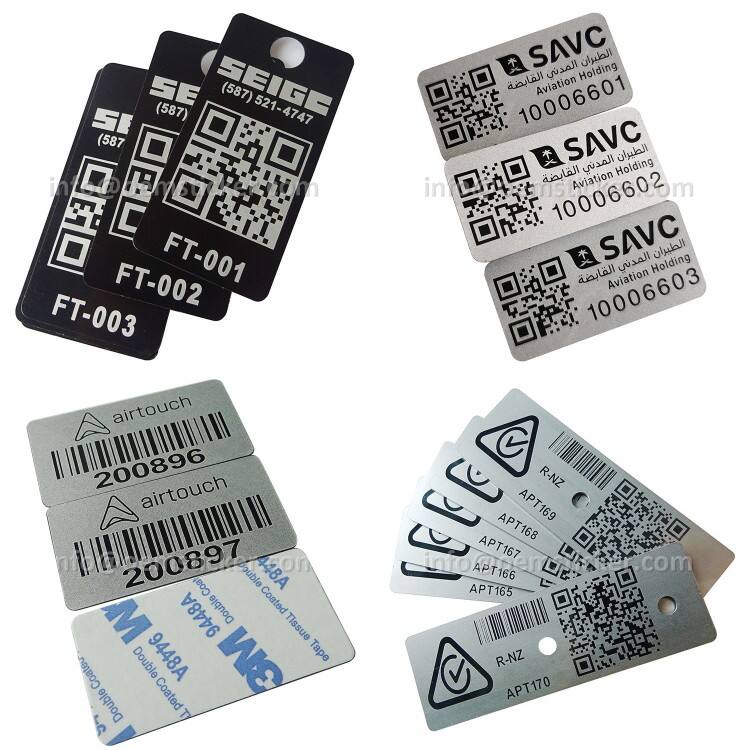
Industrial manufacturers, equipment builders, and brand managers continuously face the challenge of sourcing dependable metal nameplate providers that deliver consistent quality, precision, and timely fulfillment. The question of where to order reliable metal nameplate services directly impacts product branding integrity, regulatory compliance, and long-term durability in demanding operational environments. With numerous suppliers claiming capability, distinguishing truly reliable providers requires understanding specific quality indicators, manufacturing competencies, and service frameworks that align with industrial procurement standards. This article examines the key pathways, evaluation criteria, and strategic considerations for ordering metal nameplate services that meet rigorous industrial requirements.
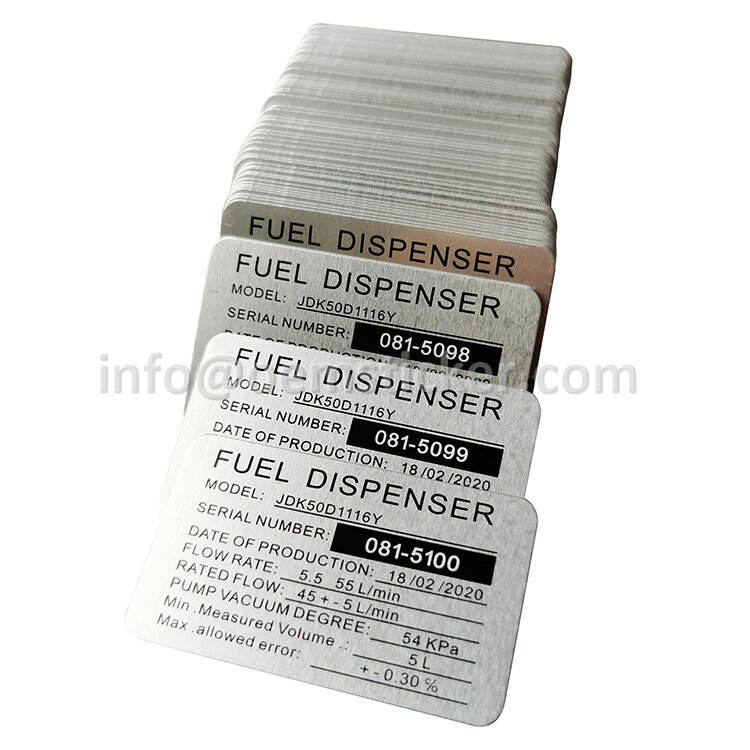
Reliable metal nameplate ordering begins with identifying suppliers who demonstrate proven manufacturing infrastructure, material expertise, and comprehensive service offerings that extend beyond basic fabrication. Today's procurement landscape offers multiple channels including specialized industrial nameplate manufacturers, integrated signage companies with metalworking capabilities, online B2B platforms connecting verified suppliers, and direct factory sourcing through established industrial hubs. Each channel presents distinct advantages in terms of customization flexibility, minimum order quantities, lead times, and technical support, making channel selection a strategic decision that should align with specific project requirements, volume needs, and quality expectations that govern your metal nameplate applications.
Identifying Qualified Metal Nameplate Manufacturing Sources
Specialized Industrial Nameplate Manufacturers
Dedicated metal nameplate manufacturers represent the most reliable source for industrial-grade identification products, offering focused expertise in metal substrate selection, surface treatment technologies, and precision graphic application methods. These specialized facilities typically maintain equipment specifically calibrated for nameplate production including photochemical etching systems, anodizing lines, screen printing stations, and digital printing capabilities optimized for metal surfaces. When sourcing from specialized manufacturers, buyers gain access to technical consultation on material selection, finish durability testing, and compliance verification for industry-specific marking standards. The concentration of expertise within these facilities translates to superior understanding of how different metal nameplate constructions perform under specific environmental conditions including chemical exposure, temperature extremes, UV degradation, and mechanical abrasion.
Specialized manufacturers often maintain certifications relevant to metal nameplate applications such as ISO 9001 quality management, UL recognition for component marking, and industry-specific approvals for aerospace, medical device, or military applications. Their production workflows incorporate quality checkpoints at substrate preparation, graphic application, protective coating, and final inspection stages, ensuring consistent output that meets dimensional tolerances and graphic fidelity requirements. Many specialized providers offer comprehensive services including design assistance, prototyping, material testing, and inventory management programs that support ongoing production needs. When evaluating specialized manufacturers, examine their material inventory breadth across aluminum, stainless steel, brass, and specialty alloys, as well as their capabilities in various marking technologies including etching, engraving, embossing, and digital printing that determine achievable design complexity and durability characteristics.
Verified B2B Industrial Supply Platforms
Business-to-business platforms specializing in industrial components and manufacturing services provide structured pathways to vetted metal nameplate suppliers with transparent capability documentation, customer reviews, and transaction protection mechanisms. Platforms such as industry-specific marketplaces aggregate suppliers who have undergone verification processes confirming business legitimacy, manufacturing capacity, and quality system implementation. These platforms typically feature detailed supplier profiles displaying production capabilities, equipment inventories, certifications, past project examples, and customer feedback that enable informed supplier comparison. The advantage of platform-based sourcing lies in the standardized information presentation that facilitates rapid evaluation across multiple potential suppliers, combined with built-in communication tools and often escrow payment systems that reduce transaction risk.
When utilizing B2B platforms for metal nameplate sourcing, prioritize suppliers displaying third-party verified credentials, substantial transaction histories, and detailed technical specifications regarding their metalworking processes and quality control measures. Many platforms offer supplier assessment services including factory audits, capability verification, and sample testing that provide additional assurance beyond self-reported information. The filtering and search functions within these platforms enable targeting suppliers by specific criteria such as minimum order quantities, lead time capabilities, certification holdings, and geographic location. Platform-based ordering often includes structured communication workflows, quotation comparison tools, and order tracking systems that streamline the procurement process while maintaining documentation trails important for quality assurance and supply chain management purposes.
Direct Factory Sourcing and OEM Partnerships
Establishing direct relationships with metal nameplate manufacturing facilities, particularly those offering OEM services, provides the highest degree of customization flexibility, cost optimization for volume orders, and collaborative product development opportunities. Direct factory partnerships eliminate intermediary markup while enabling deeper technical collaboration on material selection, process optimization, and quality specification development. OEM-focused manufacturers typically maintain flexible production systems capable of accommodating unique design requirements, proprietary finishes, and specialized attachment methods that differentiate products in competitive markets. These relationships often evolve into strategic supply partnerships featuring dedicated account management, inventory consignment arrangements, and co-development of next-generation metal nameplate solutions that incorporate emerging materials or application technologies.
Direct sourcing requires more rigorous supplier qualification processes including facility audits, capability demonstrations, sample evaluation programs, and quality system reviews to ensure manufacturing standards align with specification requirements. However, the investment in establishing direct factory relationships yields significant benefits including priority production scheduling, proprietary process development, intellectual property protection, and cost structures that improve product margins. When pursuing direct factory partnerships for metal nameplate supply, conduct comprehensive due diligence examining production capacity relative to your volume requirements, technical capabilities across substrate materials and marking methods, quality management system maturity, and financial stability indicators that suggest reliable long-term partnership viability. Successful direct sourcing relationships often include formal supplier development programs where buyers provide feedback, conduct periodic audits, and collaborate on continuous improvement initiatives that enhance metal nameplate quality and delivery performance over time.
Evaluating Reliability Indicators in Metal Nameplate Suppliers
Manufacturing Capability and Equipment Infrastructure
Supplier reliability directly correlates with manufacturing infrastructure sophistication, as metal nameplate production quality depends on precision equipment, controlled processing environments, and technological capabilities that enable consistent replication of specified characteristics. Reliable suppliers maintain dedicated metalworking equipment including CNC machining centers for precision cutting, chemical etching tanks with controlled concentration and temperature, anodizing lines for aluminum surface treatment, and curing ovens for adhesive and coating applications. The presence of advanced equipment such as laser engraving systems, digital UV printers optimized for metal substrates, and automated quality inspection systems indicates investment in capability development that supports superior metal nameplate output. Equipment age, maintenance protocols, and calibration procedures provide insights into process control maturity that determines dimensional accuracy, finish consistency, and defect rates.
Beyond equipment inventory, evaluate the supplier's facility organization including dedicated clean rooms or controlled environment areas for sensitive operations, organized material storage systems that prevent contamination, and logical production flow layouts that minimize handling damage. Reliable metal nameplate manufacturers implement documented process controls specifying parameters for each production step including substrate preparation methods, graphic application conditions, curing cycles, and quality verification checkpoints. Request facility tours or detailed capability documentation that demonstrates equipment capabilities relative to your specific metal nameplate requirements, particularly regarding achievable tolerances, minimum feature sizes, color matching systems, and surface finish options. Suppliers demonstrating transparent process documentation, willingness to discuss technical limitations, and evidence of continuous capability improvement through equipment upgrades represent more reliable long-term sourcing partners than those making unsubstantiated capability claims.
Quality Management Systems and Certification Standards
Formal quality management system implementation provides structural reliability in metal nameplate production through documented procedures, systematic monitoring, and continuous improvement mechanisms that reduce variability and defect occurrence. ISO 9001 certification indicates supplier commitment to quality management principles including process documentation, internal auditing, corrective action protocols, and customer satisfaction measurement. For metal nameplate applications in regulated industries, additional certifications such as AS9100 for aerospace, ISO 13485 for medical devices, or IATF 16949 for automotive demonstrate capability to meet stringent quality and traceability requirements. These certification frameworks require suppliers to maintain comprehensive quality records, implement statistical process control, conduct regular capability studies, and maintain calibration programs for measurement equipment used in metal nameplate inspection.
Beyond formal certifications, evaluate supplier quality practices through their inspection protocols, testing capabilities, and defect handling procedures. Reliable metal nameplate suppliers conduct incoming material verification, in-process quality checks at critical production stages, and comprehensive final inspection covering dimensional accuracy, graphic quality, finish integrity, and adhesive performance where applicable. The availability of testing equipment such as salt spray chambers for corrosion resistance evaluation, adhesion testers, color spectrophotometers, and coordinate measuring machines indicates serious commitment to quality verification. Request quality documentation examples including inspection reports, material certifications, and process capability studies that demonstrate actual performance data rather than relying solely on capability claims. Suppliers maintaining transparent quality metrics, willingly sharing defect rate data, and implementing customer feedback into process improvements demonstrate the reliability mindset essential for consistent metal nameplate supply.
Customer References and Project Portfolio Evidence
Verifiable customer references and documented project portfolios provide practical evidence of metal nameplate supplier reliability through demonstrated performance across diverse applications, industries, and technical requirements. Request specific references from customers with similar application requirements, volume levels, and quality expectations to your intended metal nameplate use. Reliable suppliers readily provide customer contacts, case study documentation, and sample examples representing their typical work quality and capability range. When contacting references, inquire about delivery performance consistency, responsiveness to technical questions, flexibility in accommodating specification changes, quality issue resolution approaches, and overall satisfaction with the metal nameplate products received.
Examine the supplier's project portfolio for diversity of metal nameplate types, complexity of designs successfully executed, and range of industries served, as breadth indicates adaptable capability rather than narrow specialization. Portfolio examples should demonstrate proficiency across different metal substrates, various marking technologies, multiple finish options, and diverse attachment methods relevant to your application needs. Photographic documentation showing close-up detail of finished metal nameplates reveals actual achievable quality in terms of edge definition, color accuracy, surface finish uniformity, and overall craftsmanship. Suppliers who have successfully completed projects for recognized brands or demanding industries demonstrate proven capability to meet rigorous standards. The willingness to provide detailed portfolio information, arrange facility visits, or supply evaluation samples indicates confidence in capabilities and commitment to transparent customer relationships that characterize reliable metal nameplate sourcing partners.
Service Capabilities Beyond Basic Metal Nameplate Production
Design Assistance and Technical Consultation
Reliable metal nameplate suppliers extend value beyond manufacturing execution by offering design assistance and technical consultation services that optimize nameplate specifications for manufacturing efficiency, application performance, and cost effectiveness. Experienced suppliers provide guidance on material selection based on environmental exposure conditions, recommend appropriate marking technologies considering durability requirements and design complexity, and suggest finish options that balance aesthetic preferences with functional performance. This consultative approach helps buyers avoid common specification pitfalls such as selecting substrate thicknesses inadequate for mounting methods, specifying graphic detail exceeding manufacturing capabilities, or choosing finish combinations with compatibility issues that compromise adhesion or durability.
Design assistance services typically include CAD file review and optimization, prototype development for design validation, and material testing to verify performance under simulated application conditions. Suppliers with strong technical consultation capabilities maintain knowledgeable staff who understand regulatory marking requirements across industries, can recommend compliant solutions, and provide documentation supporting compliance verification. This expertise proves particularly valuable when developing metal nameplate specifications for new products, entering regulated markets, or upgrading existing identification systems to meet enhanced durability requirements. The availability of technical consultation indicates supplier investment in customer success rather than transactional order fulfillment, representing a reliability indicator that extends throughout the business relationship. When evaluating suppliers, assess the depth of technical knowledge demonstrated during initial discussions, willingness to propose alternative approaches that improve outcomes, and availability of engineering resources for complex metal nameplate projects.
Prototyping and Sample Development Programs
Comprehensive prototyping capabilities enable validation of metal nameplate designs before committing to production quantities, reducing risk of specification errors, appearance mismatches, or performance shortfalls that could compromise product branding or regulatory compliance. Reliable suppliers maintain streamlined sample production processes that deliver representative prototypes within reasonable timeframes, utilizing the same materials, processes, and equipment planned for production runs to ensure prototype accuracy. Effective sample programs include multiple iteration cycles allowing refinement of graphic details, color matching, finish characteristics, and dimensional specifications based on physical evaluation rather than theoretical design review alone.
Sample development services should encompass various testing options including accelerated weathering exposure, chemical resistance evaluation, adhesion testing, and durability assessment under simulated use conditions relevant to the intended metal nameplate application. Suppliers offering comprehensive sample programs often provide multiple finish options, alternative substrate choices, or different marking technology demonstrations that enable informed selection based on actual appearance and performance comparison. The investment suppliers make in robust sampling capabilities indicates confidence in their production consistency and commitment to customer satisfaction, as samples set performance expectations for subsequent production orders. When ordering metal nameplate services, prioritize suppliers who include thorough sampling phases within their standard workflow, maintain sample archives for future reference, and demonstrate willingness to produce multiple iterations until specifications are optimized. The sample phase provides critical opportunity to assess supplier responsiveness, technical problem-solving capability, and attention to detail that predict reliability throughout the production relationship.
Inventory Management and Fulfillment Flexibility
Advanced service capabilities including inventory management programs and flexible fulfillment options distinguish suppliers focused on comprehensive customer support from basic manufacturers offering only production services. Reliable metal nameplate suppliers offer consignment inventory arrangements where they maintain stock of customer-specific nameplates, releasing quantities as needed to support just-in-time manufacturing workflows while minimizing customer inventory carrying costs. These programs require sophisticated inventory tracking systems, dedicated storage capacity, and responsive order processing capabilities that ensure rapid fulfillment when replenishment orders are placed. Consignment arrangements prove particularly valuable for products with steady demand patterns, enabling buyers to secure production capacity and pricing while maintaining lean internal inventory levels.
Fulfillment flexibility encompasses various shipping options, packaging configurations, and delivery scheduling approaches that accommodate diverse customer requirements. Reliable suppliers maintain relationships with multiple logistics providers, offer various shipping speed options, and provide shipment tracking capabilities that enable precise delivery coordination. Packaging expertise ensures metal nameplates arrive without damage, utilizing appropriate protective materials, orientation methods, and container selection based on substrate material, finish sensitivity, and quantity per shipment. Some suppliers offer value-added fulfillment services such as kitting with complementary components, direct shipment to multiple customer locations, or integration with customer inventory management systems through electronic data interchange. These extended service capabilities reflect operational sophistication and customer-centric orientation that characterize truly reliable metal nameplate sourcing partners capable of supporting complex supply chain requirements beyond simple product delivery.
Strategic Considerations for Metal Nameplate Supplier Selection
Total Cost Analysis Beyond Unit Price
Comprehensive cost evaluation for metal nameplate sourcing extends beyond quoted unit prices to encompass total acquisition costs including tooling fees, setup charges, shipping expenses, duty and customs for international suppliers, quality defect costs, and administrative burden associated with supplier management. Initial price advantages may erode when accounting for additional costs such as separate tooling charges for each design variation, minimum order quantities that force excess inventory, or quality issues requiring rework, returns, and production delays. Reliable suppliers often present higher initial unit costs but deliver superior total cost performance through lower defect rates, flexible minimum quantities, included design services, and efficient order processing that reduces administrative effort.
Long-term cost considerations include price stability over multi-year supply relationships, willingness to negotiate volume-based pricing structures, and transparency regarding factors that influence cost adjustments such as material price fluctuations or process changes. Evaluate supplier pricing models for alignment with your procurement approach, whether focused on competitive bidding per project, negotiated contract pricing for defined periods, or cost-plus arrangements for highly customized metal nameplate applications. Consider the financial stability of potential suppliers, as sourcing from marginally viable operations risks supply interruption, quality deterioration, or loss of proprietary tooling investment if the supplier experiences business failure. Total cost analysis should incorporate risk-adjusted costs reflecting the probability and impact of supplier performance failures, recognizing that metal nameplate quality issues can result in product recalls, brand damage, or regulatory penalties with costs far exceeding initial procurement savings. Strategic sourcing decisions balance immediate cost pressures with long-term value considerations including supplier capability development, collaborative improvement initiatives, and relationship investments that yield compounding benefits over extended partnerships.
Geographic Proximity Versus Global Sourcing Trade-offs
The decision between local, regional, or international metal nameplate sourcing involves evaluating trade-offs among lead times, communication efficiency, quality oversight capability, logistics costs, and supply chain risk exposure. Local or regional suppliers offer advantages including shorter lead times enabling responsive order fulfillment, easier facility visits for capability assessment and quality audits, simplified communication without language barriers or time zone complications, and reduced shipping costs particularly for frequent small-volume orders. Geographic proximity facilitates collaborative relationships with regular face-to-face interaction, rapid prototype iteration, and immediate issue resolution when quality concerns arise. Domestic sourcing may also satisfy regulatory preferences, customer requirements, or corporate policies favoring local content, while simplifying customs clearance and import compliance requirements.
International sourcing, particularly from established manufacturing regions, can offer cost advantages for metal nameplate production due to labor cost differentials, specialized manufacturing clusters with concentrated expertise, and economies of scale from high-volume production capabilities. However, global sourcing introduces extended lead times requiring sophisticated demand forecasting and inventory planning, communication challenges demanding clear documentation and specification precision, quality oversight difficulties necessitating robust sampling and inspection protocols, and supply chain vulnerability to logistics disruptions, geopolitical events, or regulatory changes affecting trade relationships. The optimal sourcing strategy often involves a balanced portfolio approach, utilizing international suppliers for high-volume standardized metal nameplates where cost advantages outweigh extended lead times, while maintaining regional supplier relationships for low-volume custom applications, rapid prototyping needs, or backup capacity to mitigate supply disruption risks. Geographic sourcing decisions should align with overall supply chain strategy, considering inventory investment implications, quality risk tolerance, and the strategic importance of metal nameplate supply continuity to broader business operations.
Intellectual Property Protection and Confidentiality Considerations
Metal nameplate designs often incorporate proprietary branding elements, confidential product information, or distinctive visual identities requiring protection from unauthorized reproduction or competitive exposure. Supplier selection must consider intellectual property safeguards including non-disclosure agreements, design file security protocols, and contractual provisions preventing unauthorized use of customer designs or production of nameplate duplicates for other parties. Reliable suppliers implement documented information security measures including restricted access to customer design files, secure data storage systems, and employee confidentiality training that minimize risks of design theft or inadvertent disclosure. When sourcing metal nameplates incorporating valuable brand assets or proprietary product marking, evaluate supplier policies regarding sample retention, disposal of obsolete tooling containing customer designs, and procedures for returning or destroying customer-provided artwork and specifications upon relationship termination.
International sourcing introduces additional intellectual property considerations including varying legal frameworks for design protection, enforcement challenges in certain jurisdictions, and cultural differences in intellectual property respect. Suppliers in regions with robust intellectual property legal systems and established business practices respecting customer confidentiality present lower risk for sensitive metal nameplate designs. Consider requiring suppliers to maintain liability insurance covering intellectual property violations, implement facility access controls preventing unauthorized viewing of customer products, and submit to periodic security audits verifying compliance with confidentiality requirements. For highly sensitive applications, some buyers implement split-source strategies where different suppliers produce components of complete metal nameplate assemblies, preventing any single supplier from possessing complete design information or capability to replicate finished products. Intellectual property protection deserves explicit discussion during supplier selection, with documented agreements and verified security practices providing assurance that proprietary metal nameplate designs remain confidential throughout the supply relationship and beyond.
FAQ
What minimum order quantities should I expect when ordering metal nameplates from reliable suppliers?
Minimum order quantities for metal nameplate services vary significantly based on production method, substrate material, and supplier business model, typically ranging from 50 to 500 pieces for standard industrial nameplates. Suppliers utilizing photochemical etching or screen printing processes often require higher minimums to justify setup costs, while digital printing technologies enable economical production of smaller quantities. Specialized manufacturers focused on custom work may accommodate lower minimums than high-volume production facilities optimized for large runs. When evaluating suppliers, discuss minimum quantity requirements explicitly, understanding that lower minimums often carry higher per-unit costs due to fixed setup cost distribution across fewer pieces. Some suppliers offer flexible minimums for initial orders or prototype runs, requiring higher quantities for subsequent production orders. Strategic buyers often consolidate multiple metal nameplate designs into single production runs to meet minimums while diversifying inventory, or negotiate annual volume commitments that enable lower per-order minimums within the contract period.
How long does typical metal nameplate production take from order to delivery?
Standard metal nameplate production lead times range from two to six weeks depending on design complexity, substrate material, finish requirements, order quantity, and supplier capacity utilization at the time of order placement. Simple designs on common substrates like aluminum with standard anodized finishes typically require shorter lead times than complex multi-color graphics on specialty alloys with custom finishes. Lead time components include design finalization and artwork approval, material procurement if specialty substrates are required, production queue time, actual manufacturing duration, quality inspection, and shipping transit. Reliable suppliers provide realistic lead time estimates during quoting, communicate proactively if delays occur, and often offer expedited production options at premium pricing for urgent requirements. When planning metal nameplate procurement, allow adequate lead time buffers for approval cycles, potential revision iterations, and unexpected production complications. Establishing ongoing supply relationships with predictable ordering patterns often yields priority scheduling and reduced lead times compared to sporadic buyers. For critical applications requiring guaranteed delivery timing, discuss lead time commitments explicitly and consider contractual provisions addressing delivery performance expectations.
What quality documentation should I request from metal nameplate suppliers?
Comprehensive quality documentation for metal nameplate orders should include material certifications verifying substrate composition and properties, dimensional inspection reports confirming specified tolerances, finish test results demonstrating coating thickness and adhesion performance, and compliance certificates for any regulatory marking standards applicable to your industry. Reliable suppliers provide certificates of conformance summarizing inspection results and confirming specification compliance, accompanied by detailed inspection data sheets when requested. For critical applications, request first article inspection reports documenting comprehensive measurement of initial production samples prior to full production authorization. Additional documentation may include process certifications demonstrating controlled manufacturing conditions, test reports from independent laboratories verifying performance characteristics, and traceability records linking finished nameplates to specific material lots and production dates. Quality documentation requirements should be established during the quotation phase, ensuring suppliers understand expectations and can provide necessary records without production delays. Systematic review of quality documentation upon receipt enables verification that delivered metal nameplates meet specifications before installation or integration into finished products, protecting against costly quality failures discovered during downstream processes.
Can metal nameplate suppliers accommodate design changes after initial order placement?
Design change accommodation after order placement depends on production stage, nature of the requested changes, and supplier operational flexibility, with changes before production commencement typically feasible while modifications after manufacturing begins may be impossible or require order cancellation with restart fees. Reliable suppliers implement formal change order processes that document requested modifications, assess feasibility and cost implications, and secure customer approval before implementing changes. Minor adjustments such as text corrections or color tweaks often can be accommodated if identified before tooling creation or material processing begins, while significant design changes may require new tooling, revised material procurement, or complete production restart. To minimize change complications, invest adequate time in design finalization and approval processes before authorizing production, utilizing prototype samples to validate design intent before committing to production quantities. When changes become necessary after order placement, communicate immediately with suppliers to determine modification feasibility and associated timeline or cost impacts. Suppliers demonstrating flexible change accommodation within reasonable constraints often provide superior partnership value compared to rigid operations unable to adapt to evolving requirements, though excessive changes may indicate inadequate internal design management processes requiring improvement to achieve efficient metal nameplate procurement.
Table of Contents
- Identifying Qualified Metal Nameplate Manufacturing Sources
- Evaluating Reliability Indicators in Metal Nameplate Suppliers
- Service Capabilities Beyond Basic Metal Nameplate Production
- Strategic Considerations for Metal Nameplate Supplier Selection
-
FAQ
- What minimum order quantities should I expect when ordering metal nameplates from reliable suppliers?
- How long does typical metal nameplate production take from order to delivery?
- What quality documentation should I request from metal nameplate suppliers?
- Can metal nameplate suppliers accommodate design changes after initial order placement?