 EN
EN

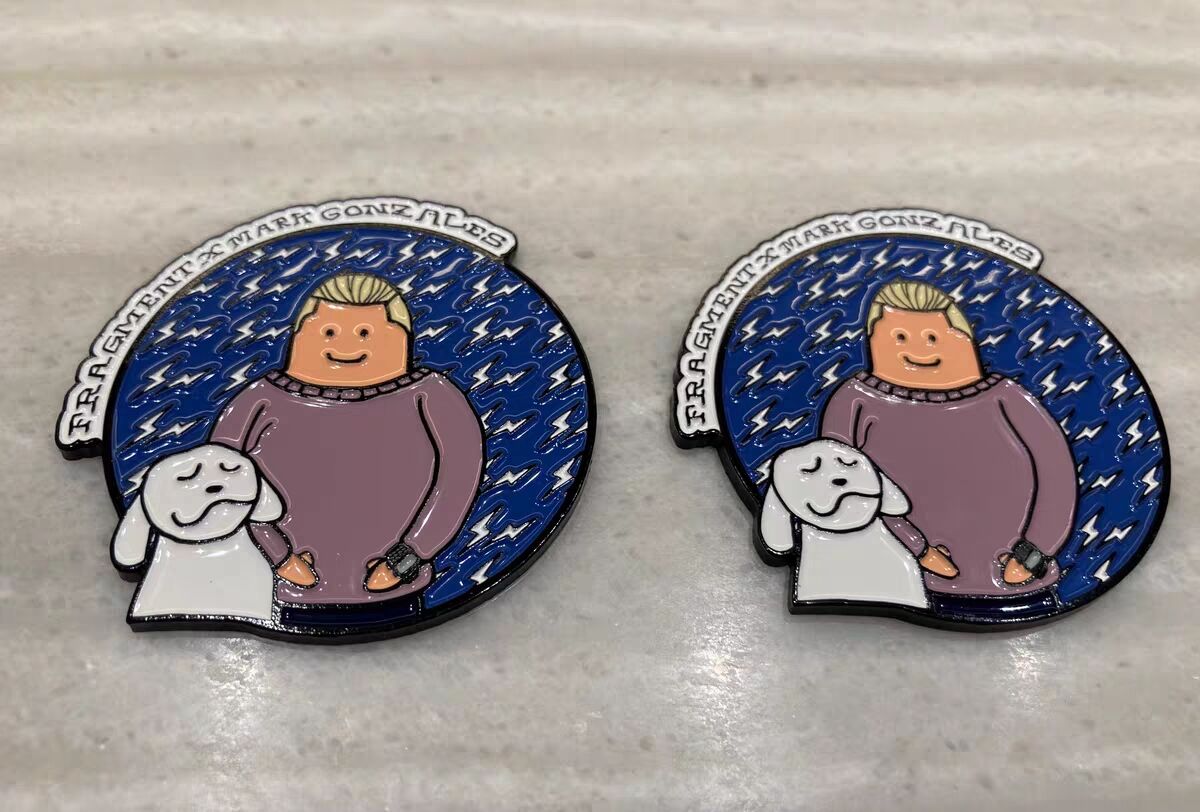
A resin sticker represents a sophisticated adhesive labeling solution that combines the clarity and durability of synthetic resin materials with advanced printing technologies to create premium identification and branding products. These specialized stickers utilize epoxy resin, polyurethane resin, or other polymer-based compounds to form a protective dome-like layer over printed graphics, resulting in a three-dimensional appearance that enhances visual appeal while providing exceptional resistance to environmental factors. Understanding what resin stickers are and how they function becomes increasingly important as industries demand more durable and aesthetically superior labeling solutions for their products and equipment.
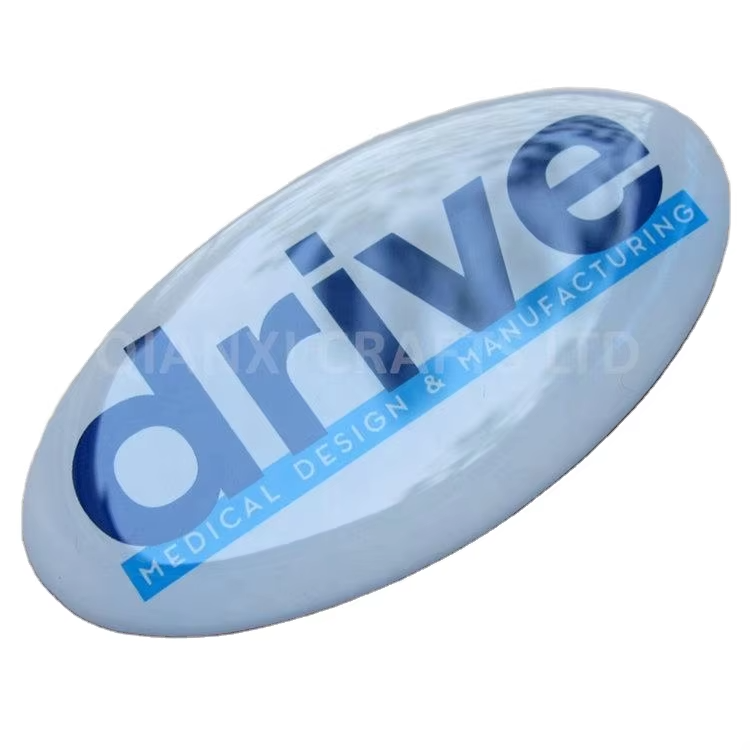
The operational mechanism of resin stickers involves a multi-layered construction process where liquid resin compounds cure over printed substrates to create a hardened, transparent protective layer that magnifies underlying graphics while delivering superior adhesion properties. This technology has evolved significantly in 2026, incorporating advanced polymer chemistry and precision manufacturing techniques that enable these stickers to perform reliably in demanding industrial environments while maintaining their visual clarity and dimensional stability over extended periods. The working principles of resin stickers encompass chemical curing processes, adhesive bonding mechanics, and surface interaction dynamics that collectively determine their performance characteristics and application suitability.
Material Composition and Chemical Structure
Core Resin Components
The fundamental structure of a resin sticker begins with its primary material composition, typically featuring epoxy resins, polyurethane resins, or acrylic-based polymer systems that provide the characteristic dome effect and protective properties. Epoxy resin formulations dominate the market due to their exceptional clarity, chemical resistance, and dimensional stability, while polyurethane variants offer enhanced flexibility and impact resistance for applications requiring greater mechanical durability. These resin systems undergo controlled polymerization reactions when exposed to specific curing conditions, transforming from liquid precursors into solid, transparent layers that encapsulate and protect the underlying printed graphics.
The molecular architecture of resin sticker materials incorporates cross-linking agents, UV stabilizers, and adhesion promoters that collectively determine the final performance characteristics of the finished product. Cross-linking density affects the hardness and chemical resistance of the cured resin layer, while UV stabilizers prevent degradation and yellowing when exposed to sunlight or artificial lighting. Adhesion promoters ensure strong bonding between the resin layer and the printed substrate, creating a unified structure that resists delamination under thermal cycling and mechanical stress conditions commonly encountered in industrial applications.
Substrate and Adhesive Systems
The substrate layer of a resin sticker typically consists of specialized films or papers designed to accept digital printing inks while providing optimal adhesion properties for the resin coating process. Polyester films, vinyl substrates, and synthetic papers represent the most common substrate choices, each offering specific advantages in terms of dimensional stability, ink adhesion, and compatibility with different resin formulations. The selection of substrate material significantly influences the optical clarity, color vibrancy, and overall durability of the finished resin sticker, requiring careful consideration of end-use requirements and environmental exposure conditions.
Adhesive systems used in resin stickers encompass permanent, removable, and repositionable formulations based on acrylic, rubber, or silicone chemistries that provide reliable bonding to diverse surface types including metals, plastics, glass, and painted surfaces. Advanced adhesive technologies incorporate temperature-resistant compounds and chemical-resistant polymers that maintain bonding strength across wide temperature ranges and in the presence of solvents, oils, and cleaning agents. The adhesive layer must also demonstrate compatibility with the resin system to prevent migration or chemical interaction that could compromise the sticker's appearance or performance over time.
Manufacturing Process and Production Technology
Digital Printing and Graphics Creation
The production of resin stickers begins with high-resolution digital printing processes that utilize UV-curable inks, solvent-based inks, or latex ink technologies to create vibrant, durable graphics on specially prepared substrates. Modern printing systems achieve resolutions exceeding 1440 dpi, enabling the reproduction of fine details, gradients, and photographic images that benefit from the magnification effect created by the resin dome. Color management systems ensure consistent reproduction across production runs while gamut-extended ink sets provide enhanced color saturation and vibrancy that becomes particularly pronounced under the resin layer's magnifying properties.
Print preparation for resin sticker production requires specific considerations regarding ink adhesion, color density, and curing characteristics that differ from standard label printing applications. The printed graphics must demonstrate excellent adhesion to the substrate while resisting migration or bleeding when exposed to the liquid resin during the coating process. Specialized primers or surface treatments may be applied to optimize ink-to-substrate bonding and prevent color shifting or fading that could occur during the resin curing cycle.
Resin Application and Curing Process
The resin application process represents the critical manufacturing step that transforms a conventional printed label into a three-dimensional resin sticker with enhanced visual appeal and protective properties. Automated dispensing systems precisely control the volume and placement of liquid resin onto the printed substrate, utilizing programmable dispensing heads that account for graphics complexity, substrate dimensions, and desired dome height. The resin spreading behavior must be carefully managed to ensure uniform coverage while preventing overflow beyond the intended boundaries of the finished sticker.
Curing processes for resin stickers involve controlled heating, UV exposure, or ambient curing depending on the specific resin chemistry employed in the formulation. Thermal curing systems utilize precise temperature profiles that promote cross-linking reactions while minimizing thermal stress and preventing substrate distortion. UV curing systems offer rapid processing capabilities and energy efficiency while requiring careful management of photoinitiator systems and exposure parameters to achieve complete polymerization throughout the resin layer thickness. The curing environment must be controlled to prevent contamination, air entrapment, and surface defects that could compromise the optical clarity and performance of the finished resin sticker.
Working Mechanisms and Performance Characteristics
Optical Enhancement and Visual Effects
The primary working mechanism of resin stickers involves optical magnification and enhancement effects created by the curved resin surface acting as a convex lens that amplifies underlying graphics while providing increased color saturation and depth perception. The refractive index differential between the resin material and surrounding air creates focusing effects that make printed images appear larger, more vibrant, and three-dimensional compared to conventional flat labels. This optical magnification typically ranges from 1.2x to 1.8x depending on the resin dome height and curvature, creating visual impact that enhances brand recognition and product differentiation in competitive market environments.
Surface reflection and light transmission properties of cured resin layers contribute to the premium appearance and perceived value of resin stickers while providing practical benefits in terms of readability and visibility under various lighting conditions. The smooth, curved surface minimizes light scattering and reduces glare while maximizing color transmission and contrast ratios that improve text legibility and graphic clarity. Anti-reflective treatments or surface texturing can be incorporated into specialized resin formulations to optimize performance for specific viewing angles or lighting environments commonly encountered in particular applications.
Protective Functions and Durability Mechanisms
Beyond their aesthetic enhancement properties, resin stickers function as protective barriers that shield underlying graphics from physical damage, chemical exposure, and environmental degradation through their hardened surface layer and chemical resistance characteristics. The cured resin forms a scratch-resistant surface with hardness values typically ranging from 2H to 4H on the pencil hardness scale, providing protection against abrasion, impact, and handling damage that commonly affects conventional labels in industrial environments. This protective function extends the usable life of graphics and maintains appearance quality throughout extended service periods.
Chemical resistance mechanisms in resin stickers involve the formation of cross-linked polymer networks that resist penetration by solvents, oils, cleaning agents, and other potentially damaging substances commonly encountered in industrial and commercial applications. The barrier properties of cured resin layers prevent moisture ingress and contamination while maintaining dimensional stability under temperature cycling and humidity variations. UV resistance additives incorporated into resin formulations protect both the resin material and underlying graphics from photodegradation, preventing yellowing, fading, and embrittlement that could compromise long-term performance and appearance.
Applications and Industry Implementation
Industrial and Commercial Use Cases
Resin stickers serve critical identification and branding functions across diverse industrial sectors including electronics manufacturing, automotive production, medical device fabrication, and precision instrument assembly where durability, clarity, and professional appearance requirements exceed the capabilities of conventional labeling solutions. In electronics applications, resin stickers provide component identification, safety warnings, and brand markings that maintain legibility and adhesion despite exposure to solvents, temperature extremes, and handling stresses encountered during manufacturing and service operations. The dome construction resists mechanical damage while the chemical resistance prevents degradation from cleaning processes and environmental exposure.
Automotive applications utilize resin stickers for component identification, decorative trim elements, and aftermarket customization products where the enhanced visual appeal and durability characteristics provide value-added differentiation compared to standard labels or decals. The temperature resistance and chemical compatibility of resin stickers enable their use in engine compartments, exterior applications, and interior installations where conventional labels would fail due to heat, UV exposure, or chemical attack from automotive fluids and cleaning products. Custom shapes, sizes, and graphics capabilities allow for precise integration with vehicle design requirements while maintaining manufacturing efficiency.
Emerging Applications and Technology Integration
The evolution of resin sticker technology in 2026 encompasses integration with smart labeling systems, NFC chips, and QR codes that combine the visual enhancement and protection benefits of resin doming with digital connectivity and data storage capabilities. These hybrid solutions embed electronic components within or beneath the resin layer, creating durable, weather-resistant smart labels that maintain functionality and readability throughout extended service periods. The protective properties of the resin layer shield sensitive electronic components from moisture, contamination, and physical damage while the optical enhancement improves the visibility and scanability of printed codes and symbols.
Advanced manufacturing techniques enable the production of resin stickers with variable dome heights, textured surfaces, and integrated color-changing or photochromic properties that respond to environmental conditions such as temperature, UV exposure, or chemical presence. These intelligent resin sticker systems provide visual indication capabilities for safety monitoring, tamper evidence, or process control applications while maintaining the fundamental durability and aesthetic benefits of conventional resin dome technology. The integration of nanomaterials and functional additives creates opportunities for antimicrobial properties, electrical conductivity, or enhanced barrier performance that expand the application scope of resin stickers into specialized market segments.
FAQ
How long do resin stickers typically last in outdoor environments?
Properly manufactured resin stickers demonstrate exceptional outdoor durability, typically lasting 5 to 10 years or more depending on the specific resin formulation, UV stabilizer content, and environmental exposure conditions. High-quality epoxy and polyurethane resin systems resist yellowing, cracking, and degradation when exposed to sunlight, temperature cycling, and weather conditions, while the protective dome layer shields underlying graphics from fading and mechanical damage that commonly affects conventional outdoor labels.
Can resin stickers be removed without damaging the surface underneath?
The removability of resin stickers depends primarily on the adhesive system used during manufacturing rather than the resin dome itself, with removable adhesive formulations allowing clean removal from most surfaces when proper techniques are employed. Heat application or adhesive removal solvents can facilitate the removal process by softening the adhesive bond, though the rigid nature of cured resin may require careful technique to prevent surface damage on delicate substrates or painted surfaces.
What temperature ranges can resin stickers withstand during operation?
Modern resin sticker formulations typically operate effectively within temperature ranges from -40°C to +120°C (-40°F to +248°F), with specialized high-temperature variants capable of withstanding exposure up to 150°C (302°F) for extended periods. The thermal performance depends on the specific resin chemistry, curing process, and substrate materials used, with proper formulation selection enabling reliable operation in demanding thermal environments including automotive, aerospace, and industrial applications.
Are resin stickers compatible with curved or irregular surfaces?
Resin stickers can be applied to moderately curved surfaces and slight irregularities, though the rigid nature of the cured resin dome limits their conformability compared to flexible label materials, requiring careful consideration of surface geometry and application techniques. For complex curved surfaces, flexible resin formulations or segmented designs may be employed to accommodate surface contours while maintaining the protective and aesthetic benefits of resin dome construction, though extreme curvatures may require alternative labeling solutions.