 EN
EN


Effective inventory management is critical for businesses that rely on equipment, tools, and valuable assets. Metal asset tags have become an essential solution for organizations seeking to streamline their tracking processes and maintain precise records of their physical inventory. Unlike traditional paper labels or plastic tags that deteriorate over time, metal asset tags offer superior durability and longevity, ensuring that identification information remains legible and scannable throughout the asset's lifecycle. This reliability makes metal asset tags an investment that pays dividends across manufacturing facilities, construction sites, healthcare institutions, and enterprise environments.
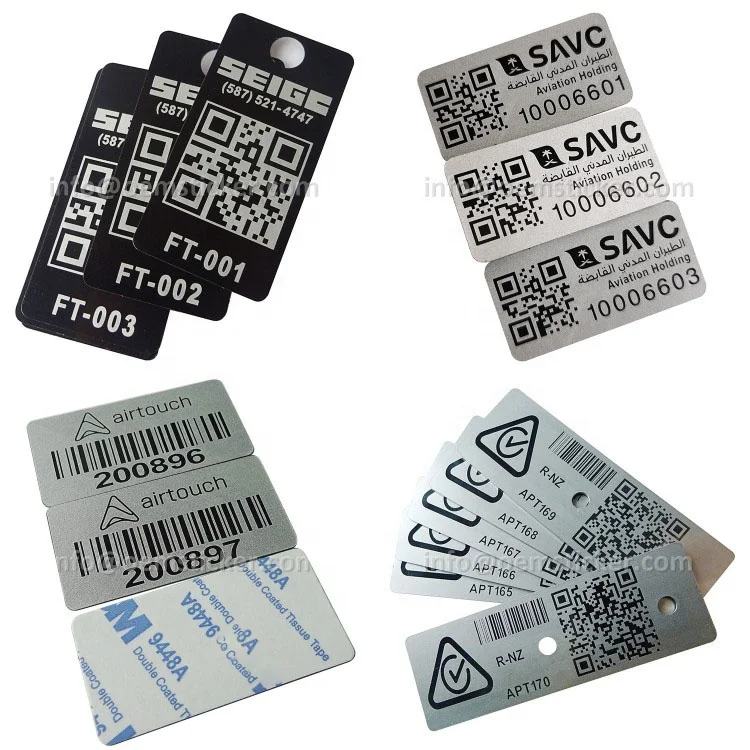
The role of metal asset tags extends far beyond simple identification. These tags serve as the foundation of modern inventory tracking systems, enabling real-time visibility into asset location, condition, and movement. By integrating metal asset tags with barcode or QR code technology, organizations can automate data capture, eliminate manual entry errors, and create comprehensive audit trails. The permanence of metal asset tags ensures that tracking data remains accurate and actionable, directly supporting compliance requirements and operational efficiency goals.
Durability and Longevity Benefits of Metal Asset Tags
Why Metal Asset Tags Withstand Harsh Environments
Metal asset tags excel in demanding operational environments where plastic or paper alternatives fail rapidly. Manufacturing facilities, outdoor construction sites, and industrial warehouses subject equipment to extreme temperatures, moisture, chemical exposure, and physical stress. Metal asset tags resist corrosion, UV degradation, and mechanical wear that would compromise softer materials within months. Aluminum, stainless steel, and powder-coated metal formulations protect the underlying identification data from environmental damage, ensuring that metal asset tags remain readable for ten years or longer. This longevity directly reduces the need for costly tag replacement cycles and maintains consistency in inventory records across extended asset lifecycles.
Cost Efficiency Through Extended Service Life
Organizations often underestimate the true cost of replacing damaged or illegible identification tags. When tags degrade prematurely, replacement labor, new tag procurement, and the temporary loss of tracking visibility create hidden expenses that accumulate quickly. Metal asset tags eliminate these recurring costs by delivering a one-time investment that requires virtually no maintenance. The superior durability of metal asset tags means that companies achieve lower total cost of ownership compared to plastic competitors, particularly in asset-intensive industries where tag degradation rates are highest. This economic advantage becomes particularly significant in multi-facility enterprises managing thousands of tagged assets simultaneously.
Enhanced Accuracy and Real-Time Inventory Visibility
Reducing Data Entry Errors with Automated Scanning
Manual inventory counting and handwritten records introduce human error into asset tracking processes. Metal asset tags equipped with barcode or QR code markings enable automated data capture through handheld scanners, mobile applications, and fixed readers. When warehouse staff or technicians scan metal asset tags instead of typing asset numbers, the risk of transcription errors drops dramatically. This automated approach to inventory tracking creates a more accurate database that reflects actual asset locations and status in real-time. Organizations deploying metal asset tags with barcode integration report accuracy improvements exceeding ninety-five percent, transforming inventory records from approximate estimates into reliable business intelligence that supports decision-making.
Real-Time Visibility and Asset Location Tracking
Effective inventory management requires knowing where assets are located at any moment. Metal asset tags enable real-time asset location tracking when integrated with enterprise inventory management software. As personnel scan metal asset tags during equipment movement, maintenance, or transfer between departments, the system automatically updates asset location records. This visibility prevents duplicate purchases of assets that have been misplaced but remain in inventory, identifies underutilized equipment available for reallocation, and supports accurate financial reporting. Real-time tracking powered by metal asset tags reduces the time required to locate specific equipment by up to eighty percent, directly improving operational productivity and reducing equipment downtime.
Compliance, Security, and Loss Prevention
Supporting Regulatory Compliance and Audit Requirements
Regulated industries including healthcare, aviation maintenance, and pharmaceutical manufacturing maintain strict asset documentation requirements. Metal asset tags create permanent, tamper-evident identification that supports compliance audits and regulatory inspections. The legible serial numbers and identification codes on metal asset tags cannot be easily altered or removed, creating an audit trail that demonstrates asset accountability throughout their operational lifespan. Organizations using metal asset tags satisfy compliance requirements with confidence, knowing that identification information will remain intact and verifiable during regulatory reviews. This compliance capability makes metal asset tags particularly valuable in sectors where asset traceability directly impacts safety, liability, and regulatory standing.
Loss Prevention and Theft Deterrence
Valuable tools, diagnostic equipment, and high-turnover assets frequently disappear from warehouses and job sites through loss or unauthorized removal. Metal asset tags serve as highly visible ownership markers that discourage casual theft and improve asset recovery rates when loss occurs. The permanence of metal asset tags means that removing or defacing identification markers requires deliberate effort and tools, creating friction that deters thieves seeking quick profits. When theft does occur, the unique identification on metal asset tags enables police reports, insurance claims, and recovery operations to reference specific asset details. Studies show that organizations implementing metal asset tags experience reductions in asset loss ranging from twenty to forty percent, directly protecting capital investments and improving asset availability for authorized operations.
Integration with Inventory Management Systems
Seamless Software Integration and Data Accuracy
Modern inventory management systems expect consistent, scannable identification on physical assets. Metal asset tags support integration with enterprise resource planning software, warehouse management systems, and mobile inventory applications. The standardized format of metal asset tags with barcode or QR code markings allows organizations to implement system-wide asset tracking without compatibility issues across multiple facilities or business units. Data captured through scanning metal asset tags populates inventory databases automatically, eliminating the need for manual data entry that previously consumed hours of administrative effort. This seamless integration transforms metal asset tags from simple identification markers into active components of digital inventory ecosystems that deliver real-time visibility and automated reporting.
Customization for Industry-Specific Requirements
Different industries face unique asset tracking challenges that require customized identification solutions. Metal asset tags can be manufactured with industry-specific information, sequential numbering, QR codes containing equipment specifications, or company branding that aligns with asset management protocols. Organizations can specify the exact size, shape, material composition, and marking method for metal asset tags to match their operational requirements and environmental conditions. This customization capability ensures that metal asset tags serve as fit-for-purpose identification tools rather than generic markers that require supplementary documentation. Companies leveraging this flexibility achieve more efficient inventory processes where asset information is captured directly from metal asset tags without requiring database lookups or manual reference documentation.
FAQ
How long do metal asset tags typically remain legible and functional?
Quality metal asset tags with proper installation typically remain fully legible and functional for ten to fifteen years or longer, depending on environmental conditions. Aluminum and stainless steel formulations resist corrosion effectively in most industrial environments, while additional coatings provide enhanced protection in extreme chemical or moisture-intensive settings. The barcode or QR code markings on metal asset tags retain scannability throughout their service life when protected with UV-resistant inks and durable top coatings. This extended functional lifespan makes metal asset tags a cost-effective choice compared to plastic alternatives that often require replacement within two to five years of deployment.
Can metal asset tags be customized with specific company information or asset details?
Yes, metal asset tags are highly customizable to meet specific business requirements and asset management protocols. Manufacturers can laser mark, engrave, or print custom information onto metal asset tags including serial numbers, QR codes, equipment specifications, department identifiers, or company logos. Organizations can select the exact dimensions, material composition, and mounting method for metal asset tags to align with their assets and operational environment. This customization ensures that metal asset tags integrate seamlessly with existing inventory management systems and provide all necessary identification information directly on the physical tag without requiring external reference documents.
Do metal asset tags work with standard barcode and QR code scanning equipment?
Metal asset tags are fully compatible with standard barcode scanners and QR code readers used in most inventory management systems. The barcode or QR code markings applied to metal asset tags follow industry-standard formats that existing handheld scanners and fixed readers recognize automatically. Organizations do not require specialized scanning equipment to read metal asset tags, allowing companies to implement asset tracking solutions using their current inventory technology infrastructure. This compatibility makes it practical to deploy metal asset tags across facilities without investing in new scanning hardware or disrupting existing warehouse and inventory management processes.