Get a Free Quote

Our representative will contact you soon.
Email
Mobile/WhatsApp
Name
Company Name
Message
0/1000

What makes metal asset tags ideal for harsh environments?

2026-05-15 15:07:00
What makes metal asset tags ideal for harsh environments?

In industrial facilities, construction sites, offshore platforms, and manufacturing plants where equipment faces extreme temperatures, chemical exposure, abrasive conditions, and weathering, the durability of identification systems becomes mission-critical. Asset tracking failures in harsh environments lead to costly downtime, safety compliance violations, and operational inefficiencies. Metal asset tags have emerged as the preferred solution for organizations requiring permanent, legible identification under the most demanding physical and environmental conditions. Their inherent material properties, combined with advanced marking technologies, deliver unmatched longevity and reliability where paper labels, plastic tags, and other conventional identification methods fail within days or weeks.

metal asset tags

Understanding what makes metal asset tags uniquely suited for harsh environments requires examining both the intrinsic characteristics of metal substrates and the specific degradation mechanisms that destroy alternative tagging materials. From chemical processing plants to desert oil fields, from arctic research stations to tropical marine installations, metal tags maintain identification integrity across temperature extremes ranging from negative 40 degrees Celsius to over 500 degrees Celsius, resist corrosive chemicals that dissolve plastics within hours, and withstand mechanical abuse that shatters brittle materials. This comprehensive exploration reveals the specific material science, design features, and application considerations that establish metal asset tags as the industrial standard for permanent asset identification in challenging operational environments.

Material Properties That Enable Extreme Environment Performance

Intrinsic Temperature Resistance of Metal Substrates

The fundamental advantage of metal asset tags in harsh environments stems from the crystalline structure and atomic bonding characteristics of metallic materials. Aluminum alloys commonly used in asset tags maintain structural integrity and dimensional stability across temperature ranges from negative 50 degrees Celsius to 400 degrees Celsius without warping, becoming brittle, or losing mechanical strength. Stainless steel variants extend this range even further, performing reliably at temperatures exceeding 600 degrees Celsius in applications like exhaust systems, industrial ovens, and engine components. Unlike polymer-based labels that soften, melt, or become brittle at temperature extremes, metals undergo minimal property changes within their operating ranges, ensuring that the physical tag remains intact and attached to assets throughout temperature cycling.

This temperature stability extends to the marking itself when appropriate technologies are employed. Anodized aluminum metal asset tags feature markings embedded within a hardened oxide layer that forms an integral part of the metal surface, maintaining legibility even when exposed to open flames or cryogenic conditions. Laser-etched stainless steel tags create permanent contrast through localized material removal or oxidation that cannot fade or wear away regardless of temperature exposure. Chemical etching produces relief markings that remain readable even after surface damage occurs. These permanent marking methods contrast sharply with printed labels using adhesives and inks that fail catastrophically at temperatures above 80 degrees Celsius or below negative 20 degrees Celsius, making metal asset tags essential for thermal extreme applications.

Chemical Resistance and Corrosion Protection

Harsh industrial environments frequently involve exposure to aggressive chemicals including acids, alkalis, solvents, petroleum products, and cleaning agents that rapidly degrade conventional identification materials. Stainless steel metal asset tags, particularly those manufactured from 316 or 304 grade alloys, demonstrate exceptional resistance to most industrial chemicals due to the chromium-rich passive oxide layer that continuously reforms even after surface scratching. This self-healing characteristic ensures long-term protection against corrosive attack in chemical processing facilities, wastewater treatment plants, and marine environments where salt spray accelerates degradation of lesser materials. Anodized aluminum tags, while less resistant to strong acids and alkalis than stainless steel, provide excellent protection against most organic solvents, fuels, and neutral salt solutions commonly encountered in manufacturing and transportation applications.

The chemical resistance of metal asset tags extends beyond the substrate to include the marking method and attachment system. Laser markings on stainless steel create contrast through controlled oxidation or material removal, producing identification that remains integral to the base metal and cannot be dissolved or washed away by chemical exposure. Anodized markings on aluminum become sealed within the hardened oxide layer, protecting them from most chemical attack. Mechanical attachment methods using rivets or welded studs eliminate dependence on adhesives that dissolve in hydrocarbon environments or debond when exposed to cleaning solvents. In facilities where equipment undergoes regular chemical cleaning, steam sterilization, or decontamination procedures, metal asset tags maintain identification integrity through thousands of exposure cycles that would destroy adhesive labels or plastic tags within weeks of deployment.

Mechanical Durability Against Physical Abuse

Industrial environments subject asset tags to mechanical stresses including impact, abrasion, vibration, and flexing that quickly destroy fragile identification materials. Metal asset tags fabricated from aluminum alloys or stainless steel possess inherent toughness that resists damage from dropped tools, equipment collisions, pressure washing, and routine handling. The yield strength and hardness of these metals prevent deformation under impacts that would crack brittle plastics or tear paper labels. Properly designed metal tags with radiused corners and appropriate thickness resist bending and folding even when subjected to concentrated forces, maintaining attachment and legibility throughout the asset lifecycle.

Abrasion resistance represents another critical advantage in environments where tagged equipment experiences sliding contact, particulate erosion, or frequent cleaning with abrasive methods. Anodized aluminum surfaces achieve hardness levels comparable to certain ceramics, providing scratch resistance that preserves barcode readability and human-readable text even after years of exposure to windblown sand, grinding dust, or wire brush cleaning. Stainless steel metal asset tags resist gouging and surface damage that would remove printed information from softer materials. The permanent nature of etched or laser-marked identification means that information remains readable even after moderate surface wear occurs, since the marking extends below the surface plane rather than residing in a vulnerable surface coating. This durability proves essential in construction equipment, mining machinery, and material handling systems where tags endure constant physical contact throughout operation.

Environmental Degradation Resistance

Ultraviolet Radiation and Outdoor Weathering

Outdoor installations expose asset tags to continuous ultraviolet radiation that photo-degrades polymers, fades inks, and weakens adhesives over time. Metal asset tags demonstrate inherent immunity to UV degradation since metallic materials lack the carbon-based molecular structures susceptible to photo-oxidation. Aluminum and stainless steel substrates maintain mechanical properties, surface finish, and dimensional stability after decades of direct sunlight exposure without the yellowing, embrittlement, or surface cracking that afflicts plastic tags within months. This UV stability makes metal tags ideal for telecommunications infrastructure, solar installations, utility equipment, and transportation assets requiring identification longevity measured in decades rather than years.

The marking methods used on metal asset tags similarly resist UV degradation when properly selected. Laser-etched markings create permanent contrast through material modification rather than applied pigments, ensuring that serial numbers, barcodes, and QR codes remain scannable throughout extended outdoor exposure. Anodized markings sealed within aluminum oxide layers resist fading since the colorant becomes trapped in a UV-stable ceramic-like matrix. Mechanically stamped or engraved metal asset tags create relief characters that remain legible through tactile reading even if surface tarnishing occurs. Outdoor facilities including pipelines, electrical substations, telecommunications towers, and transportation infrastructure rely on this UV resistance to maintain asset traceability without requiring tag replacement every few years as would be necessary with printed labels or UV-sensitive plastic alternatives.

Moisture, Humidity, and Water Immersion

Environments characterized by high humidity, condensation, or direct water exposure rapidly destroy paper labels and compromise many plastic tags through swelling, delamination, and adhesive failure. Marine facilities, food processing plants, outdoor equipment, and underground installations all present moisture challenges that demand waterproof identification solutions. Stainless steel metal asset tags function reliably in continuous immersion applications including subsea equipment, water treatment systems, and marine vessels where salt water accelerates corrosion of reactive metals. The passive oxide layer on stainless steel prevents water absorption and rust formation, maintaining both tag integrity and marking legibility in permanently wet environments.

Aluminum metal asset tags with proper anodization or protective coatings similarly resist moisture damage in most applications, though marine environments may require stainless steel for optimal longevity. The solid metallic construction eliminates concerns about water penetration into laminated layers or absorption by porous substrates that plague paper and some plastic tags. Laser-etched or chemically-etched markings remain unaffected by water contact since they form permanent modifications to the metal surface rather than applied coatings that can delaminate. Mechanical attachment methods including rivets, welded studs, or through-hole mounting eliminate dependence on adhesives that fail when saturated or subjected to freeze-thaw cycling. Wastewater treatment facilities, chemical processing plants with frequent washdowns, and refrigerated warehouses experiencing constant condensation depend on this moisture resistance to maintain asset tracking accuracy.

Biological and Fungal Resistance

Organic identification materials including paper and certain bioplastics become substrates for microbial growth in humid environments, with fungi and bacteria degrading the tag material and obscuring printed information. Food processing facilities, agricultural equipment, tropical installations, and underground infrastructure all present conditions conducive to biological attack on conventional tags. Metal asset tags offer inherent resistance to biological degradation since microorganisms cannot metabolize metallic substrates for nutrition. Stainless steel and aluminum surfaces resist colonization by bacteria and fungi even in continuously humid conditions, maintaining clean, scannable surfaces without the mold growth and biofilm formation that render organic tags illegible within months of deployment.

This biological inertness extends to the complete tag assembly when mechanical attachment methods are employed. Unlike adhesive-backed labels where organic adhesives provide nutrition for microbial growth, riveted or welded metal asset tags introduce no biodegradable materials into the attachment system. Food processing equipment, pharmaceutical manufacturing machinery, and medical devices benefit from this characteristic since metal tags support sanitation requirements without harboring bacterial growth in crevices or beneath edges. The smooth, non-porous surface of anodized aluminum and passivated stainless steel facilitates effective cleaning and sterilization, allowing metal tags to maintain identification function through thousands of sanitation cycles that would destroy polymer-based alternatives through chemical exposure and thermal stress.

Design Features Optimized for Harsh Conditions

Attachment Methods for Permanent Installation

The attachment method employed for metal asset tags significantly impacts their longevity in harsh environments. Adhesive-backed tags, while convenient for application, introduce a failure mode in environments with extreme temperatures, chemical exposure, or surface contamination. Mechanical attachment methods including riveting, welding, and through-hole mounting with fasteners provide superior reliability by creating physical connections independent of adhesive performance. Riveted metal asset tags utilize aluminum or stainless steel rivets installed through pre-drilled holes, creating a permanent mechanical bond that resists vibration, thermal cycling, and attempts at unauthorized removal. This attachment method proves particularly valuable for high-vibration equipment, mobile assets, and applications where tag loss would create safety or compliance issues.

Welded attachment represents the ultimate permanent installation method for metal asset tags in extreme environments. Stainless steel tags can be spot-welded or stud-welded directly to equipment frames, pressure vessels, and structural components, creating a metallurgical bond that survives the complete operational lifetime of the host asset. This approach finds application in nuclear facilities, aerospace components, and pressure equipment where tag loss is unacceptable and periodic replacement impractical. Through-hole mounting with stainless steel screws or bolts provides similar permanence with the added benefit of replaceability if marking technology upgrades become necessary. The selection of attachment method for metal asset tags must consider the specific environmental stresses, asset accessibility for maintenance, and regulatory requirements for permanent identification in each application.

Thickness and Size Optimization

The physical dimensions of metal asset tags influence their durability in harsh environments. Thickness selection balances mechanical rigidity against weight and material cost, with most industrial applications utilizing tags ranging from 0.5 millimeters to 2 millimeters thick. Thinner gauges provide adequate durability for indoor equipment and applications with moderate physical exposure, while thicker substrates resist deformation in high-impact environments or when spanning larger mounting hole spacing. Stainless steel metal asset tags often employ thinner gauges than aluminum equivalents due to steel's superior strength-to-thickness ratio, reducing weight while maintaining rigidity needed to prevent bending during installation or service.

Tag size optimization considers both the information density required and the available mounting surface on the asset. Smaller tags minimize material cost and reduce the installation footprint, but must accommodate barcodes, QR codes, or human-readable text with sufficient resolution for reliable scanning or reading throughout the tag lifetime. Larger metal asset tags provide space for redundant identification methods, including both machine-readable codes and human-readable backups, increasing the probability that some identification method remains functional even after partial tag damage. The dimensional stability of metal substrates allows precise sizing for standardized mounting locations, with tolerance control that ensures consistent hole alignment across large tag quantities. Rounded corners and deburred edges prevent stress concentrations and handling injuries while maintaining the professional appearance expected in quality-conscious facilities.

Surface Finish and Protective Coatings

The surface finish applied to metal asset tags influences both their environmental resistance and scanning reliability. Anodized aluminum tags incorporate a hardened oxide layer that provides excellent corrosion protection, scratch resistance, and a uniform surface for high-contrast laser marking. Type II anodizing produces layers 5 to 25 microns thick suitable for most industrial applications, while Type III hard anodizing creates layers exceeding 50 microns for extreme abrasion resistance. The anodizing process can incorporate dyes before sealing, enabling color-coding for asset categorization while maintaining the durability advantages of the ceramic-like oxide structure. Black anodized backgrounds maximize contrast for laser-etched white markings, optimizing barcode scanning reliability in dim environments or when tags accumulate surface grime.

Stainless steel metal asset tags typically receive passivation treatment to optimize the naturally occurring chromium oxide layer, enhancing corrosion resistance without adding significant thickness. In marine or particularly corrosive environments, additional protective coatings including electroless nickel plating or specialized polymer topcoats may be applied, though these additions must be carefully selected to avoid introducing failure modes from coating delamination. The surface finish selection for metal asset tags must balance environmental protection requirements against marking method compatibility, with laser marking requiring specific surface preparations to achieve optimal contrast while chemical etching benefits from different surface treatments. Properly finished metal tags maintain both substrate integrity and marking legibility throughout decades of harsh environment exposure.

Marking Technologies for Permanent Identification

Laser Etching and Engraving Methods

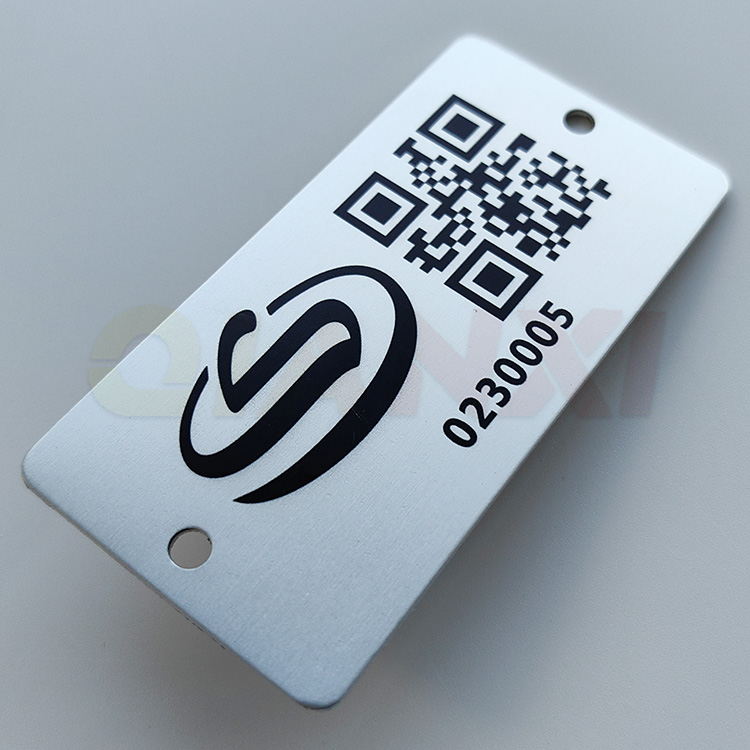
Laser marking technology creates permanent, high-contrast identification on metal asset tags through localized material removal, oxidation, or surface modification. Fiber lasers operating at wavelengths optimized for metal absorption can produce crisp barcodes, detailed QR codes, alphanumeric text, and logos on both aluminum and stainless steel substrates with mark permanence exceeding the substrate lifetime. On anodized aluminum, laser ablation removes the dark oxide layer to reveal the bright base metal beneath, creating white marks on a black background with exceptional contrast for optical scanning. Stainless steel accepts laser marking through controlled surface oxidation that produces dark marks without material removal, or through deeper engraving that creates relief characters resistant to surface wear.

The permanent nature of laser-marked metal asset tags stems from the fundamental material modification rather than applied coatings or inks. Even when surface abrasion or corrosion occurs, laser-etched information remains readable since the marking extends into the substrate rather than residing on a vulnerable surface layer. This characteristic proves essential in applications where tags experience grinding contact, chemical cleaning, or weathering that would remove printed information within months. Laser marking systems achieve resolution sufficient for encoding dense data matrices and small text while maintaining production speeds compatible with high-volume tag manufacturing. The non-contact nature of laser processing eliminates tool wear and enables marking of previously installed tags when equipment modifications require identification updates, providing flexibility unavailable with mechanical marking methods.

Chemical Etching for Deep Relief Marking

Chemical etching creates permanent identification on metal asset tags through controlled material removal using acid or alkaline solutions masked to expose only the intended marking pattern. This process produces deeply recessed characters, typically 0.025 to 0.15 millimeters deep, that remain legible even after substantial surface damage or wear occurs. The three-dimensional nature of chemically etched metal asset tags enables tactile reading when visual identification becomes impossible due to paint overspray, accumulated grime, or surface corrosion. Nuclear facilities, military equipment, and critical infrastructure assets often specify chemically etched tags to ensure identification survives fire, explosion, or severe accident conditions where surface markings might be destroyed.

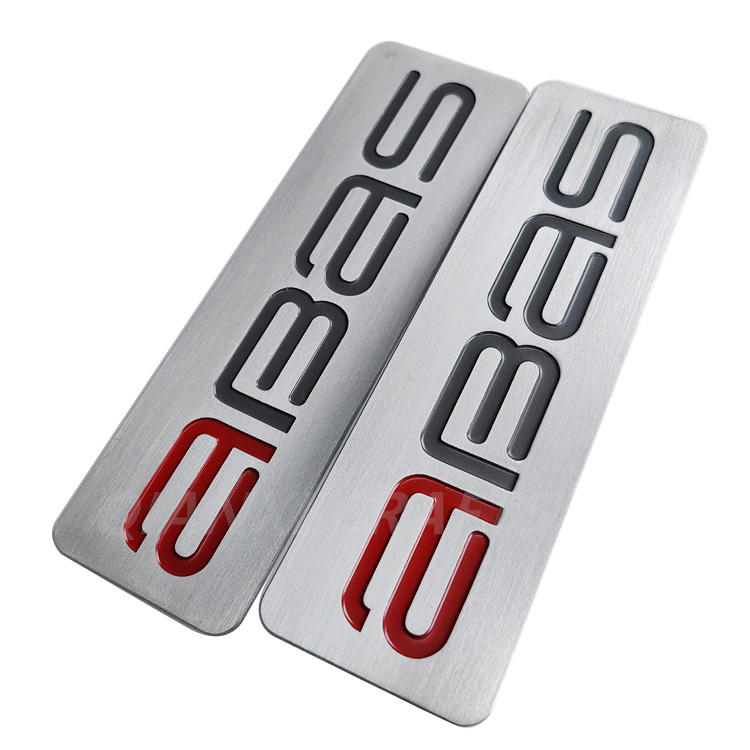
Stainless steel and aluminum both accept chemical etching with appropriate chemistry selection, though stainless steel's greater corrosion resistance requires more aggressive etchants or longer process times. The etched recesses can be filled with contrasting enamel paints to enhance visual contrast, creating black-on-metal or colored markings that combine the visibility of printed labels with the permanence of mechanical marking. Even after paint fill wears away through abrasion or weathering, the underlying etched pattern remains readable through shadow contrast or tactile examination. Chemical etching accommodates complex graphics, fine text, and two-dimensional barcodes while producing consistent depth across large tag areas. Metal asset tags utilizing chemical etching find application in environments where identification must survive not just normal harsh conditions but potential catastrophic events including fires, chemical spills, or mechanical destruction that would obliterate surface-only marking methods.

Mechanical Stamping and Engraving

Mechanical marking methods including impact stamping and rotary engraving create permanent identification through physical deformation or material removal. Impact stamping uses hardened steel dies to impress characters into metal asset tags, producing raised or recessed markings through plastic deformation of the substrate. This traditional method creates highly durable identification resistant to obliteration since destroying the marking requires sufficient deformation to render the entire tag unrecognizable. Stamped metal asset tags serve applications requiring the ultimate mark permanence, including nuclear reactor components, aircraft structural elements, and pressure vessels where identification must survive the asset's complete service life regardless of environmental exposure or accident conditions.

Rotary engraving removes material using carbide or diamond cutting tools to create V-grooves forming alphanumeric characters and simple graphics. The depth control inherent to CNC-driven engraving systems enables consistent mark quality across large production quantities while accommodating variable data requirements for sequential serial numbers. Engraved metal asset tags combine excellent legibility with production flexibility, supporting both standardized information fields and custom text or logos specific to individual assets or customers. The mechanical marking process introduces compressive stress around stamped impressions that can actually enhance fatigue resistance in aluminum substrates, providing marginal structural benefit in addition to permanent identification. While mechanical methods generally require more production time than laser marking for complex information, the resulting mark permanence and independence from surface finish make stamped or engraved metal asset tags preferred for truly extreme environments where identification failure is unacceptable.

Application Scenarios Demanding Metal Tag Solutions

Oil and Gas Industry Requirements

The petroleum industry presents particularly demanding environments for asset identification, with offshore platforms, refineries, and pipeline installations exposing equipment to salt spray, hydrocarbon contact, temperature extremes, and explosive atmosphere classifications. Metal asset tags fabricated from stainless steel dominate these applications due to superior corrosion resistance in marine and sulfurous environments where even anodized aluminum may degrade over multi-decade service intervals. Wellhead equipment, valve assemblies, and pressure vessels require identification that survives not only routine operational exposure but also potential fires, blowouts, and chemical releases that might occur during abnormal conditions. Laser-etched stainless steel tags maintain legibility after exposure to temperatures exceeding 500 degrees Celsius and resist degradation from crude oil, natural gas condensates, and production chemicals that dissolve polymer tags within days.

Regulatory compliance in oil and gas operations mandates permanent equipment identification for traceability, inspection scheduling, and maintenance documentation. Metal asset tags support these requirements through decades of field service without replacement, reducing long-term identification costs while ensuring audit trail integrity. The intrinsically safe nature of properly grounded metal tags eliminates concerns about static charge accumulation that can occur with insulating plastic alternatives in explosive atmospheres. Subsea equipment including manifolds, control systems, and pipeline connections utilize stainless steel tags with mechanical attachment methods since adhesives fail in continuous salt water immersion. The ability of metal asset tags to maintain identification integrity throughout the complete lifecycle of oil and gas assets, from initial installation through decades of harsh service and eventual decommissioning, makes them the de facto standard in this critical infrastructure sector.

Manufacturing and Heavy Industry Applications

Manufacturing facilities subject equipment to chemical cleaning, high-temperature processes, mechanical abuse, and frequent maintenance activities that rapidly destroy conventional identification materials. Metal asset tags attached to machine tools, injection molding equipment, industrial robots, and material handling systems survive the grinding dust, cutting fluids, hydraulic leaks, and impact damage inherent to production environments. Aluminum tags with anodized finishes provide cost-effective durability for most manufacturing applications, while stainless steel variants serve equipment exposed to particularly aggressive chemicals or temperatures. The permanence of laser-marked metal asset tags ensures that equipment histories, maintenance schedules, and safety inspection records remain traceable even as assets transfer between facilities or undergo rebuilding and modification throughout multi-decade service lives.

Heavy industry including steel mills, foundries, and metal fabrication facilities presents extreme temperature and abrasion challenges where only metal identification solutions maintain functionality. Equipment operating near furnaces, forges, and heat treatment systems experiences ambient temperatures that carbonize paper labels and melt plastic tags within minutes. Grinding operations and shot blasting processes generate particulate streams that abrade away surface markings on soft materials within weeks of tag installation. Stainless steel metal asset tags with deeply etched or laser-engraved identification survive these conditions throughout equipment lifetimes measured in decades, supporting asset management programs that depend on reliable identification for maintenance optimization, spare parts management, and regulatory compliance. The return on investment for metal tags in heavy manufacturing stems not just from extended tag life but from elimination of the labor cost associated with repeatedly replacing failed paper or plastic alternatives in difficult-access locations.

Transportation and Mobile Equipment Tracking

Transportation assets including railcars, shipping containers, commercial vehicles, and construction equipment experience environmental extremes ranging from arctic cold to desert heat, often within single annual operational cycles. Mobile equipment travels through diverse climate zones while enduring road spray, airborne contaminants, and the mechanical stress of constant vibration and shock loading. Metal asset tags provide the environmental range and mechanical durability necessary for identification that remains functional across these varied conditions without requiring regional tag replacement or specialized variants for different climate zones. Aluminum tags with mechanical attachment resist the vibration and thermal cycling that cause adhesive debonding on vehicles, while stainless steel variants serve marine vessels and equipment exposed to deicing chemicals that corrode reactive metals.

Fleet management systems depend on reliable asset identification for maintenance scheduling, utilization tracking, and regulatory compliance, making tag longevity essential to operational efficiency. Metal asset tags with laser-marked QR codes or data matrix barcodes enable automated identification through mobile scanning applications, supporting digital maintenance documentation and real-time location tracking systems. The decade-plus service life of properly specified metal tags aligns with typical vehicle replacement cycles, eliminating the need for mid-life tag replacement and the associated record-keeping challenges. Intermodal containers, rail tanker cars, and heavy construction equipment particularly benefit from metal identification solutions since these high-value assets may serve for thirty years or more while experiencing continuous harsh environment exposure that would destroy lesser identification materials within the first service year. The small incremental cost of metal asset tags becomes negligible when amortized across equipment lifetimes, while the operational benefits of permanent, reliable identification deliver substantial value through improved asset visibility and reduced administrative overhead.

FAQ

What temperature range can metal asset tags withstand compared to plastic alternatives?

Metal asset tags fabricated from aluminum alloys maintain functionality from negative 50 degrees Celsius to approximately 400 degrees Celsius, while stainless steel variants extend this range to 600 degrees Celsius or higher depending on alloy selection. In contrast, most plastic tags fail at temperatures below negative 20 degrees Celsius through embrittlement and above 80 degrees Celsius through softening or melting. Adhesives used on plastic tags typically fail between 60 and 100 degrees Celsius, causing debonding even if the substrate survives. This dramatic temperature range advantage makes metal asset tags essential for equipment near heat sources, in arctic environments, or experiencing wide thermal cycling during normal operation.

How do metal asset tags maintain barcode readability in outdoor applications?

Laser-etched and chemically-etched metal asset tags create permanent barcode patterns through material modification rather than applied inks, ensuring that the contrast necessary for optical scanning cannot fade from UV exposure. Anodized aluminum tags with laser ablation marking produce white barcodes on black backgrounds with contrast ratios exceeding 70 percent that remain stable for decades of outdoor exposure. Even when surface tarnishing occurs, the underlying material contrast persists since the marking extends into the substrate. Stainless steel tags with deep chemical etching create shadow contrast from recessed pattern elements, maintaining scannability even after surface corrosion develops. This permanence contrasts sharply with printed barcodes on paper or plastic that fade within months of outdoor exposure, requiring frequent tag replacement to maintain tracking system functionality.

Can metal asset tags be safely used on equipment that undergoes regular chemical cleaning?

Stainless steel metal asset tags demonstrate excellent resistance to most industrial cleaning chemicals including acids, alkalis, solvents, and sanitizing agents commonly used in food processing, pharmaceutical manufacturing, and chemical production facilities. The passive chromium oxide layer that forms on stainless steel provides self-healing corrosion protection that maintains tag integrity through thousands of cleaning cycles. Anodized aluminum tags resist neutral and mildly alkaline cleaners effectively, though strong acids or caustic solutions may gradually attack the oxide layer. Laser markings and chemical etchings on metal substrates remain unaffected by cleaning chemicals since they form permanent modifications to the base metal rather than applied coatings that can dissolve. Mechanical attachment methods eliminate adhesive failure concerns in chemical environments, making properly specified metal asset tags the only reliable identification solution for equipment requiring frequent aggressive cleaning.

What attachment method provides the most reliable installation for metal asset tags in high-vibration environments?

Mechanical riveting provides superior attachment reliability for metal asset tags on equipment experiencing continuous vibration, including engines, pumps, compressors, and mobile machinery. Aluminum or stainless steel rivets installed through pre-drilled holes create a permanent mechanical connection independent of adhesive performance, resisting the cyclic shear stresses that cause debonding of adhesive-backed tags. Through-hole mounting with locking washers and thread-locking compounds offers similar reliability with the added benefit of replaceability if marking updates become necessary. Welded attachment represents the ultimate permanent installation but requires equipment access suitable for welding operations and may not be practical for field installation. Adhesive-backed metal asset tags, while convenient for installation, should be avoided in high-vibration applications since even aggressive adhesives eventually fail under cyclic loading, particularly when combined with temperature extremes or chemical exposure common in industrial environments.