lapel pins manufacturer
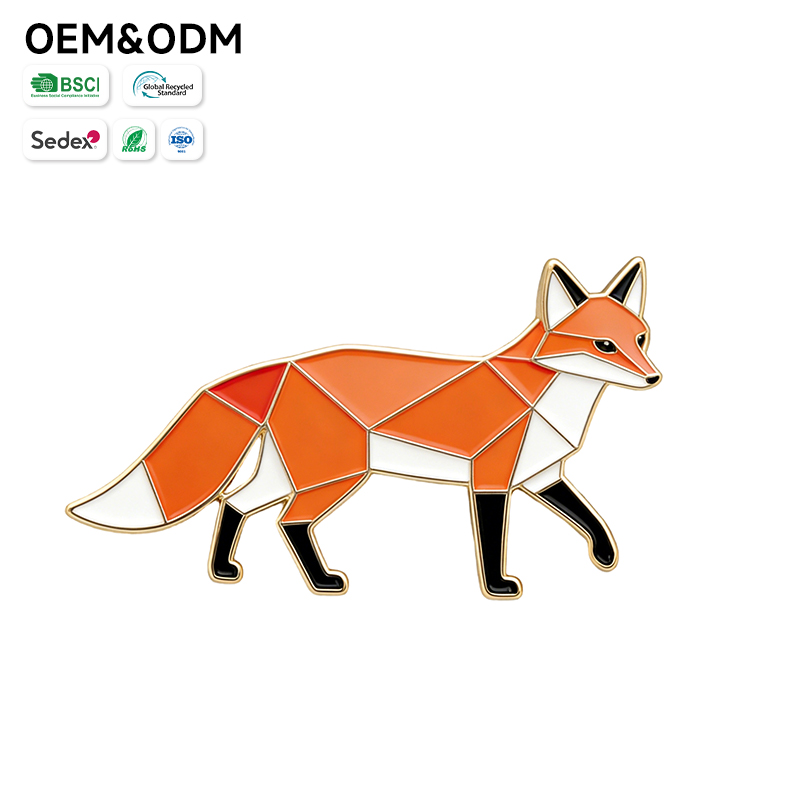
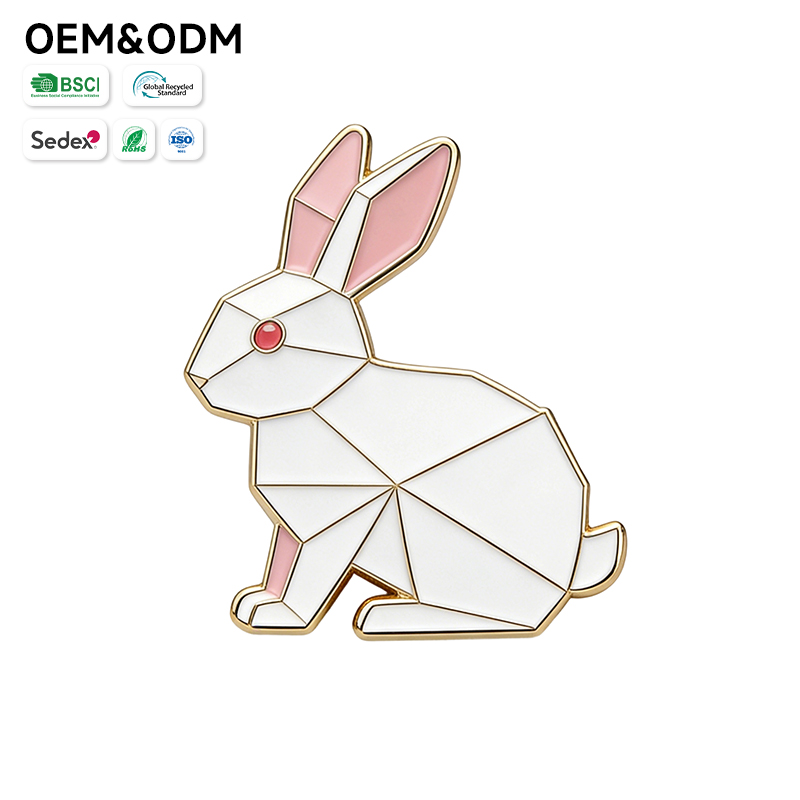
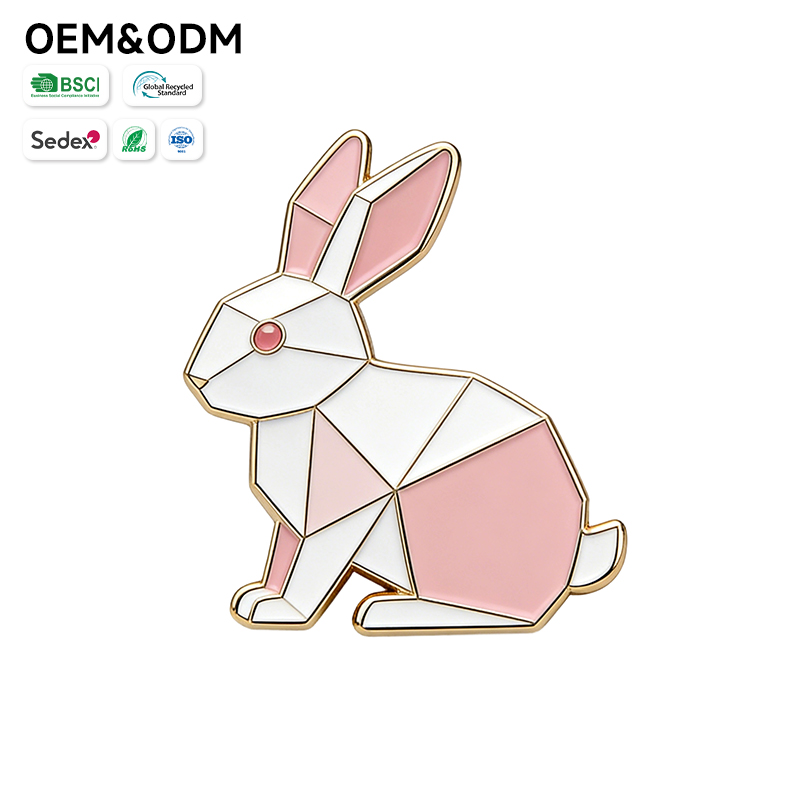
A lapel pins manufacturer specializes in creating high-quality decorative and functional pins designed to enhance professional appearance and brand recognition. These small but impactful accessories serve as powerful tools for corporate identity, event management, and personal expression. A professional lapel pins manufacturer produces pins that combine aesthetic appeal with durability, making them ideal for various organizational needs.
The technological features of a lapel pins manufacturer include precision die-casting, advanced electroplating processes, and sophisticated printing techniques. These methods ensure vibrant colors, sharp details, and long-lasting finishes that withstand daily wear. Modern lapel pins manufacturer operations utilize computer-aided design software to create custom specifications tailored to client requirements, enabling rapid prototyping and production scaling.
Applications for lapel pins manufactured by a dedicated lapel pins manufacturer span across multiple industries. Corporate environments use them for employee recognition programs and executive branding. Event organizers utilize custom pins for conferences, trade shows, and promotional campaigns. Non-profit organizations and clubs distribute pins as membership badges or fundraising items. Military and law enforcement agencies rely on quality pins for rank insignia and commemorative purposes. Educational institutions award pins for academic achievement and distinguished service.
The manufacturing process involves careful material selection, precision tooling, and quality control at every stage. A reputable lapel pins manufacturer maintains strict standards to deliver products that reflect organizational values and exceed customer expectations. The versatility and customization options available through an experienced lapel pins manufacturer make these accessories invaluable for any organization seeking to elevate its brand presence.
 EN
EN