 EN
EN

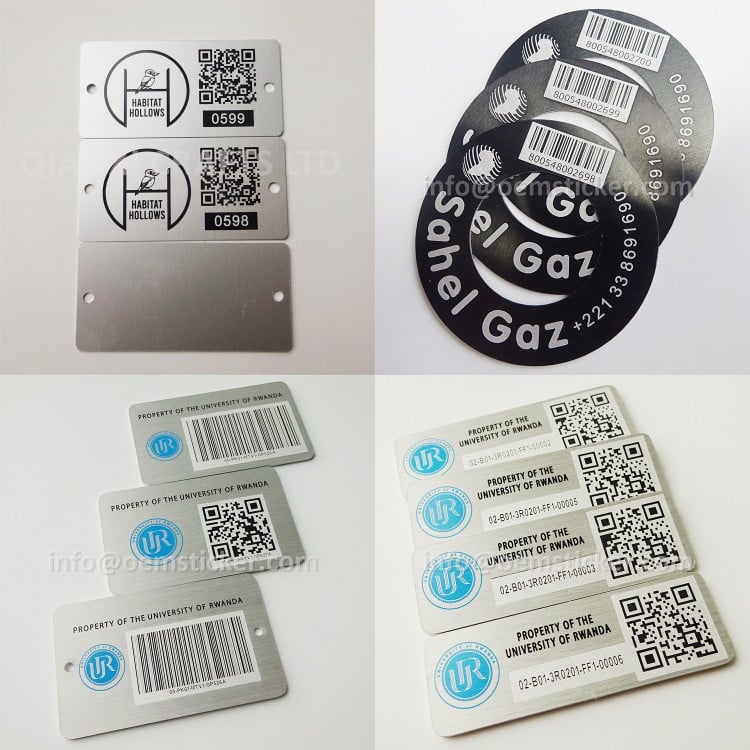
Across manufacturing floors, heavy equipment cabinets, medical devices, and outdoor infrastructure, one marking solution consistently rises above the rest. The metal nameplate has earned a permanent place in industrial specification sheets precisely because it delivers where other labeling materials fail. Whether the requirement is long-term legibility, chemical resistance, or regulatory compliance, a metal nameplate meets the challenge without compromise. Understanding why so many industries make this choice reveals the genuine functional and commercial value behind this deceptively simple component.
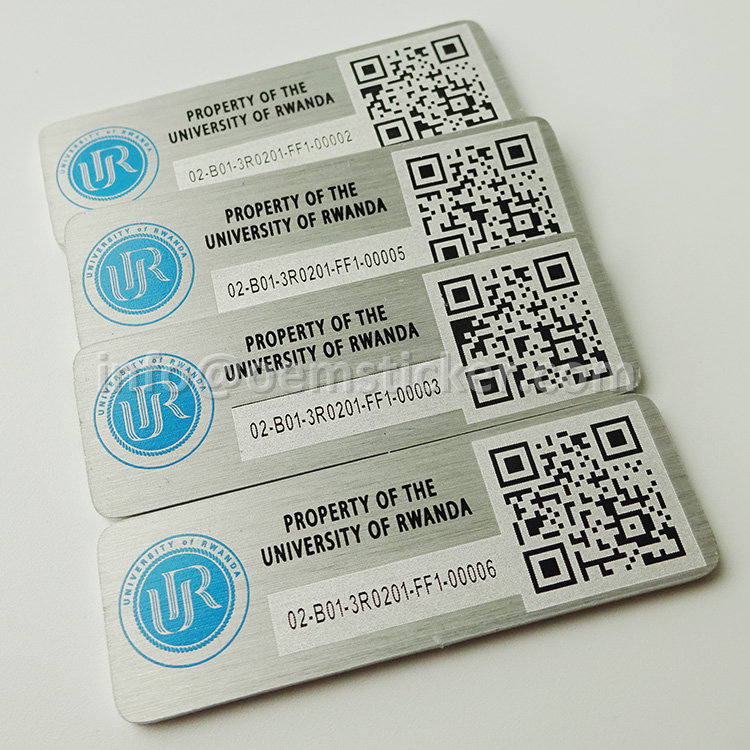
A metal nameplate is not merely a decorative tag or a simple label. It is a precision-manufactured identification component that carries critical information — serial numbers, safety warnings, certifications, brand marks, and technical specifications — throughout the full operational life of a product or asset. Industries ranging from aerospace and defense to food processing and energy infrastructure depend on the metal nameplate daily. The reasons behind that widespread adoption are rooted in performance, regulatory demand, and long-term cost logic that together make the metal nameplate the preferred identification solution in demanding environments.
Durability and Performance Under Extreme Conditions
Why the Metal Nameplate Outperforms Other Labeling Materials
A metal nameplate constructed from stainless steel, aluminum, or brass withstands conditions that would destroy plastic labels, adhesive overlays, or printed tags within months. High operating temperatures, UV exposure, vibration, moisture, and repeated cleaning with industrial solvents are routine challenges in sectors such as oil and gas, heavy machinery, and power generation. A metal nameplate survives all of these conditions with its markings fully intact. Engraved or chemically etched content on a metal nameplate is embedded into the material surface rather than sitting on top of it, which means the information cannot be rubbed away or peeled off even under prolonged mechanical stress.
This physical resilience directly supports operational safety. When a metal nameplate retains its serial number or pressure rating over decades of service, maintenance technicians and compliance auditors can always access accurate data. A faded or missing label on a pressure vessel or electrical switchboard creates real liability exposure. The metal nameplate eliminates that risk by design, making it an investment in both safety and asset integrity rather than just a line item in a production budget.
Material Selection and the Metal Nameplate Advantage
Different industries select different base materials for their metal nameplate depending on the environment and the type of marking required. Stainless steel is the default choice for harsh outdoor environments, marine applications, and food-grade equipment because it resists corrosion and supports sterilization cycles without degrading. Aluminum offers a lightweight metal nameplate option suitable for aerospace and electronics enclosures where weight and electromagnetic properties matter. Brass provides a premium aesthetic often used in architectural, hospitality, and instrumentation contexts. Each material choice reinforces why the metal nameplate is a tailored industrial solution rather than a one-size-fits-all commodity.
Regulatory Compliance and Industry Standards
The Metal Nameplate as a Compliance Requirement
In many industries, using a metal nameplate is not optional — it is a regulatory obligation. Equipment governed by standards such as UL, CE, ATEX, FDA, and military specifications requires permanent, legible identification that remains readable throughout the service life of the product. A metal nameplate satisfies permanence requirements that ink-printed or adhesive labels simply cannot meet over time. For manufacturers seeking certification or market access in regulated sectors, specifying the correct metal nameplate is part of the compliance documentation process from the earliest stage of product development.
The traceability value of a metal nameplate also extends into quality management systems. ISO 9001-certified manufacturers are required to maintain product identification and traceability throughout production and service. A durable metal nameplate bearing a part number, revision level, and manufacturer code directly supports this requirement. When a product is recalled, inspected, or serviced years after manufacture, the metal nameplate is often the single most reliable piece of identification data available on the physical unit.
Certification Marking and the Metal Nameplate in Safety-Critical Sectors
In safety-critical industries such as aerospace, defense, and medical device manufacturing, the metal nameplate carries certification marks, caution notices, and operating parameters that operators must be able to read at all times. These sectors do not accept the risk of a label degrading in service. Specifying a metal nameplate for these applications is a professional and legal expectation rather than a preference. Procurement teams, quality engineers, and compliance officers in these industries treat the metal nameplate specification as a non-negotiable element of product design.
Brand Identity and Long-Term Commercial Value
How the Metal Nameplate Reinforces Professional Brand Presence
Beyond functional compliance, the metal nameplate plays a meaningful role in how industrial brands are perceived by end users, distributors, and procurement professionals. A precisely engraved or chemically etched metal nameplate on a piece of equipment communicates quality, precision, and permanence. When a buyer sees a well-crafted metal nameplate on a pump, control panel, or instrument, it signals that the manufacturer takes quality seriously across every detail of the product. This perception matters in B2B markets where differentiation often comes from accumulated signals of professionalism rather than advertising claims alone.
The metal nameplate also provides lasting brand exposure throughout the product lifecycle. Unlike packaging that is discarded after installation, a metal nameplate remains visible on equipment for the entire operational life — which in industrial contexts can span ten to thirty years. Every maintenance visit, inspection, and service call brings a technician back in contact with the metal nameplate and the brand information it carries. This passive, long-term brand reinforcement is a form of marketing investment embedded into the physical product at minimal incremental cost.
Customization and the Metal Nameplate as a Differentiation Tool
Modern metal nameplate production supports a wide range of customization options including custom shapes, multi-level etching, color fill, surface finishes, and variable data such as serial numbers or QR codes. This flexibility allows product designers to specify a metal nameplate that fulfills both functional and brand objectives simultaneously. A single metal nameplate can carry a company logo, a product designation, a compliance mark, and a unique identifier all in one compact, durable component. For OEM manufacturers and custom equipment builders, this combination of function and identity makes the metal nameplate a uniquely efficient specification choice.
FAQ
What materials are most commonly used for a metal nameplate in industrial applications?
Stainless steel, aluminum, and brass are the most common base materials for an industrial metal nameplate. Stainless steel is preferred for corrosive and high-temperature environments. Aluminum suits lightweight and electrical applications. Brass is often chosen for aesthetic or precision instrument applications where a premium appearance matters.
How is information marked on a metal nameplate to ensure it lasts?
The most durable marking methods for a metal nameplate include chemical etching, laser engraving, and embossing. These techniques embed the content into the surface of the metal nameplate rather than applying ink or adhesive on top, which ensures the marking remains legible even after years of mechanical wear, chemical exposure, and cleaning cycles.
Can a metal nameplate be used for both compliance labeling and brand identity at the same time?
Yes. A well-designed metal nameplate can simultaneously carry regulatory information such as serial numbers, safety ratings, and certification marks alongside brand elements such as logos, product names, and custom finishes. This dual function makes the metal nameplate a highly efficient component for manufacturers who need to meet compliance requirements while also maintaining a professional brand presence on their equipment.