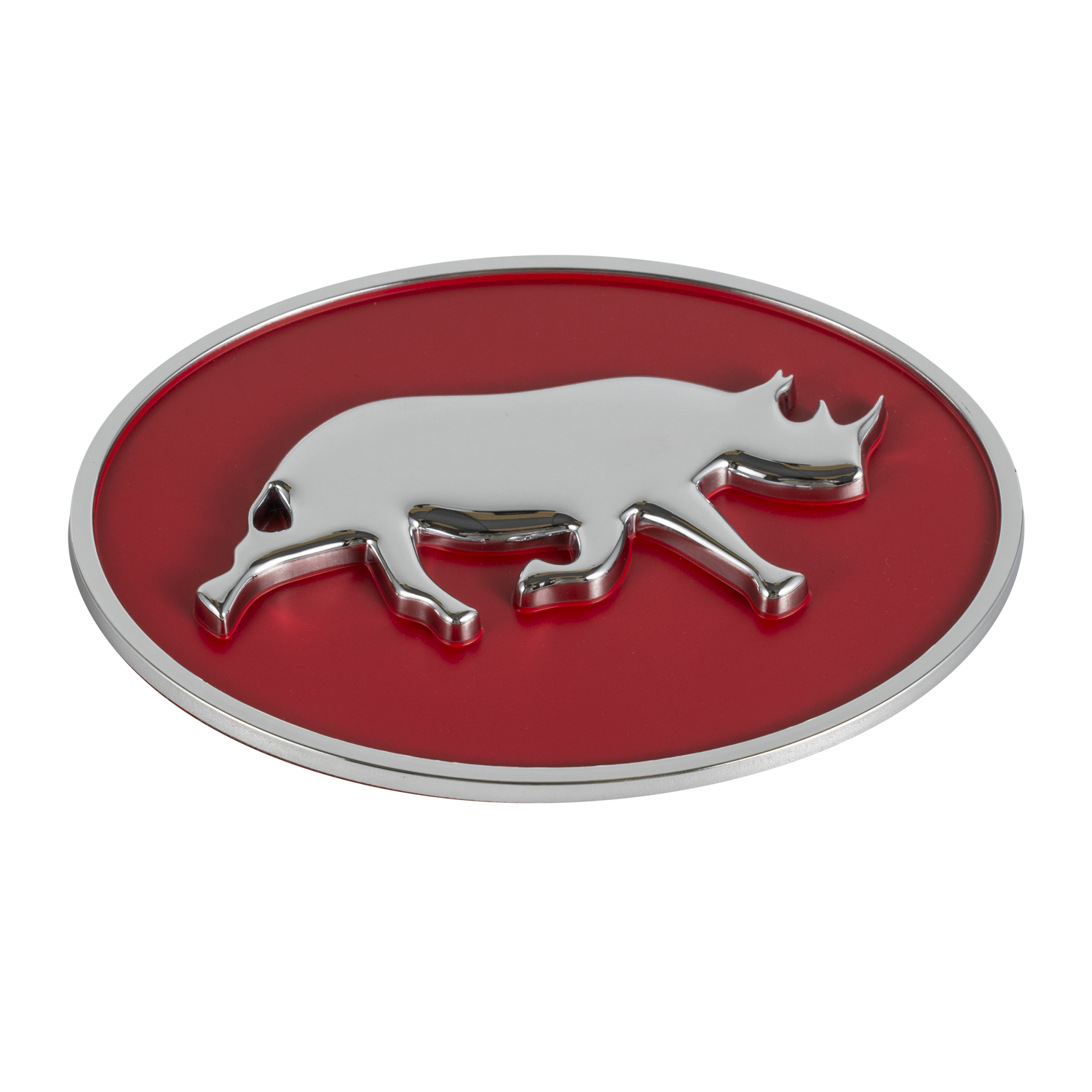
Car Brands and Emblems: Features Guide

Get a Free Quote

Our representative will contact you soon.
Email
Mobile/WhatsApp
Name
Company Name
Message
0/1000

car brands and emblems

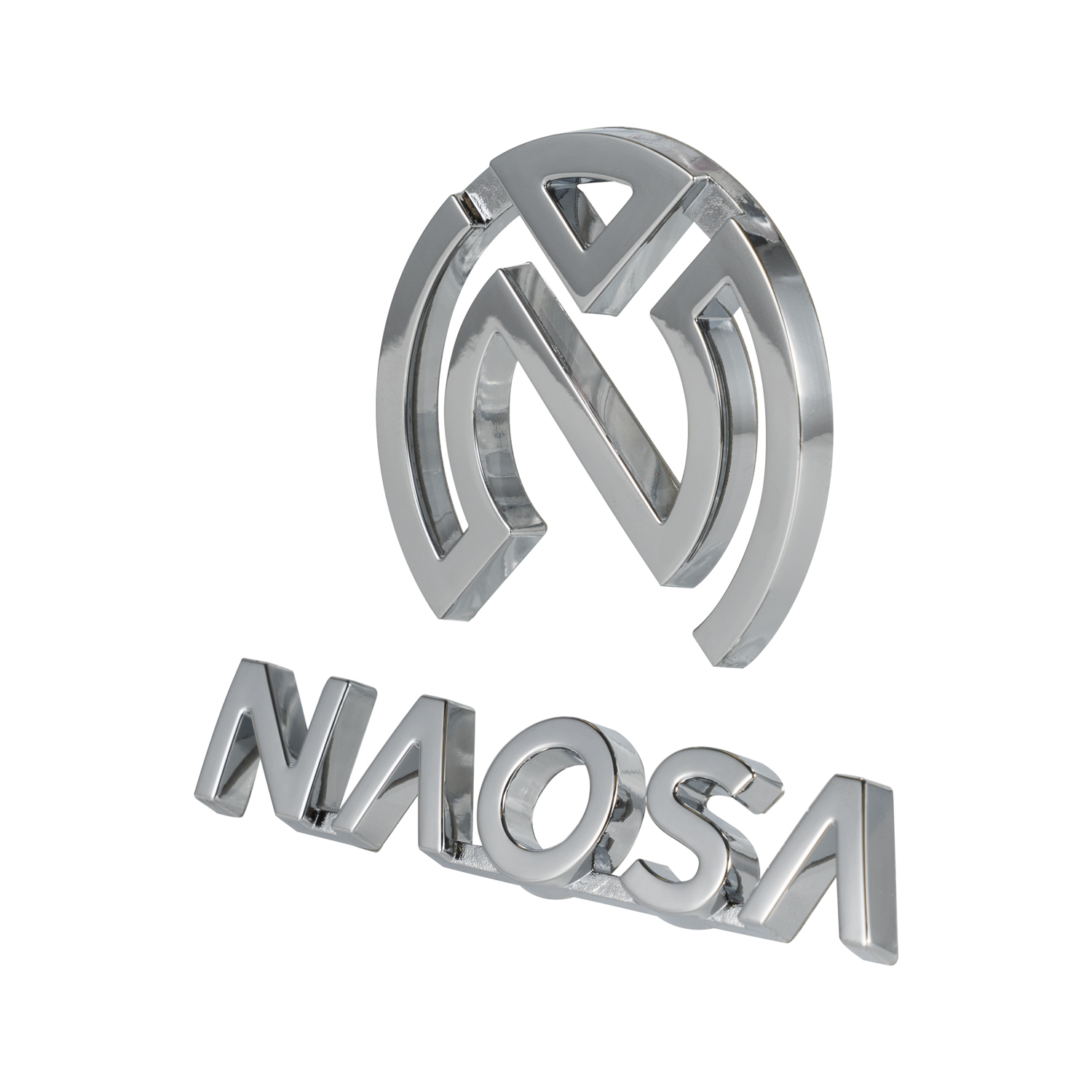
Car brands and emblems help buyers identify a vehicle's manufacturer, design character, and market position at a glance. The emblem appears on the grille, steering wheel, wheels, dashboard, key, and digital screens, while the brand name connects those visual marks with a wider ownership experience. Comparing car brands and emblems can reveal differences in safety systems, engine choices, electric range, comfort equipment, warranty coverage, and service support. Modern car brands and emblems also represent technology. Many manufacturers use their symbols across mobile apps, charging networks, remote-control services, and connected navigation platforms. These features can let drivers lock doors, check battery or fuel levels, schedule charging, locate a parked vehicle, and receive maintenance alerts. Across car brands and emblems, common technologies include adaptive cruise control, automatic emergency braking, blind-spot monitoring, lane guidance, parking cameras, smartphone integration, and over-the-air software updates. Electric and hybrid models add battery management, regenerative braking, and energy-use displays. For buyers, car brands and emblems provide a simple starting point for comparing vehicle types, from compact city cars and family SUVs to luxury sedans, performance models, vans, and pickup trucks. Many car brands and emblems also reflect different approaches to reliability, styling, affordability, and environmental impact. When shoppers study car brands and emblems, they should check independent safety results, ownership costs, local repair access, resale trends, and equipment levels rather than rely on appearance alone. The strongest car brands and emblems combine recognizable identity with useful engineering and consistent support. In practice, car brands and emblems help organize a crowded market into clearer choices. Overall, car brands and emblems are both visual identifiers and practical signals of product features, customer service, and long-term value.

New Products

The main advantage of car brands and emblems is faster, more confident vehicle comparison. Car brands and emblems give shoppers an immediate way to separate manufacturers before they examine detailed specifications. A familiar emblem can also make a vehicle easier to recognize in a busy parking area, online listing, dealership, or repair center. For families, car brands and emblems can guide attention toward safety packages, spacious cabins, child-seat compatibility, and dependable driver assistance. For commuters, the same comparison can highlight fuel economy, hybrid systems, charging access, navigation, and low routine costs. For business users, car brands and emblems help match vans, pickups, or fleet cars with payload needs, durability targets, warranty terms, and service locations. Premium car brands and emblems may offer quieter cabins, richer materials, advanced lighting, and concierge support, while value-focused makers may deliver practical equipment at a lower purchase price. Neither choice is automatically better; the useful decision depends on budget, driving distance, road conditions, passenger needs, and expected ownership period. Car brands and emblems also support operational benefits after purchase. A connected app can simplify remote locking, service booking, route planning, and charging control. A broad dealer network can reduce travel time for maintenance and improve access to replacement parts. Clear model naming and emblem recognition can help technicians identify the correct platform and equipment package. Buyers should still compare insurance, tire costs, battery warranties, software policies, and repair pricing. Reviewing car brands and emblems beside these real expenses prevents an attractive badge from hiding a poor fit. Ultimately, car brands and emblems create decision context, but practical value comes from matching features, support, and running costs to daily use. This approach helps customers choose a vehicle that remains useful, affordable, and comfortable over time.

Practical Tips

When Should You Choose Resin Stickers Over Vinyl Options?

05

Jun

When Should You Choose Resin Stickers Over Vinyl Options?

Choosing between a resin sticker and vinyl alternatives requires understanding the fundamental differences in material performance, visual appeal, and long-term durability. Many businesses default to vinyl labels without considering whether a resin s...
View More
How to Choose the Best Metal Asset Tags for Industrial Equipment Tracking

01

Nov

How to Choose the Best Metal Asset Tags for Industrial Equipment Tracking

Metal asset tags have become essential tools for modern industrial operations, enabling organizations to maintain precise control over equipment inventory and maintenance workflows. These durable identification solutions provide permanent, tamper-res...
View More
The Cost-Effective Choice: Longevity of Metal Asset Tags in Harsh Environments

19

Nov

The Cost-Effective Choice: Longevity of Metal Asset Tags in Harsh Environments

Metal asset tags stand as one of the most cost-effective and durable solutions for identifying, tracking, and managing equipment in demanding industrial environments. Unlike plastic alternatives, metal asset tags withstand extreme temperatures, corro...
View More
Why Metallic Stickers are the Perfect Choice for Tech Gadgets and Electronics

26

Nov

Why Metallic Stickers are the Perfect Choice for Tech Gadgets and Electronics

Metallic stickers have become increasingly essential for tech companies and electronics manufacturers seeking to elevate their brand presence. These premium decorative elements offer far more than aesthetic appeal; they represent a strategic choice f...
View More

Get a Free Quote

Our representative will contact you soon.
Email
Mobile/WhatsApp
Name
Company Name
Message
0/1000

car brands and emblems

Recognizable Identity With Practical Meaning

Recognizable Identity With Practical Meaning

Car brands and emblems provide more than visual appeal. A well-known badge helps buyers identify a manufacturer quickly and connect a vehicle with expected design, safety priorities, and service standards. This recognition supports easier research because shoppers can group models by company, class, powertrain, and price. Car brands and emblems also help owners find their vehicle in a crowded lot, identify compatible accessories, and communicate clearly with dealers or repair shops. For businesses, a consistent emblem can strengthen fleet presentation and make company vehicles easier for customers to recognize. However, the real value comes when brand identity matches dependable products and transparent support. The best car brands and emblems reinforce useful qualities such as durable construction, thoughtful ergonomics, clear controls, and predictable maintenance. Buyers should treat the emblem as a starting point, then confirm reliability records, warranty coverage, safety scores, and local service access. This balanced approach turns recognition into a practical buying advantage.
Technology That Improves Everyday Driving

Technology That Improves Everyday Driving

Modern car brands and emblems often stand for connected technology that makes daily travel simpler and safer. Drivers may receive automatic emergency braking, blind-spot warnings, adaptive cruise control, lane assistance, parking cameras, and traffic-aware navigation. These tools can reduce driving stress, improve awareness, and help prevent common low-speed or highway mistakes. Car brands and emblems increasingly connect vehicles with smartphone applications, allowing users to lock doors, check fuel or battery status, locate the car, pre-condition the cabin, or schedule charging. Software updates can add improvements without requiring a workshop visit, although buyers should check update policies and data controls. Electric models add useful displays for range planning, charging speed, and energy recovery. Car brands and emblems therefore help shoppers compare not only appearance but also the digital experience behind ownership. Customers should select technology that feels clear and useful rather than paying for features they will rarely use. Simple controls and reliable performance matter most.
Choice Across Different Customer Needs

Choice Across Different Customer Needs

A major strength of car brands and emblems is the broad choice they represent. One manufacturer may offer small hatchbacks for city travel, while another focuses on family SUVs, luxury vehicles, rugged pickups, electric cars, or commercial vans. This range allows customers to match a vehicle with passengers, cargo, roads, climate, and budget. Car brands and emblems can also signal different ownership priorities, including low fuel use, strong towing ability, quiet comfort, sporty handling, or affordable maintenance. Before choosing, shoppers should compare seating space, cargo measurements, ground clearance, driving range, charging or refueling access, and warranty limits. Car brands and emblems become more useful when buyers connect these details with real routines, such as school runs, long commutes, weekend travel, or work deliveries. A suitable model should provide enough capability without unnecessary expense. By viewing car brands and emblems as a guide to distinct product families, customers can narrow options efficiently and choose a vehicle that delivers lasting everyday value.

Get a Free Quote

Our representative will contact you soon.
Email
Mobile/WhatsApp
Name
Company Name
Message
0/1000