 EN


Metal asset tags have become essential tools for modern industrial operations, enabling organizations to maintain precise control over equipment inventory and maintenance workflows. These durable identification solutions provide permanent, tamper-resistant identification that withstands harsh environmental conditions, extreme temperatures, and frequent handling. Selecting the right metal asset tags requires understanding key technical specifications, material properties, and integration capabilities that align with your operational environment and tracking objectives.
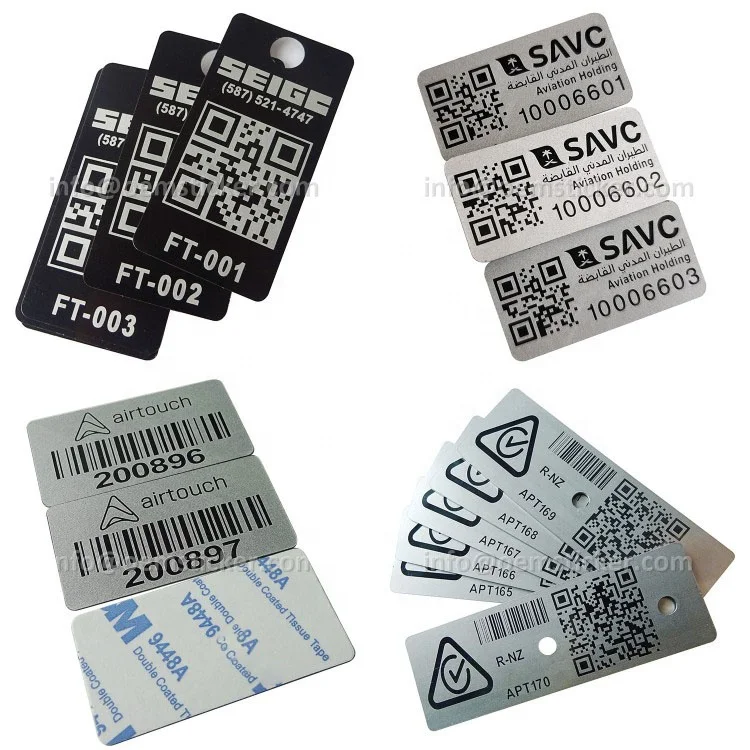
The importance of choosing appropriate metal asset tags extends beyond simple labeling. Well-selected metal asset tags reduce equipment downtime by enabling faster asset location and maintenance scheduling. They support regulatory compliance in industries requiring detailed equipment documentation and provide measurable return on investment through improved asset utilization rates and reduced replacement costs from lost or misidentified equipment.
Material Selection and Durability Factors
Understanding Core Material Options for Metal Asset Tags
Metal asset tags are manufactured from various materials, each offering distinct advantages in specific industrial environments. Aluminum metal asset tags deliver excellent corrosion resistance and lightweight properties, making them ideal for outdoor equipment, marine applications, and humid environments where rust formation presents ongoing challenges. Stainless steel metal asset tags provide superior durability in extreme conditions, including chemical exposure, high-temperature zones, and intense UV radiation environments. Brass metal asset tags resist oxidation naturally and maintain readable appearance over extended periods without maintenance.
The choice between these metal asset tags materials directly impacts long-term visibility and data integrity. Aluminum metal asset tags cost less initially but may corrode in highly corrosive environments. Stainless steel metal asset tags command higher upfront investment but eliminate replacement costs across 10-15 year equipment lifecycles. Choosing appropriate metal asset tags prevents scenario where tracking information becomes unreadable before equipment reaches end-of-life, rendering the entire tracking system ineffective.
Thickness, Size, and Attachment Mechanisms in Metal Asset Tags
Physical dimensions of metal asset tags significantly influence durability and readability in field conditions. Thicker metal asset tags resist bending and deformation from mechanical impact, while appropriately sized tags ensure legibility from standard viewing distances. Metal asset tags measuring 1.5 to 3 millimeters thick withstand normal handling and environmental stress without permanent deformation. Larger metal asset tags accommodate more detailed information, barcode density, and QR code versions necessary for comprehensive data encoding.
Attachment mechanisms embedded in metal asset tags determine whether identification remains permanently affixed throughout equipment service life. Rivet-fastened metal asset tags provide permanent, irreversible attachment suitable for permanent asset identification. Adhesive-backed metal asset tags offer faster installation on smooth surfaces but may compromise durability in high-vibration or temperature-cycling environments. Welded metal asset tags create strongest possible connection but require specialized equipment and skilled technicians for installation.
Marking Technology and Data Encoding Capabilities
Laser Marking Versus Traditional Etching on Metal Asset Tags
Metal asset tags employ different marking technologies that affect readability, permanence, and information capacity. Laser-marked metal asset tags create high-contrast marks through precise material vaporization, producing crisp, readable text and intricate barcode patterns that optical scanners reliably capture. This marking method eliminates ink or paint requirements, ensuring permanence throughout the asset lifecycle without fading or wear. Laser-marked metal asset tags support complex geometric patterns including sequential numbering, QR codes, and multi-line text impossible to achieve with traditional stamping.
Traditional etching or stamping on metal asset tags creates raised or indented characters through mechanical deformation. While stamped metal asset tags offer lower cost per unit, they produce less consistent mark quality and cannot accommodate detailed barcode or QR code information. Stamped metal asset tags work effectively for simple serial numbers but fail when integrated with modern inventory management systems requiring sophisticated data encoding.
Barcode and QR Code Integration in Metal Asset Tags
Contemporary metal asset tags increasingly incorporate barcode and QR code technologies that enable rapid data capture and real-time equipment tracking. One-dimensional barcode versions of metal asset tags facilitate quick identification in warehouse environments and during maintenance procedures. QR-coded metal asset tags encode substantially more data within compact space, including asset history, maintenance records, and dynamic information accessible through mobile devices. Metal asset tags with QR code capability integrate seamlessly with modern asset management software, reducing manual data entry and minimizing transcription errors.
The decision between barcode-only and QR-enabled metal asset tags depends on operational requirements and existing infrastructure. If your operation already uses barcode scanning throughout maintenance workflows, barcode-based metal asset tags maintain system consistency. Organizations implementing or upgrading asset management systems should consider QR-capable metal asset tags for future flexibility and enhanced data storage capacity.
Environmental Resistance and Application-Specific Considerations
Chemical and Temperature Resistance in Metal Asset Tags Selection
Industrial environments expose metal asset tags to diverse chemical and thermal stresses that compromise identification visibility and data integrity. Metal asset tags deployed in pharmaceutical manufacturing facilities must resist aggressive cleaning solvents and sterilization protocols without marking degradation. Food processing environments require metal asset tags that withstand repeated washdowns, high-pressure cleaning, and temperature fluctuations between refrigeration and cooking zones. Chemical manufacturing plants need metal asset tags that resist exposure to corrosive substances, oils, and caustic materials.
Temperature cycling presents particular challenges for metal asset tags in applications involving freezing storage, high-temperature processing, or outdoor seasonal exposure. Properly specified metal asset tags maintain readable marks across temperature ranges from -40 to 150 degrees Celsius without cracking, fading, or peeling. Adhesive-bonded attachments on metal asset tags can fail during extreme temperature variations, while mechanically fastened systems maintain integrity regardless of thermal cycling patterns.
Outdoor and Marine Applications for Metal Asset Tags
Metal asset tags serving outdoor construction equipment, maritime vessels, and outdoor industrial facilities encounter saltwater spray, UV radiation, and continuous weather exposure. Marine-grade metal asset tags utilize corrosion-resistant materials and specialized marking processes to maintain legibility in saltwater environments where standard tags deteriorate within months. UV-resistant marking compounds protect metal asset tags from solar radiation that otherwise fades identification marks and renders QR codes unreadable.
Selecting appropriate metal asset tags for outdoor deployment prevents costly asset misidentification and loss of maintenance history information. Stainless steel metal asset tags represent the optimal choice for marine and coastal installations, while aluminum metal asset tags with specialized coatings provide excellent performance in continental outdoor environments without excessive salt exposure.
Integration with Asset Management Systems
Compatibility with Tracking Software and Scanning Infrastructure
Metal asset tags function most effectively when integrated into broader asset management ecosystems encompassing inventory software, maintenance scheduling systems, and real-time tracking platforms. Barcode-enabled metal asset tags require compatible scanning hardware already installed throughout your facility, while metal asset tags with QR codes function with standard smartphone cameras, reducing infrastructure investment requirements.
Before selecting specific metal asset tags, audit your existing asset management infrastructure to identify compatibility gaps. Organizations with legacy barcode systems should prioritize metal asset tags supporting existing scanner protocols. Companies planning system modernization benefit from QR-capable metal asset tags that future-proof tracking investments and accommodate mobile-first workflows.
Sequential Numbering and Custom Data Encoding Options
Metal asset tags often support sequential numbering schemes that simplify asset tracking and enable rapid identification during inventory audits. Custom data encoding on metal asset tags allows inclusion of equipment specifications, installation dates, maintenance intervals, and contact information directly accessible through scanning. This capability transforms metal asset tags from simple identification labels into comprehensive asset information repositories accessible throughout equipment lifecycle.
Evaluate vendor capabilities for custom data encoding when specifying metal asset tags for your organization. Flexibility in information encoding enables metal asset tags to support evolving tracking requirements without redesigning identification systems. Vendors offering quick turnaround on custom metal asset tags facilitate rapid deployment across large equipment populations.
FAQ
What is the typical lifespan of metal asset tags in industrial environments?
Well-specified metal asset tags typically maintain readable identification for 10-15 years or longer in standard industrial environments. Stainless steel metal asset tags with laser marking last longest under harsh conditions, while aluminum metal asset tags perform exceptionally well in moderate environments. The primary failure mode occurs when attachment mechanisms corrode or loosen rather than marking degradation, making mechanical fastening critical for long-term durability.
Can metal asset tags be removed and transferred to replacement equipment?
Permanently attached metal asset tags, including riveted and welded versions, cannot be transferred between equipment without specialized removal procedures that typically damage the tags. Adhesive-backed metal asset tags can sometimes be carefully removed, but removal often leaves residue and weakens adhesive strength. Most organizations treat permanently attached metal asset tags as part of equipment identity throughout its service life rather than attempting removal.
How do I choose between metal asset tags with barcodes versus QR codes?
Barcode metal asset tags work optimally for organizations with existing barcode scanning infrastructure and straightforward asset tracking needs. QR-capable metal asset tags provide superior data storage, smartphone accessibility, and future flexibility, making them preferable for companies implementing modern asset management systems or planning technology upgrades. Consider your current operational workflows and five-year technology roadmap when selecting between barcode and QR-based metal asset tags.