 EN

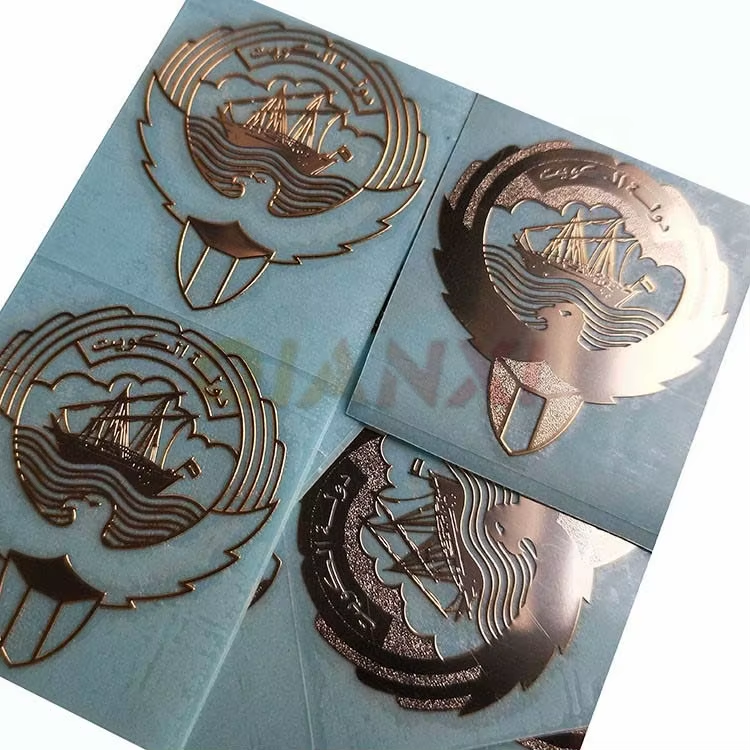
Metallic stickers have become essential components in modern industrial branding, product identification, and decorative applications. However, the true innovation behind metallic stickers lies not in their appearance alone, but in the sophisticated adhesive technology that keeps them firmly attached to surfaces. Understanding the science behind metallic stickers adhesion is crucial for businesses that depend on these components for long-term durability, professional appearance, and reliable performance across demanding environments.
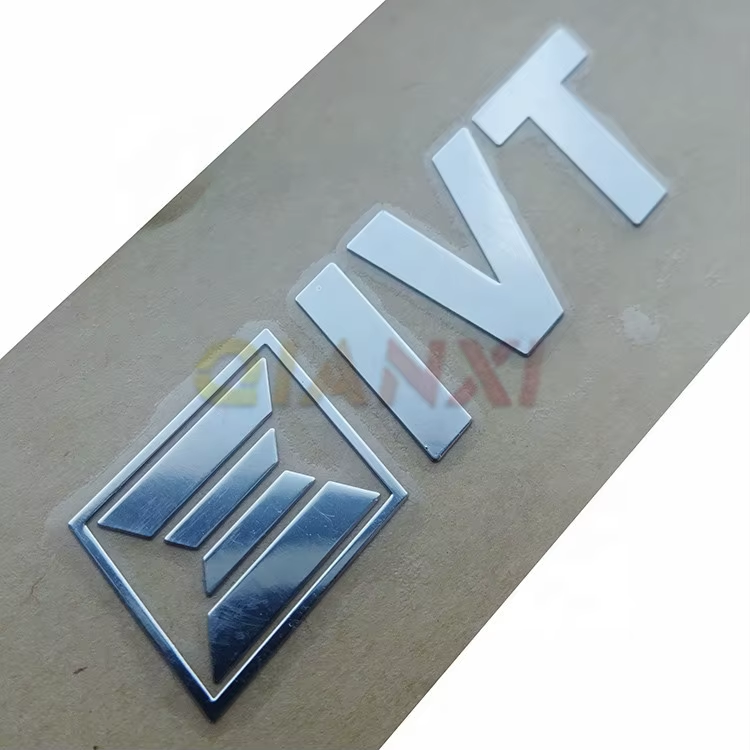
The adhesive formulations used in metallic stickers represent years of chemical engineering and materials science research. Modern metallic stickers combine metallic substrates with pressure-sensitive adhesive systems designed to bond permanently with various surfaces while maintaining flexibility and environmental resistance. This article explores the core chemistry, bonding mechanisms, and practical factors that determine whether metallic stickers maintain their integrity over time.
Understanding Adhesive Chemistry in Metallic Stickers
Pressure-Sensitive Adhesive Composition
Metallic stickers rely on pressure-sensitive adhesive technology, which operates through intermolecular forces rather than chemical curing. The adhesive layer contains synthetic rubber polymers, resins, and plasticizers blended in precise ratios to create optimal tackiness and holding power. When you apply metallic stickers to a surface, the pressure initiates contact between the adhesive molecules and the target substrate, creating van der Waals forces that establish molecular-level bonding. This mechanism allows metallic stickers to adhere without requiring heat, solvents, or additional curing time.
Surface Energy and Molecular Adhesion
The adhesive performance of metallic stickers depends critically on surface energy compatibility between the adhesive and the substrate material. Metallic stickers perform optimally on high-surface-energy materials like metals, glass, and polycarbonate, where the adhesive can flow and create extensive contact. Lower-surface-energy materials like plastics and painted surfaces require surface preparations or specialized adhesive formulations to ensure metallic stickers maintain their grip over time. The adhesive molecules in metallic stickers must overcome the substrate's surface tension to penetrate micro-level irregularities and establish secure bonding sites.
Bonding Mechanisms That Keep Metallic Stickers Secure
Mechanical Interlocking and Substrate Roughness
Metallic stickers achieve durable adhesion through both chemical and mechanical bonding mechanisms. At the microscopic level, the adhesive layer flows into the surface texture of the substrate, creating mechanical locks that resist peeling and separation. This is why metallic stickers adhere better to rougher, textured surfaces than to perfectly smooth ones. The metallic substrate itself often features a slightly textured backing that improves adhesive contact and distributes stress evenly across the bonding interface. Industrial applications of metallic stickers benefit from this mechanical interlocking effect, particularly on powder-coated metals and anodized aluminum where surface irregularities enhance grip strength.
Polymer Chain Entanglement and Long-Term Stability
The polymer chains within metallic stickers adhesive undergo a gradual process called wet-out, where they continue flowing and conforming to the substrate surface over hours and days following initial application. This extended contact time strengthens the bond as polymer chains entangle more completely with the substrate surface. Metallic stickers benefit from this time-dependent strengthening effect, often reaching maximum adhesive strength 24 to 48 hours after application. The cross-linking density and molecular weight of the polymer backbone determine how fully this process occurs and how resistant metallic stickers become to temperature fluctuations, humidity changes, and mechanical stress.
Environmental Factors Affecting Metallic Stickers Durability
Temperature Cycling and Adhesive Flexibility
Metallic stickers face significant challenges from temperature variations that cause both the substrate and adhesive layer to expand and contract at different rates. The adhesive formulation must maintain sufficient flexibility to accommodate these differential movements without crack propagation or adhesive separation. Premium metallic stickers use specialized plasticizers that preserve flexibility across wide temperature ranges, from freezing conditions to elevated heat exposure. Thermal cycling stress represents one of the primary failure modes for inferior metallic stickers, while quality adhesive systems maintain molecular cohesion and substrate contact through repeated temperature swings.
Moisture Resistance and Chemical Exposure
The adhesive in metallic stickers must resist water penetration and chemical degradation to prevent edge lifting and eventual failure. Advanced metallic stickers incorporate additives that create hydrophobic barriers within the adhesive layer, slowing moisture migration toward the bonding interface. Chemical exposure from cleaning agents, industrial solvents, and UV radiation can degrade inferior adhesive systems, but formulations used in quality metallic stickers include UV stabilizers and chemical-resistant polymers. The combination of these protective measures ensures metallic stickers maintain adhesive integrity even in harsh industrial environments, automotive applications, and outdoor installations.
UV Stability and Long-Term Performance
Ultraviolet radiation degrades polymeric adhesive systems through photochemical reactions that break molecular bonds and reduce tackiness. Metallic stickers designed for outdoor or high-UV-exposure applications incorporate carbon black particles and specialized UV absorbers that shield the adhesive layer from radiation damage. Without this protection, metallic stickers would gradually lose adhesive strength over months of sunlight exposure. The metallic substrate itself provides some UV protection to the adhesive layer beneath, but edge areas remain vulnerable to UV degradation unless the adhesive formulation includes comprehensive light-stabilizing additives.
Practical Application Considerations for Metallic Stickers
Surface Preparation Impact on Adhesive Performance
The durability of metallic stickers depends significantly on surface preparation before application. Contamination such as dust, oil, or old adhesive residue creates a barrier between the metallic stickers adhesive and the substrate, reducing contact and bonding efficiency. Proper surface cleaning with appropriate solvents removes contaminants and often increases surface energy, improving adhesive wetting and molecular contact. For metallic stickers applied to painted or coated surfaces, light surface roughening improves mechanical interlocking without compromising the underlying coating. Industrial applications that achieve maximum metallic stickers performance consistently employ rigorous surface preparation protocols.
Pressure Application and Curing Time Requirements
The pressure applied during metallic stickers installation directly influences adhesive layer thickness and initial contact quality. Adequate pressure ensures the adhesive flows into surface irregularities and establishes sufficient molecular contact to develop full bonding strength. Most metallic stickers reach 80 percent of maximum adhesive strength within 24 hours, but complete molecular chain reorganization continues for several days. For critical applications, allowing metallic stickers a full 48-hour cure period before exposing them to mechanical stress, vibration, or temperature cycling maximizes long-term reliability. This curing timeline reflects the ongoing polymer chain repositioning and entanglement that occurs after initial application.
FAQ
What makes metallic stickers stay attached to metal surfaces?
Metallic stickers achieve strong bonding on metal surfaces through pressure-sensitive adhesive formulations that create both chemical and mechanical bonds. The adhesive layer contains polymer chains that flow into surface micro-irregularities, establishing mechanical interlocking while van der Waals forces create molecular-level adhesion. Metal surfaces possess high surface energy that allows the adhesive to wet out completely, maximizing contact area and bonding strength. This combination of mechanisms allows metallic stickers to resist separation from metal substrates even under significant mechanical stress or thermal cycling.
How long does the adhesive in metallic stickers take to reach full strength?
Metallic stickers typically reach approximately 80 percent of maximum adhesive strength within 24 hours of application, as pressure-sensitive adhesive chemistry creates immediate contact bonding. However, complete polymer chain reorganization and optimal molecular entanglement in metallic stickers continues for 48 hours or longer. Environmental factors such as temperature, humidity, and substrate material influence curing speed. For applications where metallic stickers will experience vibration, thermal cycling, or chemical exposure, waiting a full 48-hour cure period ensures optimal long-term durability before subjecting the adhesive to stress.
Can metallic stickers maintain adhesion in extreme temperature conditions?
Quality metallic stickers formulated with specialized plasticizers and cross-linked polymer systems maintain adhesive integrity across wide temperature ranges, typically from minus 40 degrees Celsius to plus 85 degrees Celsius or higher. The adhesive must remain sufficiently flexible to accommodate substrate expansion during heat exposure while maintaining cohesive strength during cold conditions when polymer mobility decreases. Inferior metallic stickers using basic adhesive formulations often fail prematurely under temperature cycling because the polymer becomes either too brittle or too soft. Premium metallic stickers incorporate additives that preserve optimal adhesive properties across extreme temperature variations, ensuring reliable performance in harsh industrial and automotive applications.