 EN

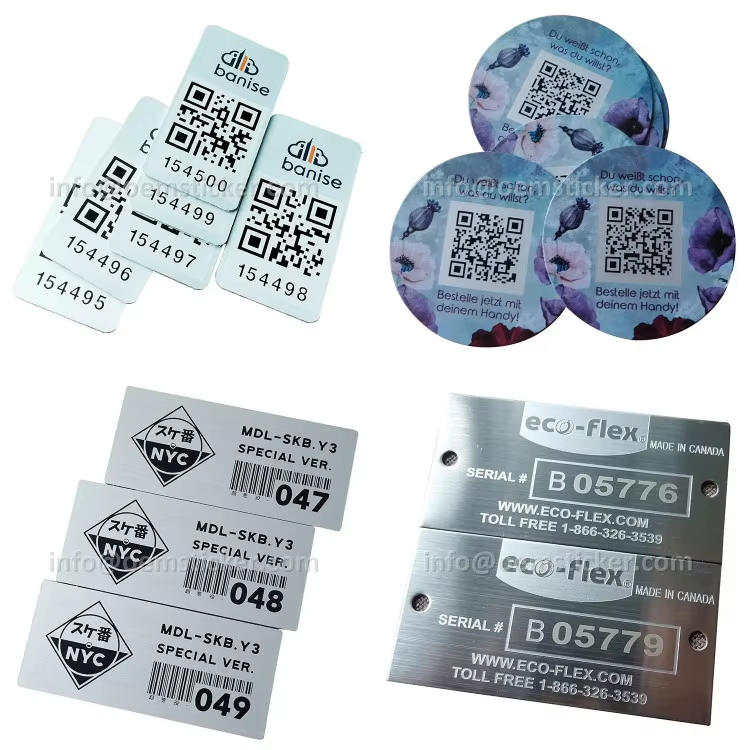
Warehouse management depends on reliable identification and tracking systems that withstand demanding operational environments. Metal asset tags have emerged as a critical solution for organizations seeking to improve inventory accuracy, reduce loss, and streamline asset management workflows. Unlike paper labels or plastic alternatives, metal asset tags offer superior durability, longevity, and performance in harsh conditions. This comprehensive guide explores the ten most significant benefits of metal asset tags for warehouse management, demonstrating why businesses across industries are transitioning to this proven technology.
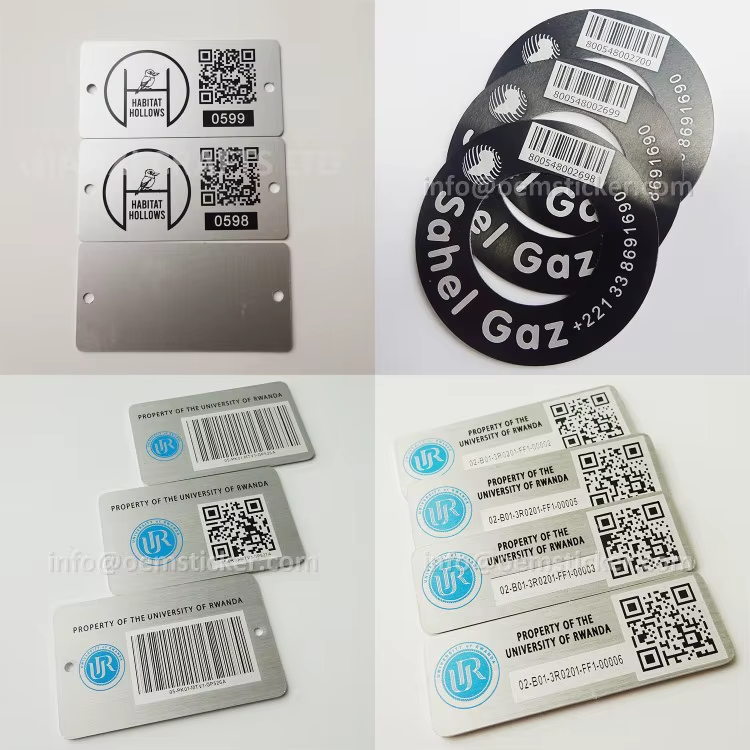
The implementation of metal asset tags represents a strategic investment in warehouse infrastructure that delivers measurable returns through enhanced tracking, reduced operational friction, and improved compliance documentation. Organizations that adopt metal asset tags experience faster asset location, lower shrinkage rates, and better data integrity throughout their supply chain. The transition from legacy labeling systems to metal asset tags fundamentally changes how warehouses approach asset governance and inventory visibility.
Unmatched Durability and Longevity
Superior Material Resistance
Metal asset tags withstand extreme temperatures, moisture, chemicals, and physical abrasion that would quickly degrade conventional labeling materials. Aluminum and stainless steel construction ensures that metal asset tags remain readable and functional throughout the entire lifecycle of tracked equipment, regardless of warehouse environment conditions. The inherent strength of metal asset tags prevents peeling, fading, or detachment even in high-traffic areas or zones exposed to washdown procedures. This durability translates directly into reduced replacement cycles and lower total cost of ownership compared to fragile alternatives.
Multi-Year Performance Guarantee
Unlike paper or plastic labels that typically require replacement every 12 to 24 months, metal asset tags maintain legibility and functionality for 10 years or longer. This extended service life means that metal asset tags applied to warehouse equipment, machinery, or inventory containers continue performing without intervention. Organizations eliminate recurring labor costs associated with label replacement campaigns. The predictability of metal asset tags allows finance teams to budget for asset tracking as a one-time capital expense rather than an ongoing operational cost.
Enhanced Tracking and Identification Accuracy
Integrated Barcode and QR Code Technology
Modern metal asset tags incorporate laser-marked barcodes and QR codes that integrate seamlessly with warehouse management systems and mobile scanning applications. The permanent nature of laser marking on metal asset tags eliminates the risk of label deterioration compromising barcode readability. Warehouse teams scan metal asset tags with standard handheld devices, instantly accessing asset history, location, maintenance records, and custodian information. This real-time data integration ensures that inventory counts, asset transfers, and equipment maintenance schedules are recorded with absolute precision.
Elimination of Manual Tracking Errors
Metal asset tags reduce human error in warehouse operations by providing automated, scannable identification that interfaces directly with database systems. When personnel apply metal asset tags to warehouse assets, they establish a permanent, tamper-evident chain of custody that prevents misplacement and unauthorized asset removal. The machine-readable format of metal asset tags makes it impossible for workers to misread or mistype asset identification numbers. Organizations leveraging metal asset tags report accuracy improvements exceeding 99% in asset location tracking, compared to 85% to 92% accuracy rates with manual inventory systems.
Operational Efficiency and Cost Reduction
Faster Asset Location and Retrieval
Warehouse teams equipped with metal asset tags and mobile scanning devices locate requested assets in seconds rather than minutes or hours. When customers or internal teams request specific equipment or inventory, personnel scan metal asset tags to instantly determine asset location, availability status, and current custodian information. This accelerated retrieval process reduces order fulfillment time and improves customer satisfaction metrics. The efficiency gains from metal asset tags compound across thousands of asset transactions annually, generating substantial labor savings.
Reduced Inventory Shrinkage and Loss Prevention
Metal asset tags create an auditable trail that deters theft and unauthorized asset removal from warehouse facilities. The permanent, tamper-evident nature of metal asset tags means that assets cannot be relocated without creating database records accessible to warehouse management personnel. Organizations implementing metal asset tags typically experience 15% to 30% reductions in inventory shrinkage compared to warehouses using conventional labeling systems. The visibility provided by metal asset tags enables managers to identify unusual patterns in asset movement and investigate discrepancies before significant losses accumulate.
Compliance, Documentation, and Risk Management
Audit Trail and Regulatory Compliance
Regulated industries including pharmaceutical, medical device, aerospace, and food service require comprehensive asset tracking documentation to satisfy compliance requirements. Metal asset tags provide permanent identification that supports regulatory audits and documentation standards. Every transaction involving assets marked with metal asset tags generates timestamped records demonstrating asset custody, movement, and maintenance history. This complete audit trail protects organizations from regulatory violations and enables confident submission of compliance documentation to government agencies and industry auditors.
Equipment Warranty and Maintenance Documentation
Metal asset tags linked to maintenance management systems ensure that warranty terms, service intervals, and equipment specifications remain permanently associated with tracked assets. When technicians encounter equipment bearing metal asset tags, they instantly access maintenance history and performance data essential for making service decisions. This documentation prevents premature equipment replacement and ensures that maintenance activities occur on schedule. Organizations eliminate costly equipment failures resulting from missed maintenance intervals or lost documentation by leveraging metal asset tags as a permanent maintenance reference point.
FAQ
How do metal asset tags improve warehouse safety?
Metal asset tags enhance warehouse safety by enabling rapid identification of equipment location and status, reducing the risk of workers searching for misplaced machinery or materials. The permanent identification provided by metal asset tags eliminates confusion regarding asset specifications and maintenance status, preventing workers from operating equipment that requires servicing or maintenance. Organizations using metal asset tags report improved incident tracking and safer asset management practices.
What is the installation process for metal asset tags?
Installing metal asset tags involves affixing them to warehouse assets using adhesive backing, fasteners, or welding depending on the asset type and metal asset tags specifications. Most organizations complete installation during asset intake or during scheduled maintenance windows. The process requires minimal time investment, and properly installed metal asset tags remain securely attached throughout the asset lifecycle without requiring reinstallation.
Can metal asset tags work with existing warehouse management software?
Modern metal asset tags integrate seamlessly with virtually all major warehouse management systems through standard barcode and QR code scanning interfaces. Organizations can implement metal asset tags without requiring significant software modifications or system upgrades. The barcode and QR code formats on metal asset tags conform to industry standards, ensuring compatibility with existing mobile devices and scanning hardware already deployed in warehouse environments.