Multi-Platform Application and Market Visibility
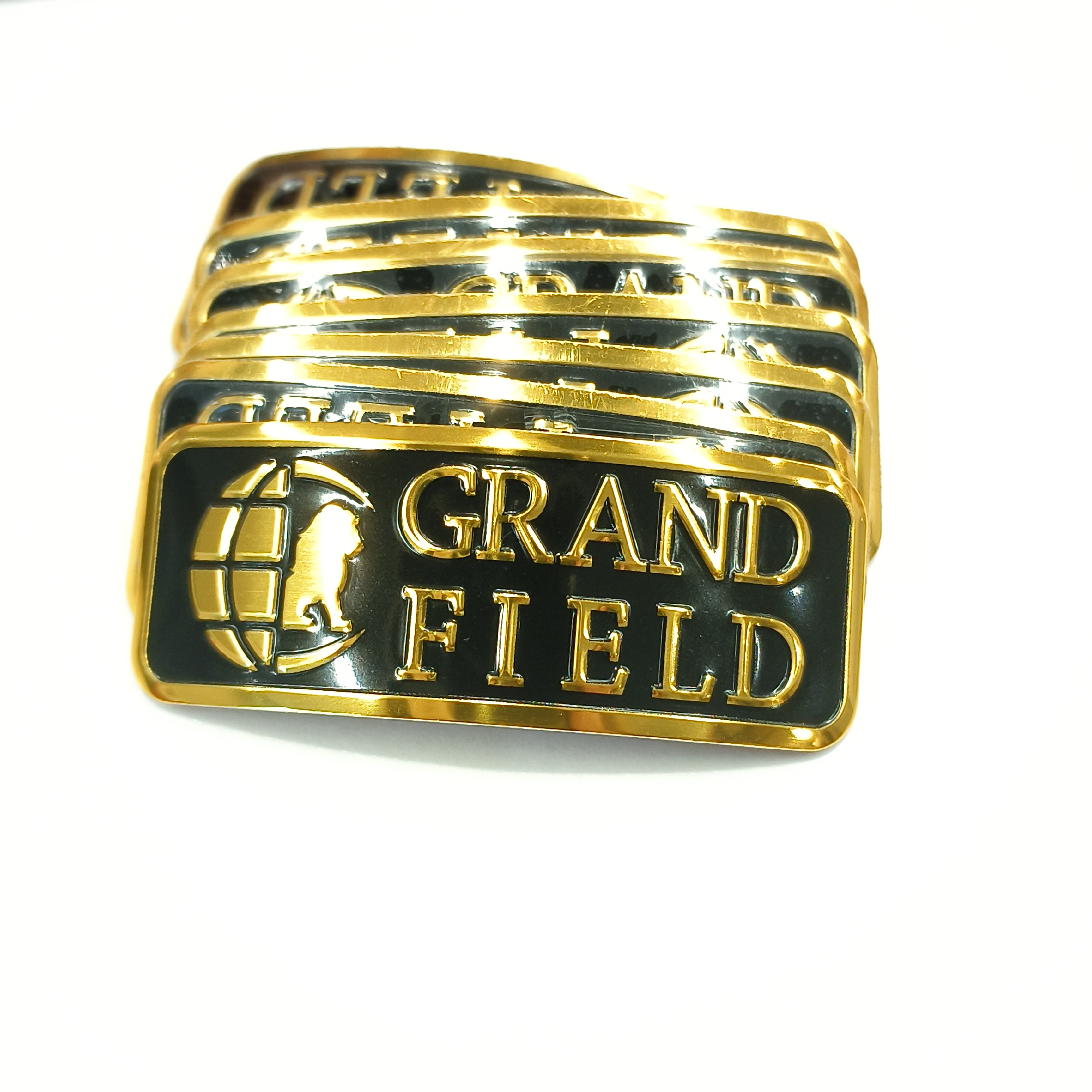
Modern car make logos demonstrate exceptional versatility across diverse platforms and marketing channels, maximizing brand visibility and consumer engagement. Digital implementations of car make logos appear on manufacturer websites, mobile applications, and social media platforms where they reinforce brand messaging to millions of potential customers globally. Physical applications of car make logos extend from vehicle exteriors to showroom signage, dealership branding, and authorized service center identification, creating comprehensive brand presence throughout the customer journey. The strategic deployment of car make logos across advertising materials, promotional campaigns, and sponsorship initiatives amplifies brand awareness and strengthens market positioning. Contemporary car make logos incorporate design flexibility that accommodates various sizes, color schemes, and material applications without compromising visual impact or recognition. This adaptability allows car make logos to maintain consistency across traditional print media, digital screens, and three-dimensional installations. The application versatility of car make logos supports effective brand communication across diverse consumer demographics and geographic markets. Whether displayed on merchandise, website headers, or vehicle dashboards, car make logos maintain symbolic power and immediately communicate manufacturer identity to audiences worldwide.
 EN
EN