 EN

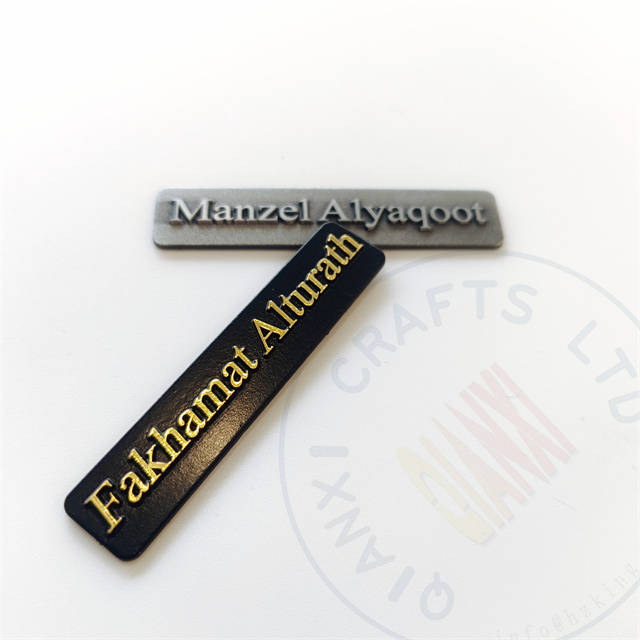
Metal asset tags have become essential components in industrial and commercial environments where durability, legibility, and professional appearance matter most. Organizations across manufacturing, aerospace, healthcare, and telecommunications sectors rely on metal asset tags to track equipment, maintain compliance, and establish brand identity. Modern innovations in metal asset tags combine traditional craftsmanship with cutting-edge digital technologies, creating identification solutions that withstand harsh conditions while delivering superior visual impact. Understanding these advancements helps businesses select the right metal asset tags for their specific operational needs.
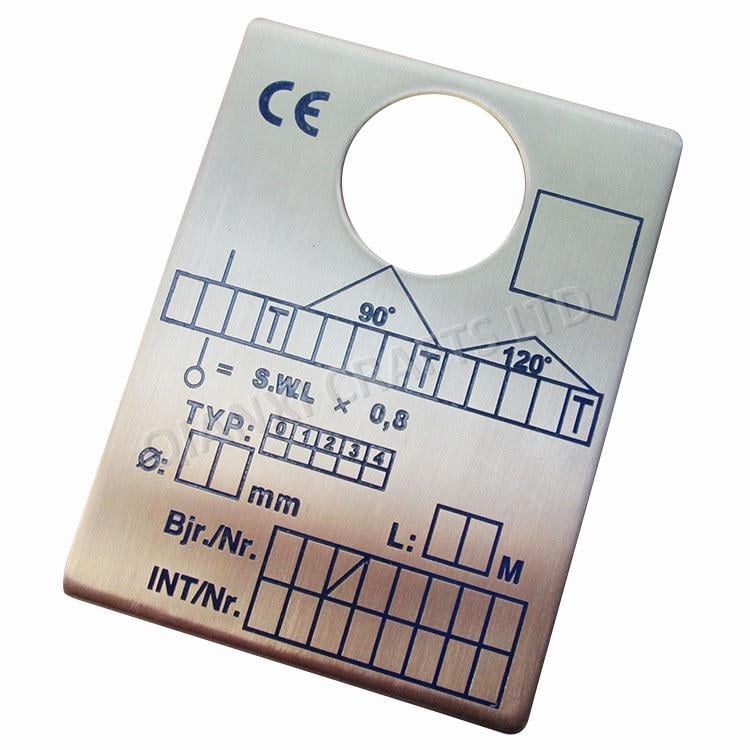
The evolution of metal asset tags reflects broader industrial trends toward precision, sustainability, and integration with digital workflows. From traditional stamping and engraving methods to contemporary 3D embossing and direct digital printing, metal asset tags now offer unprecedented flexibility in design, customization, and functionality. This transformation enables companies to create identification solutions that not only meet regulatory requirements but also serve as brand ambassadors and functional data carriers in increasingly complex supply chains.
3D Embossing Technology in Metal Asset Tags
How 3D Embossing Transforms Metal Identification
Three-dimensional embossing represents a significant advancement in metal asset tags manufacturing, creating raised surfaces that provide tactile feedback and enhanced visual depth. Unlike flat engraving, 3D embossing metal asset tags produce dimensional features that catch light differently, making information more noticeable from various angles and distances. This technology proves particularly valuable in environments where visual identification occurs quickly, such as equipment sorting, inventory verification, or maintenance workflows where technicians need rapid recognition without close examination.
The embossing process for metal asset tags involves precision tooling and controlled pressure application to raise specific areas of the metal substrate without compromising structural integrity. Aluminum and stainless steel metal asset tags respond exceptionally well to 3D embossing because these materials maintain consistent density and malleability. The resulting metal asset tags feature superior wear resistance compared to painted alternatives, ensuring that raised elements remain visible throughout the product lifecycle, even in demanding industrial settings.
Applications and Durability Benefits
Metal asset tags created through 3D embossing serve diverse applications where conventional flat identification proves insufficient. Equipment manufacturers embed 3D embossed metal asset tags directly into machinery, creating permanent product identification that survives cleaning cycles, chemical exposure, and temperature extremes. Aerospace facilities employ 3D embossed metal asset tags for critical component tracking because the tactile nature allows identification in low-light conditions or through protective coverings. Pharmaceutical companies and medical device manufacturers apply metal asset tags with 3D embossing to enhance security and traceability of high-value items throughout distribution networks.
The durability advantages of 3D embossed metal asset tags extend their service life significantly compared to adhesive-based alternatives. Weather exposure, ultraviolet radiation, abrasive cleaning agents, and mechanical wear progressively fade flat printed labels, but metal asset tags with 3D embossing retain legibility indefinitely. This longevity translates to reduced replacement frequency, lower inventory management overhead, and improved asset tracking accuracy throughout extended equipment operational periods.
Digital Printing and Direct-to-Metal Solutions
Advanced Printing Technologies for Metal Asset Tags
Digital printing technology has revolutionized metal asset tags production by enabling full-color images, complex graphics, and variable data printing without traditional setup delays or minimum order quantities. UV printing on metal asset tags creates vibrant colors with exceptional adherence to aluminum and stainless steel substrates, eliminating concerns about ink flaking or fading under environmental stress. Direct digital printing onto metal asset tags allows manufacturers to incorporate company logos, QR codes, product images, and detailed technical specifications in a single integrated identification solution.
Silk-screen printing represents another established technique for creating durable metal asset tags, offering excellent ink opacity and substrate compatibility. Offset printing delivers high-resolution results for metal asset tags requiring photographic quality or intricate detail reproduction. These diverse printing methodologies provide businesses with flexibility to match production economics with design complexity, whether producing modest quantities of specialized metal asset tags or large volumes of standardized identification.
Integration with Digital Workflows
Modern metal asset tags increasingly incorporate machine-readable elements such as barcodes and QR codes, bridge physical inventory and digital asset management systems. Direct-printed metal asset tags enable integration with cloud-based tracking platforms, RFID systems, and mobile applications that monitor equipment location, maintenance history, and compliance status in real time. This convergence of physical identification and digital connectivity transforms metal asset tags from passive markers into active data collection points.
Variable data printing capabilities allow manufacturers to customize each individual metal asset tags with unique serial numbers, asset identifiers, or regulatory compliance information while maintaining production efficiency. Businesses implementing automated asset management workflows benefit significantly from this ability to generate customized metal asset tags on-demand, reducing inventory holding costs and ensuring that identification accurately reflects current asset status and organizational requirements.
Material Selection and Performance Characteristics
Aluminum Versus Stainless Steel Metal Asset Tags
Choosing appropriate base materials represents a critical decision point when specifying metal asset tags for particular applications. Aluminum metal asset tags offer excellent lightweight properties, superior machinability for embossing, and cost-effectiveness for large-volume deployments. Stainless steel metal asset tags provide enhanced corrosion resistance in marine, chemical processing, and high-humidity environments where standard aluminum might degrade over extended periods. Both materials accommodate 3D embossing and digital printing equally well, but environmental exposure patterns should guide material selection.
Anodized aluminum metal asset tags incorporate protective oxide layers that resist scratching, UV fading, and corrosive chemical contact, extending service life in moderately aggressive environments. Brushed or polished finishes on stainless steel metal asset tags enhance aesthetic appeal while maintaining functional durability. Powder-coated metal asset tags add additional protection layers and enable custom color options that align with branding requirements or color-coding systems used in equipment organization.
Environmental Resilience and Longevity
Temperature cycling, freeze-thaw exposure, saltwater spray, and industrial chemical contact present persistent challenges for identification systems in demanding environments. Metal asset tags manufactured from appropriate materials with protective surface treatments demonstrate remarkable resilience across these conditions. Stainless steel metal asset tags maintain legibility in marine environments where salt spray destroys conventional labels within months, while anodized aluminum metal asset tags perform reliably in manufacturing facilities with exposure to cutting fluids and cleaning solvents.
The inherent material properties of metal asset tags ensure that identification information persists throughout extended equipment lifecycles spanning decades. Organizations implementing metal asset tags reduce replacement frequency, minimize re-identification labor, and maintain consistent asset tracking throughout complete equipment operating periods. This superior longevity makes metal asset tags particularly valuable for tracking expensive infrastructure, critical equipment, and high-value assets subject to long-term operational deployments.
FAQ
What makes metal asset tags superior to adhesive labels?
Metal asset tags provide permanent identification that survives extreme temperatures, chemical exposure, and abrasive handling that progressively destroys adhesive labels. While labels typically fade or separate within 2-5 years, properly manufactured metal asset tags maintain legibility for 20+ years, reducing replacement costs and improving long-term asset tracking accuracy. The tactile nature of embossed metal asset tags enables identification in low-light conditions, through protective coverings, or during rapid equipment sorting procedures where label-based identification proves impractical.
Can metal asset tags accommodate QR codes and barcodes?
Yes, modern metal asset tags integrate machine-readable elements through digital printing techniques. QR codes and barcodes printed on metal asset tags maintain optimal contrast and readability despite the reflective metal substrate, enabling seamless integration with automated inventory systems, mobile applications, and cloud-based asset management platforms. Variable data printing allows each metal asset tags to carry unique identifiers that connect physical equipment to digital records.
How do I choose between 3D embossing and digital printing for my metal asset tags?
Application requirements determine the optimal metal asset tags production method. Select 3D embossing for permanent identification requiring high tactile visibility and extreme durability in aggressive environments where fading or wear occurs rapidly. Choose digital printing when metal asset tags require complex graphics, full-color branding, variable data elements, or photographic quality imagery. Many applications benefit from hybrid approaches combining embossed metal asset tags elements with printed details for maximum visual impact and functionality.