 EN
EN

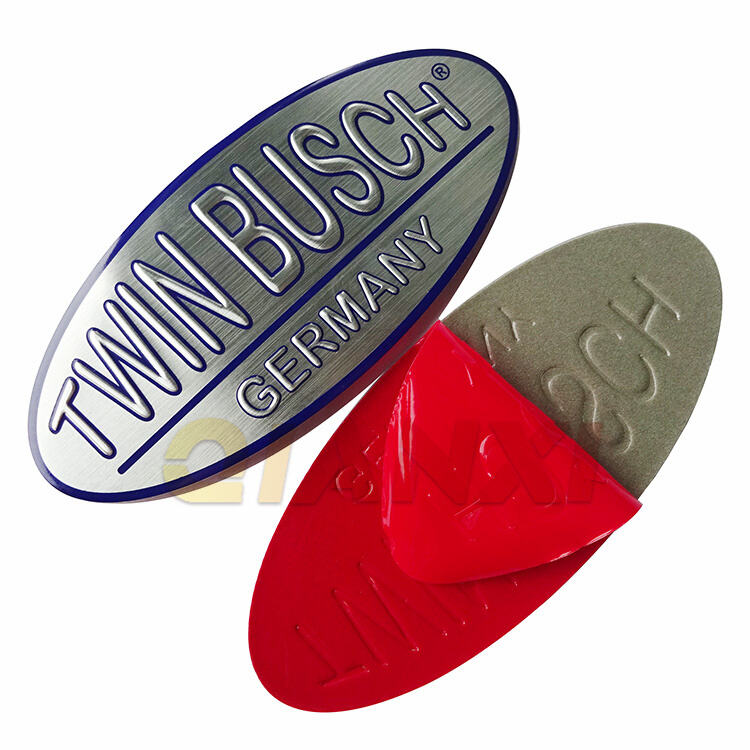
Metal isim plakası metal plaka ve plastik alternatifler, uzun vadeli performans ve maliyet etkinliği üzerinde önemli bir etkiye sahiptir. Her iki malzemenin dayanıklılık özelliklerini anlamak, karar vericilerin belirli çalışma ortamları ve performans gereksinimleri doğrultusunda en uygun çözümü seçmelerini sağlar.
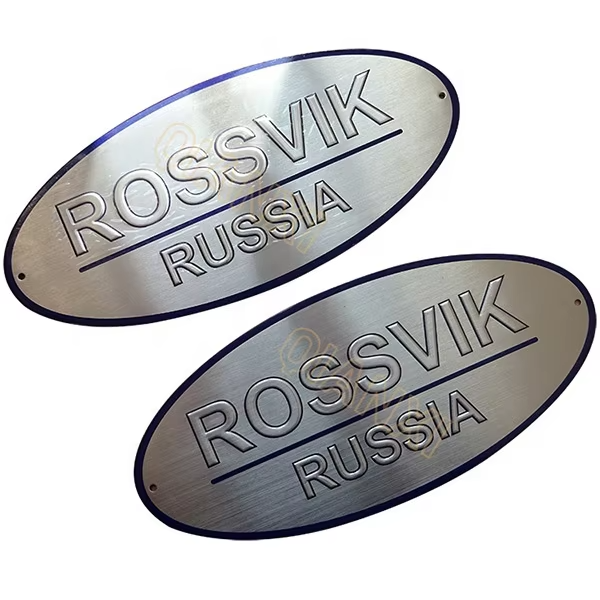
Metal isim plakaları ile plastik alternatifleri arasındaki dayanıklılık karşılaştırması, çevresel koşullara direnç, mekanik stres toleransı, operasyonel kullanım altında uzun ömürlülük ve bakım gereksinimleri gibi çoklu performans faktörlerini içerir. Her bir malzeme kategorisi, uygulama bağlamına bağlı olarak belirgin avantajlar sunar; bu nedenle optimal performans sonuçları için bilinçli malzeme seçimi hayati öneme sahiptir.
Malzeme Bileşimi ve Yapısal Dayanım
Metal İsim Plakası Yapısı Özellikleri
Bir metal isim plakası, genellikle alüminyum, paslanmaz çelik, pirinç veya anodize edilmiş alüminyum alaşımları gibi malzemeler kullanılarak sağlam bir yapıya sahiptir. Bu metal alt tabakalar, endüstriyel ortamlarda yaygın olarak karşılaşılan mekanik stres, darbe kuvvetleri ve termal çevrim koşulları altında şekil değişimine karşı doğal yapısal dayanıklılık sağlar.
Metallerin kristalin yapısı, geniş sıcaklık aralıklarında boyutsal kararlılığı koruyan güçlü atomik bağlar oluşturur. Bu temel malzeme özelliği, bir metal isim plakasının uzun süreli kullanım dönemleri boyunca çarpılmadan, çatlamadan veya kalıcı deformasyona uğramadan şeklini, montaj bütünlüğünü ve yüzey kaplama kalitesini korumasını sağlar.
Metal isim plakası üretimi için kullanılan imalat süreçleri arasında hassas damgalama, lazer kesim, kimyasal kazıma ve CNC tornalama gibi teknikler yer alır; bu teknikler tutarlı kalınlık ve kenar kalitesi sağlar. Bu kontrollü imalat yöntemleri, öngörülebilir mekanik özelliklere ve homojen gerilme dağılımı özelliklerine sahip isim plakaları üretir.
Plastik Isim Plakası Malzemesi Özellikleri
Plastik isim plakaları, polikarbonat, akrilik, poliester ve tanımlama uygulamaları için tasarlanmış özel mühendislik plastikleri gibi polimer malzemelerden yararlanır. Bu sentetik malzemeler, metal alternatiflere kıyasla daha hafif ağırlık ve tasarım esnekliği sunar; ancak moleküler yapıları, dayanıklılık performans profillerinde farklılıklar yaratır.
Plastik malzemelerdeki polimer zincirleri, ani başarısızlık olmadan darbe enerjisini absorbe edebilen bir esneklik sağlar; ancak bu özellik aynı zamanda sürekli yük altında kalıcı deformasyona uğrama eğilimini artırır. Sıcaklık hassasiyeti plastik türlerine göre önemli ölçüde değişir; bazı formülasyonlar yüksek sıcaklıklarda boyutsal değişim veya özellik kaybı gösterir.
Modern plastik isim plakası üretimi, karmaşık geometriler ve çok renkli tasarımların gerçekleştirilmesini sağlayan enjeksiyon kalıplama, termoformlama ve dijital baskı süreçlerini kullanır. Ancak üretim toleransları ve uzun vadeli boyutsal kararlılık, metal isim plakası imalat yöntemleriyle elde edilebilen hassasiyeti eşlemez.
Çevresel Direnç Performansı
Korozyon ve kimyasal dayanım
Uygun alaşım kompozisyonları ve yüzey işlemlerinin belirtildiği durumda doğru şekilde seçilen bir metal isim plakası, aşındırıcı ortamlara karşı üstün direnç gösterir. Paslanmaz çelik isim plakaları, sert endüstriyel atmosferlerde oksidasyona ve kimyasal saldırılara dayanıklıdır; anodize alüminyum ise dış mekân uygulamaları için mükemmel korozyon koruması sağlar.
Metal isim plakaları uygulamaları için yüzey işleyici teknikler, kimyasal direnci artıran koruyucu kaplamalar, kaplama süreçleri ve pasivasyon tedavilerini içerir. Bu tedaviler, agresif kimyasallar ile temel metal alt tabakası arasındaki doğrudan teması önleyen bariyer katmanları oluşturur ve zorlu ortamlardaki kullanım ömrünü uzatır.
Plastik isim plakaları, üretim sırasında kullanılan özel polimer formülasyonuna ve katkı maddesi paketlerine bağlı olarak değişken kimyasal direnç gösterir. Bazı mühendislik plastikleri belirli kimyasallara etkili bir şekilde direnç gösterebilirken, diğerleri endüstriyel ortamlarda yaygın olarak kullanılan çözücülere, yağlara veya temizleme kimyasallarına maruz kaldıklarında şişme, çatlama veya bozunma yaşayabilir.
Hava Koşulları ve UV Maruziyeti Etkileri
Dış mekan dayanıklılık testleri, metal isim levhalarının doğrudan güneş ışığına maruz kaldığında plastik alternatiflere göre görünümünü ve okunabilirliğini daha uzun süre koruduğunu ortaya koymaktadır. Metal yüzeyler UV radyasyonunu emmek yerine yansıtır; bu da plastik bileşenlerde renk solmasına ve malzeme kırılganlığına neden olabilen fotodeğradasyon süreçlerini önler.
Güneşten kaynaklanan ısıtma ve gece soğuması nedeniyle sıcaklık değişimleri, isim plakası malzemelerinde genişleme ve daralma gerilmelerine yol açar. Metallerin termal genleşme katsayısı genellikle plastik malzemelere göre daha düşüktür ve daha öngörülebilirdir; bu da zaman içinde daha iyi boyutsal kararlılık ve montaj bütünlüğü sağlar.
Yağmur, nem ve donma-çözülme döngüleri, metal isim plakalarının performansını plastik seçeneklerden farklı şekilde etkiler. Metaller, şişmeye veya boyutsal değişikliklere neden olabilecek nemi emmezken; uygun tahliye tasarımı, korozyonu hassas bölgelerde hızlandırabilecek su birikintilerini önler.
Mekanik Dayanıklılık ve Darbe Direnci
Stres Toleransı ve Deformasyon Direnci
Darbe testleri, metal isim plakası yapısının çoğu plastik alternatife kıyasla kalıcı deformasyona karşı üstün direnç sağladığını göstermektedir. Metal malzemelerin akma mukavemeti ve elastik modülü, darbe enerjisini emmelerine ve görünür hasar veya boyutsal değişiklik olmadan orijinal şekillerine dönmemelerine olanak tanır.
Destekleyici yapıların termal genleşmesinden veya titreşim yüklerinden kaynaklanan montaj stresi, zaman içinde isim plakasının dayanıklılığını etkiler. Metal bir isim plakası genellikle bu koşullar altında güvenli sabitlenmeyi ve düzgün yüzeyi korurken, plastik malzemeler montaj delikleri çevresinde gerilme çatlakları oluşturabilir veya kalıcı bükülme gösterebilir.
Kenar bütünlüğü ve köşe dayanıklılığı, isim plakasının ömrü açısından kritik faktörlerdir. Metal bir isim plakasının tornalanmış veya şekillendirilmiş kenarları, elle tutulma veya çevresel stres altında çabuk çatlayan veya darbe hasarı gösteren kalıplanmış plastik kenarlara kıyasla çentlenmeye ve köşe hasarına daha iyi direnç gösterir.
Döngüsel Yük Altında Yorulma Direnci
Mobil ekipmanlarda veya dönen makinaların yakınında görülen titreşim ortamları, etiketlerin kullanım ömürleri boyunca milyonlarca gerilim döngüsüne maruz kalmasına neden olur. Metal etiket malzemeleri, güvenilir kullanım ömrü hesaplamaları yapılmasına olanak tanıyan iyi bilinen yorulma dayanım sınırlarıyla öngörülebilir yorulma davranışları gösterir.
Metallerin yorulma çatlağı ilerleme özellikleri iyi anlaşılmıştır ve uygun tasarım ile malzeme seçimiyle kontrol edilebilir. Montaj delikleri ve yazı özelliklerinin çevresindeki gerilim yoğunluk faktörleri, uygun kenar işlemlerinin ve kalınlık seçiminin uygulanmasıyla en aza indirilir. metal plaka uygulamaları.
Plastik malzemeler, döngüsel yükleme altında çatlak oluşumu (crazing), gerilim beyazlaması veya kademeli özellik bozulması gibi farklı yorulma davranışları gösterebilir. Polimerlerin viskoelastik doğası, gerilime zamana bağlı tepkiler oluşturur ve bu da sürünme deformasyonuna veya metal bileşenlerde yaygın olmayan beklenmedik hasar modlarına yol açabilir.
Uzun ömürlülük ve Yaşam Döngüsü Performansı
Hizmet Ömür Beklentileri
Saha deneyimi ve hızlandırılmış testler, doğru şekilde belirlenen metal isim plakası uygulamalarının endüstriyel ortamlarda genellikle yirmi yılı aşan hizmet ömürleri kazandığını göstermektedir. Kararlı malzeme özellikleri ve bozulma mekanizmalarına karşı direnç, uzun süreli işletme dönemleri boyunca tahmin edilebilir performans sağlar.
Metal isim plakası montajlarının bakım gereksinimleri genellikle çok azdır ve çoğunlukla görünüm ile okunabilirliği korumak amacıyla periyodik temizlik işlemlerinden oluşur. Doğasında bulunan dayanıklılık, daha sık bakım gerektiren alternatiflere kıyasla değiştirme sıklığını ve bununla ilişkili işçilik maliyetlerini azaltır.
Değişim erişiminin zor olduğu veya duruş süresi maliyetlerinin önemli olduğu uygulamalarda, başlangıçta daha yüksek malzeme maliyetine rağmen toplam sahip olma maliyeti hesaplamaları genellikle metal isim plakası çözümlerini tercih etmektedir. Uzun hizmet ömrü ve azaltılmış bakım gereksinimleri, sistem ömrü boyunca premium malzeme fiyatını telafi eder.
Hayatın sonu düşünceleri
Geri dönüştürülebilirlik ve ömür sonunda çevresel etki, malzeme seçim kararlarında giderek daha önemli hale gelen faktörlerdir. Metal isim plakası malzemeleri, kurulmuş metal geri kazanım süreçleri aracılığıyla kolayca geri dönüştürülebilirken; plastik geri dönüşümü, kullanılan polimer türüne ve kirlilik seviyelerine bağlı olarak daha karmaşık olabilir.
Metal isim plakası seçeneklerinin dayanıklılık avantajı, değiştirme sıklığını azaltarak ve bununla ilişkili kaynak tüketimini düşürerek doğrudan sürdürülebilirlik hedeflerine katkı sağlar. Daha uzun kullanım ömrü, daha az üretim döngüsü anlamına gelir; bu da taşıma ile ilgili etkileri ve uygulama ömrü boyunca oluşan atık miktarını azaltır.
Ömür sonunda malzeme geri kazanım değeri, metal isim plakası uygulamaları için kısmi bir ekonomik telafi sağlar; buna karşılık plastik malzemelerin genellikle hiçbir geri kazanım değeri yoktur veya çok düşük bir değeri vardır. Bu ekonomik faktör, malzeme miktarlarının geri kazanım çabalarını haklı çıkarmasına olanak tanıyan büyük ölçekli uygulamalarda daha belirgin hale gelir.
Uygulamaya Özel Performans Faktörleri
Sektörün Çevresel Dikkat Gerektiren Hususları
Kimyasal işleme tesisleri, deniz ortamları ve açık hava endüstriyel uygulamaları, aşırı sıcaklıklara ve korozyona karşı üstün dirençleri nedeniyle genellikle metal isim plakası çözümlerini tercih eder. Belirli çevre koşulları için uygun alaşımların ve yüzey işlemlerinin belirtilebilmesi, standart plastik formülasyonlarla sağlanamayan bir tasarım esnekliği sunar.
Motor bölümleri, işlem ekipmanları ve endüstriyel fırınlar gibi yüksek sıcaklık uygulamaları, yüksek sıcaklıklarda özelliklerini ve görünüşlerini koruyabilen malzemeler gerektirir. Metal isim plakası seçenekleri, plastik alternatiflerin yumuşamasına, çarpılmasına veya bozulmasına neden olacak sıcaklıklarda yapısal bütünlüklerini ve okunabilirliklerini korur.
Hassas ekipmanlar ve ölçüm cihazları, sıcaklık değişimleri ve çevresel etkilere maruz kalırken kritik işaretlemelerin veya referans özelliklerinin doğru kaydı ve hizalanmasını koruyan metal isim plakası yapısının boyutsal kararlılığından yararlanır.
Estetik ve İşlevsel Ömür
Metal isim plakalarının görünüm koruma özellikleri, çoğu çevre koşulunda plastik alternatiflerinkinden önemli ölçüde daha yüksektir. Metal yüzeyler, uzun süreli kullanım dönemleri boyunca orijinal yüzey kalitesini ve renk kararlılığını koruyarak marka imajını ve profesyonel görünümü sürdürür.
Metal isim plakalarının sabit alt yapı özellikleri ve yüzey bozulmasına karşı direnci sayesinde, metin ve grafik okunabilirliği zaman içinde tutarlı kalır. Metal alt yapılara kazınan veya aşındırılan işaretlemeler, plastik malzemelerde basılan veya kalıplanan özelliklere kıyasla aşınmaya ve solmaya daha dayanıklıdır.
Metal isim plakalarının premium görünümü ve dokunsal kalitesi, algılanan ürün kalitesi ile marka değerine katkı sağlar. Bu somut olmayan fayda, müşteri algısı ve marka imajı önemli olduğu uygulamalarda malzeme maliyeti farkını haklı çıkarabilir.
SSS
Metal isim plakalarının plastik seçeneklere kıyasla ana dayanıklılık avantajları nelerdir?
Metal isim plakaları, UV ışınımı, aşırı sıcaklık koşulları ve kimyasal etkilere karşı üstün direnç sunar. Boyutsal kararlılıklarını ve görünüşlerini plastik alternatiflere kıyasla daha uzun süre korurlar; endüstriyel uygulamalarda genellikle yirmi yılı aşkın bir kullanım ömrüne sahip olurlar. Metal yapı ayrıca döngüsel yükleme koşullarında daha iyi darbe direnci ve yorulma performansı sağlar.
Plastik isim plakalarının metal seçeneklere kıyasla herhangi bir dayanıklılık avantajı var mıdır?
Plastik isim plakaları, esneklikleri sayesinde bazı uygulamalarda görünür hasar olmadan darbeyi daha iyi emebilir. Ayrıca daha hafif ağırlığa sahiptirler ve bazı özel kimyasallara karşı bazı metal alaşımlarına kıyasla daha iyi direnç gösterebilirler. Ancak bu avantajlar, uygun şekilde seçilen metal isim plakası malzemelerine kıyasla genellikle daha düşük uzun vadeli çevresel direnç ve boyutsal kararlılık nedeniyle azımsanabilir düzeydedir.
Çevresel koşullar, metal ve plastik isim plakaları arasındaki dayanıklılık karşılaştırmasını nasıl etkiler?
Çevresel faktörler, çoğu endüstriyel koşulda metal isim plakalarının dayanıklılığını önemli ölçüde destekler. Açık havada maruziyet, sıcaklık değişimleri, kimyasal ortamlar ve UV radyasyonu gibi faktörler, plastik malzemeleri metallerden daha hızlı bozar. Metal isim plakaları, bu koşullar altında özelliklerini ve görünüşlerini daha uzun süre korur; bu nedenle zorlu çevresel uygulamalar için daha uygundur.
Belirli uygulamalar için metal ve plastik isim plakalarının dayanıklılığı arasında seçim yapılırken dikkat edilmesi gereken faktörler nelerdir?
Temel faktörler arasında beklenen kullanım ömrü gereksinimleri, çevresel koşullar, sıcaklık etkisi, kimyasal uyumluluk, darbeye dayanım gereksinimleri ve toplam sahiplik maliyeti yer alır. Metal isim plakaları, başlangıç maliyetleri daha yüksek olsa da zorlu uygulamalarda genellikle daha iyi uzun vadeli değer sağlar; buna karşılık plastik seçenekler, maliyetin birincil değerlendirme kriteri olduğu kısa süreli veya korunaklı iç mekân uygulamaları için uygun olabilir.
İçindekiler
- Malzeme Bileşimi ve Yapısal Dayanım
- Çevresel Direnç Performansı
- Mekanik Dayanıklılık ve Darbe Direnci
- Uzun ömürlülük ve Yaşam Döngüsü Performansı
- Uygulamaya Özel Performans Faktörleri
-
SSS
- Metal isim plakalarının plastik seçeneklere kıyasla ana dayanıklılık avantajları nelerdir?
- Plastik isim plakalarının metal seçeneklere kıyasla herhangi bir dayanıklılık avantajı var mıdır?
- Çevresel koşullar, metal ve plastik isim plakaları arasındaki dayanıklılık karşılaştırmasını nasıl etkiler?
- Belirli uygulamalar için metal ve plastik isim plakalarının dayanıklılığı arasında seçim yapılırken dikkat edilmesi gereken faktörler nelerdir?