 EN
EN

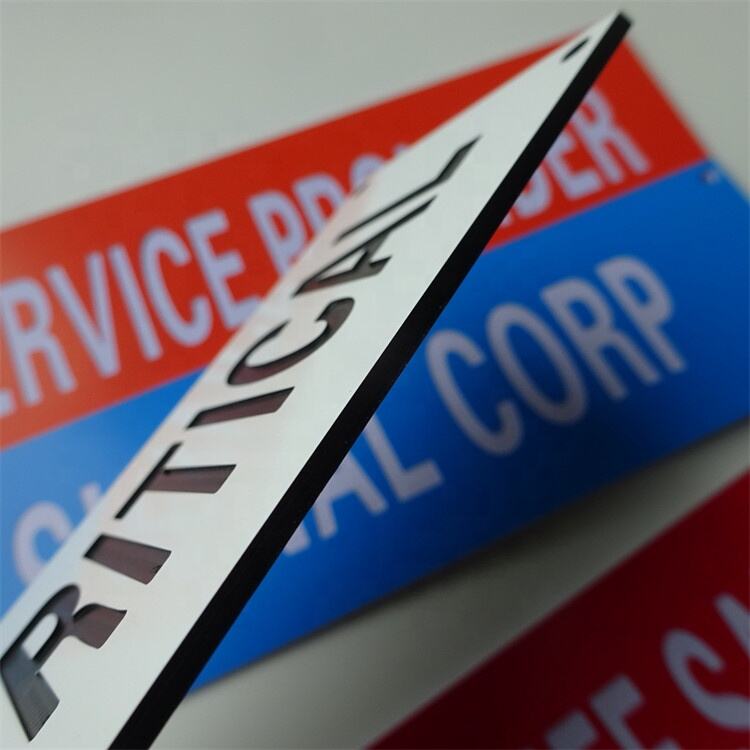
Rozhodnutie medzi traffolytový identifikačný štítok a kovový štítkový nápis často určuje životnosť, čitateľnosť a nákladovú efektívnosť vašej priemyselnej systémovej označovacej technológie. Toto rozhodnutie nadobúda obzvlášť kritický význam, ak sa vaša aplikácia stretáva s náročnými environmentálnymi podmienkami, vyžaduje špecifické estetické vlastnosti alebo funguje v rámci prísnych rozpočtových obmedzení. Porozumenie konkrétnym scenárom, v ktorých technológia identifikačných štítkov z materiálu Traffolyte prekonáva tradičné kovové alternatívy, môže organizáciám v dlhodobom horizonte ušetriť významné množstvo času, peňazí a úsiliu spojeného s údržbou.
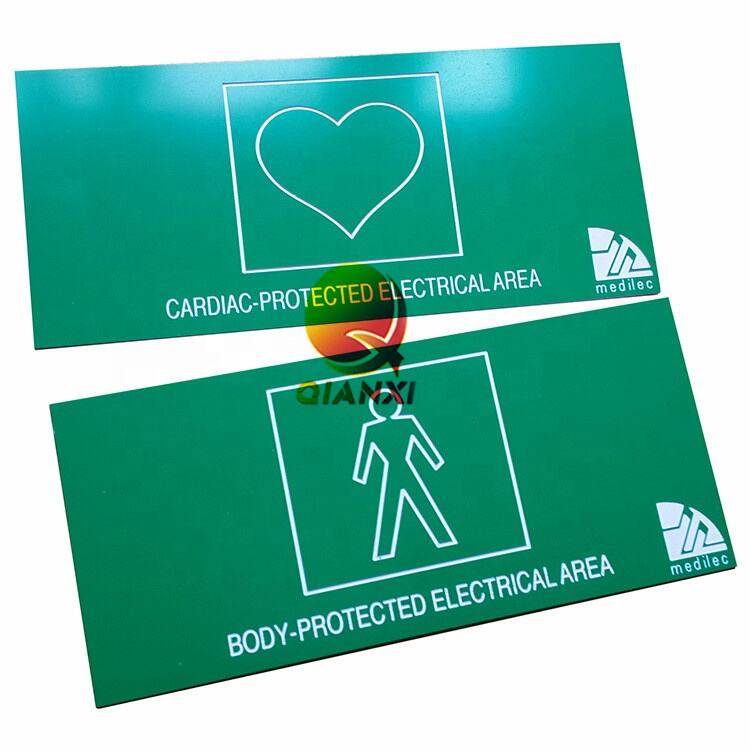
Výber vhodného materiálu pre typový štítok vyžaduje posúdenie viacerých faktorov, vrátane vystavenia prostrediu, požiadaviek na trvanlivosť, potreby vizuálneho kontrastu a obmedzení pri inštalácii. Typový štítok z materiálu Traffolyte ponúka výrazné výhody v konkrétnych priemyselných aplikáciách, najmä tam, kde je rozhodujúca odolnosť voči chemikáliám, elektrické izolačné vlastnosti a stála čitateľnosť.
Prostredia, v ktorých je výhodný výber materiálu Traffolyte
Prípady vystavenia chemikáliám
Chemické spracovateľské zariadenia, laboratóriá a výrobné prostredia s agresívnym chemickým pôsobením predstavujú ideálne scenáre pre použitie identifikačných štítkov z materiálu Traffolyte. Na rozdiel od kovových alternatív, ktoré sa môžu korodovať, puknúť alebo zmeniť farbu pri kontakte s kyselinami, zásadami alebo organickými rozpúšťadlami, materiály Traffolyte zachovávajú svoju štrukturálnu celistvosť a vizuálnu jasnosť počas dlhodobého pôsobenia chemikálií. Inžiniersky navrhnutá plastová konštrukcia identifikačných štítkov Traffolyte poskytuje prirodzenú odolnosť voči väčšine priemyselných chemikálií bez nutnosti ochranných povlakov, ktoré by časom mohli zlyhať.
Priemyselné odvetvia, ako sú výroba liekov, zariadenia na úpravu vody a prevádzky chemického skladovania, významne profitujú z tejto odolnosti voči chemikáliám. Keď sa na kovových štítkoch začnú objavovať príznaky korózie, zmena farby alebo degradácia textu spôsobená kontaktom s chemikáliami, je čas ideálne vhodný na prechod na štítky z materiálu traffolyte. Zloženie materiálu úplne eliminuje riziko galvanickej korózie, čo ho robí vhodným pre aplikácie, kde môžu rozdielne kovy vyvolať elektrochemické reakcie.
Námorné prostredie predstavuje ďalší presvedčivý dôvod pre výber traffolyte namiesto kovových alternatív. Morská rosa, vlhkosť a kolísanie teplôt, ktoré rýchlo poškodzujú kovové štítky, majú na správne vyrobené traffolyte štítky minimálny vplyv. Offshore plošiny, pobrežné zariadenia a námorné plavidlá často špecifikujú práve materiál traffolyte, aby sa vyhli údržbovým cyklom spojeným s korodovanými kovovými identifikačnými systémami.
Zohľadnenie teploty a UV žiarenia
Extrémne teplotné prostredia, najmä tie, ktoré zahŕňajú tepelné cyklovania, uprednostňujú použitie nápisových tabuliek z materiálu traffolyte vzhľadom na jeho stabilitné vlastnosti. Zatiaľ čo kovové nápisové tabuľky môžu za teplotného zaťaženia vykazovať problémy s tepelnou expanziou, deformáciou alebo poškodením povlaku, kvalitné materiály traffolyte udržiavajú rozmernú stabilitu v širokom rozsahu teplôt. Táto stabilita nadobúda kľúčový význam v aplikáciách, ako sú automobilové motorové priestory, priemyselné rúry alebo vonkajšie zariadenia vystavené sezónnym teplotným výkyvom.
UV expozícia predstavuje ďalší environmentálny faktor, pri ktorom technológia označenia tropolytu často prekonáva kovové alternatívy. V vonkajších aplikáciách, ktoré vyžadujú dlhodobú čitateľnosť bez vyblednutia, sa vyberajú trafolitové materiály špeciálne pre ich UV stabilitu. Solárne zariadenia, telekomunikačné zariadenia a vonkajšie priemyselné stroje majú prospech z konzistentného kontrastu a čitateľnosti, ktoré poskytujú systémy UV stabilizovaných tropolytických označení počas dlhších expozičných období.
Kombinácia extrémnych teplôt a UV žiarenia vytvára obzvlášť náročné podmienky pre kovové značky s maľovanými alebo vytlačenými povrchmi. Keď tieto kombinované napätie spôsobujú, že kovové povlaky na označenie sa praskajú, vyblednú alebo delaminujú, prechod na technológiu označenia na označenie z trafolýtu úplne eliminuje tieto spôsoby poruchy a zároveň si zachováva vynikajúcu dlhodobú viditeľnosť a trvanlivosť.
Požiadavky na výkonnosť podporujúce výber trafolytov
Vlastnosti elektického izolácie
Požiadavky na elektrickú bezpečnosť často ovplyvňujú výber systémov identifikačných štítkov z materiálu Traffolyte namiesto vodivých kovových alternatív. V elektrických rozvodných paneloch, ovládacích skrinkách a vybavení pre vysoké napätie nevodivé materiály na identifikačné štítky zabraňujú potenciálnym skratom, elektrickému oblúku alebo riziku úrazu elektrickým prúdom, ktoré by mohli vzniknúť pri kontakte kovových štítkov s napájanými komponentmi. Vlastné dielektrické vlastnosti materiálov Traffolyte poskytujú dodatočnú bezpečnostnú rezervu v elektrických aplikáciách.
Zariadenia na výrobu energie, elektrické rozvodné stanice a priemyselné riadiace systémy často špecifikujú identifikačné štítky z materiálu Traffolyte, aby sa zachovala elektrická izolácia medzi identifikačnými prvkom a napájaným vybavením. Ak existujúce kovové identifikačné štítky vyvolávajú potenciálne riziká pre elektrickú bezpečnosť alebo nespĺňajú aktualizované bezpečnostné normy, je prechod na identifikačné štítky z materiálu Traffolyte kritickou opatrením na zlepšenie bezpečnosti.
Konštantná dielektrická pevnosť traffolytový identifikačný štítok materiály eliminujú premenné spojené s povlakmi alebo povrchovými úpravami kovových štítkov, ktoré by v priebehu času mohli ohroziť elektrickú izoláciu. Táto spoľahlivosť je obzvlášť dôležitá v aplikáciách kritických infraštruktúr, kde zlyhanie štítka môže prispieť k väčším poruchám systému alebo bezpečnostným incidentom.
Čitateľnosť a kontrastný výkon
Požiadavky na vizuálny výkon často uprednostňujú výber štítkov z materiálu Traffolyte, ak má prednosť konzistentná čitateľnosť s vysokým kontrastom pred tradičným kovovým vzhľadom. Proces ryhovania používaný pri materiáloch Traffolyte vytvára trvalý kontrast, ktorý sa nemôže vyblednúť, opotrebiť ani stať sa nečitateľným v dôsledku povrchovej abrázie. Na rozdiel od natieraných alebo anodizovaných kovových štítkov, ktoré môžu v priebehu času strácať kontrast, systémy štítkov z materiálu Traffolyte udržiavajú svoje pôvodné úrovne kontrastu po celú dobu ich životnosti.
Aplikácie v podmienkach slabého osvetlenia, identifikácia núdzového vybavenia a scenáre kritické pre bezpečnosť využívajú výhody vynikajúcich kontrastných pomerov, ktoré je možné dosiahnuť pomocou technológie menoviek z materiálu Traffolyte. Možnosť vytvárať jasné a rovnorodé texty na kontrastných pozadách zabezpečuje čitateľnosť za rôznych podmienok osvetlenia bez nutnosti povrchových úprav, ktoré sa môžu s časom zhoršovať.
Aplikácie kontroly kvality, ktoré vyžadujú konzistentný a vysokorozlíšený text a grafiku, často voľujú systémy menoviek z materiálu Traffolyte vzhľadom na ich presné rysovacie schopnosti. Ak kovové menovky nedokážu dosiahnuť požadovanú jasnosť textu, definíciu čiar alebo kvalitu reprodukcie grafi ky, materiály Traffolyte poskytujú lepšie rozlíšenie detailov pri zachovaní dlhodobej stability.
Náklady a faktory údržby
Analýza nákladov životného cyklu
Výpočty celkových nákladov na vlastníctvo často podporujú výber nápisových štítkov z materiálu traffolyte, ak sa správne vyhodnotia náklady na údržbu, frekvencia výmeny a práca spojená s inštaláciou. Hoci sa počiatočné materiálové náklady môžu medzi traffolyte a kovovými alternatívami líšiť, eliminácia výmeny spôsobenej koróziou, obnovy povlakov a údržby čitateľnosti často vedie k významným dlhodobým úsporám pri systémoch nápisových štítkov z materiálu traffolyte.
Prevádzky s vysokou frekvenciou výmeny nápisových štítkov spôsobenou environmentálnym poškodením zisťujú, že prechod na nápisové štítky z materiálu traffolyte výrazne zníži náklady na údržbu. Náklady na prácu spojené s odstraňovaním korózou poškodených kovových nápisových štítkov, prípravou povrchu a inštaláciou často presahujú rozdiel v materiálových nákladoch medzi jednotlivými technológiami výroby nápisových štítkov. Keď frekvencia výmeny dosiahne problematickú úroveň, plánovanie prechodu na systémy nápisových štítkov z materiálu traffolyte zvyčajne prináša okamžitú úľavu v oblasti údržby.
Vzdialené lokality, nebezpečné oblasti alebo inštalácie s ťažkým prístupom sa obzvlášť výhodne tešia predĺženej životnosti produktov z nápisových tabuliek z materiálu Traffolyte. Znížené požiadavky na údržbu a nižšia frekvencia výmeny sa priamo prejavujú znížením prevádzkových nákladov a zlepšenou dostupnosťou vybavenia. Offshore platformy, banícke prevádzky a technologické zariadenia vo vzdialených lokalitách často špecifikujú práve materiály Traffolyte, aby sa minimalizovala logistika a náklady spojené s údržbou.
Inštalačné a kompatibilitné parametre
Pružnosť pri inštalácii často uprednostňuje výber nápisových tabuliek z materiálu Traffolyte v prípadoch modernizácie (retrofit) alebo situácií, kde sú potrebné netypické metódy upevnenia. Nižšia hmotnosť a jednoduchšie obrábanie materiálov Traffolyte umožňujú možnosti inštalácie, ktoré by boli s kovovými nápisovými tabuľkami nepraktické. Lepiace systémy upevnenia fungujú s nápisovými tabuľkami z materiálu Traffolyte obzvlášť dobre, čím sa v mnohých aplikáciách eliminuje potreba vŕtania, rezania závitov alebo mechanického upevnenia.
Kompatibilita s existujúcimi montážnymi systémami, lepiacimi technológiami alebo postupmi inštalácie môže ovplyvniť časový plán prijatia nápisových štítkov z materiálu Traffolyte. Ak by boli na inštaláciu kovových nápisových štítkov vyžadované úpravy zariadenia, no existujúce montážne body efektívne fungujú aj s alternatívnymi nápisovými štítkami z materiálu Traffolyte, výber materiálu sa stáva jednoduchým z hľadiska nákladov aj zložitosti.
Rozmerová stabilita a konzistentná hrúbka nápisových štítkov z materiálu Traffolyte zjednodušujú správu zásob a inštalačné postupy v porovnaní s kovovými alternatívami, ktoré môžu vyžadovať rôzne úpravy hrúbky alebo špecifikácie montážneho príslušenstva. Tento benefit štandardizácie je obzvlášť cenný pri prechode na nové technológie v rozsiahlych prevádzkach alebo pri modernizácii zariadení, ktoré zahŕňajú výmenu veľkého množstva nápisových štítkov.
Kritériá výberu podľa aplikácie
Priemyselné štandardy a predpisy
Požiadavky na dodržiavanie predpisov čoraz viac ovplyvňujú časový rámec zavádzania identifikačných štítkov z materiálu Traffolyte v odvetviach s konkrétnymi požiadavkami na materiály alebo bezpečnostné štandardy. V potravinárskych zariadeniach, pri výrobe liekov a výrobe zdravotníckych prístrojov sa často vyžadujú nekovové materiály na identifikáciu, aby sa zabránilo kontaminácii, uľahčilo sa dodržiavanie postupov čistenia alebo boli splnené konkrétne hygienické normy, ktorým kovové štítky nespĺňajú.
V prostrediach chránených proti výbuchu a v klasifikovaných nebezpečných lokalitách sa môžu špecifikovať materiály pre identifikačné štítky Traffolyte, aby sa eliminovali potenciálne zdroje zapálenia spojené s kovovými komponentmi. Ak certifikáty bezpečnosti zariadenia vyžadujú neiskriace materiály alebo ak kovové štítky predstavujú potenciálne nebezpečenstvo v klasifikovanom prostredí, potom časový rámec pre prechod na systémy Traffolyte sa stáva požiadavkou na dodržiavanie predpisov, nie len preferenciou.
Medzinárodné normy a vývozné požiadavky niekedy vyžadujú špecifické materiály alebo vlastnosti typových štítkov, ktoré uprednostňujú výber traffolytu pred kovovými alternatívami. Zariadenia určené na trhy s obmedzujúcimi požiadavkami na materiály alebo environmentálne normy často špecifikujú systémy typových štítkov z traffolytu, aby sa zabezpečila zhoda s predpismi v rôznych jurisdikciách bez nutnosti nahrádzania materiálov.
Eštetické a dizajnové požiadavky
Vizuálne dizajnové požiadavky niekedy uprednostňujú výber typových štítkov z traffolytu v prípadoch, keď má prioritu konkrétna kombinácia farieb, jasnosť textu alebo schopnosť reprodukcie grafických prvkov pred tradičným kovovým vzhľadom. Širšia farebná paleta dostupná pri materiáloch traffolyt umožňuje zhodu s vizuálnou identitou značky, farebné kódovacie systémy alebo vizuálne organizačné schémy, ktoré by mohli byť s kovovými alternatívami typových štítkov nepraktické.
Architektonické aplikácie, ktoré vyžadujú konzistentný vzhľad, odolnosť voči počasiu a dlhodobú stabilitu farby, často vyberajú systémy nápisových štítkov z materiálu Traffolyte pre ich predvídateľné vlastnosti starnutia. Na rozdiel od kovových štítkov, ktoré sa môžu pokryť patinou, oxidovať alebo sa ich povlak môže postupne degradovať a tým meniť vzhľad v priebehu času, materiály Traffolyte udržiavajú po celú dobu ich životnosti konzistentné vizuálne vlastnosti.
Možnosť vytvárať komplexné grafiky, jemné texty alebo podrobné logá prostredníctvom procesov ryhovania robí technológiu nápisových štítkov z materiálu Traffolyte obzvlášť vhodnou pre aplikácie, ktoré vyžadujú identifikačné prvky s vysokým rozlíšením. Ak kovové štítky nedokážu dosiahnuť požadovanú grafickú podrobnosť alebo ak obmedzenia ryhovania obmedzujú možnosti dizajnu, materiály Traffolyte ponúkajú lepšie možnosti reprodukcie.
Často kladené otázky
Ako dlho sa zvyčajne udrží nápisový štítok z materiálu Traffolyte v porovnaní s alternatívami z kovu?
Kvalitná nápisová tabuľka z materiálu Traffolyte zvyčajne poskytuje 10–15 rokov životnosti v bežných priemyselných prostrediach a často prežíva kovové alternatívy v korozívnych podmienkach. Zatiaľ čo kovové nápisové tabuľky sa môžu kvôli korózii alebo poškodeniu povlaku musieť meniť každé 3–5 rokov, materiály Traffolyte zachovávajú čitateľnosť a štrukturálnu celistvosť po celú dobu ich životnosti bez potreby medzizádržnej údržby.
Vedia nápisové tabuľky z materiálu Traffolyte odolať rovnakým teplotným rozsahom ako kovové nápisové tabuľky?
Vysokokvalitné materiály pre nápisové tabuľky z materiálu Traffolyte sa zvyčajne efektívne používajú v rozsahu teplôt od –40 °F do 180 °F (–40 °C do 82 °C), čo pokrýva väčšinu priemyselných aplikácií. Hoci niektoré kovové nápisové tabuľky môžu odolať vyšším extrémnym teplotám, väčšina priemyselných aplikácií nápisových tabuliek sa nachádza v rámci teplotných možností materiálu Traffolyte a stabilita tohto materiálu v danom rozsahu často zabezpečuje konzistentnejší výkon v porovnaní s kovovými alternatívami, ktoré sú ovplyvnené problémami tepelnej expanzie.
Sú nápisové štítky z materiálu Traffolyte na začiatku drahšie ako kovové možnosti?
Počiatočné náklady na nápisové štítky z materiálu Traffolyte sú všeobecne porovnateľné s kvalitnými kovovými alternatívami, pričom celkové náklady počas životného cyklu sa zvyčajne skôr nakláňajú v prospech materiálu Traffolyte v dôsledku nižšej frekvencie výmeny a nižších nárokov na údržbu. Eliminácia obnovy povlakov, výmeny kvôli korózii a obnovy čitateľnosti často prináša úspory, ktoré kompenzujú akékoľvek počiatočné rozdiely v materiálových nákladoch už v priebehu prvých niekoľkých rokov prevádzky.
V ktorých odvetviach sa najčastejšie uprednostňujú nápisové štítky z materiálu Traffolyte pred kovovými štítkami?
Chemický priemysel, námorníctvo, farmaceutický priemysel, potravinársky priemysel a elektrotechnický priemysel najčastejšie špecifikujú systémy nápisových tabuliek z materiálu Traffolyte vzhľadom na ich odolnosť voči chemikáliám, elektrickú izoláciu, hygienické požiadavky a výhody z hľadiska trvanlivosti v prostredí. Tieto odvetvia často zažívajú najvyššie miery porúch kovových nápisových tabuliek a najvýraznejšie profitujú z vyššej trvanlivosti a znížených požiadaviek na údržbu materiálov Traffolyte.
Obsah
- Prostredia, v ktorých je výhodný výber materiálu Traffolyte
- Požiadavky na výkonnosť podporujúce výber trafolytov
- Náklady a faktory údržby
- Kritériá výberu podľa aplikácie
-
Často kladené otázky
- Ako dlho sa zvyčajne udrží nápisový štítok z materiálu Traffolyte v porovnaní s alternatívami z kovu?
- Vedia nápisové tabuľky z materiálu Traffolyte odolať rovnakým teplotným rozsahom ako kovové nápisové tabuľky?
- Sú nápisové štítky z materiálu Traffolyte na začiatku drahšie ako kovové možnosti?
- V ktorých odvetviach sa najčastejšie uprednostňujú nápisové štítky z materiálu Traffolyte pred kovovými štítkami?