 EN
EN


Installing a traffolyte nameplate correctly ensures long-lasting identification and labeling for industrial equipment, control panels, and machinery. This specialized engraved plastic material requires specific preparation and installation techniques to achieve optimal adhesion and professional appearance. Understanding the proper installation process helps maintenance teams, facility managers, and technicians avoid common mistakes that can lead to premature failure or poor aesthetics.
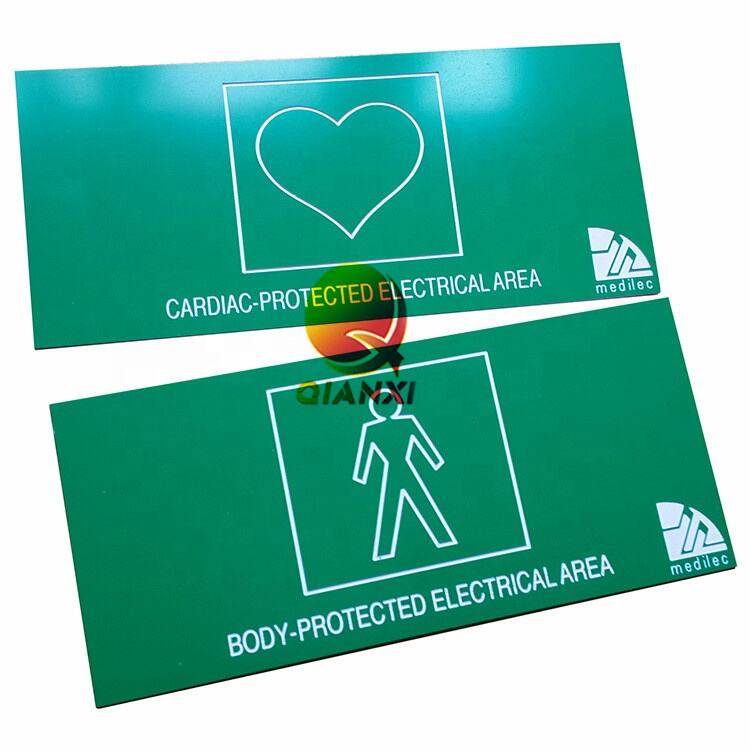
The installation process involves several critical steps that must be executed in proper sequence to ensure the traffolyte nameplate bonds securely to the target surface. Each step builds upon the previous one, creating the foundation for reliable performance in demanding industrial environments where temperature fluctuations, moisture, and mechanical stress are common challenges.
Surface Preparation Requirements
Initial Surface Assessment and Cleaning
The first step in traffolyte nameplate installation involves thoroughly assessing the mounting surface to determine its suitability and condition. The surface must be structurally sound, smooth, and free from defects that could compromise adhesion. Remove any existing labels, adhesive residue, paint chips, or surface contamination using appropriate solvents or mechanical methods.
Clean the mounting area using degreasing agents specifically designed for the substrate material, whether it is metal, plastic, or composite. Allow adequate drying time after cleaning to ensure no solvent residue remains that could interfere with the adhesive bond. The surface temperature should be within the recommended range specified by the traffolyte nameplate manufacturer, typically between 50°F and 100°F during installation.
Surface Texture and Porosity Considerations
Evaluate the surface texture to ensure it provides adequate contact area for the adhesive. Extremely smooth surfaces may require light abrasion using fine-grit sandpaper to create mechanical bonding sites. Conversely, highly textured or porous surfaces may need filling or sealing to create a uniform mounting plane that prevents air entrapment beneath the traffolyte nameplate.
Test the surface for oil absorption or contamination by applying a small amount of water. If the water beads consistently, the surface is likely clean and ready for installation. If water absorption occurs unevenly, additional cleaning or surface preparation may be necessary to achieve uniform adhesion characteristics across the entire mounting area.
Positioning and Alignment Procedures
Layout Marking and Reference Points
Establish precise reference points for traffolyte nameplate placement using measuring tools and temporary marking methods that won't damage the prepared surface. Create alignment guides using removable tape or lightweight templates that correspond to the nameplate dimensions and mounting requirements. This step prevents repositioning after initial contact, which can compromise adhesive effectiveness.
Consider the viewing angle and accessibility requirements when determining final position. The traffolyte nameplate should be positioned where it remains clearly visible during normal equipment operation while avoiding areas subject to frequent contact, cleaning, or maintenance activities that could cause premature wear or damage.
Dry Fitting and Final Position Verification
Perform a dry fitting procedure by holding the traffolyte nameplate in position without removing the adhesive backing. Verify that the placement meets visibility, clearance, and aesthetic requirements before proceeding with permanent installation. Check for interference with existing components, labels, or operational elements that might affect functionality or appearance.
Document the final position using photographs or dimensional measurements for future reference, especially when installing multiple nameplates that must maintain consistent spacing and alignment. This documentation proves valuable for replacement or additional installations that require matching the existing layout pattern.
Adhesive Application and Bonding Process
Backing Removal and Initial Contact
Remove the protective backing from the traffolyte nameplate adhesive layer carefully to avoid contaminating the sticky surface or creating wrinkles in the backing material. Work in a clean environment to prevent dust or debris from settling on the exposed adhesive, which could create weak spots or visible imperfections in the final installation.
Position the nameplate at a slight angle to the final mounting position, then lower it gradually to make initial contact at one edge. This technique helps eliminate air bubbles and ensures even pressure distribution across the entire adhesive area. Avoid allowing the full nameplate to contact the surface simultaneously, as this approach increases the likelihood of air entrapment.
Pressure Application and Air Bubble Elimination
Apply firm, even pressure across the entire traffolyte nameplate surface using a smooth tool such as a plastic squeegee or soft roller. Work from the center outward in overlapping strokes to ensure complete adhesive contact and eliminate any trapped air. Pay particular attention to edges and corners, which are critical for preventing moisture infiltration and ensuring long-term durability.
Check for air bubbles by viewing the nameplate from different angles under adequate lighting. Small bubbles can often be worked out toward the nearest edge using gentle pressure and circular motions. Larger bubbles may require lifting a corner of the traffolyte nameplate to allow air escape, then reapplying pressure to achieve proper bonding.
Curing and Quality Verification Steps
Initial Cure Time and Environmental Conditions
Allow the traffolyte nameplate adhesive to develop initial bond strength according to manufacturer specifications, typically requiring 24 to 48 hours at normal room temperature. During this curing period, protect the installation from excessive moisture, temperature extremes, and mechanical stress that could disrupt the bonding process.
Monitor environmental conditions during the curing period to ensure they remain within acceptable parameters. High humidity can slow adhesive curing, while extremely low humidity may cause rapid solvent evaporation that results in incomplete bonding. Temperature fluctuations during curing can create internal stress that compromises long-term adhesion performance.
Final Inspection and Performance Testing
Conduct a comprehensive visual inspection after the initial cure period to verify that the traffolyte nameplate remains properly positioned and shows no signs of lifting, bubbling, or edge separation. Check the engraved text or graphics for clarity and confirm that the installation meets all specified requirements for appearance and functionality.
Perform gentle edge testing by applying light pressure to nameplate corners and edges to confirm adequate adhesion. The traffolyte nameplate should feel firmly bonded without any detectable movement or flexibility at the mounting interface. Document the installation date and any relevant environmental conditions for maintenance planning and warranty tracking purposes.
FAQ
What tools are required for proper traffolyte nameplate installation?
Essential tools include cleaning solvents, lint-free cloths, measuring instruments, alignment guides, application squeegee or roller, and sharp cutting tools if trimming is required. Additional tools may include fine sandpaper for surface preparation and temperature measurement devices to verify suitable installation conditions.
How long should I wait before exposing the installed traffolyte nameplate to harsh conditions?
Allow a minimum of 72 hours for full adhesive cure before exposing the traffolyte nameplate to extreme temperatures, chemicals, or mechanical stress. While initial handling strength develops within 24 hours, maximum bond strength requires several days to achieve optimal performance in demanding industrial environments.
Can traffolyte nameplates be repositioned after initial installation?
Repositioning is generally not recommended once the traffolyte nameplate contacts the mounting surface, as this can compromise adhesive integrity and create weak spots. If repositioning becomes necessary, carefully lift the nameplate immediately after contact while the adhesive remains workable, then clean and prepare both surfaces before attempting reinstallation.
What should I do if air bubbles appear under the traffolyte nameplate after installation?
Small air bubbles can often be eliminated by applying firm pressure and working them toward the nearest edge using circular motions. For larger bubbles, carefully lift the affected area, allow air to escape, then reapply pressure to restore proper bonding. If bubbles persist, the nameplate may need to be removed and reinstalled with fresh adhesive.
Table of Contents
- Surface Preparation Requirements
- Positioning and Alignment Procedures
- Adhesive Application and Bonding Process
- Curing and Quality Verification Steps
-
FAQ
- What tools are required for proper traffolyte nameplate installation?
- How long should I wait before exposing the installed traffolyte nameplate to harsh conditions?
- Can traffolyte nameplates be repositioned after initial installation?
- What should I do if air bubbles appear under the traffolyte nameplate after installation?