 EN
EN

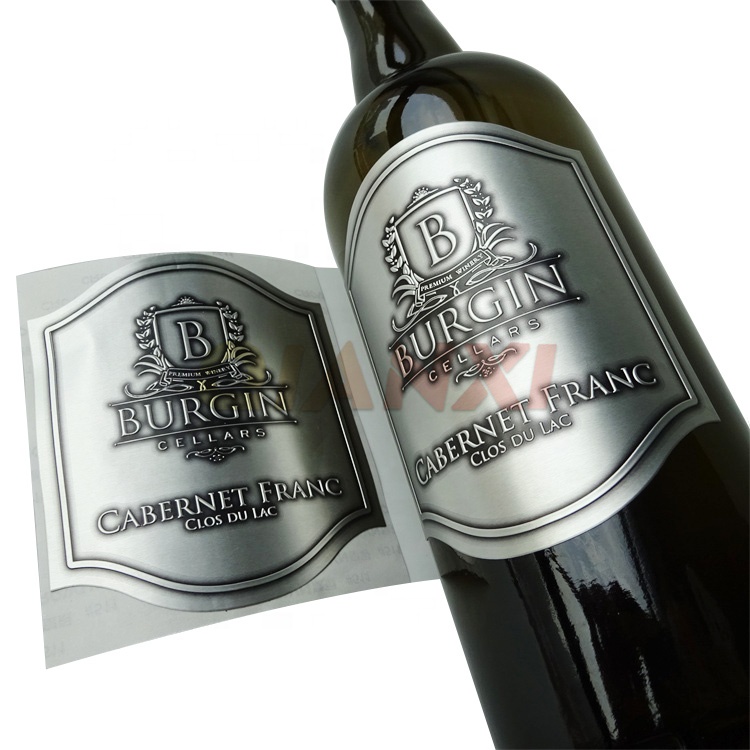
Finding the right source for metallic stickers has become increasingly important for businesses looking to enhance their brand visibility and product appeal. Whether you need metallic stickers for product branding, promotional campaigns, or decorative applications, the quality and source you choose directly impact your brand perception. In 2026, the market for metallic stickers has expanded significantly, offering both opportunities and challenges for procurement professionals seeking reliable suppliers of quality metallic stickers.
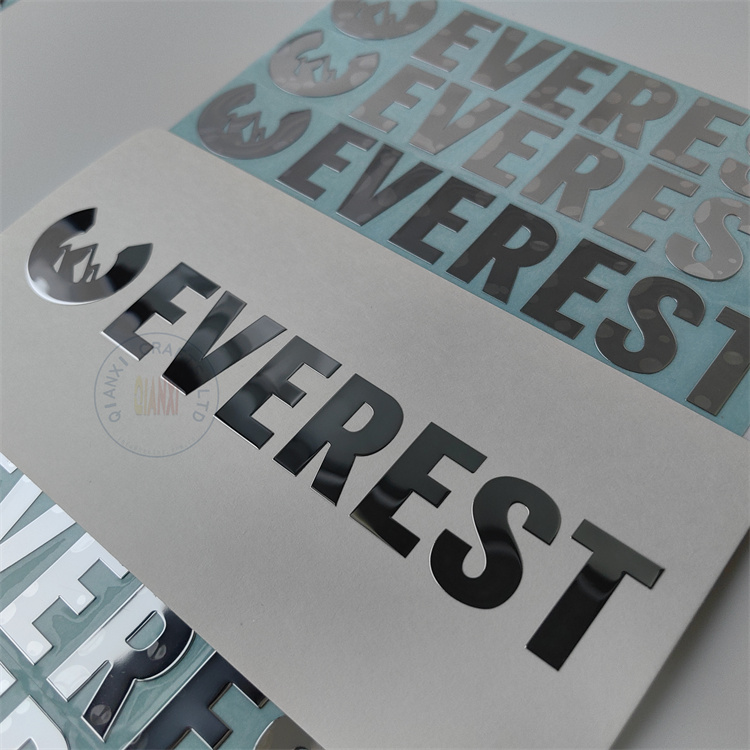
The process of sourcing metallic stickers requires understanding material specifications, production capabilities, and supplier reliability. Quality metallic stickers deliver superior durability, vibrant appearance, and professional finish compared to standard alternatives. This comprehensive guide walks you through the essential considerations for purchasing quality metallic stickers and identifies the most effective purchasing channels available today.
Understanding Quality Standards for Metallic Stickers
Material Composition and Durability
Quality metallic stickers begin with superior material selection and manufacturing processes. Premium metallic stickers incorporate electroplated or electroformed substrates that provide exceptional durability and authentic metal appearance. The material thickness, adhesive strength, and protective coating all contribute to how well metallic stickers perform in demanding environments. When evaluating suppliers, verify that their metallic stickers meet industry standards for UV resistance, moisture protection, and longevity in outdoor applications.
The distinction between standard and premium metallic stickers lies in their construction methodology. High-quality metallic stickers utilize multiple layers of materials, including nickel plating, chrome finishes, or gold accents that enhance both aesthetics and functional performance. Professional-grade metallic stickers resist fading, peeling, and environmental degradation far better than budget alternatives. Businesses investing in quality metallic stickers benefit from reduced replacement rates and enhanced brand representation across product lines.
Aesthetic and Functional Features
Premium metallic stickers offer distinct visual characteristics that set them apart from conventional options. The three-dimensional relief, metallic sheen, and dimensional depth of quality metallic stickers create immediate visual impact and professional appearance. These features make metallic stickers ideal for luxury brands, automotive applications, and high-end consumer products. The adhesive systems used in quality metallic stickers provide secure attachment without residue or damage to underlying surfaces.
Specialized finishes available in metallic stickers include brushed metal effects, mirrored surfaces, and color-shifting applications. These advanced options distinguish quality metallic stickers from basic alternatives and provide competitive differentiation. When sourcing metallic stickers for specific applications, understanding the aesthetic requirements alongside durability needs ensures optimal results and customer satisfaction.
Key Purchasing Channels for Quality Metallic Stickers
Direct Manufacturer Sourcing
Purchasing directly from manufacturers represents one of the most reliable approaches for obtaining quality metallic stickers. Direct relationships with metallic stickers producers offer transparency regarding material specifications, production processes, and quality control measures. Manufacturers specializing in metallic stickers typically provide customization capabilities, allowing you to specify exact materials, dimensions, and branding requirements. This channel eliminates intermediaries and often provides competitive pricing for volume purchases of metallic stickers.
Established manufacturers of metallic stickers maintain certifications and quality standards that ensure consistency across production runs. When working directly with producers of metallic stickers, you gain access to technical expertise regarding optimal material selection for your specific application. Many manufacturers offering metallic stickers provide sample testing, allowing you to evaluate durability before committing to full production orders. This direct approach works particularly well for businesses requiring consistent quality metallic stickers over extended timeframes.
Specialized Industrial Suppliers
Industrial suppliers focusing on decorative labeling and branding solutions offer curated selections of quality metallic stickers from vetted manufacturers. These suppliers maintain inventory of premium metallic stickers, enabling faster turnaround times compared to direct manufacturing relationships. Specialized distributors of metallic stickers provide valuable consultation services, helping you navigate material options and technical specifications. Their expertise in sourcing metallic stickers across multiple applications streamlines the procurement process significantly.
Established industrial suppliers typically maintain relationships with top-tier metallic stickers producers, ensuring access to superior products. These distributors conduct rigorous quality vetting of metallic stickers before inventory acceptance, providing confidence in material standards. When purchasing through industrial suppliers, you benefit from standardized quality guarantees and responsive customer service specifically trained in metallic stickers specifications and applications.
Online B2B Marketplaces and E-Commerce Platforms
Digital marketplaces have revolutionized access to quality metallic stickers, connecting buyers directly with manufacturers and distributors worldwide. These platforms enable detailed comparison of metallic stickers specifications, pricing, and customer reviews from multiple suppliers simultaneously. Online sourcing of metallic stickers provides flexibility for both small businesses and large enterprises seeking diverse options. Filter functions allow rapid identification of metallic stickers meeting your specific requirements regarding material composition, adhesive type, and customization capabilities.
Reputable B2B platforms implement seller verification processes that help identify reliable sources of quality metallic stickers. Customer feedback and ratings provide real-world insights into metallic stickers performance across various applications. These digital channels offer competitive pricing through transparent bidding processes, though quality verification requires careful attention to supplier credentials and product specifications of metallic stickers.
Selection Criteria and Decision Factors
Evaluating Supplier Credibility and Capabilities
Credible suppliers of metallic stickers demonstrate established manufacturing track records, industry certifications, and transparent quality documentation. Verify that potential suppliers maintain quality management systems specific to metallic stickers production, such as ISO certifications or industry-specific accreditations. Request references from existing clients who have purchased metallic stickers from your candidate suppliers. Evaluate their capacity to handle your volume requirements while maintaining consistent quality standards across metallic stickers production.
Technical expertise distinguishes superior suppliers of metallic stickers from basic service providers. Ask potential suppliers detailed questions regarding material sourcing, production processes, quality control protocols, and durability testing for metallic stickers. Experienced suppliers of metallic stickers offer proactive recommendations for optimizing your specification based on your application and budget constraints. This consultative approach ensures you receive metallic stickers specifically suited to your business needs.
Cost Structure and Volume Optimization
Pricing for metallic stickers varies significantly based on material composition, customization complexity, and order volume. Understanding cost drivers helps you negotiate effectively and identify optimal purchasing strategies for metallic stickers. Most suppliers structure pricing with volume discounts, making larger orders of metallic stickers more economical per unit. Calculate your total cost of ownership, including customization, shipping, and potential waste, when evaluating metallic stickers pricing proposals.
Strategic bulk purchasing of metallic stickers often provides substantial savings while ensuring consistent supply for extended periods. Negotiate terms directly with suppliers regarding metallic stickers pricing, lead times, and quality guarantees. Build long-term relationships with reliable suppliers to secure preferential pricing on future metallic stickers orders. This approach stabilizes your procurement costs while guaranteeing access to quality metallic stickers when you need them.
FAQ
What distinguishes premium metallic stickers from standard alternatives?
Premium metallic stickers feature superior material composition, including electroplated or electroformed substrates that provide authentic metal appearance and exceptional durability. Quality metallic stickers incorporate multiple protective layers, UV-resistant coatings, and advanced adhesive systems that standard options lack. The dimensional depth, metallic sheen, and three-dimensional relief of quality metallic stickers create professional aesthetics that standard versions cannot match. Premium metallic stickers resist environmental degradation, fading, and peeling far more effectively than budget alternatives, making them ideal for long-term brand applications.
How long does the procurement process typically take for custom metallic stickers?
Lead times for metallic stickers vary based on supplier location, customization complexity, and current production capacity. Direct manufacturing of metallic stickers typically requires 2 to 8 weeks from design approval to delivery, depending on specification complexity. Stock inventory of metallic stickers from distributors can be obtained within days or weeks. Rush production options for metallic stickers exist but often incur premium charges. Communicating your timeline requirements early when sourcing metallic stickers allows suppliers to optimize scheduling and provide realistic delivery dates.
What quality assurances should I request when purchasing metallic stickers?
Reputable suppliers of metallic stickers provide written quality guarantees specifying durability standards, material specifications, and adhesive performance. Request certificates of conformity, material composition documentation, and UV resistance test results for metallic stickers. Inspect sample batches before accepting full production runs of metallic stickers. Many suppliers offer satisfaction guarantees that address premature adhesive failure or material degradation in metallic stickers. Documentation of quality control protocols and testing methodologies demonstrates supplier commitment to delivering consistently excellent metallic stickers.