ألواح تعريفية من الفولاذ المقاوم للصدأ
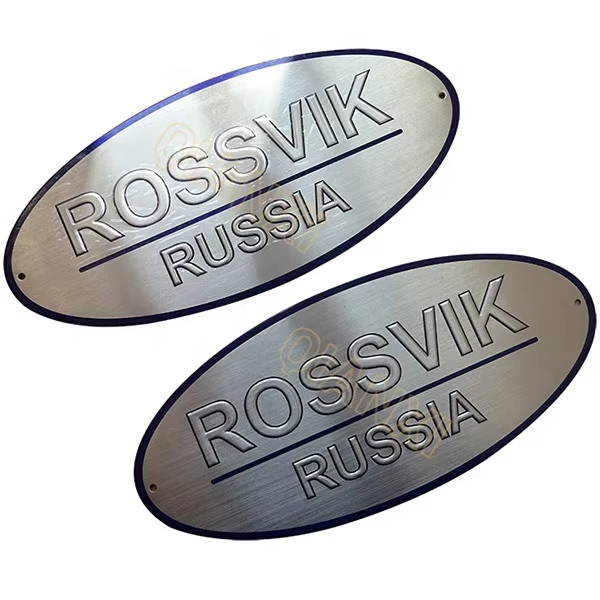
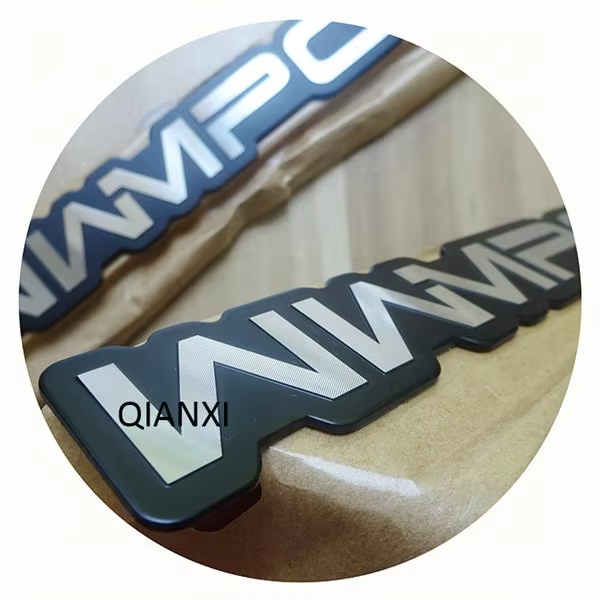
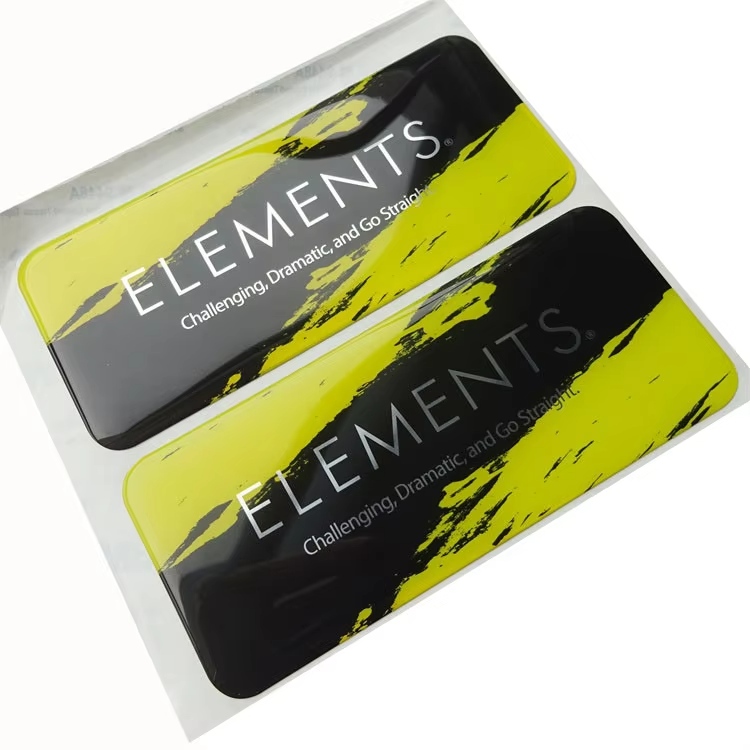
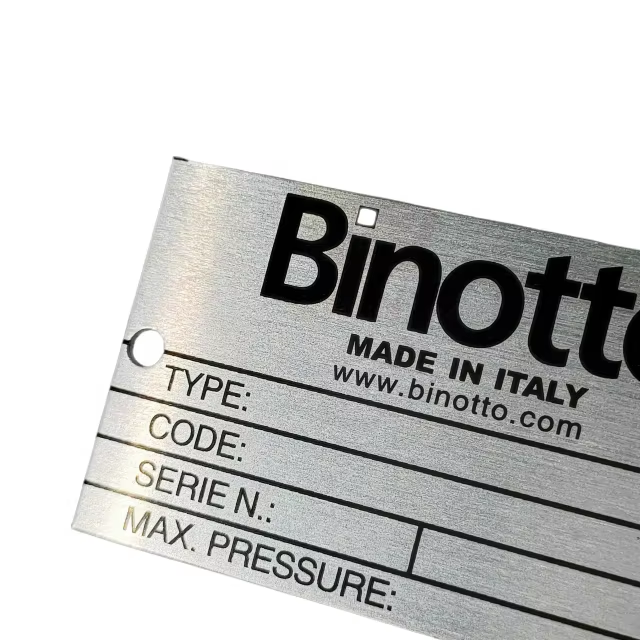
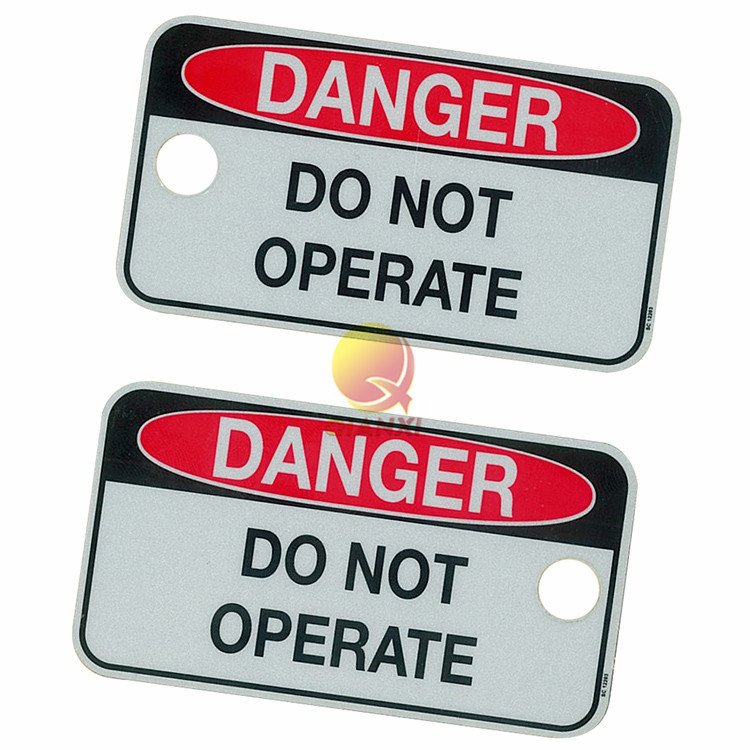
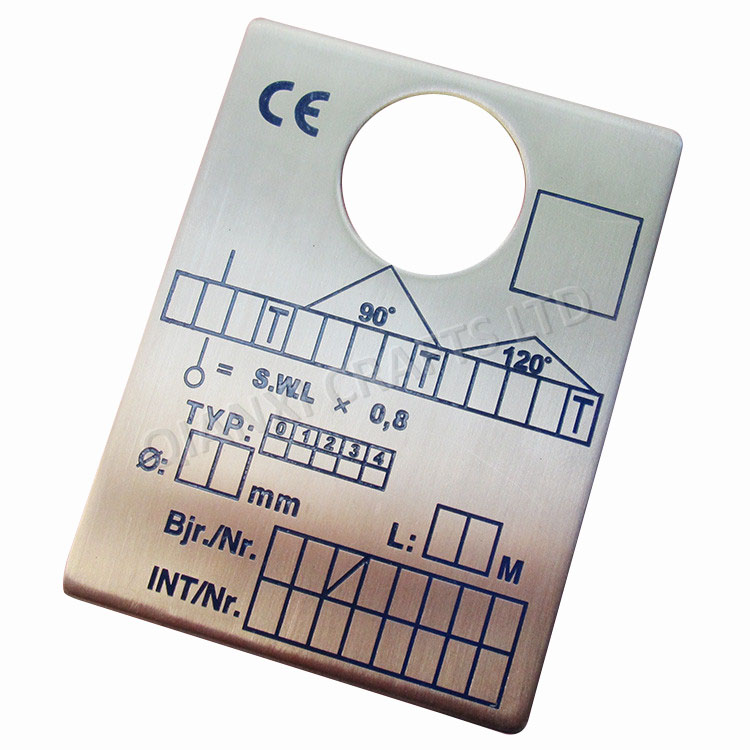
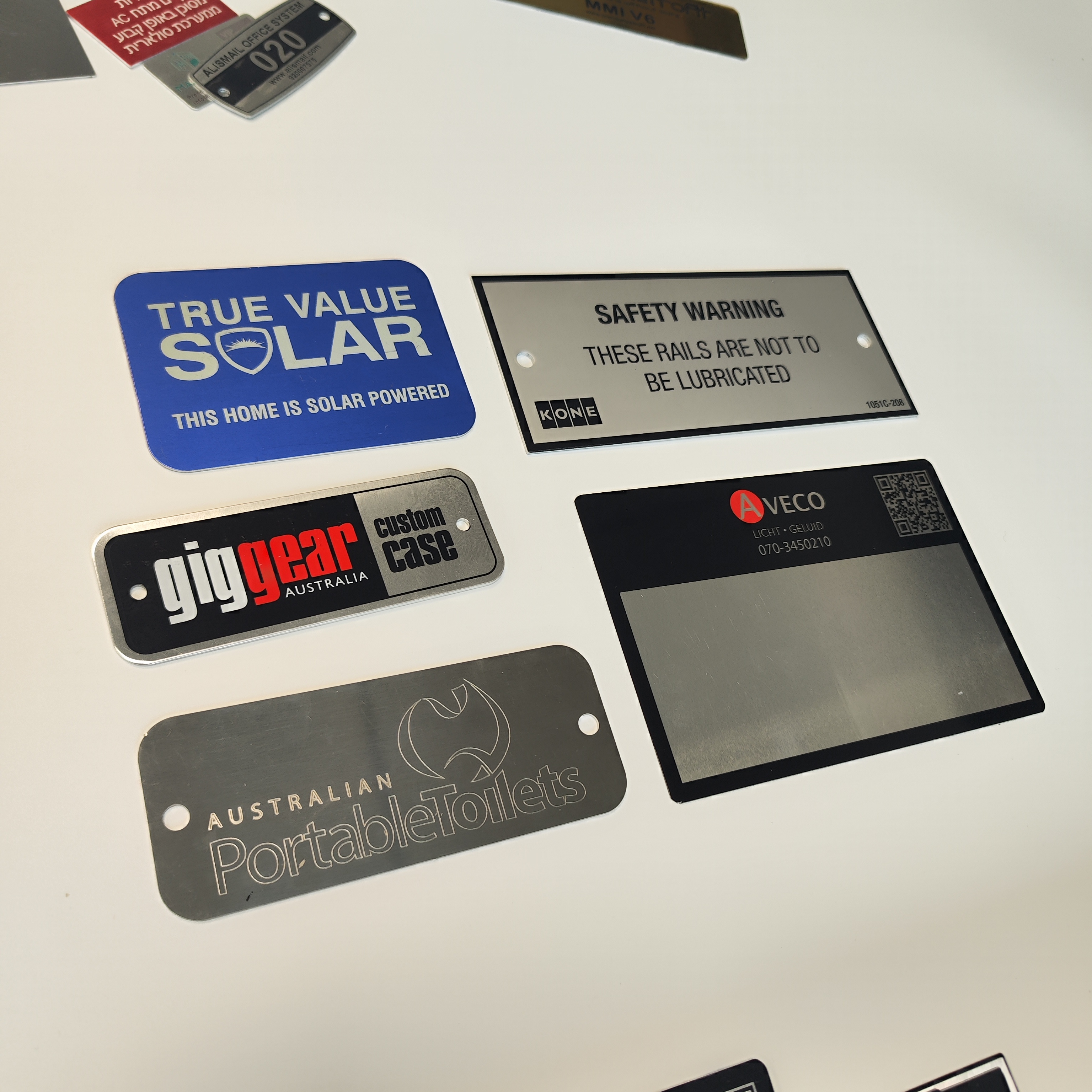
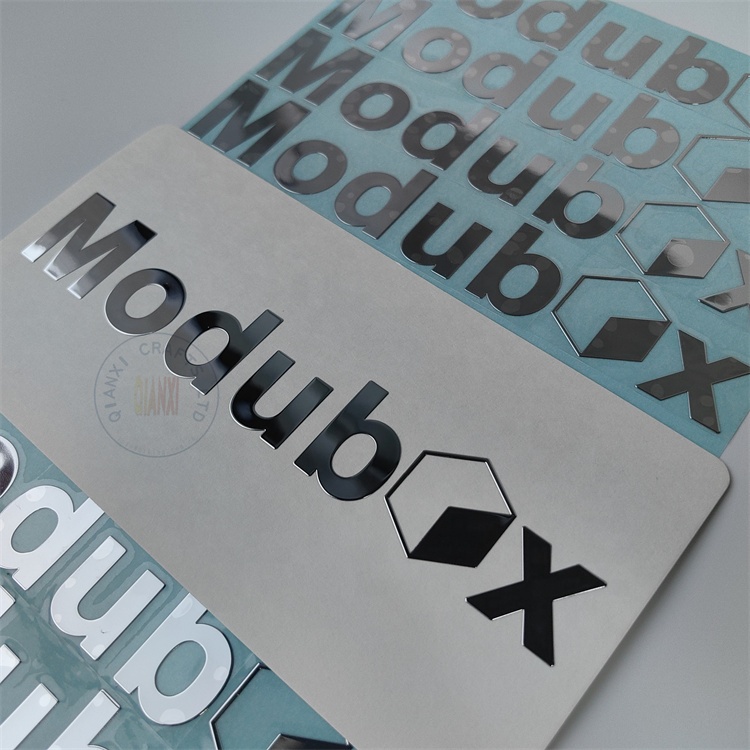
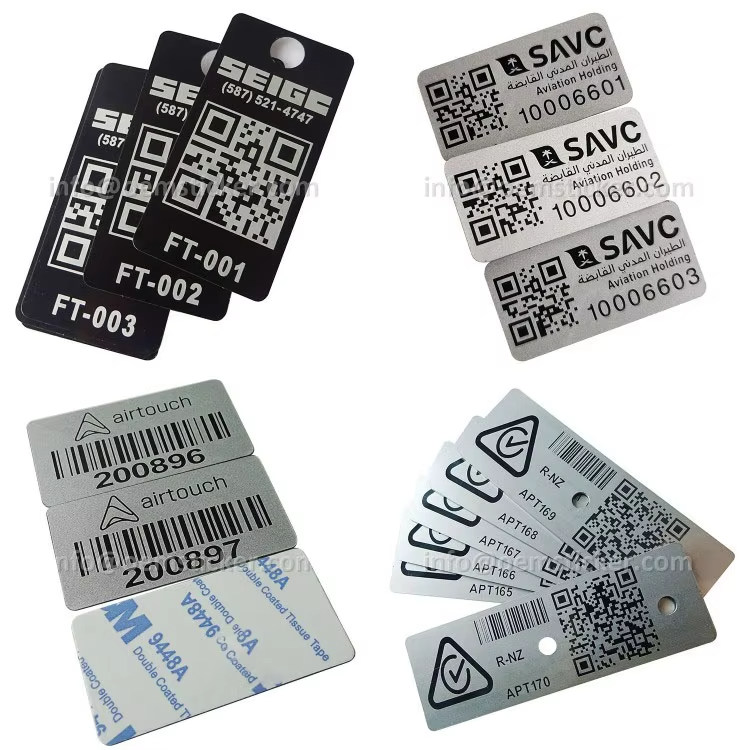
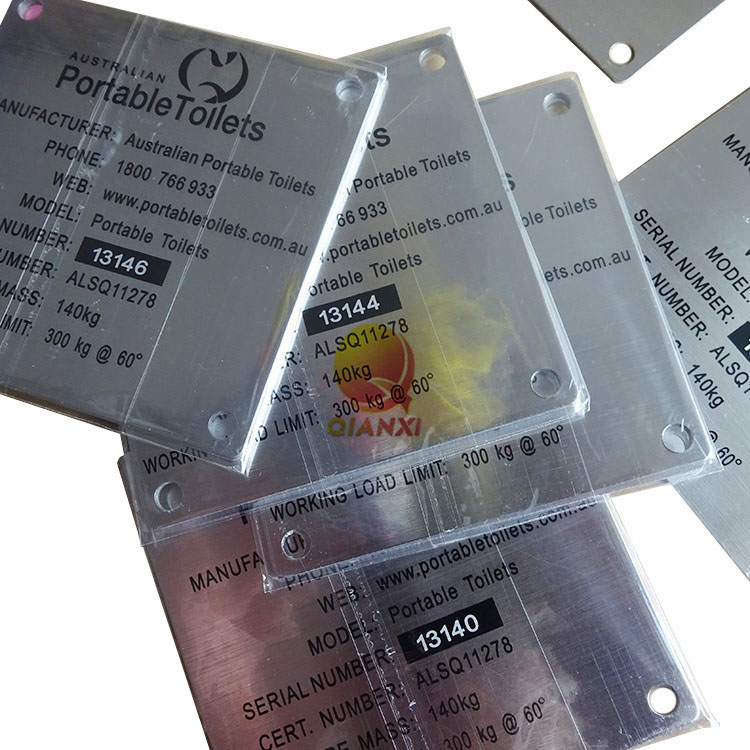
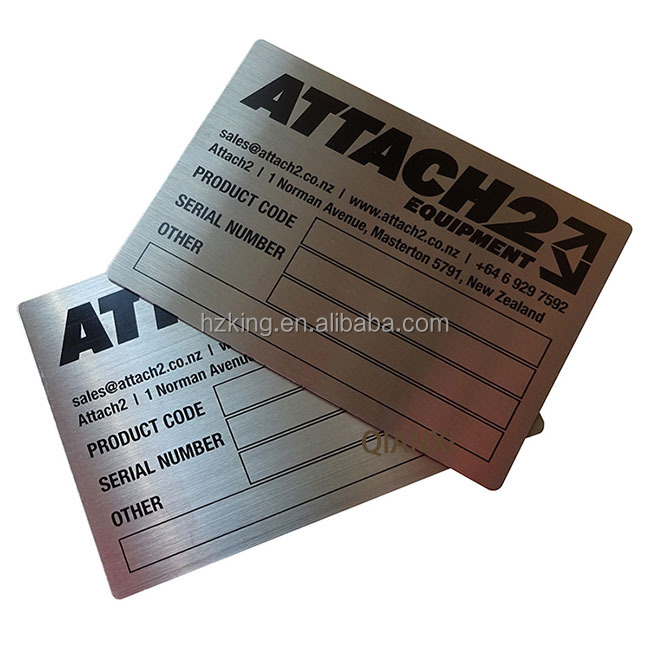
لُوحات الأسماء المصنوعة من الفولاذ المقاوم للصدأ هي علامات تعريفية متينة مصممة لعرض المعلومات المهمة على المعدات والآلات والمنتجات. وتُعتبر هذه اللوحات المصنوعة من الفولاذ المقاوم للصدأ تسميات دائمة تتحمل الظروف البيئية القاسية مع الحفاظ على وضوح القراءة والمظهر المهني. ومن الوظائف الأساسية لهذه اللوحات تحديد المنتجات، وتمثيل العلامة التجارية، والامتثال لمتطلبات السلامة، وعرض المواصفات الفنية. وتُصنع هذه اللوحات من فولاذ مقاوم للصدأ عالي الجودة، ما يجعلها مقاومة للتآكل والصدأ والتدهور في البيئات الصناعية الشديدة. وتتميز لوحات الأسماء المصنوعة من الفولاذ المقاوم للصدأ بقدرات تكنولوجية متقدمة تشمل النقش الدقيق، والتنقش، والتجليخ، وهي تقنيات تُنتج علامات دائمة لا يمكن التلاعب بها. أما التشطيبات السطحية المتاحة لهذه اللوحات فتشمل التشطيب المصقول، والمشغول بالفرشاة، والحريري، والمرآتي، لتلبية احتياجات جمالية متنوعة. وتطبق لوحات الأسماء المصنوعة من الفولاذ المقاوم للصدأ في قطاعات صناعية واسعة تشمل مرافق التصنيع، ومصانع المواد الكيميائية، وصناعات السيارات، والمعدات الطبية، والتركيبات الكهربائية. كما تعمل هذه اللوحات بكفاءة في درجات الحرارة القصوى، والبيئات الرطبة، والجو corrosive حيث تفشل المواد القياسية. ويضمن تصنيع لوحات الأسماء عالية الجودة من الفولاذ المقاوم للصدأ استمرار وضوح القراءة طوال عمر المنتج التشغيلي. وتدعم هذه اللوحات الامتثال التنظيمي من خلال عرض الشهادات المطلوبة، وأرقام التسلسل، والتحذيرات الخاصة بالسلامة. وبفضل متانتها، تُعد لوحات الأسماء المصنوعة من الفولاذ المقاوم للصدأ مثالية للتركيبات الخارجية، والتطبيقات البحرية، ومعدات معالجة الأغذية، حيث يُعد طول العمر عنصراً أساسياً. وتختار المؤسسات هذه اللوحات لما تتمتع به من موثوقية، ومظهر احترافي، وقيمة طويلة الأمد.
 EN
EN