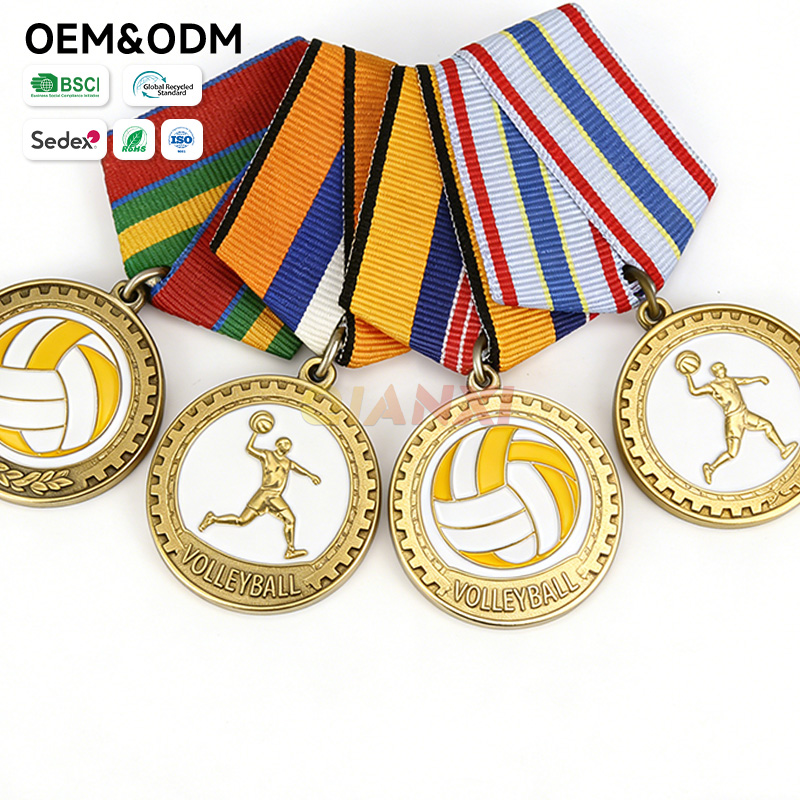
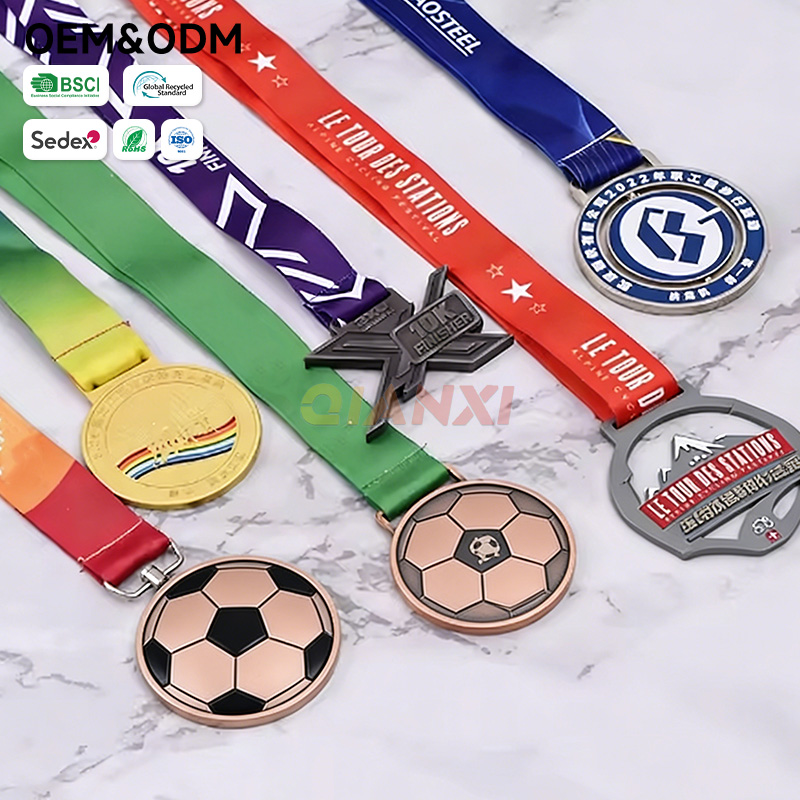
custom made medals
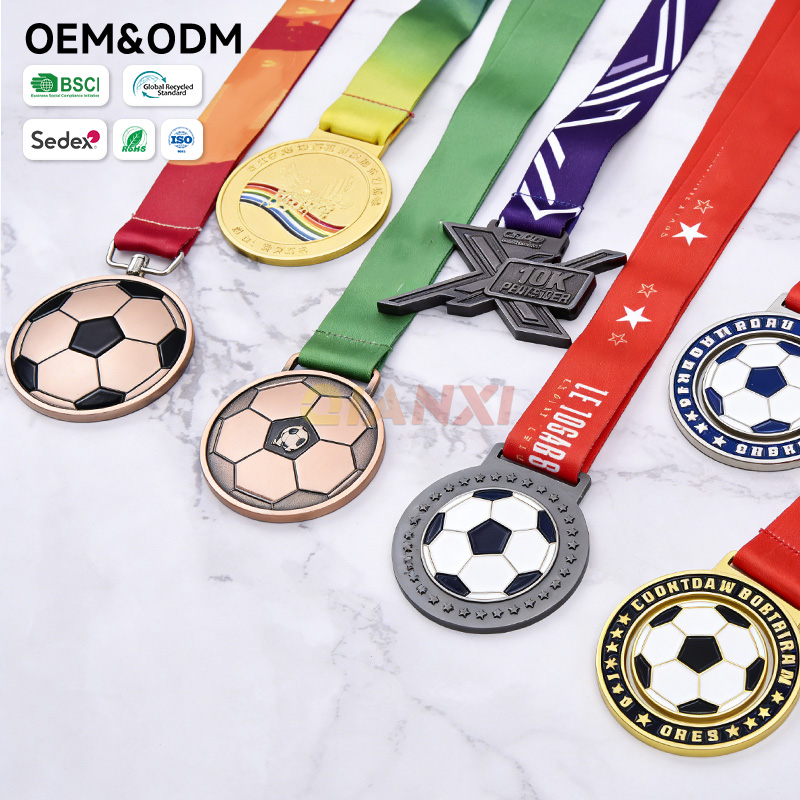
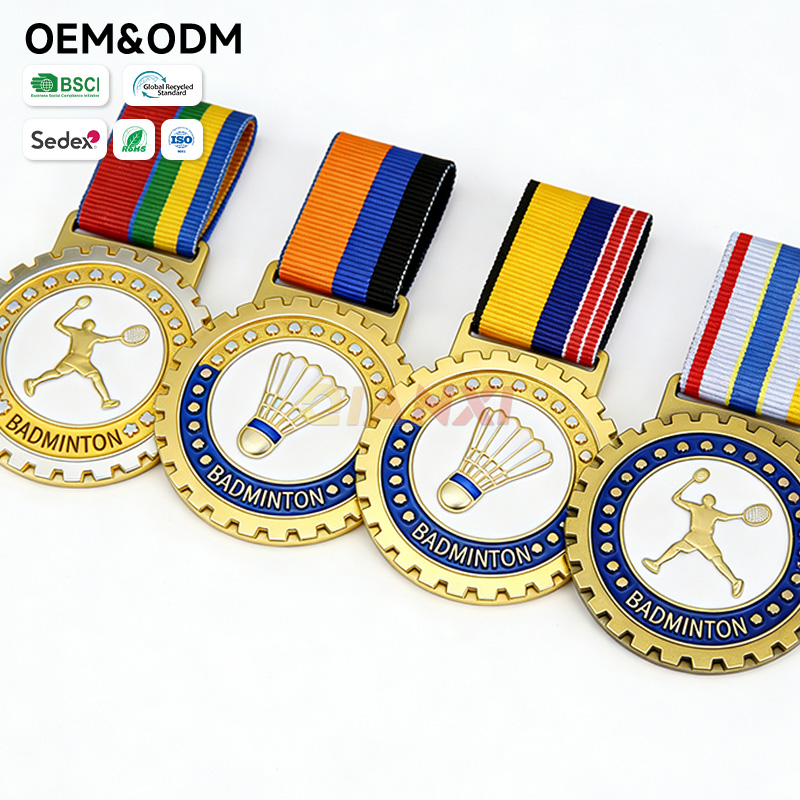
Custom made medals represent a powerful recognition tool designed to celebrate achievements, honor accomplishments, and motivate excellence across various competitive and professional environments. These personalized awards combine aesthetic appeal with meaningful personalization, making them ideal for organizations seeking to create lasting impressions. Custom made medals feature precision manufacturing techniques that ensure exceptional quality and durability. Each medal incorporates advanced design capabilities, allowing for detailed customization including custom ribbons, unique engravings, and branded messaging that reflects your organization's identity. The technological features of custom made medals include high-resolution printing, three-dimensional sculpting, and premium material selection ranging from zinc alloy to solid bronze. Organizations utilize custom made medals in corporate recognition programs, academic competitions, military ceremonies, athletic events, and charitable fundraisers. The applications extend to employee achievement awards, tournament victories, educational milestones, and community service recognition. Custom made medals serve as tangible symbols of accomplishment that recipients treasure for years. These awards effectively communicate organizational values and commitment to recognizing excellence. The production process accommodates batch orders of any size, from small corporate recognition initiatives to large-scale competitive events. Custom made medals offer flexibility in design, quantity, and budget requirements, making them accessible solutions for diverse organizational needs and purposes.
 EN
EN