 EN
EN

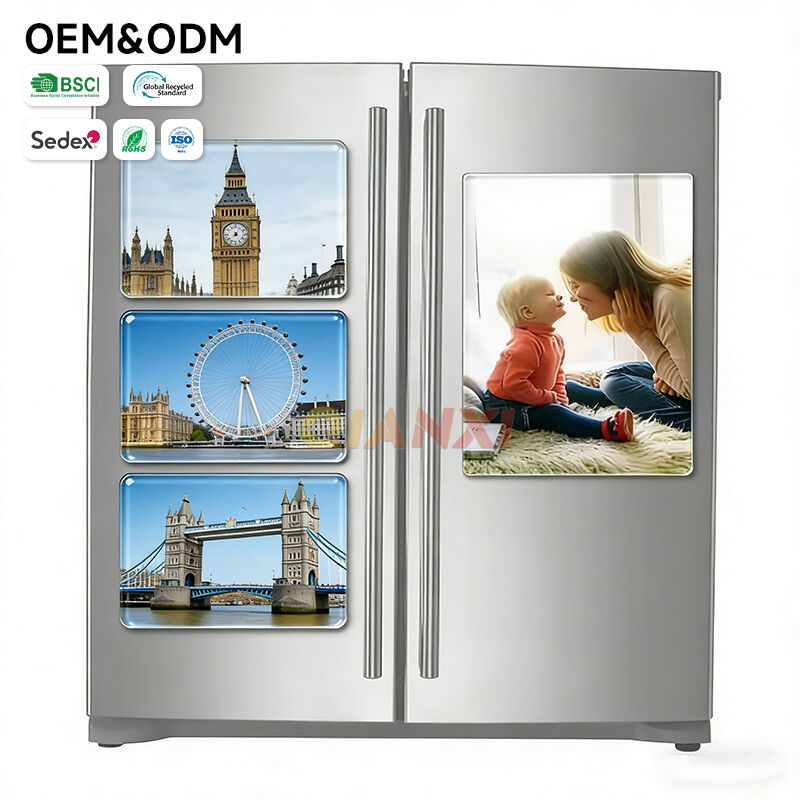
Wybierając etykiety samoprzylepne do celów brandingowych, identyfikacji produktu lub dekoracyjnych, zrozumienie podstawowych różnic między naklejkami żywicznymi a naklejkami winylowymi staje się kluczowe dla podejmowania świadomych decyzji. Oba materiały pełnią podobne podstawowe funkcje, ale różnią się wyraźnie pod względem trwałości, wyglądu, kosztu oraz odpowiedniości do konkretnych zastosowań. Naklejka żywiczna zapewnia premiumowy, trójwymiarowy wygląd o wyjątkowej przejrzystości i głębi, podczas gdy naklejki winylowe oferują wszechstranność i opłacalność w szerokim zakresie zastosowań.
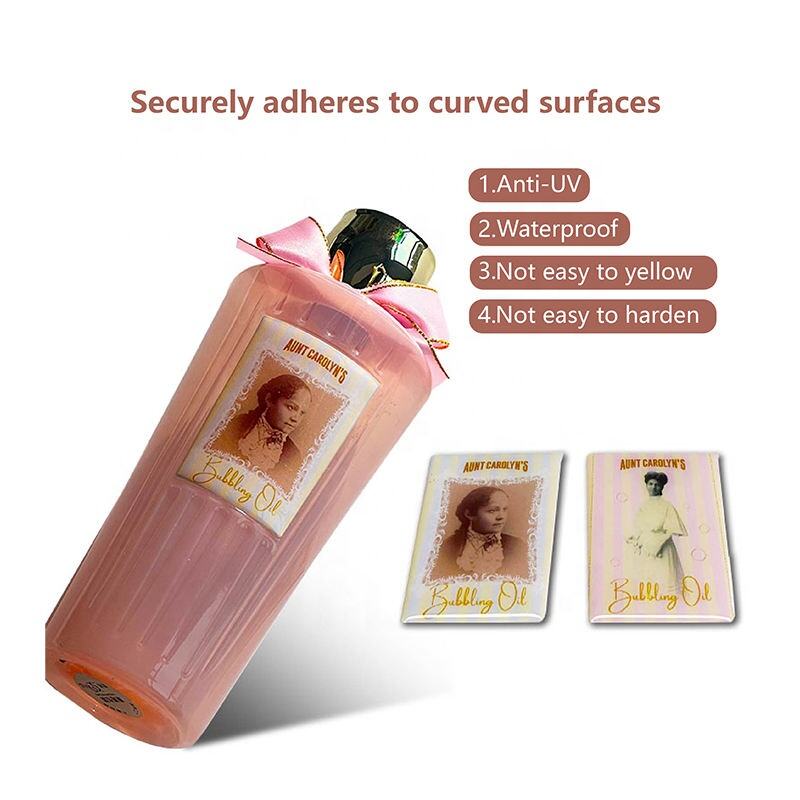
Porównanie tych dwóch technologii naklejek ujawnia istotne różnice w procesach produkcyjnych, właściwościach materiałów oraz charakterystykach wydajnościowych, które bezpośrednio wpływają na ich przydatność w konkretnych zastosowaniach biznesowych. Zrozumienie tych różnic umożliwia przedsiębiorstwom wybór najbardziej odpowiedniego rozwiązania klejącego, dostosowanego do ich konkretnych wymagań dotyczących estetyki, trwałości, odporności na czynniki środowiskowe oraz ograniczeń budżetowych. Niniejsza kompleksowa analiza omawia kluczowe czynniki różnicujące naklejki żywiczne i alternatywy winylowe, aby wspierać proces doboru materiału.
Różnice w składzie materiału i procesie produkcji
Konstrukcja i właściwości naklejek żywicznych
Naklejka żywiczna wykorzystuje zaawansowaną konstrukcję wielowarstwową, która zaczyna się od podłoża drukowanego, zwykle wykonanego z poliestru lub winylu, na którym nanosi się projekt graficzny lub tekst. Nad tą warstwą bazową producenci nakładają przezroczystą kopułę z poliuretanu lub żywicy epoksydowej, która utwardza się, tworząc twardą, podobną do szkła powierzchnię. Ta warstwa żywiczna nadaje naklejkom charakterystyczny trójwymiarowy wygląd oraz wrażenie dotykowe, które odróżnia je od tradycyjnych, płaskich alternatyw.
Materiał żywiczny sam w sobie zapewnia wyjątkową przejrzystość optyczną, dzięki czemu grafiki umieszczone pod warstwą żywicy wyglądają żywo i ostro, a jednocześnie zwiększają wrażenie głębi. Proces utwardzania tworzy trwałe połączenie między kopułą żywiczną a podłożem drukowanym, co daje jednolitą strukturę odporną na odwarstwianie w normalnych warunkach eksploatacji. Ta metoda wykonania zapewnia naklejkę żywiczną o znacznie lepszej odporności na zadrapania oraz zwiększonej atrakcyjności wizualnej w porównaniu do tradycyjnych, płaskich naklejek.
Dokładność produkcji odgrywa kluczową rolę w jakości naklejek żywicznych, ponieważ proces nanoszenia kopuły wymaga starannego kontrolowania lepkości materiału, temperatury utwardzania oraz warunków środowiskowych. Wysokiej jakości naklejki żywiczne zachowują stałą grubość kopuły i doskonałą wyraźność krawędzi, zapewniając jednolity wygląd w całym cyklu produkcji. Specjalistyczne wyposażenie oraz kontrolowane środowisko wymagane do produkcji naklejek żywicznych przyczyniają się do wyższych kosztów produkcyjnych w porównaniu z konwencjonalnymi metodami drukowania.
Skład i produkcja naklejek winylowych
Naklejki winylowe wykorzystują chlorowaną winylową (PVC) jako główny materiał podłoża, który może być formułowany w różnych grubościach i stopniach elastyczności w zależności od zamierzonego zastosowania. Proces produkcji obejmuje zazwyczaj bezpośrednie drukowanie na podłożu winylowym za pomocą metod drukowania cyfrowego, sitodrukowego lub fleksograficznego, a następnie – w przypadku wymagania zwiększonej trwałości – nanoszenie ochronnej laminaty lub powłoki UV.
Materiał winylowy oferuje doskonałą nadrukowalność i zdolność reprodukcji kolorów, co czyni go odpowiednim do złożonych grafik, drobnej czcionki oraz intensywnych schematów kolorystycznych. Nowoczesne formuły winylu zawierają plastycznyzatory i stabilizatory, które poprawiają elastyczność, odporność na warunki atmosferyczne oraz właściwości przyczepności. Porównanie prostego procesu produkcyjnego umożliwia opłacalną produkcję naklejek winylowych zarówno w małych, jak i dużych ilościach, dzięki czemu są one dostępne dla różnorodnych zastosowań biznesowych.
Produkcja naklejek winylowych pozwala na zastosowanie różnych rodzajów wykończenia, w tym powierzchni matowych, połyskujących lub teksturanych, zapewniając elastyczność w realizacji konkretnych wymagań estetycznych. Właściwości samego materiału umożliwiają łatwe cięcie, usuwanie zbędnych fragmentów (weeding) oraz nanoszenie, co czyni naklejki winylowe odpowiednimi zarówno do aplikacji maszynowej, jak i ręcznego umieszczania w warunkach terenowych.
Porównanie trwałości i wydajności środowiskowej
Odporność na warunki atmosferyczne i długowieczność
Naklejka żywiczna charakteryzuje się doskonałą odpornością na warunki atmosferyczne dzięki swojej ochronnej konstrukcji w postaci kopuły, która tworzy skuteczną barierę przeciwko promieniowaniu UV, wilgoci, zmianom temperatury oraz działaniu czynników chemicznych. Powłoka żywiczna działa jako warstwa pośrednia, pochłaniająca obciążenia środowiskowe, jednocześnie chroniąc leżące pod nią elementy graficzne przed degradacją. Dzięki tej konstrukcji okres użytkowania naklejki żywicznej w zastosowaniach zewnętrznych wynosi zwykle od 5 do 10 lat lub więcej, w zależności od surowości warunków środowiskowych.
Stabilność wobec promieniowania UV stanowi szczególną zaletę wysokiej jakości naklejek żywicznych, ponieważ formuły poliuretanowe lub epoksydowe zawierają stabilizatory UV zapobiegające żółknięciu, pękaniu lub utracie przejrzystości optycznej przy długotrwałym narażeniu na działanie światła słonecznego. Konstrukcja w postaci kopuły zapewnia również doskonałą odporność na cyklowanie termiczne, zachowując integralność przyczepności oraz wygląd w szerokim zakresie temperatur, przy których inne materiały stosowane w naklejkach mogą ulec uszkodzeniu.
Odporność chemiczna różni się w zależności od formuły żywicy, jednak większość naklejek żywicznych charakteryzuje się dobrą odpornością na powszechnie stosowane środki czyszczące, oleje oraz łagodne kwasy lub zasady występujące w środowiskach przemysłowych. Nieprzepuszczalna powierzchnia utwardzonej żywicy ułatwia czyszczenie i zapobiega gromadzeniu się zanieczyszczeń, które mogłyby wpływać na wygląd lub higienę w zastosowaniach gastronomicznych lub medycznych.
Wydajność środowiskowa naklejek winylowych
Naklejki winylowe zapewniają umiarkowaną do dobrą odporność środowiskową, zależnie od konkretnej formuły winylu oraz warstw ochronnych stosowanych podczas produkcji. Standardowe materiały winylowe oferują umiarkowaną odporność na działanie promieni UV, ale mogą ulec blaknięciu barwy, degradacji materiału lub uszkodzeniu kleju po 2–5 latach ekspozycji na zewnątrz bez dodatkowych środków ochronnych.
Wysokowydajne formuły winylu, szczególnie te zaprojektowane do zastosowań motocyklowych lub architektonicznych, zawierają zaawansowane stabilizatory UV oraz dodatki odpornościowe na warunki atmosferyczne, które znacznie wydłużają ich trwałość. Te premium materiały winylowe mogą osiągać trwałość porównywalną z podstawowymi naklejkami żywicznymi, ale zwykle wiążą się one z wyższymi kosztami materiałowymi, zbliżonymi do poziomu cenowego naklejek żywicznych.
Płaska konstrukcja naklejek winylowych czyni je bardziej podatnymi na uszkodzenia mechaniczne spowodowane tarciem, zadrapaniami lub odrywaniem się krawędzi w porównaniu z ochronnym kopułkowym kształtem alternatywnych naklejek żywicznych. Naklejki winylowe umożliwiają jednak łatwiejszy naprawę lub wymianę w przypadku uszkodzenia, ponieważ płaska powierzchnia pozwala na czyste usunięcie i ponowne przyklejenie bez konieczności stosowania specjalistycznych narzędzi lub technik.
Cechy estetyczne i atrakcyjność wizualna
Wygląd trójwymiarowy i wrażenie premium
Kluczową cechą każdej naklejki żywicznej jest jej charakterystyczny wygląd trójwymiarowy, uzyskany dzięki wypukłej konstrukcji kopułkowej. Ta cecha przestrzenna zwiększa postrzeganą wartość produktu oraz jego pozycjonowanie jako towaru premium, co czyni naklejki żywiczne szczególnie popularnym rozwiązaniem w zastosowaniach brandingowych, gdzie istotne jest wrażenie wysokiej jakości. Efekt kopułki generuje naturalne akcenty świateł i cieni, które poprawiają czytelność elementów graficznych i tekstu w różnych warunkach oświetlenia.
Wrażenia dotykowe zapewniane przez naklejki żywiczne tworzą unikalne doświadczenie użytkownika, które wyróżnia produkty markowe wśród konkurencyjnych rozwiązań z wykorzystaniem tradycyjnych, płaskich etykiet. Gładka, podobna do szkła powierzchnia wydaje się masywna i trwała w dotyku, wzmacniając wrażenie wysokiej jakości oraz dbałości o szczegóły. Ta różnicująca właściwość zmysłowa okazuje się szczególnie wartościowa w środowiskach detalicznych, gdzie produkty rywalizują o uwagę i preferencje konsumentów.
Nasycenie kolorów i ich żywość wydają się wzmocnione pod kopułą z żywicy dzięki efektowi powiększającemu zakrzywionej powierzchni oraz wysokiej przejrzystości optycznej wysokiej jakości materiałów żywicznych. Grafiki wyglądają głębiej i bardziej intensywnie w porównaniu do tego samego projektu wydrukowanego na płaskich podłożach, co zapewnia dodatkowy wpływ wizualny wspierający strategie rozpoznawalności marki i różnicowania produktu.
Opcje wyglądu naklejek winylowych
Naklejki winylowe oferują szerokie możliwości personalizacji pod względem wykończenia powierzchni, w tym połyskujące, matowe, satynowe, imitujące szlifowany metal, holograficzne oraz teksturę symulującą różne materiały lub tworzącą określone efekty wizualne. Ta wszechstronność pozwala projektantom osiągać różnorodne cele estetyczne, zachowując przy tym opłacalność kosztową oraz wydajność produkcji.
Płaski profil naklejek winylowych sprawdza się w zastosowaniach, w których wymagana jest niska grubość lub gdy naklejka musi przylegać do powierzchni zakrzywionych lub nieregularnych bez tworzenia wystających krawędzi. Ta cecha czyni naklejki winylowe idealnym rozwiązaniem do stosowania na pojazdach, obudowach urządzeń lub produktach konsumenckich, gdzie ważna jest gładka integracja z istniejącymi powierzchniami.
Możliwości reprodukcji kolorów nowoczesnych systemów drukowania winylowego umożliwiają dokładne odtworzenie złożonych grafik, zdjęć oraz efektów gradientowych, które mogą być trudne do osiągnięcia przy użyciu procesów produkcyjnych naklejek żywicznych. Możliwość drukowania danych zmiennych, numeracji sekwencyjnej lub treści spersonalizowanych czyni naklejki winylowe odpowiednimi do zastosowań wymagających dostosowania indywidualnego lub funkcji śledzenia.
Zastosowanie i rozważania kosztowe
Optymalne zastosowania dla naklejek żywicznych
The naklejka z żywicy wyróżnia się w zastosowaniach, w których wysoka jakość wrażenia wizualnego, wyjątkowa trwałość oraz długotrwała wydajność uzasadniają wyższe początkowe inwestycje. Producentom sprzętu elektronicznego często wybierają naklejki żywiczne do oznaczania marek produktów, identyfikacji modeli oraz etykiet gwarancyjnych, ponieważ ich wymiarowa jakość przekazuje wrażenie wysokiej jakości, a trwałość odpowiada przewidywanemu cyklowi życia produktu.
Zastosowania motocyklowe i samochodowe stanowią kolejną dziedzinę, w której naklejki żywiczne odnoszą szczególne sukcesy, szczególnie jako znaczki, emblematy oraz etykiety identyfikacyjne, które muszą wytrzymać surowe warunki środowiskowe, zachowując przy tym integralność wyglądu. Odporność chemiczna i stabilność UV naklejek żywicznych czynią je odpowiednimi do zastosowań pod maską, na zewnętrznych powierzchniach pojazdów oraz w kontakcie z płynami użytkowymi i środkami czyszczącymi stosowanymi w motocyklach i samochodach.
Etykietowanie sprzętu przemysłowego korzysta z odporności i czytelności naklejek żywicznych, szczególnie w przypadku etykiet bezpieczeństwa, instrukcji obsługi oraz tabliczek identyfikacyjnych, które muszą pozostawać czytelne przez cały okres eksploatacji sprzętu. Wypukły profil takich naklejek zapewnia także możliwość identyfikacji dotykowej, co może być istotne w warunkach słabego oświetlenia lub trudnych do pracy środowiskach.
Zalety stosowania naklejek winylowych
Naklejki winylowe okazują się najbardziej opłacalne przy dużych nakładach, tymczasowych promocjach, kampaniach sezonowych oraz w sytuacjach, w których akceptowalna lub pożądana jest okresowa wymiana. Niższe koszty materiałów i produkcji czynią naklejki winylowe praktycznym rozwiązaniem w kampaniach marketingowych, promocji wydarzeń oraz zastosowaniach jednorazowych, gdzie trwałość odgrywa mniejszą rolę niż natychmiastowy wpływ wizualny.
Zgodność i elastyczność materiałów winylowych czynią te naklejki idealnym rozwiązaniem do stosowania na powierzchniach zakrzywionych, teksturanych podłożach oraz nieregularnych kształtach, gdzie sztywne kopułki z żywicy mogłyby nie przyczepić się prawidłowo. Grafika pojazdowa, sygnalizacja architektoniczna oraz oznaczanie sprzętu często wymagają elastyczności zapewnianej przez naklejki winylowe, aby zapewnić skuteczną instalację i długotrwałą wydajność.
Zaawansowane możliwości cięcia pozwalają na produkcję naklejek winylowych w skomplikowanych kształtach, wzorach i konfiguracjach, które byłyby niewykonalne lub niepraktyczne przy zastosowaniu procesów produkcyjnych naklejek z żywicy. Ta elastyczność wspiera kreatywne podejścia projektowe oraz zastosowania specjalistyczne, w których standardowe kształty prostokątne lub owalne są niewystarczające.
Często zadawane pytania
Jaka jest typowa różnica cenowa między naklejkami z żywicy a naklejkami winylowymi?
Naklejki żywiczne zazwyczaj kosztują 2–4 razy więcej niż porównywalne naklejki winylowe ze względu na specjalistyczne materiały, procesy produkcyjne oraz sprzęt wymagany do nanoszenia kopuły i utwardzania. Jednak dłuższa trwałość naklejek żywicznych zapewnia często lepszą całkowitą opłacalność w zastosowaniach trwałych, podczas gdy naklejki winylowe oferują lepszą wartość dla zastosowań tymczasowych lub tych, które są często zmieniane.
Czy naklejki żywiczne można stosować na powierzchniach zakrzywionych, tak jak naklejki winylowe?
Naklejki żywiczne mają ograniczoną zdolność dopasowania się do kształtu w porównaniu z elastycznymi naklejkami winylowymi i najlepiej sprawdzają się na powierzchniach płaskich lub łagodnie zakrzywionych. Sztywna konstrukcja kopuły uniemożliwia naklejkom żywicznym dopasowanie się do złożonych krzywizn, ostrych promieni zakrętów lub nieregularnych powierzchni, na których naklejki winylowe nadal mogą być skutecznie stosowane. W przypadku silnie zakrzywionych powierzchni elastyczne materiały winylowe zapewniają lepsze rezultaty montażu oraz długotrwałą przyczepność.
Jak porównuje się jakość druku i dostępne opcje kolorów dla obu materiałów?
Obe typy naklejek – z żywicy i winylowe – umożliwiają osiągnięcie doskonałej jakości druku i reprodukcji kolorów, ale za pomocą różnych mechanizmów. Naklejki winylowe oferują szerszy wybór opcji drukowania, w tym atramenty metaliczne, efekty specjalne oraz druk zmiennych danych. Naklejki z żywicy poprawiają wygląd wydrukowanych grafik dzięki efektom powiększenia i głębi tworzonym przez kopułkę, co sprawia, że kolory wydają się bardziej żywe, a grafiki – szczegółowsze.
Który typ naklejek jest lepszy do zastosowań zewnętrznych?
Naklejki z żywicy zapewniają zazwyczaj lepszą wydajność w zastosowaniach zewnętrznych dzięki ochronnej konstrukcji w postaci kopułki, która chroni grafiki przed promieniowaniem UV, warunkami atmosferycznymi oraz uszkodzeniami mechanicznymi. Wysokiej jakości naklejki z żywicy mogą trwać na zewnątrz od 5 do 10 lat, podczas gdy standardowe naklejki winylowe – od 2 do 5 lat. Jednak wysokiej klasy winylowe materiały przeznaczone do zastosowań zewnętrznych mogą zbliżać się do trwałości naklejek z żywicy, przy czym ich cena może przekraczać cenę podstawowych naklejek z żywicy.
Spis treści
- Różnice w składzie materiału i procesie produkcji
- Porównanie trwałości i wydajności środowiskowej
- Cechy estetyczne i atrakcyjność wizualna
- Zastosowanie i rozważania kosztowe
-
Często zadawane pytania
- Jaka jest typowa różnica cenowa między naklejkami z żywicy a naklejkami winylowymi?
- Czy naklejki żywiczne można stosować na powierzchniach zakrzywionych, tak jak naklejki winylowe?
- Jak porównuje się jakość druku i dostępne opcje kolorów dla obu materiałów?
- Który typ naklejek jest lepszy do zastosowań zewnętrznych?