 EN
EN

Choosing between a resin sticker and vinyl alternatives requires understanding the fundamental differences in material performance, visual appeal, and long-term durability. Many businesses default to vinyl labels without considering whether a resin sticker might better serve their specific application. The decision hinges on factors like environmental exposure, brand perception, tactile quality, and budget constraints. This guide explores when investing in a resin sticker makes strategic sense over traditional vinyl options and how to evaluate your unique requirements.
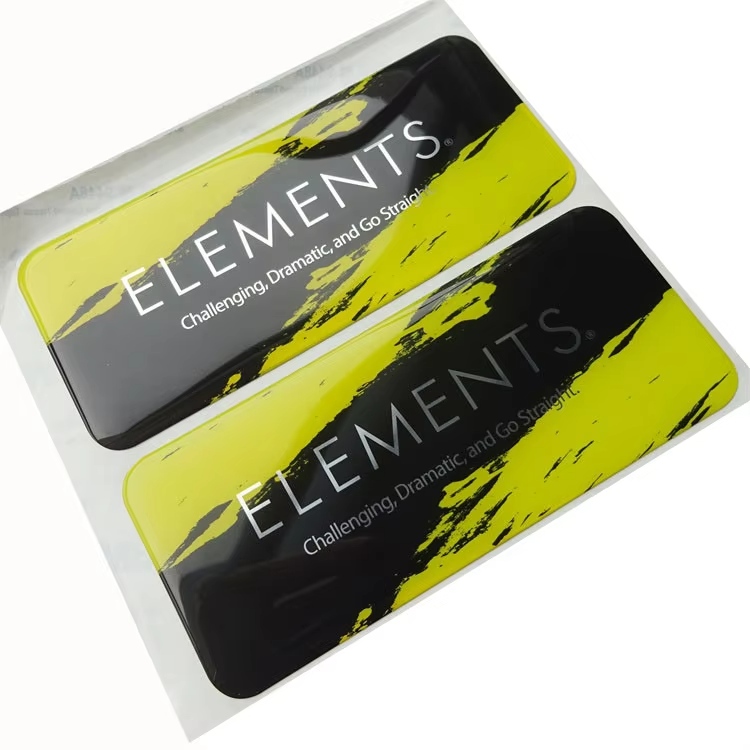
The resin sticker category encompasses domed epoxy labels that provide three-dimensional depth and premium surface characteristics absent in flat vinyl designs. Industries ranging from automotive and electronics to cosmetics and premium goods increasingly favor resin sticker applications for their superior aesthetic impact and enhanced product longevity. Understanding when a resin sticker delivers measurable advantages helps justify material costs and ensures your label investment aligns with functional and brand expectations.
Durability and Environmental Resistance
Superior Protection Against Elements
A resin sticker excels in environments where moisture, UV radiation, temperature fluctuation, and chemical exposure demand exceptional material resilience. The epoxy resin protective layer creates a self-sealing dome that shields printed artwork and substrate surfaces from degradation that commonly affects standard vinyl labels. When your resin sticker faces outdoor applications, marine conditions, or industrial chemical contact, the material's inherent durability prevents fading, cracking, and adhesive failure that plague vinyl alternatives. Industries such as marine equipment manufacturing, outdoor signage, and chemical-resistant labeling consistently choose resin sticker solutions to minimize replacement cycles and warranty claims.
Longevity in Extreme Conditions
Standard vinyl sticker products typically degrade within two to five years under direct sunlight and temperature extremes, while a quality resin sticker maintains integrity for seven to ten years or longer. The epoxy resin formulation resists UV breakdown through UV-absorbing additives that preserve color vibrancy and dimensional stability. When environmental durability directly impacts your product's perceived quality and your company's service reputation, a resin sticker investment becomes economically justified by reducing liability exposure and customer dissatisfaction. Premium automotive labels, outdoor recreational equipment branding, and long-term industrial asset identification all benefit from resin sticker longevity advantages.
Visual Impact and Premium Brand Perception
Three-Dimensional Depth and Gloss
A resin sticker's domed epoxy surface creates distinctive visual depth that flat vinyl cannot replicate, establishing immediate brand differentiation on retail shelves and product surfaces. The glossy resin sticker finish catches light dynamically, drawing consumer attention more effectively than matte or semi-gloss vinyl alternatives. High-end cosmetics, luxury watches, premium beverages, and designer accessories increasingly rely on resin sticker applications to communicate craftsmanship and exclusivity. When your brand positioning emphasizes quality and attention to detail, a resin sticker choice signals commitment to premium material standards that influences purchasing decisions and brand loyalty.
Color Saturation and Clarity
The transparent epoxy dome of a resin sticker magnifies and protects printed colors, producing saturation levels that exceed typical vinyl label capabilities. Photographic imagery, detailed graphics, and intricate color gradients render more faithfully within a resin sticker substrate, creating visual appeal that justifies premium pricing. When your design incorporates fine detail work, photorealistic elements, or complex color transitions, a resin sticker preserves artistic intent better than vinyl alternatives. Packaging designers, pharmaceutical labeling specialists, and product marketing teams often discover that a resin sticker investment yields superior visual communication that resonates with target consumers and reinforces brand positioning.
Application Suitability and Material Compatibility
Surface Adhesion Across Diverse Substrates
A resin sticker adheres reliably to curved surfaces, textured materials, and non-porous substrates where vinyl stickers frequently lift or peel prematurely. The self-doming process of a resin sticker creates mechanical adhesion strength that withstands thermal stress, vibration, and mechanical abrasion common in industrial and automotive contexts. Electronics manufacturers, appliance makers, and industrial equipment producers benefit from resin sticker versatility across aluminum, plastic, glass, and composite materials. When your product surface presents application challenges for standard vinyl, a resin sticker's adhesive chemistry and domed structure provide reliable long-term attachment that minimizes field failures.
Temperature and Moisture Resistance During Application
Unlike vinyl sticker products that require climate-controlled application environments, a resin sticker maintains workability across broader temperature and humidity ranges, streamlining manufacturing workflows. The epoxy formulation in a resin sticker cures predictably regardless of minor environmental fluctuations, reducing production delays and material waste associated with vinyl application complications. Contract manufacturers, in-house production facilities, and high-volume labeling operations discover efficiency gains when switching from vinyl to resin sticker production protocols. When manufacturing flexibility and reduced environmental sensitivity matter operationally, a resin sticker choice improves production consistency and reduces labor-intensive rework cycles.
Cost-Benefit Analysis and Strategic Considerations
Initial Investment Versus Long-Term Value
A resin sticker typically costs 40 to 60 percent more per unit than comparable vinyl alternatives, yet delivers measurable return on investment through extended product lifespan, reduced replacement frequency, and enhanced brand perception. When calculating true product labeling cost, consider field replacement expenses, warranty claims arising from label failure, and brand reputation damage from premature label degradation. Premium product categories, extended-warranty items, and high-value equipment justify resin sticker investment because material failure directly impacts customer satisfaction and repeat purchases. Automotive component suppliers, industrial equipment manufacturers, and luxury goods producers consistently find resin sticker economics favorable when evaluated against total cost of ownership rather than unit material expense alone.
Strategic Differentiation and Market Positioning
Choosing a resin sticker communicates brand commitment to quality and durability that influences customer perception and competitive positioning. Products featuring a premium resin sticker label command higher retail prices and attract quality-conscious consumers willing to pay for perceived superiority. When market research indicates your target audience values durability, aesthetics, and premium material quality, a resin sticker choice becomes strategic brand positioning rather than merely operational labeling. Companies pursuing premium market segments, establishing new brand identities, or responding to competitive pressure often discover that resin sticker adoption delivers market differentiation that justifies material cost premiums through increased sales velocity and brand equity accumulation.
FAQ
What is the primary advantage of choosing a resin sticker instead of vinyl?
The primary advantage of a resin sticker involves superior durability combined with premium visual appeal. A resin sticker resists environmental degradation significantly better than vinyl alternatives, while its domed epoxy surface creates three-dimensional depth and color saturation that enhances brand perception. For applications requiring long-term outdoor exposure or premium aesthetic presentation, a resin sticker outperforms vinyl across multiple performance dimensions.
How long does a resin sticker typically last compared to vinyl?
A quality resin sticker maintains integrity for seven to ten years or longer under normal outdoor conditions, while vinyl stickers generally degrade within two to five years when exposed to direct sunlight and temperature extremes. The epoxy resin formulation includes UV-resistant additives that prevent color fading and material breakdown significantly better than standard vinyl chemistry. This extended lifespan makes a resin sticker economically justified for products designed for long-term use or warranty coverage.
When should I choose vinyl instead of a resin sticker?
Vinyl sticker products remain appropriate when budget constraints are primary concerns, applications involve short-term use, or environmental exposure remains minimal. Indoor labeling, temporary promotional items, and cost-sensitive packaging scenarios justify vinyl selection over more expensive resin sticker alternatives. Additionally, when three-dimensional visual depth is unnecessary and standard label appearance meets functional requirements, vinyl provides acceptable performance at lower material investment.