 EN
EN


In the industrial and commercial asset management landscape, the choice between metal asset tags and plastic alternatives represents a critical decision that impacts long-term operational efficiency, cost-effectiveness, and asset tracking reliability. Organizations managing valuable equipment, machinery, IT hardware, and industrial tools face increasing pressure to implement identification solutions that withstand demanding environments while maintaining legibility and structural integrity throughout extended service lives. Metal asset tags have emerged as the superior choice for businesses requiring permanent, durable identification systems capable of surviving harsh conditions that routinely destroy plastic alternatives. This comprehensive analysis examines the compelling reasons why metal asset tags deliver unmatched performance advantages across durability, environmental resistance, professional appearance, security features, and total cost of ownership compared to their plastic counterparts.
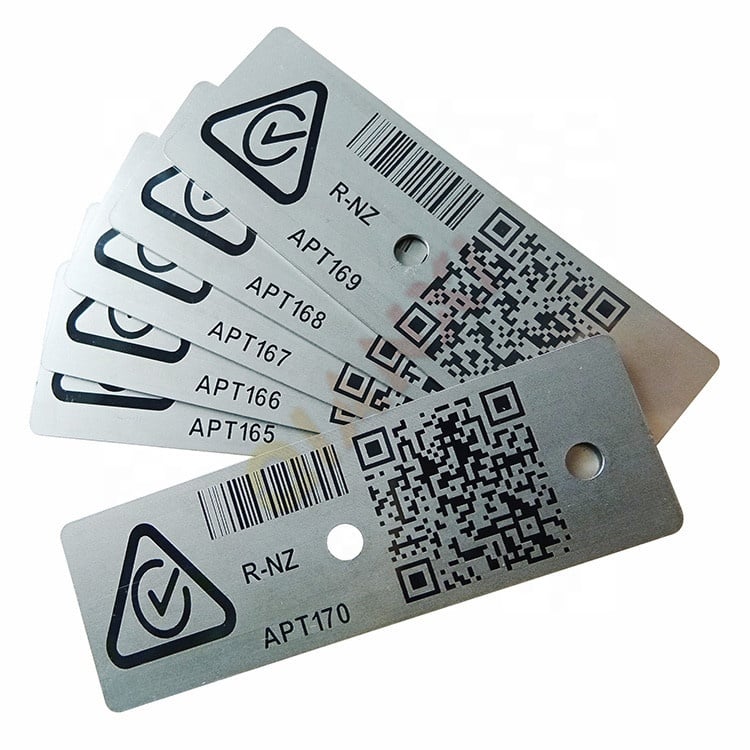
The fundamental material properties of metal versus plastic create profound performance differences that become increasingly apparent as asset tags encounter real-world operational stresses. While plastic tags may initially appear cost-effective and sufficient for indoor office environments, they exhibit critical weaknesses when exposed to temperature extremes, chemical exposure, ultraviolet radiation, mechanical stress, and abrasive conditions common in manufacturing, construction, energy production, transportation, and outdoor infrastructure applications. The decision to implement metal asset tags reflects a strategic commitment to asset management excellence, recognizing that the modest additional upfront investment in premium identification materials prevents exponentially greater costs associated with tag replacement, asset misidentification, inventory errors, and compliance failures. Understanding why metal asset tags consistently outperform plastic alternatives requires examining specific performance dimensions where material science directly translates into operational advantage.
Superior Durability and Longevity Under Operational Stress
Exceptional Resistance to Physical Damage and Wear
Metal asset tags demonstrate remarkable resistance to the physical stresses that rapidly degrade plastic identification solutions in industrial and commercial environments. Aluminum, stainless steel, and brass substrates used in premium metal asset tags possess inherent structural strength that prevents cracking, chipping, and fracturing when subjected to impact, vibration, and mechanical wear. Manufacturing facilities, warehouses, construction sites, and transportation operations routinely expose asset tags to incidental contact with equipment, tools, materials, and personnel that create continuous abrasion and periodic impact events. Plastic tags crack when dropped, shatter when struck, and develop surface wear that obscures printed information within months of deployment. The superior hardness and impact resistance of metal asset tags ensure that identification information remains intact and legible even after years of exposure to the mechanical stresses inherent in active asset utilization.
The molecular structure of metallic materials provides fundamental advantages over thermoplastic polymers in maintaining dimensional stability and surface integrity under continuous operational stress. Metal substrates resist the progressive degradation mechanisms that plague plastic alternatives, including stress fracturing, surface crazing, and material fatigue that accumulate over repeated thermal cycling and mechanical loading. Equipment mounted outdoors, assets transported between facilities, and tools subjected to routine handling benefit particularly from the structural resilience of metal asset tags, which maintain their mounting integrity and information legibility throughout service lives measured in decades rather than the months or few years typical of plastic alternatives. This extended functional lifespan directly translates into reduced replacement frequency, lower administrative burden for re-tagging programs, and enhanced asset tracking accuracy by eliminating gaps in identification continuity caused by premature tag failure.
Permanent Information Retention Through Advanced Marking Technologies
The information permanence achieved through advanced marking technologies applied to metal asset tags represents a critical advantage over printed plastic alternatives that fade, smudge, and delaminate under operational exposure. Laser engraving, electrochemical etching, and stamping techniques create indelible marks on metal surfaces that become integral to the substrate material rather than residing as surface coatings vulnerable to abrasion and environmental degradation. These permanent marking methods ensure that serial numbers, barcodes, QR codes, and alphanumeric data remain scannable and human-readable throughout the entire asset lifecycle, regardless of exposure to sunlight, moisture, chemicals, or physical wear. Organizations implementing metal asset tags eliminate the information loss problems endemic to printed plastic tags, where ink fading and label delamination create asset tracking gaps that undermine inventory accuracy and compliance documentation.
The contrast between permanent metal marking and surface printing on plastic becomes particularly pronounced in outdoor applications, where ultraviolet radiation systematically degrades organic inks and adhesive bonds. Solar exposure causes rapid color fading on printed plastic tags, rendering barcodes unscannable and text illegible within six to eighteen months in many climates. Metal asset tags marked through laser engraving or chemical etching maintain full information integrity for decades under continuous outdoor exposure, as the marking process creates physical topology changes or chemical composition variations that are fundamentally immune to photodegradation. This permanence proves essential for utilities, telecommunications infrastructure, transportation equipment, and construction machinery that operate outdoors throughout their service lives, where reliable identification must persist despite relentless environmental exposure that quickly destroys printed plastic alternatives.
Outstanding Environmental Resistance Across Extreme Conditions
Temperature Extremes and Thermal Cycling Performance
Metal asset tags maintain full functionality across temperature ranges that cause catastrophic failure in plastic alternatives, making them indispensable for assets operating in thermally challenging environments. Stainless steel and aluminum tags routinely withstand temperature extremes from negative forty degrees Celsius to over three hundred degrees Celsius without experiencing dimensional changes, material degradation, or information loss. Industrial processes involving heat treatment, welding operations, engine components, exhaust systems, and thermal processing equipment generate temperatures that instantly melt, warp, or ignite plastic tags. The thermal stability of metal asset tags ensures continuous identification capability regardless of the thermal environment, eliminating the need for tag replacement after exposure to elevated temperatures and preventing identification gaps for assets operating in high-heat applications.
Thermal cycling represents an equally destructive phenomenon for plastic tags, as repeated expansion and contraction cycles create cumulative material fatigue, adhesive failure, and structural cracking. Assets transitioning between indoor and outdoor environments, equipment operating across seasonal temperature variations, and machinery experiencing operational heating followed by ambient cooling subject identification tags to continuous thermal stress. Plastic materials exhibit significant thermal expansion coefficients and limited flexibility across temperature ranges, causing mounting adhesives to fail and tag substrates to crack as they cycle through expansion and contraction. Metal asset tags demonstrate minimal thermal expansion and maintain elastic properties across wide temperature ranges, ensuring that mounting integrity and structural soundness persist through unlimited thermal cycles. This thermal resilience proves particularly valuable for transportation equipment, outdoor infrastructure, and industrial machinery experiencing daily and seasonal temperature variations throughout multi-decade service lives.
Chemical Resistance and Corrosion Protection
Chemical exposure represents a pervasive threat in industrial environments where cleaning agents, processing fluids, fuels, lubricants, and manufacturing chemicals contact asset identification tags. Metal asset tags fabricated from stainless steel, anodized aluminum, or chemically treated brass demonstrate superior resistance to the broad spectrum of industrial chemicals that dissolve, stain, or degrade plastic alternatives. Stainless steel grades specifically selected for corrosive environments maintain surface integrity and information legibility even when continuously exposed to acids, bases, solvents, and salt solutions that rapidly attack plastic materials. Manufacturing facilities, chemical processing plants, food production operations, and marine applications generate chemical exposure conditions where plastic tags experience accelerated degradation, while properly specified metal asset tags deliver decades of reliable service without chemical-induced deterioration.
The corrosion resistance engineered into premium metal asset tags through material selection and surface treatment eliminates the progressive degradation that limits plastic tag performance in humid and corrosive atmospheres. Stainless steel alloys containing chromium and molybdenum develop passive oxide layers that self-repair when scratched, providing continuous corrosion protection without relying on coatings that wear away over time. Anodized aluminum tags feature thick, hard oxide layers chemically bonded to the substrate that resist both chemical attack and abrasion. These intrinsic corrosion protection mechanisms contrast sharply with plastic materials that absorb moisture, swell when exposed to organic solvents, and experience accelerated aging in humid environments. Metal asset tags specified for marine environments, wastewater facilities, chemical plants, and humid tropical climates maintain full functionality throughout service lives that would see plastic alternatives requiring multiple replacements due to chemical degradation and moisture-induced failure.
Professional Appearance and Enhanced Security Features
Premium Aesthetic Presentation and Brand Integrity
The professional appearance of metal asset tags communicates organizational commitment to quality and attention to operational detail that resonates with customers, auditors, and internal stakeholders. Polished stainless steel, brushed aluminum, and brass finishes project a premium aesthetic that elevates perceived asset value and reinforces brand identity in customer-facing applications. Medical equipment, aerospace components, laboratory instrumentation, and premium industrial machinery benefit from the sophisticated appearance of metal asset tags that align with the quality expectations associated with high-value assets. The visual coherence between premium equipment and premium identification creates psychological confidence in asset management systems and operational excellence. This aesthetic advantage proves particularly valuable for original equipment manufacturers seeking to differentiate their products through superior finishing details and for end-users managing assets in environments where professional appearance supports organizational reputation.
The permanent, non-fading character of metal asset tags ensures that the professional appearance persists throughout the asset lifecycle, avoiding the shabby, degraded appearance that characterizes aged plastic tags. Faded, curled, and partially detached plastic tags create an impression of poor maintenance and operational neglect that undermines organizational credibility during customer visits, regulatory inspections, and corporate audits. Metal asset tags maintain their original appearance for decades, preserving the professional image that supports quality perception and operational confidence. Organizations implementing comprehensive asset management programs recognize that identification tags represent visible evidence of systematic operational practices, and the enduring professional appearance of metal asset tags reinforces the message of sustained operational excellence rather than the declining presentation inevitable with plastic alternatives.
Tamper Evidence and Asset Security Enhancement
Security features integral to metal asset tags provide tamper evidence and removal resistance that significantly exceed the capabilities of plastic alternatives, protecting against asset theft, unauthorized transfers, and fraudulent replacement. Metal tags mounted with permanent adhesives or mechanical fasteners create strong bonds that resist casual removal attempts, while leaving clear evidence of tampering when removal is attempted. Specialized mounting systems including security screws, rivets, and tamper-evident adhesives transform metal asset tags into security devices that deter unauthorized asset movement and facilitate detection of potential theft or misappropriation. High-value equipment, controlled substances containers, serialized tools, and regulated assets benefit from the enhanced security profile that metal asset tags deliver, supporting loss prevention programs and regulatory compliance requirements that demand tamper-evident identification solutions.
The difficulty of replicating metal asset tags provides additional security advantages compared to easily reproduced plastic alternatives. Laser-engraved serial numbers, electrochemically etched patterns, and embossed features on metal substrates require specialized equipment and metallurgical expertise to counterfeit, creating barriers to fraudulent tag reproduction that protect against asset substitution schemes and counterfeiting operations. Organizations managing serialized assets, controlled equipment, and regulated materials implement metal asset tags as components of comprehensive security frameworks where identification integrity directly supports asset protection objectives. The combination of tamper evidence, removal resistance, and counterfeiting difficulty inherent in properly implemented metal asset tags creates security value that extends far beyond basic identification functionality, justifying premium investment for assets where unauthorized removal or fraudulent replacement poses significant operational or compliance risks.
Total Cost of Ownership and Long-Term Value Optimization
Extended Service Life and Replacement Cost Avoidance
The superior durability and environmental resistance of metal asset tags translate directly into dramatic total cost of ownership advantages through extended service lives that eliminate or minimize replacement expenses. While plastic tags may cost less initially, their typical service life of one to three years in demanding environments generates recurring replacement costs that rapidly exceed the one-time investment in metal asset tags capable of twenty-year or longer service lives. The administrative burden associated with identifying failed tags, generating replacement orders, scheduling re-tagging activities, and updating asset management systems creates hidden costs that compound the material expenses of plastic tag replacement programs. Organizations conducting total cost of ownership analysis consistently find that metal asset tags deliver superior economic value across asset lifecycles, as the elimination of replacement cycles prevents both direct material costs and indirect administrative expenses.
The operational disruption associated with asset re-tagging represents an often-overlooked cost dimension where metal asset tags provide substantial value. Replacing failed plastic tags requires locating assets, scheduling access during operational windows, verifying asset identity through alternative means, applying new tags, and updating documentation systems. These activities consume maintenance resources, interrupt productive operations, and create temporary identification gaps that compromise inventory accuracy and asset tracking integrity. Metal asset tags eliminate these recurring disruptions through service lives that match or exceed asset operational lives, ensuring continuous identification without replacement-driven interruptions. For organizations managing thousands of assets across distributed facilities, the operational efficiency gained by eliminating recurring re-tagging cycles represents substantial value that justifies the premium investment in durable metal asset tags over economy plastic alternatives requiring frequent replacement.
Compliance Assurance and Audit Performance
Regulatory compliance and audit requirements increasingly mandate permanent, durable asset identification systems where metal asset tags provide inherent advantages over plastic alternatives prone to premature failure. Industries subject to equipment serialization regulations, calibration tracking mandates, maintenance documentation requirements, and asset accountability standards face compliance risks when identification tags fail prematurely, creating documentation gaps and traceability breaks. Metal asset tags engineered for permanent service eliminate compliance vulnerabilities associated with tag degradation, ensuring continuous identification integrity throughout regulatory retention periods that often span decades. Organizations implementing metal asset tags as foundations of compliance documentation systems achieve superior audit outcomes by demonstrating sustained identification continuity and systematic asset management practices visible through enduring tag performance.
The information permanence characteristic of metal asset tags proves particularly valuable for maintaining calibration histories, maintenance records, and lifecycle documentation required by quality management systems and regulatory frameworks. Equipment requiring periodic calibration, pressure vessels subject to inspection schedules, and medical devices governed by traceability regulations depend on persistent identification that links physical assets to documentation systems throughout service lives. The failure of plastic identification tags creates documentation discontinuities that complicate compliance demonstration and generate audit findings, while metal asset tags maintain unbroken identification continuity that supports seamless documentation linkage. Organizations pursuing operational excellence recognize that robust asset identification represents a foundational element of systematic quality management, and the investment in permanent metal asset tags directly supports compliance objectives while eliminating the documentation risks inherent in plastic alternatives subject to premature failure and information loss.
FAQ
How much longer do metal asset tags typically last compared to plastic tags in outdoor environments?
Metal asset tags routinely deliver service lives exceeding twenty years in outdoor environments where plastic alternatives typically fail within one to three years due to ultraviolet degradation, thermal stress, and moisture exposure. Stainless steel and anodized aluminum tags maintain full functionality and information legibility for decades under continuous solar exposure, while plastic tags experience rapid fading, brittleness, and structural failure. The service life advantage of metal asset tags becomes even more pronounced in harsh outdoor conditions involving temperature extremes, industrial atmospheres, or marine environments where plastic degradation accelerates dramatically. Organizations should expect metal asset tags to provide ten to twenty times the service life of plastic alternatives in demanding outdoor applications, delivering superior total cost of ownership through elimination of replacement cycles.
Can metal asset tags withstand the high temperatures found in industrial manufacturing processes?
Metal asset tags fabricated from stainless steel and high-grade aluminum alloys maintain full functionality at temperatures exceeding three hundred degrees Celsius, making them suitable for identification applications on equipment exposed to industrial heat processes. Unlike plastic tags that melt, warp, or ignite at temperatures above one hundred degrees Celsius, properly specified metal asset tags can be mounted on machinery, exhaust systems, and process equipment experiencing elevated operational temperatures. Laser-engraved or electrochemically etched information on metal substrates remains permanently legible regardless of thermal exposure, ensuring continuous identification capability in high-temperature environments. Organizations should specify metal asset tags for any application where operational temperatures exceed one hundred degrees Celsius or where periodic heat exposure occurs during manufacturing processes, maintenance activities, or equipment operation.
Are metal asset tags worth the additional cost for indoor office equipment and IT assets?
While metal asset tags provide maximum performance advantages in harsh environments, they deliver compelling value for indoor applications through enhanced security features, professional appearance, and elimination of replacement requirements over extended asset lifecycles. IT equipment, office furniture, and indoor machinery often remain in service for five to ten years or longer, during which time plastic tags may require replacement due to adhesive failure, physical damage, or information fading. The tamper-evident properties and removal resistance of metal asset tags provide enhanced security for high-value IT assets subject to theft risk, while the professional appearance supports corporate image in customer-facing areas. Organizations conducting total cost of ownership analysis for indoor asset populations typically find that metal asset tags deliver superior economic value when asset service lives exceed five years, particularly for assets requiring enhanced security or located in semi-controlled environments subject to temperature variation, humidity, or incidental chemical exposure from cleaning operations.
What mounting methods work best for attaching metal asset tags to different asset types?
Metal asset tags accommodate diverse mounting methods including industrial adhesives, mechanical fasteners, rivets, and welding attachments selected based on asset surface characteristics and application requirements. High-performance acrylic adhesives provide strong, permanent bonds to smooth, clean surfaces including painted equipment, powder-coated enclosures, and polished metal substrates while allowing tag application without specialized tools. Mechanical fasteners including security screws and pop rivets create exceptionally strong attachments suitable for high-vibration equipment, outdoor assets, and applications requiring maximum removal resistance. Organizations should select mounting methods based on surface preparation capabilities, removal resistance requirements, and asset characteristics, with industrial adhesives providing excellent performance for most indoor applications and mechanical fasteners preferred for outdoor equipment, high-vibration machinery, and security-critical assets where tamper evidence and removal resistance justify the additional installation complexity.
Table of Contents
- Superior Durability and Longevity Under Operational Stress
- Outstanding Environmental Resistance Across Extreme Conditions
- Professional Appearance and Enhanced Security Features
- Total Cost of Ownership and Long-Term Value Optimization
-
FAQ
- How much longer do metal asset tags typically last compared to plastic tags in outdoor environments?
- Can metal asset tags withstand the high temperatures found in industrial manufacturing processes?
- Are metal asset tags worth the additional cost for indoor office equipment and IT assets?
- What mounting methods work best for attaching metal asset tags to different asset types?