 EN
EN

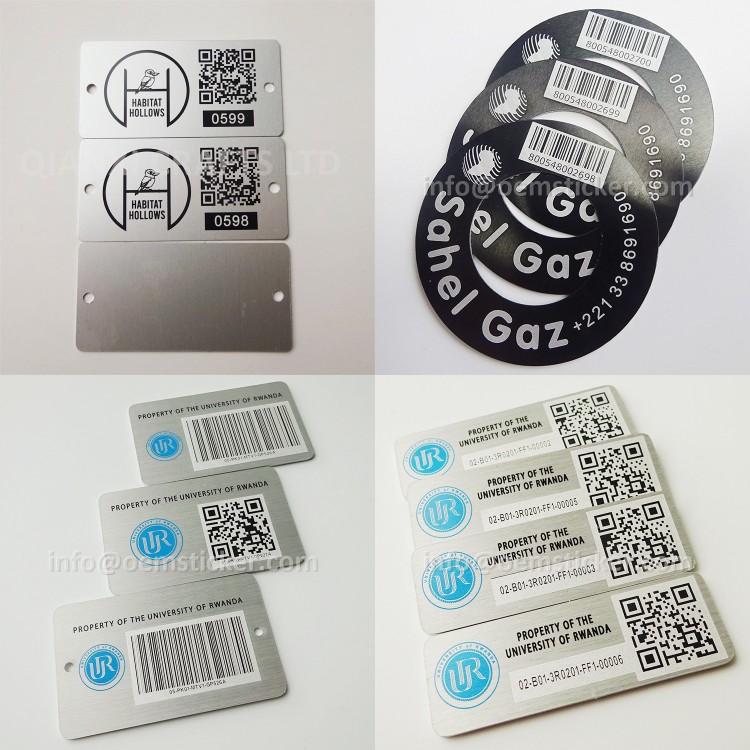
A metal nameplate is one of the most quietly essential components on any piece of industrial equipment, commercial asset, or branded product. It carries critical information — serial numbers, safety ratings, brand identity, and regulatory data — that operators, inspectors, and maintenance teams rely on daily. When that metal nameplate becomes unreadable, damaged, or non-compliant, the consequences can range from operational inefficiency to serious regulatory risk. Knowing exactly when to replace it is not just a maintenance question; it is a compliance and safety decision.
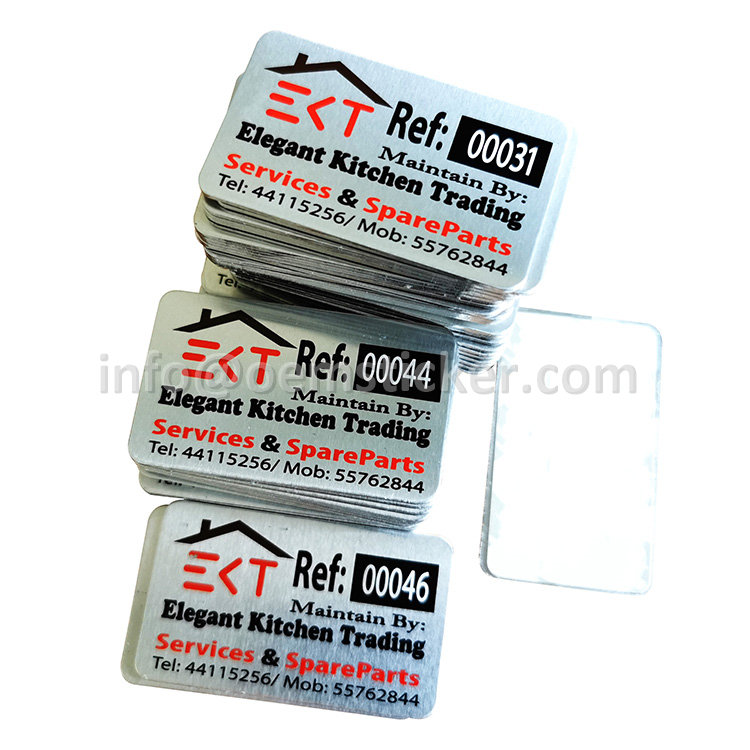
As 2026 approaches, many industrial facilities are conducting asset audits and updating compliance documentation. This makes it an ideal time to evaluate every metal nameplate across your equipment fleet. Whether you manage a manufacturing floor, a utilities installation, or a product line with branded components, understanding the replacement triggers for a metal nameplate will help you avoid costly delays and keep your operations running smoothly throughout the year ahead.
Physical Condition Signals That Demand Replacement
Corrosion, Fading, and Surface Damage
The most obvious reason to replace a metal nameplate is visible physical deterioration. Corrosion is a primary threat, especially in outdoor environments, chemical-processing facilities, or marine installations. When the surface of a metal nameplate begins to oxidize, pit, or flake, the engraved or etched information beneath it becomes compromised. A corroded metal nameplate is no longer a reliable information carrier — it is a liability.
Fading is equally problematic, particularly on painted or filled metal nameplate designs. UV exposure, heat cycling, and cleaning chemicals gradually erode surface coatings. If the printed or filled text on your metal nameplate has faded to the point where a worker cannot read it from a normal working distance, replacement is not optional — it is immediate. An unreadable metal nameplate fails its core purpose entirely.
Physical Impact and Deformation
Industrial environments are physically demanding. A metal nameplate that has been struck by machinery, bent during material handling, or partially torn from its mounting surface is no longer structurally sound. Even if some text remains visible, a deformed metal nameplate may lose adhesion, fall off entirely, or present a sharp edge hazard. Inspect each metal nameplate for warping, deep scratches, or mounting failures as part of your 2026 asset review.
Regulatory and Compliance Triggers in 2026
Changing Standards and Certification Requirements
Regulations governing equipment identification are not static. Safety standards, CE marking requirements, UL certifications, and ISO-based labeling protocols evolve over time. In 2026, several industrial sectors are expected to see updated labeling requirements for electrical equipment, pressure vessels, and machinery guarding. If your current metal nameplate does not display updated certification marks, revised voltage ratings, or newly required safety symbols, you will need a replacement metal nameplate to maintain compliance.
This is particularly relevant when equipment undergoes modification or refurbishment. A refurbished machine with an original metal nameplate that still lists outdated specifications creates a discrepancy that regulators and auditors will flag. Replacing the metal nameplate during the refurbishment process keeps records accurate and avoids inspection failures.
Export, Re-labeling, and Market Entry Requirements
If your products are entering new markets in 2026 — whether domestic expansions or international exports — each destination market may require a localized metal nameplate. Language requirements, regional certification marks, and market-specific electrical standards often necessitate a new metal nameplate even when the underlying product has not changed. Plan metal nameplate replacement as part of your market-entry preparation rather than treating it as an afterthought at the final inspection stage.
Operational and Business Events That Trigger Replacement
Rebranding, Ownership Transfer, and Asset Resale
A metal nameplate carries brand identity as much as it carries technical data. When your organization undergoes a rebranding initiative — new logo, new company name, or revised product line naming — every metal nameplate on customer-facing equipment becomes outdated overnight. Updating the metal nameplate across your product line is part of delivering a coherent brand experience and protecting your brand equity in the field.
Similarly, when industrial equipment changes hands through resale, lease transfer, or fleet restructuring, the outgoing metal nameplate may carry information that no longer applies to the new operator. Replacing the metal nameplate at the point of transfer ensures that the new owner receives accurate, relevant identification that matches their asset management records from day one.
Scheduled Maintenance Cycles and Planned Asset Audits
Many facilities that follow preventive maintenance programs have begun including metal nameplate inspection as a formal checklist item. Tying metal nameplate replacement to existing maintenance windows — annual shutdowns, five-year certification renewals, or major overhaul cycles — is a cost-effective approach. Rather than waiting for a metal nameplate to fail visibly in the field, proactive replacement during planned downtime reduces the risk of non-compliant identification between inspection cycles.
In 2026, with growing pressure on facilities to demonstrate traceability and documentation accuracy, a damaged or outdated metal nameplate found during a surprise audit can trigger much broader scrutiny. The cost of replacing a metal nameplate proactively is negligible compared to the cost of an audit failure or a product recall tied to faulty identification.
FAQ
How long should a metal nameplate typically last before needing replacement?
The service life of a metal nameplate depends heavily on material choice and environment. A stainless steel metal nameplate used indoors may last the full operational life of the equipment — often 20 years or more. An aluminum metal nameplate in a harsh outdoor environment may show deterioration within five to ten years. Regular inspection helps determine when each metal nameplate needs replacement based on actual condition rather than a fixed schedule.
Can a damaged metal nameplate be repaired instead of replaced?
In most industrial and regulatory contexts, repairing a metal nameplate is not an accepted practice. Regulators and certification bodies require that a metal nameplate be legible, intact, and accurately represent the equipment's current specifications. A corroded, bent, or partially readable metal nameplate should be replaced with a new one that matches the required format. Attempting to repair markings on a metal nameplate typically does not meet compliance standards.
What information should be reviewed before ordering a replacement metal nameplate?
Before ordering a replacement metal nameplate, confirm the current equipment specifications, applicable certifications, and any regulatory updates that have occurred since the original metal nameplate was produced. Verify the required dimensions, mounting method, material grade, and surface finish. If the equipment has been modified, updated ratings should be reflected on the new metal nameplate. Consulting your compliance team alongside your metal nameplate supplier ensures the replacement meets both technical and regulatory requirements.