 EN
EN

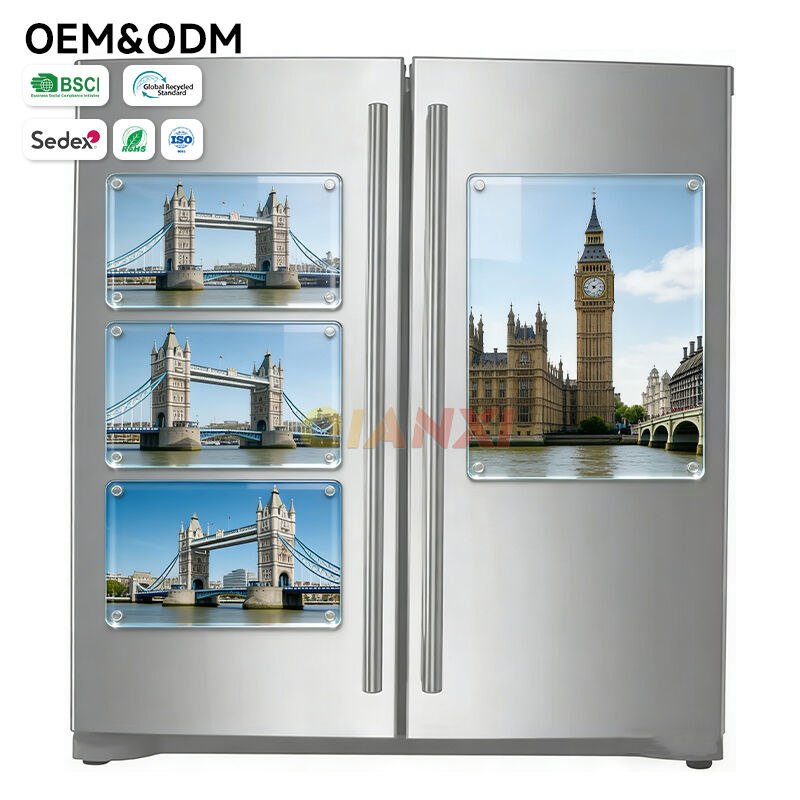
Resin stickers represent a sophisticated advancement in adhesive labeling technology, combining the clarity and durability of polyurethane or epoxy resin with traditional sticker functionality. These three-dimensional labels create a distinctive raised, glossy appearance that enhances brand visibility while providing superior protection against environmental factors. Understanding what resin stickers are and how they function is essential for businesses seeking premium labeling solutions that deliver both aesthetic appeal and long-lasting performance in demanding applications.
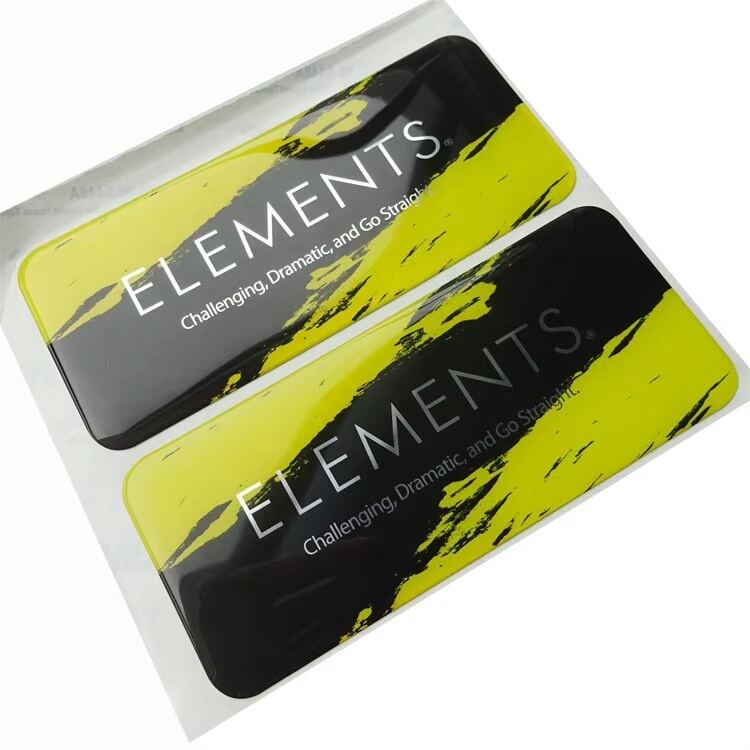
The fundamental mechanism behind resin stickers involves applying a transparent polymer coating over printed graphics, creating a dome-like effect that magnifies underlying images while forming a protective barrier. This resin coating process transforms ordinary flat labels into premium three-dimensional products that resist scratching, fading, and moisture damage. The working principle relies on the resin's ability to cure into a hard, crystal-clear surface that maintains optical clarity while providing mechanical protection for the printed material beneath.
Composition and Material Structure of Resin Stickers
Base Substrate Materials
The foundation of every resin sticker begins with carefully selected substrate materials that must withstand both the resin application process and final use conditions. Common base materials include vinyl, polyester, and specialized synthetic films that offer dimensional stability during curing. These substrates provide the printing surface for graphics, text, or logos while maintaining adhesion compatibility with both the resin coating and the final application surface. The substrate thickness typically ranges from 0.1 to 0.3 millimeters, balancing flexibility with structural integrity.
Premium resin sticker applications often utilize polyester substrates due to their excellent chemical resistance and thermal stability during the curing process. The substrate selection directly influences the final product's conformability, durability, and appearance quality. Industrial applications may require specialized substrates with enhanced chemical resistance or temperature tolerance, while decorative applications prioritize print quality and color reproduction capabilities.
Resin Coating Technology
The resin component distinguishes these products from conventional stickers, typically consisting of polyurethane or epoxy formulations designed for optical clarity and durability. Polyurethane resins offer superior flexibility and impact resistance, making them ideal for applications requiring conformability to curved surfaces. Epoxy resins provide exceptional hardness and chemical resistance but may be more brittle in extreme temperature conditions. The resin sticker manufacturing process requires precise control of resin viscosity, curing conditions, and environmental factors.
Advanced resin formulations incorporate UV stabilizers, anti-yellowing agents, and hardness modifiers to optimize performance characteristics. The curing process involves chemical cross-linking that transforms liquid resin into a solid, durable coating with specific optical and mechanical properties. Temperature, humidity, and curing time parameters must be precisely controlled to achieve consistent results across production batches.
Adhesive Systems
The adhesive layer represents a critical component that determines the resin sticker's bonding performance and removability characteristics. Pressure-sensitive adhesives are most commonly used, offering immediate bonding upon application without requiring heat or solvents. These adhesives must maintain their bonding strength throughout the resin curing process while accommodating potential dimensional changes in the substrate. Removable adhesive formulations allow for repositioning or removal without leaving residue, while permanent adhesives provide long-term bonding for critical applications.
Adhesive selection considers factors including surface energy of target substrates, environmental exposure conditions, and required bond strength. Specialized adhesives may incorporate tackifiers, plasticizers, or crosslinking agents to optimize performance for specific applications. The adhesive thickness and coating uniformity directly affect the final product's conformability and appearance quality.
Manufacturing Process and Production Workflow
Printing and Graphic Application
The production process begins with high-quality printing of graphics, text, or logos onto the selected substrate material. Digital printing, screen printing, or flexographic printing methods may be employed depending on the design complexity, color requirements, and production volume. Print quality directly affects the final resin sticker appearance, as the resin coating magnifies any printing defects or color variations. Color management systems ensure consistent reproduction across production runs while maintaining brand color accuracy.
Pre-press preparation involves optimizing artwork for the resin application process, considering factors such as color density, fine detail reproduction, and registration accuracy. The printing process must achieve complete ink adhesion and proper curing before resin application to prevent delamination or color bleeding during subsequent processing steps. Quality control measures include color verification, print density measurement, and visual inspection for defects.
Resin Application Techniques
Resin application represents the most critical phase in resin sticker manufacturing, requiring precise control of material flow, thickness uniformity, and curing parameters. Automated dispensing systems ensure consistent resin distribution across the printed surface while maintaining proper edge definition and dome geometry. The resin must wet the printed surface completely while avoiding air entrapment that could create optical defects or weak spots in the final coating.
Temperature and humidity control during application prevents premature curing or surface defects that could compromise optical clarity. The resin thickness determines the final dome height and optical magnification effect, typically ranging from 0.3 to 2.0 millimeters depending on design requirements. Advanced production systems incorporate vision inspection to verify resin coverage and detect potential defects before curing.
Curing and Quality Control
The curing process transforms liquid resin into a solid, durable coating through controlled polymerization reactions. UV curing systems provide rapid processing and precise control over curing energy, while thermal curing may be used for specific resin formulations requiring heat activation. Curing parameters must be optimized for each resin sticker configuration to achieve proper crosslinking density while avoiding overcuring that could cause brittleness or optical distortion.
Quality control testing includes adhesion testing, optical clarity measurement, hardness verification, and environmental resistance evaluation. Each production batch undergoes systematic inspection to ensure compliance with specification requirements. Accelerated aging tests verify long-term performance under various environmental conditions, while mechanical testing confirms durability characteristics.
Working Mechanisms and Functional Properties
Optical Performance Characteristics
The optical properties of resin stickers create their distinctive visual appeal and functional advantages over conventional flat labels. The resin coating acts as a magnifying lens, enhancing the apparent size and clarity of underlying graphics while creating a three-dimensional appearance that attracts attention. Light transmission through the resin must be carefully controlled to avoid optical distortion while maximizing color saturation and contrast.
Surface reflection characteristics contribute to the premium appearance of resin stickers, with controlled gloss levels enhancing readability under various lighting conditions. Anti-glare treatments may be incorporated for applications requiring optimal visibility in bright environments. The refractive index of the resin material affects color appearance and depth perception, requiring careful material selection for specific visual requirements.
Environmental Protection Mechanisms
The protective function of resin stickers extends far beyond aesthetic enhancement, providing a barrier against UV radiation, moisture, chemicals, and mechanical damage. The resin coating prevents direct contact between environmental contaminants and the printed graphics, maintaining color integrity and readability throughout the product lifecycle. UV stabilizers within the resin formulation prevent photodegradation that could cause yellowing or brittleness over time.
Chemical resistance properties vary depending on the specific resin formulation and curing conditions, with epoxy-based systems typically offering superior resistance to solvents and acids. The impermeable nature of properly cured resin prevents moisture penetration that could cause delamination or print degradation. Temperature resistance characteristics determine the operating range for resin sticker applications, with specialized formulations available for extreme temperature environments.
Mechanical Durability Features
The mechanical properties of resin stickers result from the combination of substrate flexibility and resin hardness, creating products that resist impact damage while maintaining conformability to curved surfaces. The resin coating distributes applied forces across a larger area, reducing the likelihood of localized damage that could compromise functionality or appearance. Scratch resistance depends on the resin hardness and surface treatment, with harder formulations providing better abrasion resistance.
Flexibility characteristics allow resin stickers to conform to complex surface geometries without cracking or delamination. The balance between hardness and flexibility requires careful optimization for specific applications, considering factors such as thermal cycling, mechanical stress, and substrate movement. Long-term durability depends on maintaining the integrity of all component layers under actual use conditions.
Application Methods and Installation Considerations
Surface Preparation Requirements
Proper surface preparation is essential for achieving optimal adhesion and long-term performance of resin stickers. The target surface must be clean, dry, and free from contaminants that could interfere with adhesive bonding. Degreasing agents remove oils, fingerprints, and processing residues, while appropriate solvents eliminate other contaminants without damaging the substrate material. Surface energy considerations may require primers or adhesion promoters for difficult-to-bond materials.
Surface texture affects both adhesion strength and final appearance, with moderately textured surfaces often providing better mechanical interlocking than perfectly smooth surfaces. However, excessive roughness may prevent complete contact between the adhesive and substrate, reducing bond strength. Temperature and humidity conditions during application influence adhesive flow and curing, requiring environmental control for critical applications.
Installation Techniques
Professional installation techniques ensure optimal resin sticker performance and appearance throughout the product lifecycle. Proper positioning requires careful alignment and smooth application to prevent air entrapment or wrinkles that could compromise appearance or durability. Pressure application must be sufficient to achieve complete adhesive contact without damaging the resin dome or substrate material.
Temperature considerations during installation affect both adhesive flow and resin sticker conformability, with moderate warming sometimes improving installation on complex surfaces. The curing time for pressure-sensitive adhesives may require temporary fixturing or protection until full bond strength develops. Post-installation inspection verifies proper adhesion and identifies any defects requiring correction.
Performance Optimization
Optimizing resin sticker performance requires understanding the interaction between material properties, application conditions, and environmental factors. The selection of adhesive systems must consider the specific substrate materials, environmental exposure, and required service life. Resin formulation affects not only appearance but also durability characteristics such as UV resistance, chemical compatibility, and temperature stability.
Long-term performance monitoring helps identify potential issues before they affect functionality or appearance. Regular inspection protocols can detect early signs of adhesive failure, resin degradation, or substrate damage that might require preventive maintenance. Understanding the failure modes and service life expectations allows for proper maintenance scheduling and replacement planning.
FAQ
How long do resin stickers typically last in outdoor applications?
Resin stickers designed for outdoor use typically provide 5-10 years of service life when properly formulated with UV stabilizers and weather-resistant materials. The actual lifespan depends on factors such as UV exposure intensity, temperature cycling, chemical exposure, and substrate compatibility. High-quality resin sticker products with appropriate UV protection and properly cured resin coatings can maintain their appearance and functionality even longer in moderate climates.
Can resin stickers be removed without damaging the underlying surface?
Removability depends primarily on the adhesive formulation used in the resin sticker construction. Products designed with removable adhesives can typically be removed cleanly within their specified service life, while permanent adhesive formulations may leave residue or require aggressive removal methods. Heat application can soften adhesives to facilitate removal, but care must be taken to avoid damaging heat-sensitive substrates during the process.
What is the maximum thickness achievable with resin sticker coatings?
Standard resin sticker manufacturing typically achieves coating thicknesses between 0.5-2.0 millimeters, balancing optical quality with practical considerations such as curing time and material costs. Thicker coatings are possible but may require specialized curing equipment and extended processing times. The optimal thickness depends on the desired visual effect, durability requirements, and specific resin formulation characteristics.
Do resin stickers work effectively on curved or irregular surfaces?
Resin stickers can conform to moderately curved surfaces depending on their flexibility characteristics and the curvature radius of the target surface. The substrate material and resin formulation determine conformability limits, with polyurethane-based systems typically offering better flexibility than epoxy formulations. For complex curves or irregular surfaces, specialized resin sticker designs or alternative application methods may be required to ensure proper adhesion and appearance.