 EN
EN

Understanding the true cost of a resin sticker in 2026 requires more than a simple price tag. Businesses, entrepreneurs, and marketing professionals increasingly turn to resin stickers as a premium branding and promotional tool, yet pricing remains unclear and highly variable across suppliers. A resin sticker combines aesthetic appeal with durability, making it an attractive choice for custom applications ranging from product labeling to promotional merchandise. However, determining what you should actually pay for a resin sticker involves understanding material composition, production complexity, order volume, and market conditions that directly impact final pricing.
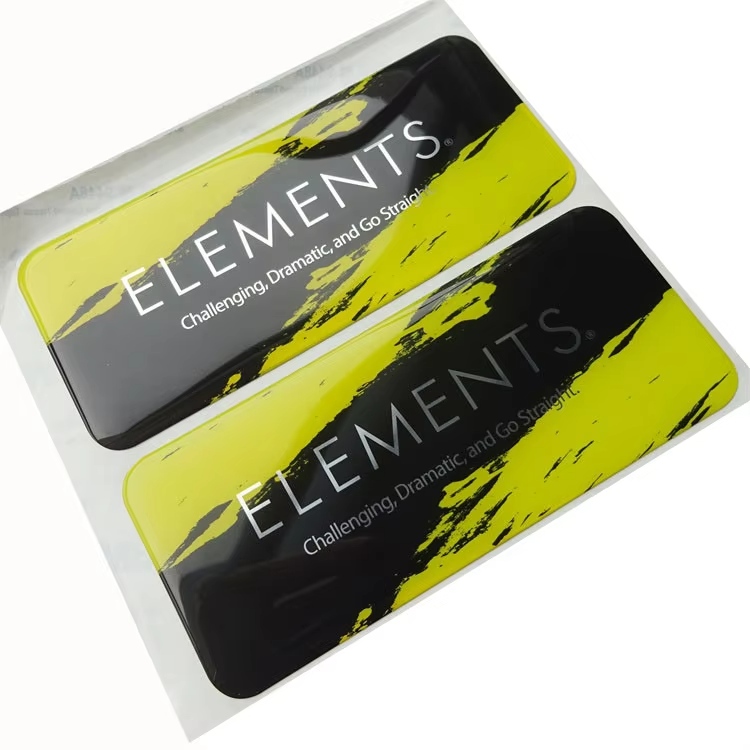
The resin sticker market has evolved significantly over recent years, with manufacturing capabilities improving and competition intensifying among suppliers. Today's pricing landscape for a resin sticker reflects advances in production technology, availability of raw materials, and global supply chain dynamics. Whether you are launching a startup brand, expanding an existing product line, or creating specialized promotional items, knowing the realistic cost structure of a resin sticker is essential for budgeting and decision-making. This guide walks through the key pricing factors, typical cost ranges, and strategies for optimizing your resin sticker investment in 2026.
Understanding Core Factors That Drive Resin Sticker Pricing
Material Composition and Quality Grade
The foundation of resin sticker pricing starts with material selection and quality. A resin sticker produced from premium polyurethane or epoxy resin costs significantly more than one made from standard acrylic or lower-grade polymers. The resin used directly affects durability, UV resistance, color retention, and overall aesthetic appeal. High-grade resin resists yellowing, maintains clarity, and withstands environmental exposure far better than budget alternatives. When evaluating a resin sticker supplier, always clarify the exact resin formulation, thickness, and protective coatings included. Superior resin sticker materials justify higher pricing because they deliver longer product lifespan and superior brand representation.
Size, Thickness, and Design Complexity
Physical dimensions and design intricacy represent the second major pricing lever for a resin sticker. Larger resin stickers require more material and longer production time, directly increasing unit cost. Thickness variations also matter: a thin resin sticker costs less than a domed resin sticker with high-relief 3D effects. Complex designs with multiple color layers, intricate detail, or custom shapes require additional production steps and quality control, raising the price per resin sticker. Conversely, simple two-color designs on standard templates keep a resin sticker pricing competitive. Understanding the trade-off between design ambition and resin sticker cost helps balance brand impact with budget constraints.
Order Volume and Minimum Purchase Requirements
Economies of Scale in Resin Sticker Production
Volume purchasing dramatically affects the per-unit price of a resin sticker. Most manufacturers set tiered pricing where ordering 100 units of a resin sticker costs significantly more per piece than ordering 1,000 or 5,000 units. Small-batch production of a resin sticker involves fixed setup costs, mold creation, color matching, and quality testing spread across fewer units, inflating the per-unit resin sticker cost. Conversely, large orders distribute these fixed costs across many units, lowering the price per resin sticker substantially. In 2026, typical minimum order quantities (MOQs) for a resin sticker range from 100 to 500 units, though some suppliers now offer smaller runs at premium pricing. Forecasting your resin sticker needs across an entire year and consolidating orders can unlock better pricing tiers and reduce overall resin sticker expenditure.
Seasonal Demand and Lead Time Impact
Market demand and production scheduling influence resin sticker pricing throughout the year. Peak seasons for promotional products and holiday merchandise create supply constraints, driving resin sticker prices upward. A resin sticker ordered during off-season periods or with extended lead times often qualifies for discounted pricing. Suppliers offer faster turnaround options for a resin sticker at premium rates, typically 30 to 50 percent higher than standard production. Planning ahead and allowing 4 to 8 weeks for resin sticker production typically yields the best pricing. Understanding these temporal dynamics helps procurement teams negotiate resin sticker contracts effectively and avoid rush-order penalties that inflate costs unnecessarily.
Market Pricing Benchmarks and Strategic Negotiation
Typical Resin Sticker Cost Ranges for 2026
Current market data for a resin sticker shows entry-level pricing starting at approximately $0.35 to $0.60 per unit for basic designs in moderate volumes (500 to 1,000 units). Mid-range a resin sticker, featuring custom artwork and standard doming effects, typically costs $0.65 to $1.25 per unit. Premium resin sticker offerings with complex 3D effects, specialty finishes, or ultra-durable epoxy coatings range from $1.50 to $3.00 per unit or higher. These price points assume standard sizes (approximately 1 to 3 inches) and reasonable lead times. A resin sticker for specialized applications such as high-temperature industrial environments or waterproof marine applications commands premium pricing due to enhanced material specifications. Always request detailed quotes and production samples before committing; a resin sticker sample investment of 50 to 100 units typically costs $100 to $300 and validates quality before full production.
Supplier Comparison and Quality Assurance
Selecting the right supplier fundamentally affects resin sticker value rather than just price. A resin sticker from a premium manufacturer with quality certifications, advanced production equipment, and consistent turnaround differs greatly from bargain alternatives offering a resin sticker at rock-bottom rates. Reputable suppliers of a resin sticker invest in quality control, provide production proofs, offer modifications before final production, and stand behind their work with warranties. When comparing resin sticker quotes, evaluate total cost of ownership including potential rework, waste, color accuracy, and durability rather than fixating solely on per-unit resin sticker price. Building long-term relationships with trusted resin sticker suppliers often yields loyalty discounts, priority production slots, and flexibility on custom requests that budget-focused relationships never achieve. A resin sticker investment in a quality partner pays dividends across multiple campaigns and years.
FAQ
What factors most significantly influence resin sticker pricing in 2026?
The three dominant factors affecting resin sticker pricing are material quality (premium polyurethane versus budget acrylic), order volume (100 units versus 5,000 units), and design complexity (flat versus high-relief 3D domed effects). Resin sticker prices also vary by supplier reputation, geographic location, and current production capacity. Lead time, seasonal demand, and special finishes add secondary pricing variations to a resin sticker quote. Always discuss all these variables when negotiating resin sticker pricing to understand which levers most impact your specific project.
Is a higher-priced resin sticker always better quality?
Not automatically. A resin sticker's price correlates strongly with material quality, durability, and visual appeal, but supplier markup, geographic location, and business model also influence resin sticker cost. A resin sticker from an established brand-name manufacturer costs more than an identical resin sticker from a regional or overseas supplier, even if material quality is comparable. The best approach is requesting production samples and durability tests before purchasing a resin sticker at any price point. A resin sticker priced mid-range from a trusted supplier often delivers better overall value than either the cheapest or most expensive options available in the market.
How can I reduce my resin sticker costs without sacrificing quality?
Consolidate orders to reach higher volume tiers, which lowers per-unit resin sticker pricing significantly. Simplify design complexity where possible; straightforward artwork reduces a resin sticker production time and cost compared to intricate multi-layer designs. Order a resin sticker during off-peak seasons and allow extended lead times to access standard production rates rather than rush premiums. Request a resin sticker supplier consultation about design optimization; experienced manufacturers often suggest minor modifications that maintain visual impact while reducing a resin sticker cost by 10 to 20 percent. Finally, establish multi-year contracts or standing orders with a single resin sticker supplier to negotiate loyalty discounts and stable pricing throughout 2026.