 EN
EN

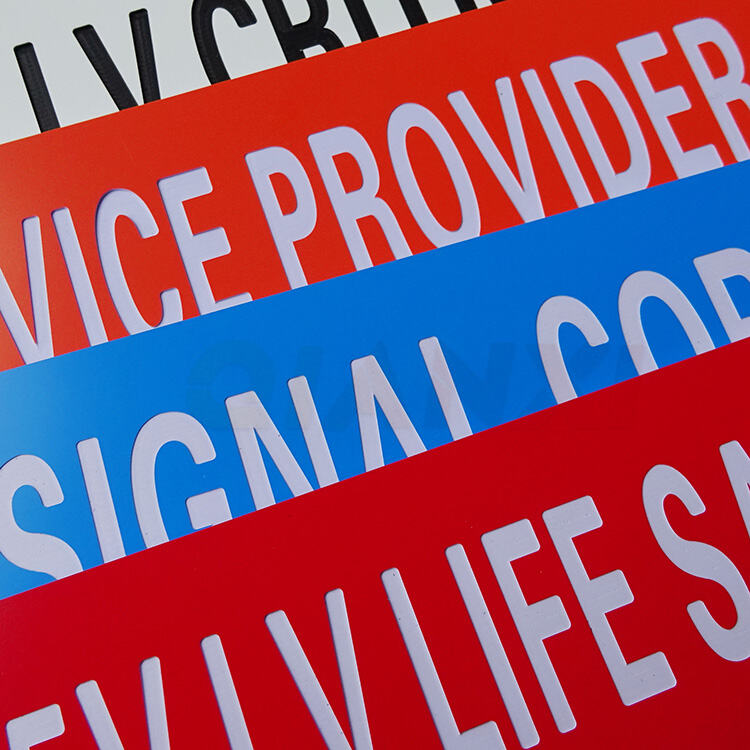
Alegerea soluției potrivite de identificare pentru echipamentele industriale, panourile electrice și mașinile necesită o analiză atentă a condițiilor de mediu, a cerințelor de durabilitate și a așteptărilor privind performanța pe termen lung. Decizia dintre o placă identificatoare Traffolyte și etichetele din vinil determină adesea succesul strategiei dvs. de etichetare în aplicații solicitante, unde eșecul nu este o opțiune.
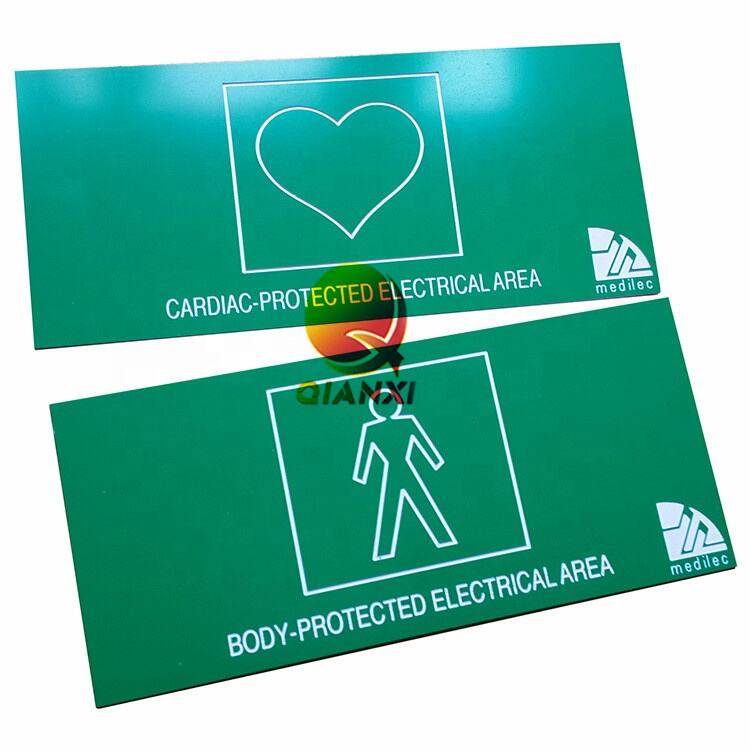
Înțelegerea momentului potrivit pentru a alege o placă de identificare Traffolyte în locul etichetelor din vinil depinde de anumite condiții operaționale, de cerințele reglementare și de durata de viață prevăzută a sistemului dvs. de identificare. Această decizie influențează nu doar costurile inițiale, ci și întreținerea pe termen lung, conformitatea cu reglementările și eficiența operațională în diverse sectoare industriale.
Condiții de mediu care favorizează plăcile de identificare Traffolyte
Aplicații în condiții de temperatură extremă
O placă de identificare Traffolyte se remarcă în mediile în care fluctuațiile de temperatură sunt severe sau în care există temperaturi ridicate susținute. Furnalele industriale, instalațiile de generare a energiei electrice și uzinele de procesare chimică întâmpină adesea temperaturi cuprinse între -40°F și 200°F, condiții care determină deformarea, fisurarea sau pierderea adeziunii etichetelor din vinil în timp.
Construcția multistrat a materialului Traffolyte oferă o stabilitate termică excepțională, menținând precizia dimensională și lizibilitatea chiar și în condiții extreme de ciclare termică. Instalațiile de producție cu sisteme pe bază de abur, liniile de asamblare auto cu cabine de vopsire și aplicațiile aeronautice beneficiază în mod constant de această rezistență la temperatură.
Atunci când echipamentele funcționează în medii în care variațiile de temperatură depășesc plaje de 100°F, o placă identificatoare Traffolyte își păstrează integritatea structurală, în timp ce alternativele din vinil încep să arate semne de deteriorare în luni, nu în ani.
Expunerea la substanțe chimice și mediile corozive
Rezistența chimică reprezintă un avantaj esențial la selectarea unei plăci identificatoare Traffolyte pentru aplicații care implică acizi, baze, solvenți sau agenți de curățare. Producția farmaceutică, unitățile de prelucrare a alimentelor și uzinele chimice necesită soluții de identificare capabile să reziste expunerii regulate la protocoalele riguroase de curățare și la substanțele chimice utilizate în procese.
Suprafața gravată din materialul Traffolyte rezistă penetrării chimice, deoarece informațiile de identificare sunt eliminate mecanic, nu sunt aplicate ca un strat superficial. Această diferență fundamentală înseamnă că nici chiar degresanții agresivi, dezinfectanții și solvenții industriali nu pot estompa sau elimina marcajele de identificare.
Etichetele din vinil se bazează pe suprafețe imprimate și legături adezive care se deteriorează la expunerea la agenți chimici de curățare, făcând din plăcuțele Traffolyte soluția preferată pentru echipamentele care necesită decontaminare sau dezinfectare frecventă.
Cerințe privind durabilitatea și așteptări privind longevitatea
Aplicații cu trafic intens și rezistente la abuz
Mediile industriale în care echipamentele sunt supuse contactului fizic, vibrațiilor sau stresului mecanic necesită soluții de identificare care să mențină lizibilitatea în ciuda abuzului. O plăcuță Traffolyte oferă o rezistență superioară la zgârieturi, deteriorarea prin impact și uzura suprafeței, comparativ cu alternativele din vinil.
Echipamentele de producție, sistemele de transport și mașinile supuse activităților rutiniere de întreținere beneficiază de durabilitatea mecanică a materialului traffolyte gravat. Informațiile de identificare rămân vizibile chiar și după ani de manipulare, curățare și contact accidental.
Atunci când echipamentele funcționează în medii în care personalul interacționează în mod regulat cu panourile de comandă, ansamblurile de supape sau instrumentele de măsură, lizibilitatea pe termen lung a unei plăcuțe identificatoare din traffolyte asigură siguranța și eficiența operațională continue.
Considerente legate de expunerea la exterior și la intemperii
Aplicațiile exterioare care implică expunerea directă la radiația solară, precipitații și schimbări sezoniere ale vremii creează condiții în care etichetele din vinil suferă o degradare accelerată. Radiația UV degradează structurile polimerice ale materialelor din vinil, provocând fragilitate și pierderea adeziunii într-un interval relativ scurt de timp.
A placă identificatoare Traffolyte menține stabilitatea culorii și precizia dimensională pe parcursul anilor de expunere în aer liber, fiind ideal pentru identificarea infrastructurii utilitare, a echipamentelor de telecomunicații și a mașinilor de construcții.
Rezistența intrinsecă la radiația UV a materialului traffolyte asigură faptul că informațiile de identificare rămân clar vizibile, fără a se decolora sau a deveni ilegibile, chiar și după o expunere prelungită la lumina directă a soarelui și la condiții meteorologice extreme.
Conformitatea Reglementară și Standardele de Siguranță
Siguranță electrică și cerințe privind arcul electric
Aplicațiile electrice impun adesea standarde specifice de identificare pe care etichetele din vinil nu le pot îndeplini în mod fiabil pe perioade lungi. Incidentele cu arc electric, defectele electrice și mediile cu tensiune înaltă creează condiții în care materialele de identificare trebuie să-și păstreze integritatea în situații de urgență.
Proprietățile neconductoare și rezistența la foc ale unei plăcuțe din traffolyte o fac potrivită pentru identificarea panourilor electrice, etichetarea echipamentelor de comutare și aplicațiile sistemelor de comandă, unde reglementările de siguranță cer soluții de identificare permanente.
Atunci când sistemele electrice necesită identificare care să rămână lizibilă în timpul condițiilor de defect sau al oprirea de urgență, materialul traffolyte oferă fiabilitatea necesară pentru siguranța personalului și conformitatea cu reglementările.
Cerințe Specifice Industriei în Ceea Ce privește Certificarea
Unele industrii mențin cerințe de certificare care specifică proprietățile materialelor de identificare, așteptările privind durata de viață și standardele de performanță pe care etichetele din vinil nu le pot îndeplini în mod constant. Industria aerospațială, producția de dispozitive medicale și instalațiile nucleare necesită adesea soluții de identificare cu caracteristici de performanță documentate.
O placă de identificare din Traffolyte poate fi fabricată pentru a îndeplini standardele industriale specifice privind rezistența la flacără, compatibilitatea chimică și stabilitatea dimensională, oferind documentația necesară pentru conformitatea reglementară și cerințele sistemelor de calitate.
Atunci când certificarea echipamentului depinde de performanța sistemului de identificare, caracteristicile previzibile ale materialului Traffolyte asigură conformitatea pe întreaga durată de viață a echipamentului.
Eficiență din punct de vedere al costurilor și analiza valorii pe termen lung
Investiția inițială versus costurile de înlocuire
Deși etichetele din vinil au costuri inițiale mai mici, costul total de deținere favorizează adesea o placă de identificare din Traffolyte în aplicațiile solicitante. Muncă pentru înlocuire, timpul de nefuncționare al echipamentului și costurile materialelor se acumulează atunci când soluțiile din vinil necesită reînnoiri frecvente datorită degradării cauzate de factorii de mediu.
Planurile industriale de întreținere pot include instalarea plăcilor de identificare din Traffolyte ca o activitate unică, în locul unor sarcini repetitive de înlocuire, reducând astfel costurile de muncă pe termen lung și îmbunătățind eficiența operațională.
Atunci când echipamentele funcționează în medii în care eșecul identificării creează riscuri de siguranță sau perturbări ale funcționării, fiabilitatea materialului Traffolyte justifică investiția inițială mai mare prin cerințe reduse de întreținere.
Eficiență operațională și programare a întreținerii
Planificarea întreținerii devine mai previzibilă atunci când sistemele de identificare oferă o performanță constantă pe întreaga durată de viață a echipamentelor. O placă de identificare Traffolyte elimină incertitudinile asociate cu degradarea etichetelor din vinil și programarea înlocuirii acestora.
Managementul facilităților beneficiază de reducerea necesarului de stocuri, de simplificarea proceselor de achiziții și de scăderea timpului alocat echipei de întreținere, atunci când sistemele de identificare necesită o atenție minimă pe perioade îndelungate.
Avantajele operaționale ale unei identificări fiabile se extind dincolo de costurile materialelor și includ o urmărire îmbunătățită a echipamentelor, o conformitate sporită cu cerințele de siguranță și o reducere a sarcinii administrative asociate cu programele de înlocuire a etichetelor.
Întrebări frecvente
Cât de mult timp rezistă o placă de identificare Traffolyte comparativ cu etichetele din vinil în medii industriale?
O placă de identificare Traffolyte oferă, de obicei, 10–15 ani de funcționare fiabilă în medii industriale solicitante, în timp ce etichetele din vinil pot necesita înlocuirea la fiecare 2–3 ani în condiții similare. Construcția gravată și rezistența chimică a materialului Traffolyte asigură o performanță constantă pe întreaga perioadă extinsă de exploatare, făcând din aceasta alegerea preferată pentru cerințele de identificare pe termen lung.
Pot plăcile de identificare Traffolyte rezista protocoalelor de curățare chimică utilizate în instalațiile farmaceutice și de prelucrare a alimentelor?
Da, plăcuțele identificatoare Traffolyte se remarcă în aplicațiile care necesită curățare chimică regulată și dezinfectare. Informațiile identificatoare gravate nu pot fi eliminate de agenții de curățare, acizii sau dezinfectanții utilizați în mod obișnuit în mediile farmaceutice și de prelucrare a alimentelor. Spre deosebire de etichetele din vinil, care se bazează pe imprimare la suprafață, procesul de gravare mecanică creează o identificare permanentă care își păstrează lizibilitatea chiar și în condiții de curățare agresivă.
În ce interval de temperatură pot funcționa plăcuțele identificatoare Traffolyte fără degradare?
Plăcuțele identificatoare Traffolyte își păstrează integritatea structurală și lizibilitatea într-un interval de temperaturi cuprins între -40°F și 200°F, fiind astfel potrivite pentru aplicații care implică condiții termice extreme. Această stabilitate termică depășește în mod semnificativ performanțele etichetelor din vinil, care, în mod tipic, încep să arate semne de degradare atunci când temperaturile depășesc 150°F sau scad sub punctul de îngheț pentru perioade îndelungate.
Sunt plăcuțele din traffolyte potrivite pentru aplicații în aer liber cu expunere directă la radiația solară?
Plăcuțele din traffolyte oferă o rezistență excelentă la radiația UV și mențin stabilitatea culorii pe parcursul anilor de expunere directă la soare. Compoziția materialului rezistă decolorării, fragilizării și modificărilor dimensionale asociate expunerii prelungite la radiația UV, făcându-le ideale pentru identificarea infrastructurii utilitare, a echipamentelor de telecomunicații și a mașinilor de construcții, unde etichetele din vinil s-ar degrada rapid în condiții similare.
Cuprins
- Condiții de mediu care favorizează plăcile de identificare Traffolyte
- Cerințe privind durabilitatea și așteptări privind longevitatea
- Conformitatea Reglementară și Standardele de Siguranță
- Eficiență din punct de vedere al costurilor și analiza valorii pe termen lung
-
Întrebări frecvente
- Cât de mult timp rezistă o placă de identificare Traffolyte comparativ cu etichetele din vinil în medii industriale?
- Pot plăcile de identificare Traffolyte rezista protocoalelor de curățare chimică utilizate în instalațiile farmaceutice și de prelucrare a alimentelor?
- În ce interval de temperatură pot funcționa plăcuțele identificatoare Traffolyte fără degradare?
- Sunt plăcuțele din traffolyte potrivite pentru aplicații în aer liber cu expunere directă la radiația solară?