 EN
EN

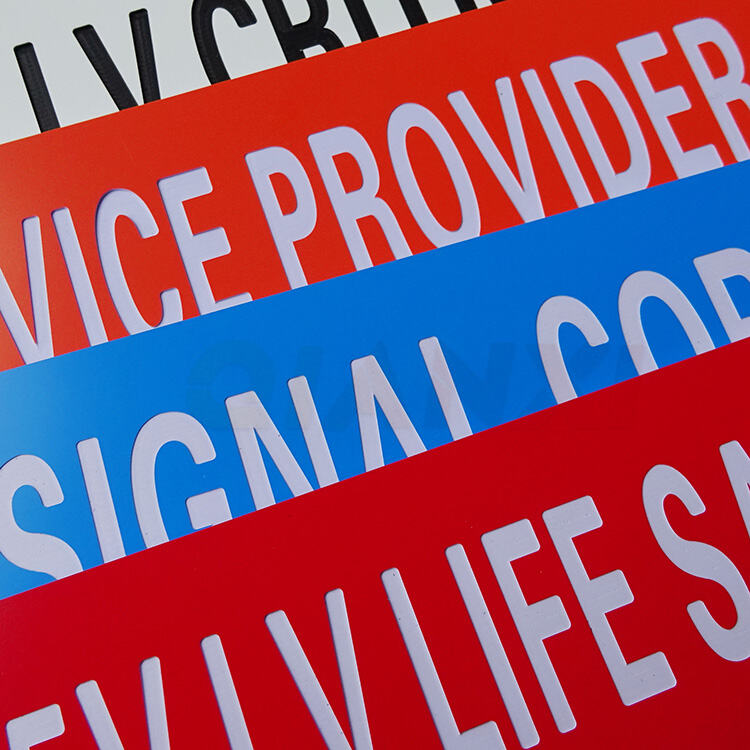
A plaka ng pangalan na traffolyte kumakatawan sa isa sa mga pinakamaraming gamit at matitibay na solusyon para sa pagkilala sa mga aplikasyon sa industriya at komersyo. Ang espesyalisadong plastic nameplate na may ukilang disenyo na ito ay pagsasama ng napakatibay na katangian at propesyonal na anyo, kaya ito ay isang mahalagang bahagi para sa pagmamarka ng kagamitan, mga control panel, at mga sistema ng pagkilala sa iba’t ibang industriya. Mahalaga ang pag-unawa kung ano ang traffolyte nameplate at kung paano ito gumagana para sa mga propesyonal na naghahanap ng maaasahang at pangmatagalang solusyon sa pagkilala na kayang tumagal sa mga mahihirap na kapaligiran ng operasyon.
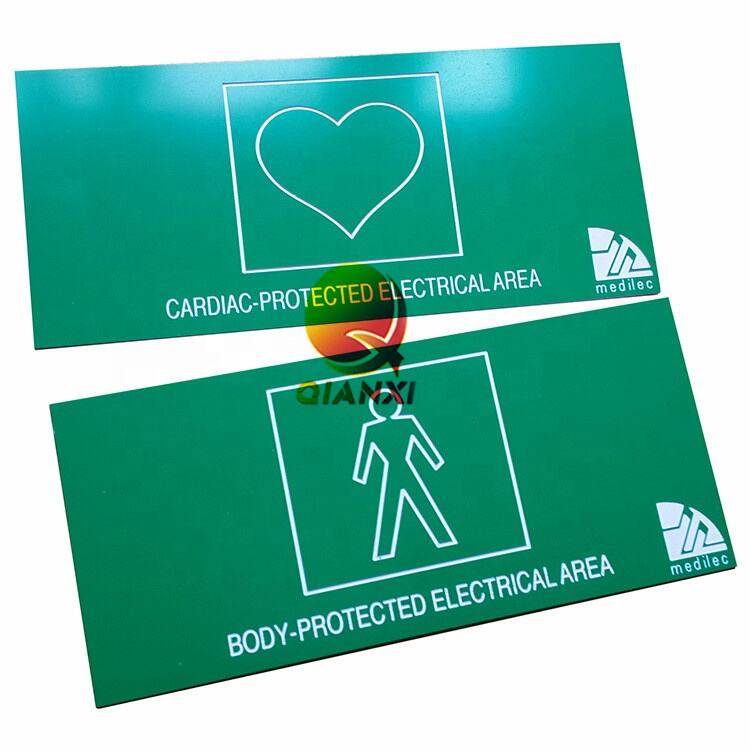
Ang mekanismo ng paggana ng isang traffolyte nameplate ay kinasasangkutan ng isang sopistikadong proseso ng pagbuo na may maraming layer na lumilikha ng permanenteng, mataas na kontrast na mga marka sa pamamagitan ng mga teknik ng eksaktong pag-uukit. Ang inobatibong paraan na ito sa industriyal na pagmamarka ay nagpabago nang radikal kung paano hinaharap ng mga negosyo ang pagkakakilanlan ng kagamitan, mga palatandaan para sa kaligtasan, at pagmamarka sa mga panel ng kontrol. Ang epekto ng bawat traffolyte nameplate ay nagmumula sa natatanging komposisyon ng materyales nito at sa proseso ng paggawa nito, na parehong nagbibigay ng hindi maikakailang pagganap sa mga hamon na industriyal na kapaligiran.
Pag-unawa sa Pagbuo at Materyales ng Traffolyte Nameplate
Komposisyon ng Plastic na May Maraming Layer
Ang pundasyon ng bawat traffolyte nameplate ay nasa kanyang espesyal na plastic na konstruksyon na may maraming layer. Ang inobatibong materyal na ito ay binubuo karaniwan ng isang kulay na upper layer na nakadikit sa isang kontrasteng core material, na lumilikha ng perpektong substrate para sa eksaktong pag-uukit. Ang upper layer, na magagamit sa iba't ibang kulay tulad ng itim, puti, pula, at asul, ang nagbibigay ng panlabas na anyo, samantalang ang kontrasteng core ang nagsisiguro ng mataas na kahusayan sa pagkakita kapag inukit. Ang sistemang may dalawang layer na ito ang nagbibigay ng natatanging hitsura at mga pangunahing kakayahan sa bawat traffolyte nameplate.
Ang mga plastik na materyales na ginagamit sa paggawa ng mga traffolyte nameplate ay partikular na idinisenyo para sa tibay at paglaban sa mga kadahilanan ng kapaligiran. Ang mga mataas na antas na thermoplastics na ito ay tumutol sa UV radiation, pagkakalantad sa kemikal, pagbabago ng temperatura, at pagsuot dulot ng mekanikal. Ang molekular na istruktura ng plastik ay nagpapatiyak na ang ugnayan sa pagitan ng mga layer ay nananatiling buo sa buong buhay na operasyon ng nameplate, na nagpipigil sa delamination o paghihiwalay na maaaring makompromiso ang kalinawan ng basa o ang propesyonal na itsura nito.
Ang advanced na polymer chemistry ay gumaganap ng mahalagang papel sa pagganap ng traffolyte nameplate. Ang mga materyales ay dumaan sa mga espesyal na proseso ng paggamot na nagpapabuti sa kanilang mga katangian sa pag-uukit, na nagpapatiyak ng malinis at eksaktong pagputol na nagpapakita ng kontrast na kulay ng core. Ang ganitong paggamot ay nagpapabuti rin sa pagtutol ng plastik sa karaniwang kemikal sa industriya, langis, at mga solvent sa paglilinis, na ginagawang angkop ang bawat traffolyte nameplate para sa mga mapanganib na kapaligiran ng operasyon kung saan nabigo ang mga tradisyonal na label.
Mga Sistema ng Pandikit na Likod
Ang mga modernong disenyo ng traffolyte nameplate ay sumasama sa mga advanced na sistema ng adhesive backing na nagsisiguro ng maaasahang, pangmatagalang pagkakabit sa iba't ibang ibabaw. Ang mga pressure-sensitive adhesives na ito ay nabuo upang makipag-ugnayan nang epektibo sa mga metal, plastik, pininturahan na ibabaw, at composite materials na karaniwang matatagpuan sa mga industrial setting. Ang kemikal na komposisyon ng adhesive ay idinisenyo upang panatilihin ang lakas ng pagkakadikit nito sa loob ng malawak na saklaw ng temperatura habang tumutol sa kahalumigmigan, mga kemikal, at UV exposure na maaaring magdulot ng pagkabigo ng adhesive.
Ang proseso ng pag-aaplay para sa mga sistemang traffolyte na may pangalan na may pandikit na likod ay nangangailangan ng tamang paghahanda ng ibabaw upang makamit ang pinakamainam na pagkakadikit. Ang malinis, tuyo, at walang langis, alikabok, o oksidasyon na ibabaw ang nagbibigay ng pinakamahusay na pundasyon para sa pagkakadikit. Kapag inilapat na gamit ang angkop na presyon, ang pandikit ay bumubuo ng permanenteng ugnayan na karaniwang lumalampas sa mekanikal na lakas ng mismong materyal ng nameplate, na nagsisigurado na ang pag-alis nito, kung kinakailangan, ay nangangailangan ng sinasadyang pagsisikap imbes na hindi sinasadyang paghiwalay.
Ang ilang aplikasyon ng traffolyte nameplate ay gumagamit ng mga pandikit na maaaring tanggalin upang payagan ang muling pagposisyon o kapalit nang walang natitirang residue. Ang mga espesyal na pandikit na ito ay nananatiling may malakas na unang pagkakadikit habang nagpapahintulot naman ng malinis na pag-alis kapag iniinit o tinrato ng angkop na solvent. Ang fleksibilidad na ito ang nagiging sanhi kung bakit ang mga sistemang traffolyte nameplate ay perpekto para sa mga aplikasyon kung saan maaaring kailanganin ang periodic na pag-update o pagbabago habang pinapanatili ang mga pamantayan sa propesyonal na anyo.
Proseso ng Pag-uukit at Mga Mekanismo sa Paglikha ng Teksto
Teknolohiya ng Pag-uukit na Kontrolado ng Kompyuter
Ang paglikha ng teksto at mga larawan sa isang traffolyte nameplate ay umaasa sa mataas na presisyong kagamitan sa pag-uukit na kontrolado ng kompyuter, na nag-aalis ng panlabas na layer upang ipakita ang kontrasteng kulay ng sentral na bahagi. Ang mga CNC engraving machine na ito ay gumagana nang may napakahusay na katiyakan—karaniwang umaabot sa toleransya ng ±0.001 pulgada—na nagpapagarantiya sa pare-parehong anyo at espasyo ng mga titik sa buong produksyon. Ang proseso ng pag-uukit ay nag-aalis ng materyal sa pamamagitan ng mekanikal na pagputol, na lumilikha ng permanenteng marka na hindi mawawala, magkakasira, o maaaring biglang tanggalin tulad ng mga nakaimprentang larawan.
Ang mga modernong sistema ng pag-uukit ay gumagamit ng mga tool na may tip na diamond o carbide na partikular na idinisenyo para sa mga materyales ng traffolyte nameplate. Ang mga tool na ito ay panatiliang map sharp sa kanilang mga gilid na pumuputol sa buong haba ng mahabang produksyon, na nagsisiguro ng pare-parehong lalim ng pag-uukit at malinaw na pagkakatukoy ng mga gilid. Ang mga parameter ng pagputol—kabilang ang bilis ng spindle, bilis ng feed, at lalim ng pagputol—ay eksaktong kinokontrol upang i-optimize ang kalidad ng pag-uukit habang pinipigilan ang pagsuot ng tool at pinapataas ang kahusayan ng produksyon.
Ang software ng disenyo na batay sa vector ang nangangasiwa sa proseso ng pag-uukit, na nagko-convert ng digital na artwork sa mga instruksyon para sa makina na nagdidirekta sa landas ng tool na pumuputol. Ang digital na workflow na ito ay nagsisiguro na ang bawat plaka ng pangalan na traffolyte ay sumasapat nang eksakto sa orihinal na mga espesipikasyon ng disenyo, anuman ang dami ng produksyon. Ang software ay kayang tanggapin ang mga kumplikadong graphics, maraming sukat ng teksto, at mga detalyadong logo habang pinapanatili ang kahusayan na kailangan para sa mga propesyonal na aplikasyon sa industriya.
Pormasyon ng mga Character at Pag-optimize ng Kakayahang Basahin
Ang proseso ng pag-uukit para sa produksyon ng traffolyte nameplate ay nangangailangan ng maingat na pagsasaalang-alang sa pagbuo ng mga titik upang matiyak ang pinakamahusay na kakayahang basahin sa ilalim ng iba't ibang kondisyon ng ilaw. Ang pagpili ng font, espasyo sa pagitan ng mga titik, at lapad ng linya ay ino-optimize batay sa distansya ng panonood at sa mga kondisyon ng ambient lighting sa target na kapaligiran ng aplikasyon. Karaniwang nagbibigay ang mga sans-serif font ng pinakamahusay na kakayahang basahin kapag inuukit, dahil ang kanilang malinis na linya at pare-parehong lapad ng stroke ay lubos na naaangkop sa proseso ng pag-uukit.
Ang kontrol sa lalim ng pag-uukit ay gumaganap ng mahalagang papel sa kakayahang basahin at tibay ng traffolyte nameplate. Ang mababaw na pag-uukit ay maaaring hindi lubos na tumagos sa panlabas na layer, na nagreresulta sa mahinang kontrast, samantalang ang labis na lalim ay maaaring pahinaan ang istruktura ng nameplate o magdulot ng magaspang na gilid na nakakakuha ng dumi. Ang optimal na lalim ng pag-uukit ay karaniwang nasa pagitan ng 0.003 hanggang 0.008 pulgada, depende sa kapal ng materyal at sa mga kinakailangang aplikasyon.
Ang pag-optimize ng kontrast ng kulay ay nagsisiguro na ang nakaukiling teksto sa isang traffolyte nameplate ay nananatiling may mataas na kahusayan sa pagtingin sa iba't ibang kondisyon ng ilaw. Ang pinakakaraniwang kombinasyon ay may itim na ibabaw na materyal at puting core, na nagbibigay ng humigit-kumulang 90% na ratio ng kontrast na sumusunod o lumalampas sa karamihan ng mga pamantayan sa industriyal na kahusayan sa pagtingin. Ang mga alternatibong kombinasyon ng kulay, tulad ng pula sa puti o asul sa puti, ay nag-aalok ng espesyalisadong katangian sa kahusayan sa pagtingin para sa partikular na mga aplikasyon o mga kinakailangan sa corporate branding.
Pangkalahatang Pagganap sa mga Industriyal na Aplikasyon
Mga Katangian ng Resistensya sa Kalikasan
Ang operasyonal na kahusayan ng isang traffolyte nameplate ay nagmumula sa kanyang hindi karaniwang paglaban sa mga kadahilanan sa kapaligiran na karaniwang sumisira sa iba pang paraan ng pagkakakilanlan. Ang pagbabago ng temperatura, mula sa -40°F hanggang +180°F sa karamihan ng mga aplikasyon, ay hindi nakaaapekto sa pagkakapantay-pantay ng sukat o sa kakayahang basahin ng mga sistema ng traffolyte nameplate na naaayon sa tamang paggawa. Ang ganitong katatagan sa init ay nagsisiguro na ang mga label sa kagamitan ay nananatiling malinaw na nababasa at ligtas na nakakabit sa buong taon—mula sa pagbabago ng panahon hanggang sa pagkakalantad sa temperatura dulot ng proseso.
Ang paglaban sa kemikal ay kumakatawan sa isa pang mahalagang katangian ng pagganap ng mga sistemang traffolyte nameplate. Ang mga plastik na materyales ay tumututol sa pag-degrade mula sa karaniwang kemikal sa industriya, kabilang ang mga hydraulic fluid, lubricating oils, cleaning solvents, at mahihinang acid o base. Ang ganitong kemikal na inertness ay nagpipigil sa pag-degrade ng teksto, pagbabago ng kulay, o pagkabrittle ng materyales—na maaaring makompromiso ang katiyakan ng identifikasyon sa mga kapaligiran ng chemical processing, manufacturing, at maintenance.
Ang paglaban sa UV ay nagsisiguro na ang mga aplikasyon sa labas ng gusali o sa mataas na antas ng ilaw ay panatilihin ang kanilang anyo at pagganap sa mahabang panahon ng paggamit. Ang mga pormulasyon ng plastik ay may kasamang UV stabilizers na nagpipigil sa photodegradation, pagkulay, o pagkabrittle. Ang field testing ay nagpapakita na ang mga propersong pormuladong traffolyte nameplate materials ay panatilihin ang kanilang mga katangian nang higit sa 10 taon sa direktaang eksposur sa araw nang walang makabuluhang pag-degrade.
Pangkalahatang Pagtitiis sa Mekanikal at Paglaban sa Pagsuot
Ipinapakita ng pagsusuri sa tibay ng makina na ang mga sistema ng nameplate ng traffolyte ay kayang tiisin ang matinding pisikal na stress nang hindi isinasakripisyo ang kanilang tungkulin sa pagkilala. Ipinapakita ng pagsusuri sa resistensya sa impact na ang mga nameplate na ito ay kayang sumipsip ng enerhiya na katumbas ng pagkahulog ng mga kagamitan o pagdikit ng kagamitan nang hindi nabibitak o nagkakaroon ng delamination. Ang kakayahang umangkop ng plastik na substrate ay nagbibigay-daan para sa bahagyang deformation sa ilalim ng load habang bumabalik sa orihinal nitong hugis kapag naalis na ang stress.
Ang paglaban sa abrasyon ay nagpapaguarantee na ang madalas na paglilinis, kontak sa pangangalaga, o wear mula sa operasyon ay hindi maaaring magbawas ng kahusayan ng pagbabasa ng teksto sa isang traffolyte nameplate. Ang mga nakaukit na titik, na nasa ilalim ng ibabaw, ay natural na protektado laban sa abrasyon sa ibabaw. Bukod dito, ang mga plastik na materyales ay tumutol sa mga sugat at gugupitin na maaaring takpan ang teksto o magdulot ng di-propesyonal na anyo sa paglipas ng panahon.
Ang pagsusuri sa pagvivibrate ay nagpapakita na ang mga sistema ng traffolyte nameplate na maayos na nakakabit ay nananatiling buo at madaling basahin sa mga kapaligirang may mataas na vibration tulad ng mga kompartimento ng makina, mga conveyor system, at mobile equipment. Ang kombinasyon ng flexible na substrate material at ang angkop na adhesive backing ay sumisipsip ng vibrational energy nang hindi nabubuo ng stress cracks o adhesive failure na maaaring magdulot ng pagkakawala ng nameplate.
Mga Paraan ng Pag-install at Kalagayan ng Surface
Mga Requirmemt para sa Paghahanda ng ibabaw
Ang tamang pag-install ng isang traffolyte nameplate ay nagsisimula sa lubos na paghahanda ng surface upang matiyak ang pinakamainam na adhesive bonding at pangmatagalang katiyakan ng attachment. Ang paglilinis ng surface ay nagtatanggal ng mga langis, dumi, oxidation, at iba pang kontaminante na maaaring makagambala sa pagganap ng adhesive. Ang mga degreasing solvent tulad ng isopropyl alcohol o mga espesyal na surface cleaner ay epektibong nagtatanggal ng organic contaminants, samantalang maaaring kailanganin ang banayad na abrasion upang tanggalin ang oxidation o mapabuti ang texture ng surface sa mga makinis na materyales.
Ang mga konsiderasyon sa texture ng ibabaw ay nakaaapekto sa kahusayan ng pagpapakapit ng mga adhesive system para sa traffolyte nameplate. Ang mga ibabaw na may katamtamang texture, na may mga halaga ng roughness na nasa pagitan ng 32 at 125 microinches, ay nagbibigay ng pinakamainam na mekanikal na interlocking kasama ang adhesive habang pinapanatili ang sapat na area ng kontak para sa kemikal na pagpapakapit. Ang mga napakaglatas na ibabaw ay maaaring mangailangan ng aplikasyon ng primer o bahagyang pag-texture upang makamit ang maaasahang pagpapakapit, samantalang ang mga napakarugad na ibabaw ay maaaring kailangang punuan o paunlarin upang matiyak ang buong kontak ng adhesive.
Ang mga kondisyon sa temperatura at kahalumigmigan habang inilalagay ang mga adhesive ay may malaking epekto sa pagganap ng adhesive at sa unang lakas ng pagpapakapit. Ang mga temperatura sa paglalagay na nasa pagitan ng 65°F at 85°F kasama ang relative humidity na nasa ilalim ng 70% ay nagbibigay ng pinakamainam na kondisyon para sa daloy ng adhesive at sa unang pagpapakapit. Ang mga malamig na temperatura ay maaaring mangailangan ng pagpainitin ng ibabaw upang makamit ang tamang aktibasyon ng adhesive, samantalang ang mataas na kahalumigmigan ay maaaring makagambala sa proseso ng pagtutumba ng adhesive at bawasan ang panghuling lakas ng pagpapakapit.
Mga Alternatibong Paraan ng Paglalagay
Kahit na ang adhesive backing ang pinakakaraniwang paraan ng pag-attach, ang mga sistema ng traffolyte nameplate ay maaaring sumapat sa iba't ibang mga kinakailangan sa pag-mount gamit ang mga opsyon ng mekanikal na fastening. Ang mga butas na may drill at countersunk ay nagpapahintulot sa pag-attach gamit ang mga screw sa mga aplikasyon na nangangailangan ng kakayahang tanggalin o kung saan hindi angkop ang adhesive bonding dahil sa kondisyon ng ibabaw o sa mga regulasyon. Ang mekanikal na pag-attach ay nagbibigay ng agarang buong lakas na pag-attach nang walang kailangang hintayin ang oras ng pagkakatigas ng adhesive.
Ang mga magnetic mounting system ay nag-ooffer ng pansamantalang o semi-permanenteng mga opsyon sa pag-attach para sa mga aplikasyon ng traffolyte nameplate sa mga ibabaw na gawa sa bakal na metal. Ang flexible magnetic backing ay nananatiling may mabuting kontak sa ibabaw habang nagbibigay-daan sa madaling pagre-reposition o pagtanggal para sa pag-access sa pagpapanatili. Ang paraang ito ng pag-mount ay lubos na epektibo para sa pagkilala sa kagamitan na nangangailangan ng periodic na pag-update o pansamantalang paglalagay ng label habang isinasagawa ang mga proseso ng pagpapanatili.
Ang mga sistema ng pag-mount na may clip ay nagpapahintulot ng mabilis na pag-attach at pag-alis ng mga assembly ng traffolyte nameplate mula sa mga standard na mounting rail o bracket. Ang mga sistemang ito ay may mga clip na gawa sa plastic o metal na hinubog o tinakpan sa likod ng nameplate, na nagpapahintulot ng pag-install at pag-alis nang walang kailangang gamitin na kasangkapan. Ang mga sistema na nakamount sa rail ay lalo pang kapaki-pakinabang sa mga control panel o kahon ng kagamitan kung saan maaaring kailanganin ang pagbabago ng nameplate habang isinasagawa ang reconfiguration o upgrade ng sistema.
Madalas Itanong
Gaano katagal karaniwan ang traffolyte nameplate sa mga aplikasyon sa labas ng gusali?
Ang isang maayos na ginawang traffolyte nameplate ay maaaring panatilihin ang kanyang itsura at pagganap sa loob ng 10–15 taon sa mga aplikasyon sa labas kapag inilantad sa karaniwang kondisyon ng panahon. Ang mga plastik na materyales na may UV stabilizer ay tumutol sa pagpapakulay at pagkasira dulot ng sikat ng araw, samantalang ang nakaukiling teksto ay nananatiling permanenteng nababasa dahil ito ay nilikha sa pamamagitan ng pag-alis ng materyal imbes na sa pamamagitan ng pagpi-print sa ibabaw. Ang mga ekstremong kapaligiran o malubhang pagkakalantad sa kemikal ay maaaring bawasan ang haba ng serbisyo, ngunit ang karamihan sa mga traffolyte nameplate system ay lumalampas sa 10 taon ng maaasahang pagganap sa labas.
Maaari bang i-customize ang mga traffolyte nameplate gamit ang mga logo at graphics ng kompanya?
Oo, ang mga sistemang traffolyte nameplate ay sumasaklaw sa mga kumplikadong pasadyang graphics, logo, at detalyadong artwork sa pamamagitan ng mga proseso ng engraving na kontrolado ng kompyuter. Ang kagamitang pang-engrave ay kayang muling likhain ang mga mahihinang detalye, maliit na teksto, at mga intrikadong disenyo nang may mataas na kahusayan, na ginagawa itong posible na isama ang mga elemento ng corporate branding kasama ang mga impormasyong pang-identifikasyon na may kinalaman sa paggamit. Ang mga vector-based artwork file ang nagbibigay ng pinakamahusay na resulta, bagaman ang karamihan sa karaniwang graphic format ay maaaring i-convert para sa produksyon ng engraving.
Anong mga ibabaw ang compatible sa mga traffolyte nameplate na may adhesive backing?
Ang mga sistemang traffolyte na may adhesive-backed na nameplate ay epektibong nakakadikit sa karamihan ng malinis at tuyo na ibabaw, kabilang ang mga metal na may pintura, stainless steel, aluminum, matitigas na plastic, fiberglass, at composite materials. Ang pangunahing mga kinakailangan ay ang tamang paghahanda ng ibabaw at sapat na surface energy upang payagan ang pagkalat at pagdikit ng adhesive. Ang mga ibabaw na may napakababang energy tulad ng polyethylene o silicone ay maaaring nangangailangan ng primer treatment, samantalang ang mga porous na ibabaw ay maaaring kailangang isara (seal) upang makamit ang pinakamahusay na pagganap sa pagdikit.
Ang mga traffolyte nameplate ba ay angkop para sa mga aplikasyon sa pagproseso ng pagkain at sa mga medical device?
Ang mga materyales para sa mga nameplate na Traffolyte ay maaaring gawin gamit ang mga plastic formulation na sumusunod sa pamantayan ng FDA, na angkop para sa pagproseso ng pagkain at mga aplikasyon ng medical device kung saan kinakailangan ang pagsunod sa regulasyon. Ang mga espesyalisadong materyales na ito ay panatilihin ang parehong mga katangian sa pag-uukit at tibay habang natutugunan ang mahigpit na mga kinakailangan sa komposisyong kimikal at mga ekstraktibleng sangkap. Ang makinis at hindi poroso na ibabaw ng mga nameplate na Traffolyte na may ukit ay nakatutulong din sa epektibong paglilinis at pagpapasanay na kinakailangan sa mga reguladong kapaligiran na ito.
Talaan ng mga Nilalaman
- Pag-unawa sa Pagbuo at Materyales ng Traffolyte Nameplate
- Proseso ng Pag-uukit at Mga Mekanismo sa Paglikha ng Teksto
- Pangkalahatang Pagganap sa mga Industriyal na Aplikasyon
- Mga Paraan ng Pag-install at Kalagayan ng Surface
-
Madalas Itanong
- Gaano katagal karaniwan ang traffolyte nameplate sa mga aplikasyon sa labas ng gusali?
- Maaari bang i-customize ang mga traffolyte nameplate gamit ang mga logo at graphics ng kompanya?
- Anong mga ibabaw ang compatible sa mga traffolyte nameplate na may adhesive backing?
- Ang mga traffolyte nameplate ba ay angkop para sa mga aplikasyon sa pagproseso ng pagkain at sa mga medical device?